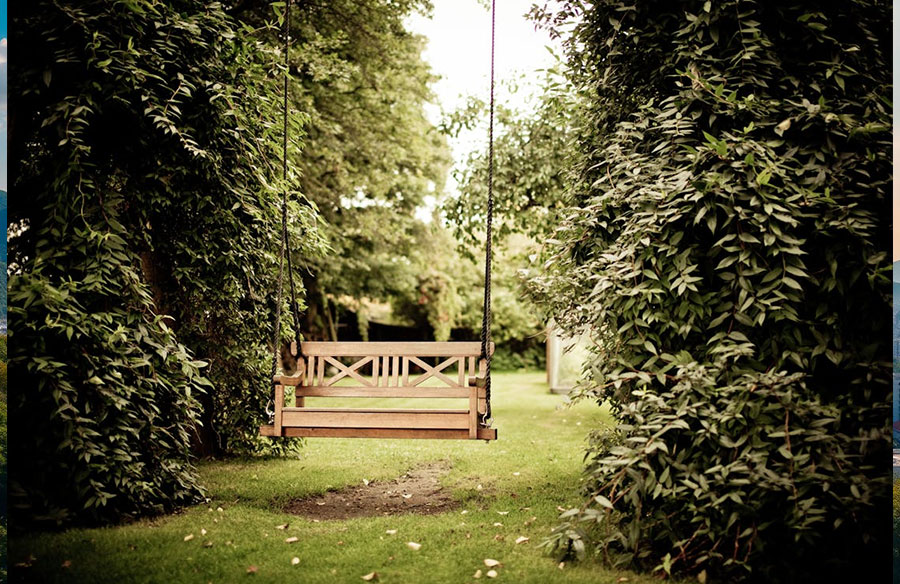
Most landscaping advice starts with plants and palettes, but I think the smarter starting point, especially in a place like New Mexico or Texas, is shade. That mindset flips the usual order of operations.
Instead of picking plants and hoping they survive, you map where you actually want to be at noon in July, in October afternoons, and on windy February mornings. Then, you design the canopy, structures, surfaces, and water features so that those spots feel comfortable year-round.
If you’re exploring landscaping services NM, this approach gives you a clean brief to hand a designer. It’s not only simpler to budget but also way better at producing a yard you’ll use instead of only admiring from the window.
Why Shade Beats Sprinklers
We tend to talk about air temperature most of all, but what drives comfort outside is the heat radiating off walls, pavers, and everything else around you. Shade lowers the load from above and stops nearby surfaces from superheating, which is why a small pergola over stone can feel cooler than a bigger open patio over grass.
There’s real science behind this effect. Shading and plant evapotranspiration can lower surrounding air temperatures by several degrees, and the air right under a mature tree can be dramatically cooler than air hovering over sun-baked hardscape.
Planning for Pockets of Cool
Start by sketching your microclimates on a simple site plan. Circle the places where you want to sit or cook in late morning, mid-afternoon, and evening. West and southwest exposures are the usual culprits for harsh afternoon sun.
From there, shape the canopy. Deciduous trees cast dappled shade in summer and let in winter sun, while evergreens block the wind and provide privacy. If you don’t have years to wait, combine fast-growing nurse trees with permanent slower species, plus trellises or pergolas to bridge the early years.
Surfaces make or break the microclimate. Dark, dense materials such as black metal, unshaded basalt, or gravel, radiate heat like a space heater. Lighter finishes and open-joint surfaces shed less heat and drain better. If you love the look of decomposed granite, use it where it can be shaded by a canopy or cover it with open pergola slats.
If you want to zoom out from the backyard to the city scale, this piece on the role of landscape architecture in urban heat mitigation is an excellent primer on how shade structures, green walls, and planting work together to cool built environments.
Cool With Water Responsibly
You can get a noticeable comfort boost with minimal water by placing moisture where it actually changes the experience. A small, shaded rill or a recirculating spill into a gravel run cools the nearby air without becoming a dust bowl or a mosquito breeding ground.
Tie it to rainwater for added sustainability. Roof gutters can go to a buried cistern with a simple overflow to a basin near your shade tree, and you’ve created a tiny micro-oasis that runs on what the sky gives you.
Drip lines under mulch keep roots happy without flash-evaporating your water budget. Cluster higher-water plants where the shade and moisture overlap and keep the exposed fringes tough and sparse.
Does Shade Really Pay Back?
In a hot, dry climate, shade pays back in both comfort and energy. Over west-facing glazing, it reduces late-day heat gain, and shading the hardscape next to the house lowers the temperature of air sneaking indoors.
Even if you never run numbers, you feel it in how soon you can use the patio and how long your AC can coast before it kicks back on.
Bringing It Home
Hot climates reward design discipline. When you lead with shade, you spend money on structures, plants, and surfaces that give you usable hours outside. You’ll still get the curb appeal, but it will be curb appeal you can sit under at 4:30 p.m. in July with an iced tea and a pulse under 120.
So, if you’re weighing bids or talking to a designer, give them the goals: more hours outside with lower water and energy bills. Ask for the plan that gets you there by building microclimates first. Everything else only starts making sense once you can feel the cool.