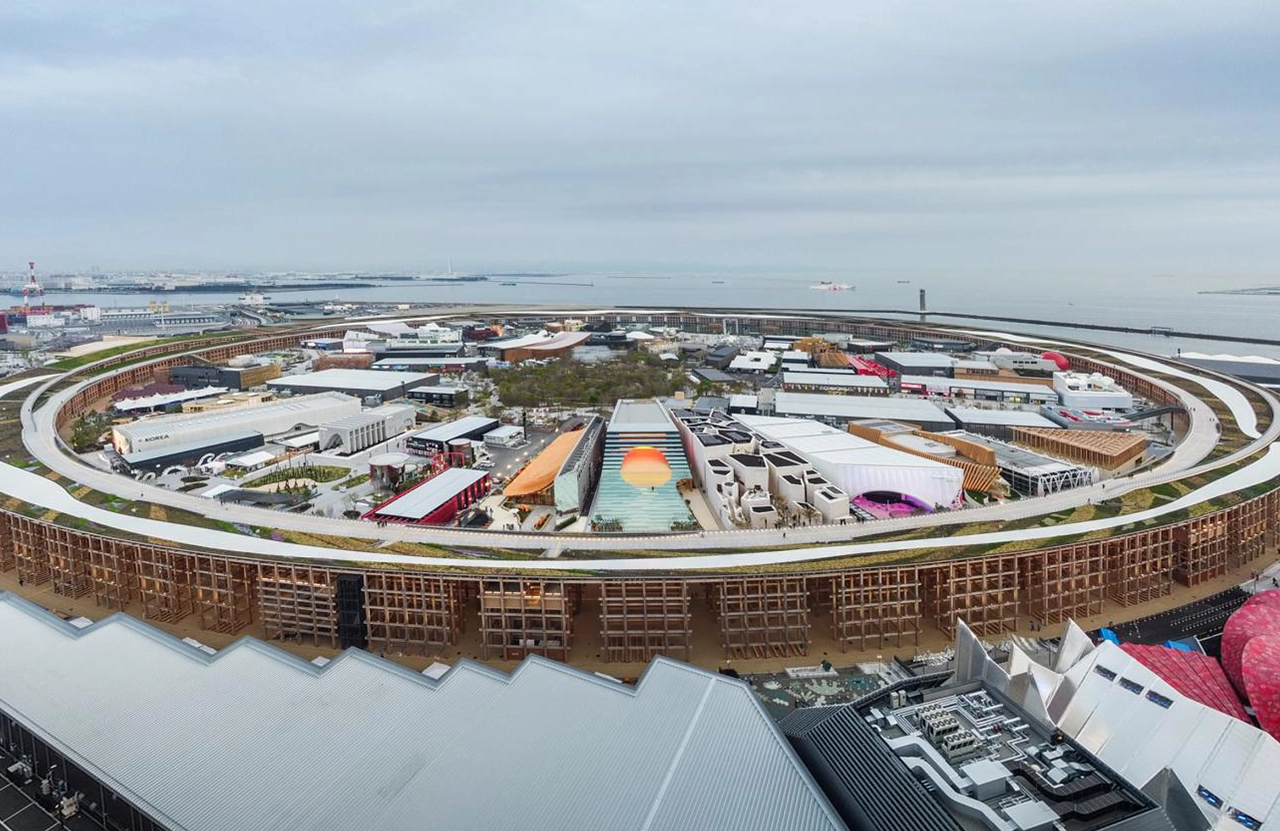
Held from 13 April to 13 October 2025 on the artificial island of Yumeshima in Osaka Bay, Expo 2025 Osaka brought together approximately 150 countries and international organisations under the theme “Designing Future Society for Our Lives.” Over its six-month span, it aligned architecture, sustainability, technology, and social purpose through three action lines: Saving Lives, Empowering Lives, and Connecting Lives.
Architecture as Dialogue: The Ring and Its Meaning
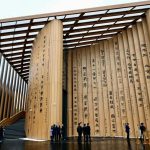
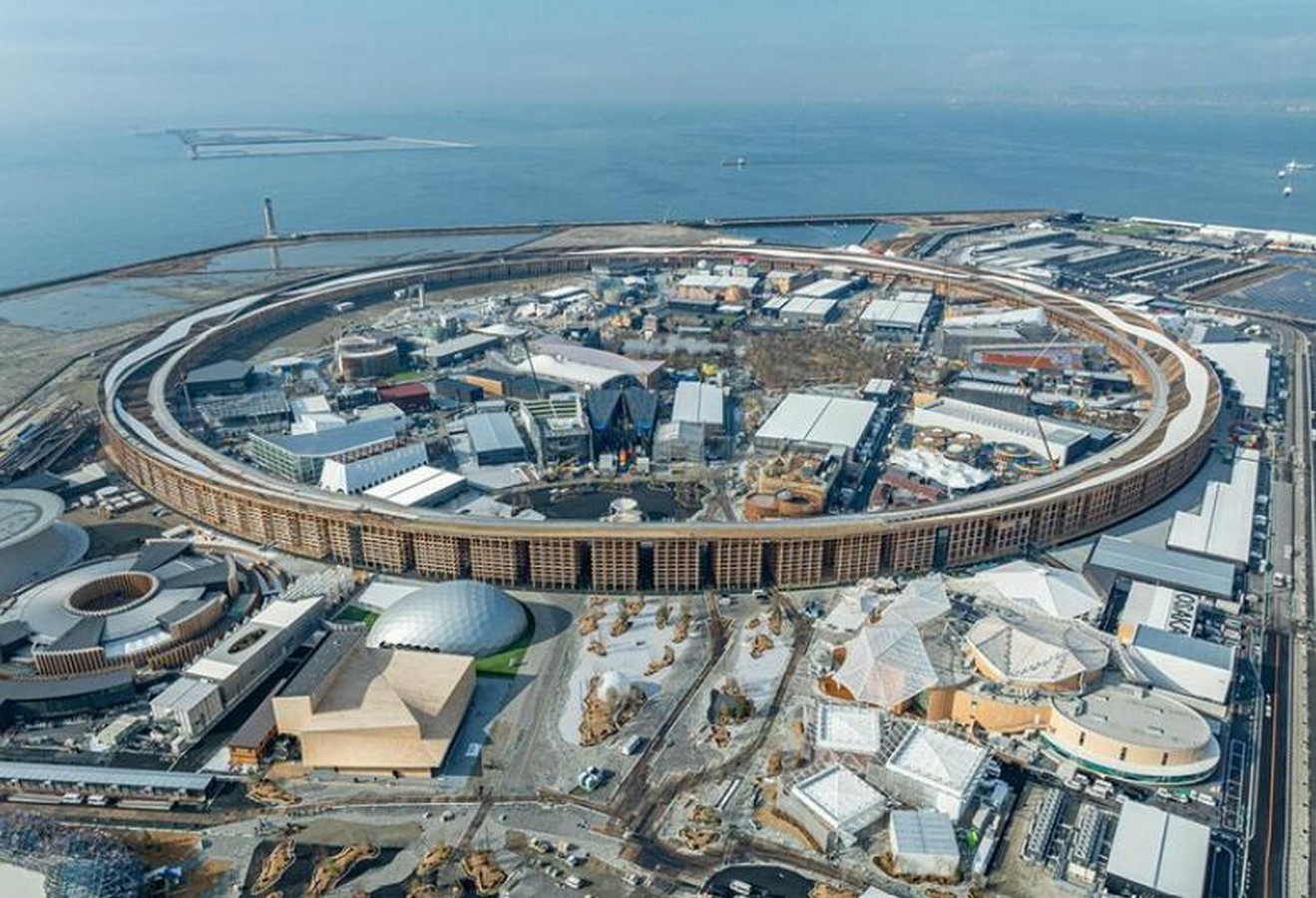
Among its many architectural highlights, the Expo’s most striking and discussed piece is the Grand Ring, a monumental wooden structure designed by Sou Fujimoto. The Ring encircles the pavilion zone, defining the Expo campus both visually and spatially. Its dimensions and construction materials are astounding, covering approximately 61,035 m² and recognised by the Guinness World Records as the largest wooden architectural structure in the world.
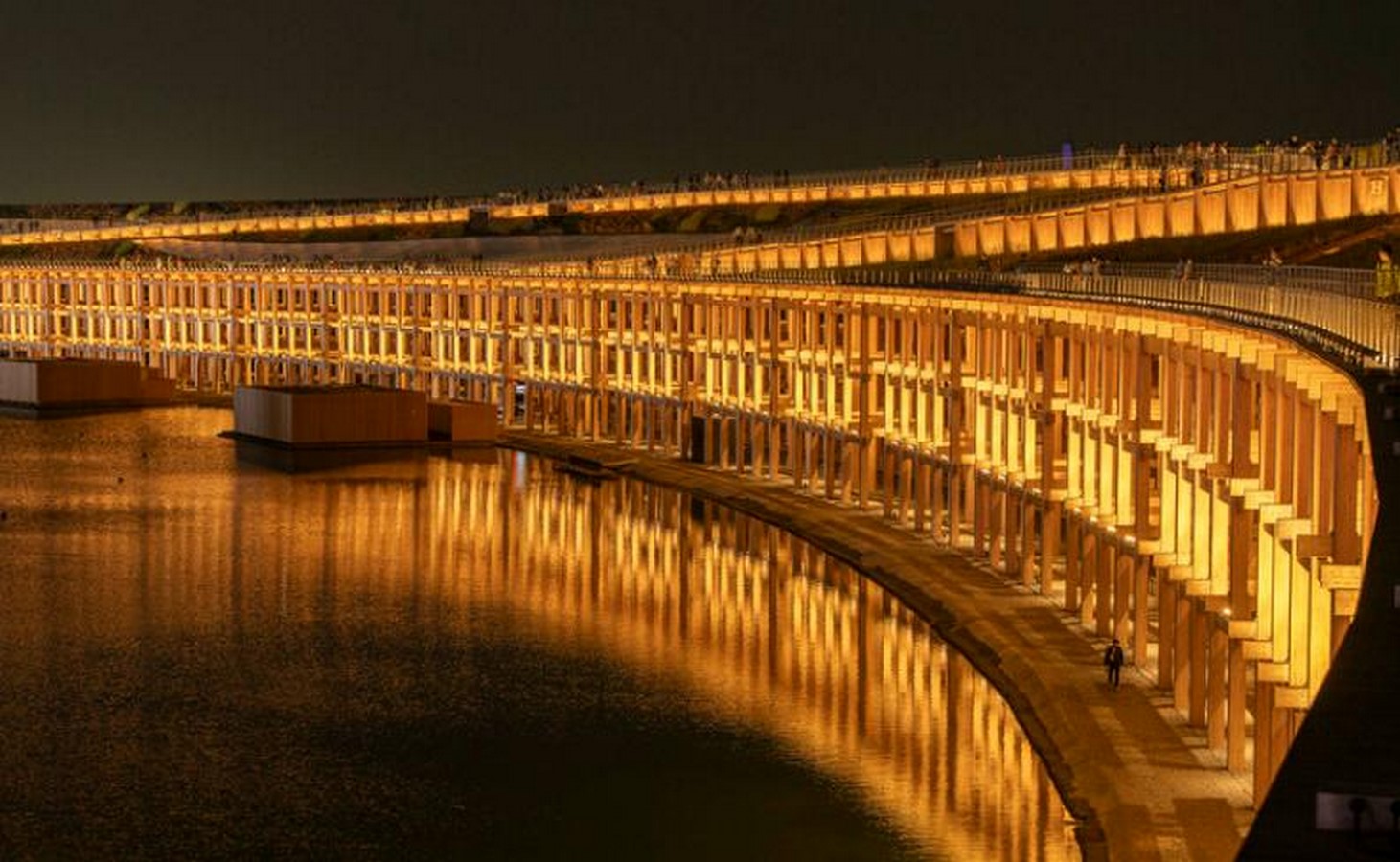
Built predominantly with domestic Japanese cedar and cypress, about 70 percent, and 30 percent Scots pine, the Ring uses traditional Japanese joinery called nuki connections, combined with modern engineering for seismic and structural performance. Its width is approximately 30 metres, its inner diameter about 615 metres, outer diameter around 675 metres, with height reaching up to about 12 metres typically, and outer height of 20 metres for the Skywalk (visitor accessible part).
Functionally, the Ring serves as the main circulation spine of the site. Visitors walk through a sheltered shaded zone, move between pavilions, and ascend to a Skywalk on its roof that allows elevated views of the Expo grounds and the inland sea beyond. Symbolically, Fujimoto describes it as embodying “Unity in Diversity,” a continuous loop around diverse national expressions while forging one coherent spatial experience.
Pavilions, Sustainability, and Social Themes
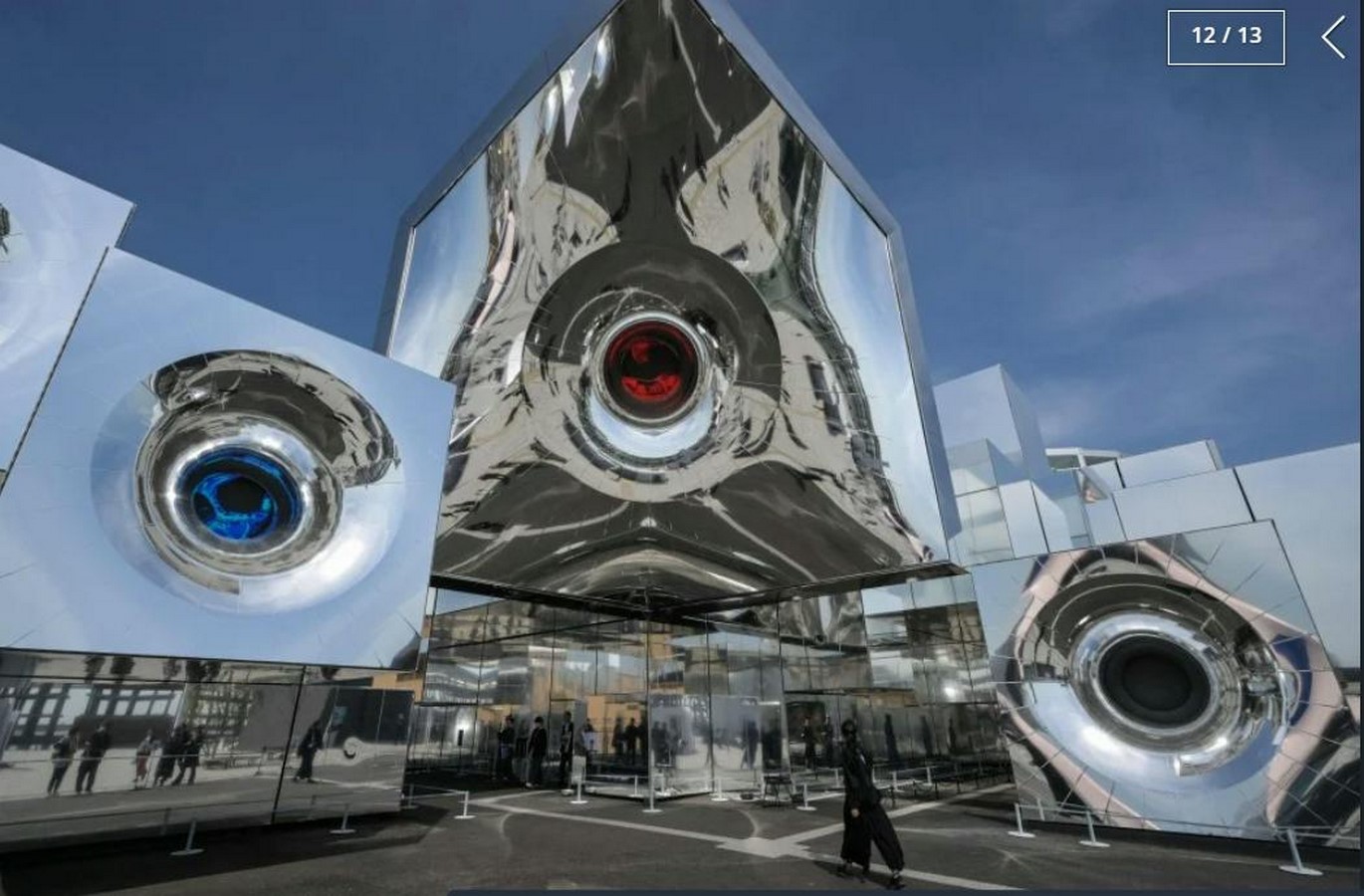
The Expo’s architectural programme went beyond the Ring. Multiple national and corporate pavilions addressed futuristic and human-centred themes. From immersive digital-nature installations to timber-based low-carbon structures, many attempted to reflect the Expo’s social agenda in built form. One of the “Signature Pavilions,” null² by Yoichi Ochiai and NOIZ, explored boundary-dissolving architecture that blends digital, physical, and biological systems.
Sustainability was a consistent thread. The timber construction was elevated as a structural system rather than merely a finishing material, and the Grand Ring itself is intended for dismantling and reuse, pending final decisions, with preservation of parts under discussion. On the social front, themes of ageing societies, public health, inclusion, and connectivity were embedded in programming and architecture, showcasing how built form can reflect wider cultural and political ambitions.
Legacy, Reception, and Challenges
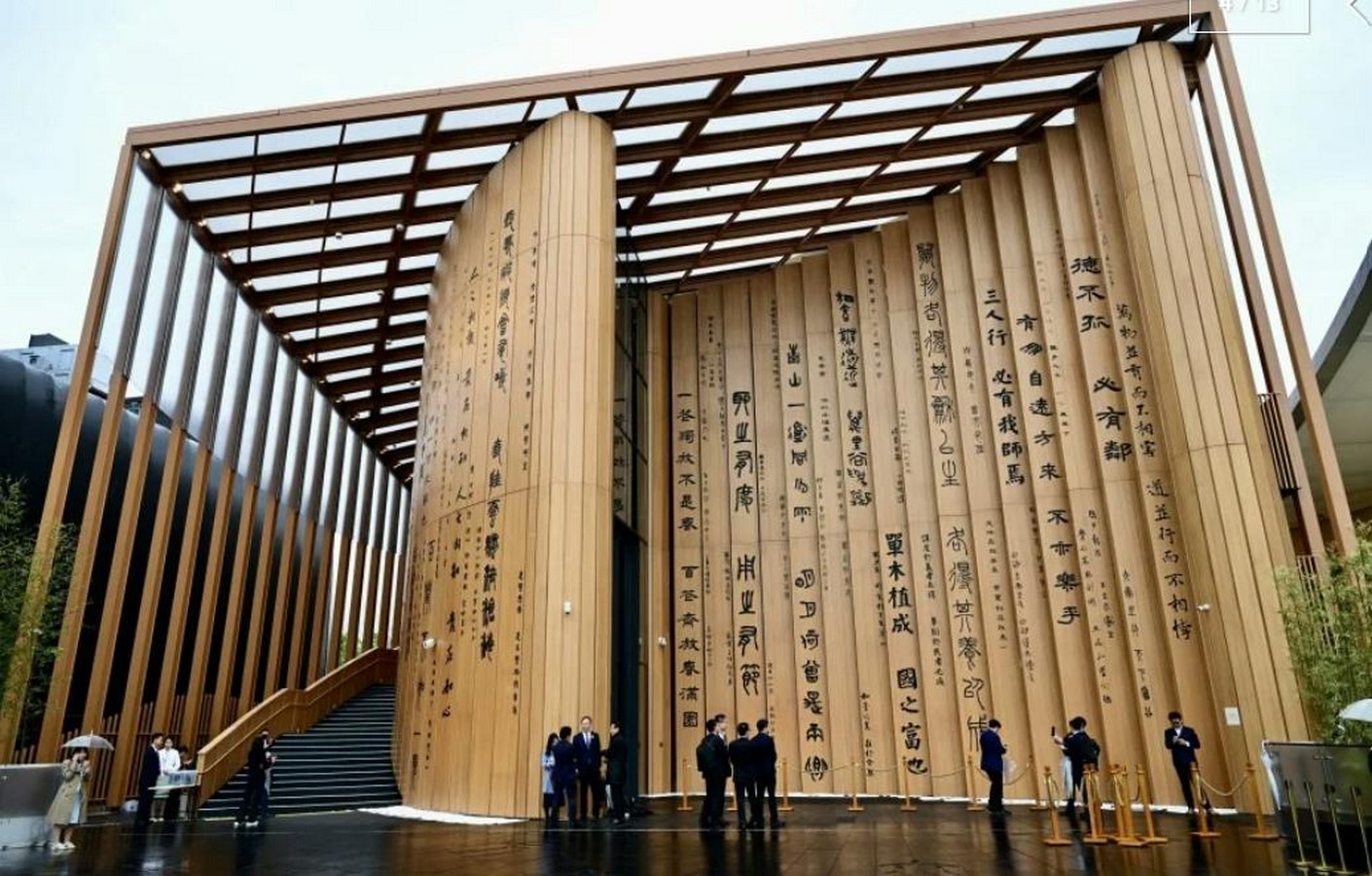
Expo 2025 Osaka’s legacy ambitions are twofold. First, to demonstrate large-scale, temporary architecture that is materially responsible and socially meaningful. Second, to channel ideas generated during the Expo into post-event uses in the city and region.
Reception has been broadly positive in architectural circles for its strong thematic alignment and ambitious use of timber. However, as with many major Expos, logistical and financial challenges emerged. Costs increased, some national pavilions faced delays, and actual visitor numbers did not fully meet early projections. Despite these issues, the overall architectural and conceptual quality of the event has been widely praised.
Why It Matters for Architecture and Urbanism
For architects, urbanists, and design researchers, Expo 2025 Osaka offers a case study in how a large-scale event can act as both a symbol and a laboratory for future-society ideas. The physical campus expresses not only spectacle but ritualised circulation through material innovation and programmatic integration linking health, connectivity, and empowerment. It challenges the conventional notion of the “world’s fair” as a fleeting showpiece by prioritising legacy, reuse, and thematic coherence.
In sum, Expo 2025 Osaka succeeded in positioning architecture not as a neutral backdrop but as an active participant in global dialogue about society, environment, and technology.
References:
Japan Association for the 2025 World Exposition. (n.d.). Japan Association for the 2025 World Exposition. https://www.expo2025.or.jp/en/
Expo 2025 Osaka Kansai. (2025). Bie-Paris.org. https://bie-paris.org/site/en/2025-osaka?view=bieexpo&layout=bieparis:expo
Osaka’s Expo 2025 comes to a close in Japan after 6-month run. (2025, October 15). South China Morning Post; In Pictures. https://www.scmp.com/photos/asia/3329093/pictures-osakas-expo-2025-comes-close-japan-after-6-month-run?page=7
Times, T. J. (2025, October 2). Osaka Expo’s Grand Ring timber to be reused for housing in Ishikawa. The Japan Times. https://www.japantimes.co.jp/news/2025/10/02/japan/expo-ring-timber-ishikawa/