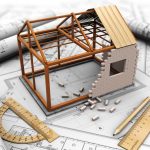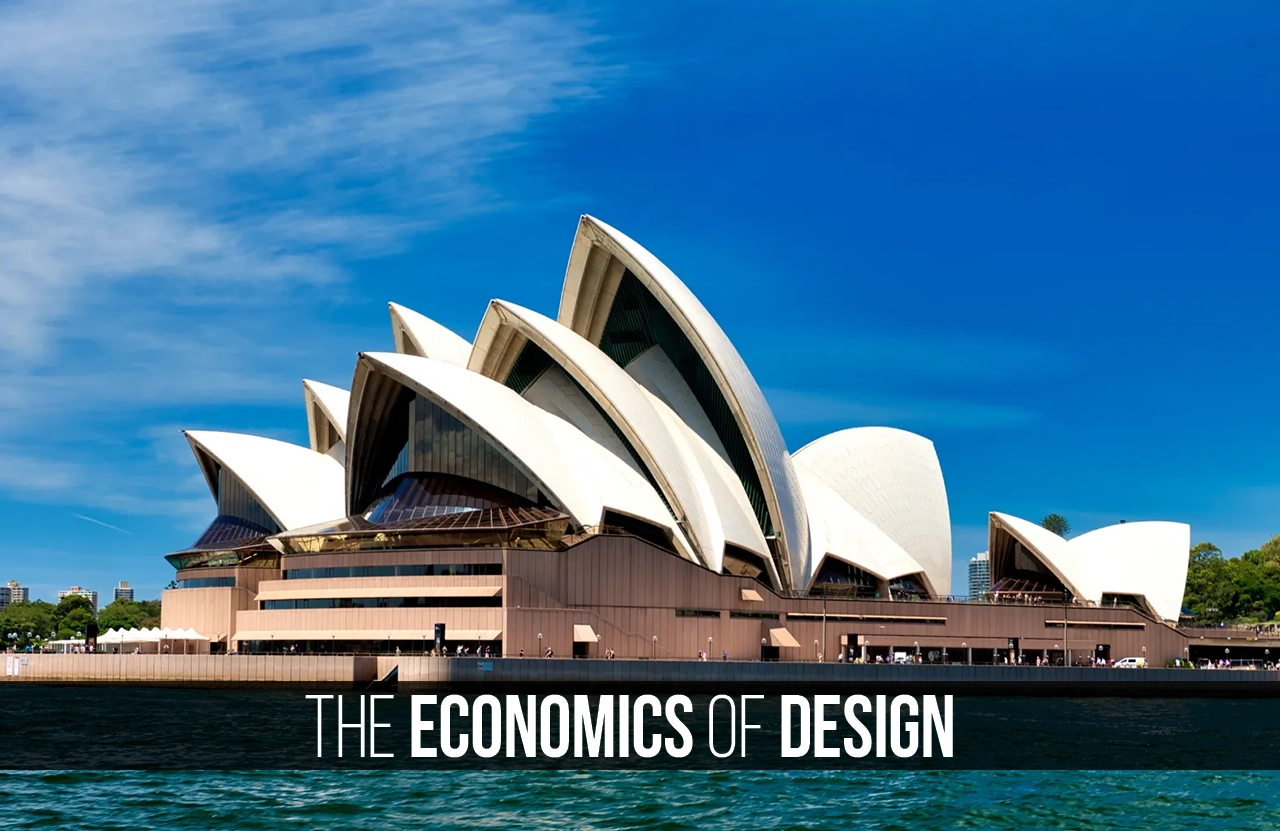
Design is a curious paradox, celebrated for its beauty, questioned for its price. While architectural marvels are celebrated for their form and scale, the financial and intellectual frameworks that make them possible remain largely unseen. Design quietly anchors every project, steering decisions on cost, longevity, and experience long before anything takes physical form. Still, society often reduces its worth to a negotiable percentage. Design is, in many ways, the invisible backbone of a project. Every decision about material, layout, or light has ripple effects on cost, usability, and sustainability long before the first brick is laid. This tension between creativity and cost defines the practice. Understanding the economics of design isn’t about limiting vision. This essay explores the often-unseen economics of design: how we price creativity, perceive worth, and why the thinking that shapes our built world deserves a more equitable system of recognition. Why is design, the invisible hand shaping cost and culture, so often undervalued?
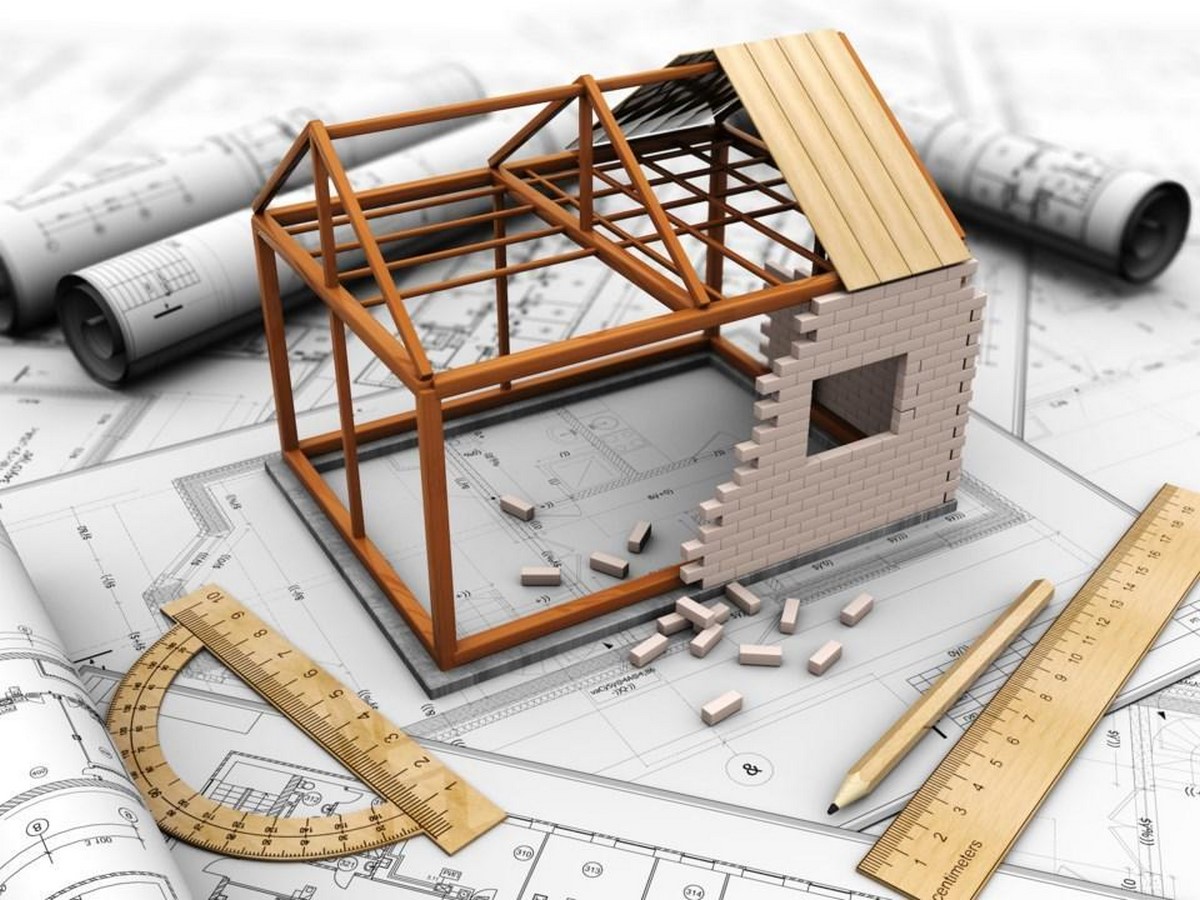
https://www.burlingtontoday.com/local-news/architects-wanted-for-citys-urban-design-advisory-panel-8512645
Structured Worth
The economics of design extend beyond materials and methods. They lie in how we value professional time and thought. Architectural fees, though standardized in principle, reveal the inconsistencies of a creative economy. The percentage-based model ties value to project cost, while the time-based model rewards process and effort. Neither is inherently perfect, but both attempt to quantify something deeply qualitative, design thinking.
Regional variations further complicate this balance: what is considered fair compensation in one city might be unviable in another. As practice evolves, the profession must question whether these long-standing structures reflect the realities of contemporary work and what an equitable upgrade might look like.
As the profession expands to include research, digital tools, and interdisciplinary collaboration, these traditional models show their age. The need for a more adaptive, transparent, and updated system of valuing design has never been more urgent. Standardized fee models may define how architects are paid, but not how their work is perceived. The real question lies in understanding why the value of design thinking still falls short against the tangibility of execution. The challenge lies in reimagining how these frameworks can evolve. Fee models must shift from being project-size dependent to being value- and outcome-driven, rewarding innovation, sustainability, efficiency, and social impact as integral metrics. Flexibility should be built in: hybrid systems that blend base rates with performance-based bonuses or milestone-linked payments can align creative effort with real-world results.
Beyond Bricks: The Hidden Economics of Design
Design, despite being the blueprint for every successful project, is often overshadowed by the tangible act of execution. Society tends to celebrate the completed buildings, finished interiors, and the materials that shape them, while the intellectual labour that informs every decision remains largely unseen. Every structural choice, spatial arrangement, material selection, or lighting decision is guided by design thinking long before construction begins. Yet this “invisible” labour is often treated as negotiable, whereas construction costs are fixed and unquestioned.
The undervaluation stems from perception: the impact of design is experiential and cumulative, not immediate or measurable in the way bricks and concrete are. Clients may undervalue design because it does not manifest physically until later, and the skill to translate vision into functionality is abstract. This gap creates tension for architects, who must balance creativity with budgets, often absorbing compromises that diminish both innovation and quality.
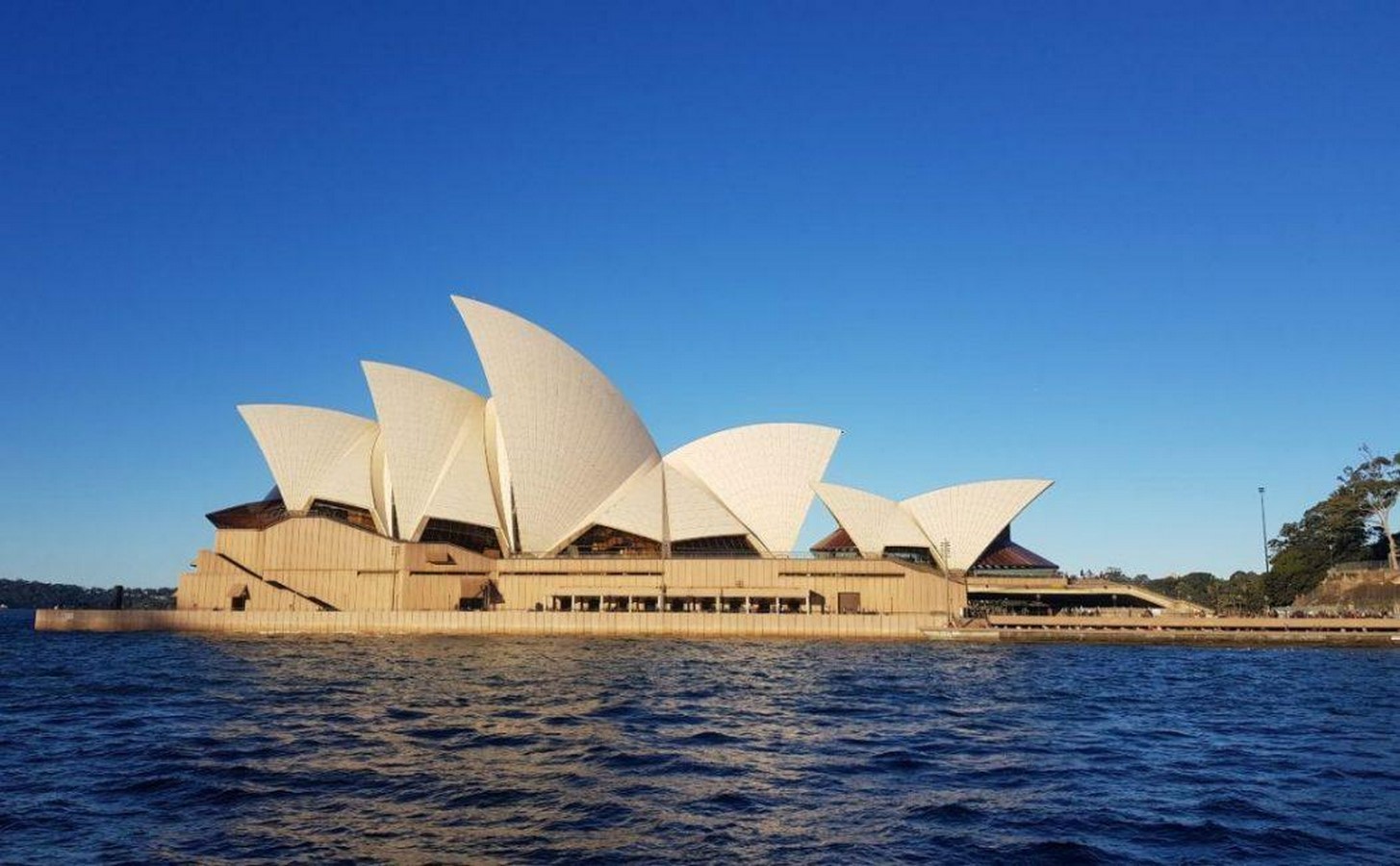
Recognizing design as an intellectual and strategic investment rather than a negotiable cost is crucial. When clients appreciate the thinking, foresight, and problem-solving embedded in every drawing, design transitions from a cost to a value-driving component, shaping not just aesthetics, but sustainability, usability, and long-term efficiency. The Sydney Opera House stands as a powerful case study in how innovation can outpace its economic framework. Initially estimated at around $7 million, the Opera House ultimately cost more than $100 million and took over a decade longer than planned. Design ambition and engineering innovation collided with economic and political realities. Though Utzon was forced to leave before completion, his design became one of the most recognizable structures in the world. It’s a case study in how creative ambition often clashes with financial oversight yet yields lasting cultural value.
Toward an Economy That Values Thinking
Design is more than an act of creation; it is an act of reasoning. Every idea drawn, debated, or detailed carries within it an economy of decisions, choices that determine efficiency, longevity, and experience. Yet, the profession continues to navigate a system that measures creativity by percentage, not by impact. To move forward, the economics of design must evolve from transactional to transformational, one that acknowledges time, thought, and foresight as measurable forms of value. When we begin to see design not as an added cost but as an intelligent investment, the conversation shifts: from negotiating fees to nurturing better outcomes, from undervaluing processes to celebrating purpose. Only then can we build an ecosystem where the worth of a drawing equals the wisdom behind it.
Perhaps the question isn’t how much design costs, but how much we lose when we don’t value it enough.