According to Newton’s law of motion, an object at rest stays at rest, and an object in motion stays in motion unless acted upon by an external force. Likewise, our lives are a blur of notifications, deadlines, and urban noise. On this exhausting trajectory, we need an external force to interrupt our motion and offer real restoration for body and soul.

While vacations have long served as a means of escape, in our present circumstances, the conventional trip—a whirlwind of crowded tourist destinations and packed itineraries—no longer fulfills our deeper needs. In contrast to this old paradigm, there is now a deep desire or longing for something more: a true getaway in which the body is renewed and, even more importantly, the soul is restored. This evolving expectation leads directly to the need for rejuvenation hubs—purpose-designed places where we can connect with nature, be present in both body and mind, and experience true peace of mind.
The Deficiencies of a Postcard Vacation
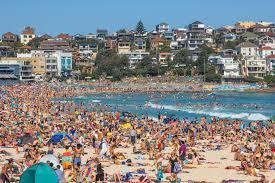
For many years, the ideal holiday has been marketed as a checklist that prioritises documentation and consumption over genuine experience. You’re expected to capture the perfect landmark photo, try a set of local foods, and fill every moment with planned activity. This mentality is reinforced by tourism infrastructure: hotels prioritise maximum occupancy and quick turnovers, while attractions funnel visitors through lines and gift shops. The industry relies on constant consumption and spectacle but often sacrifices authentic engagement with place and culture.
This outcome is paradoxical: a trip intended to facilitate rest creates its own form of stress. The stress of having to “see it all,” the stress of being in an unfamiliar crowded place, the imagined stress of feeling like you have to post your moments of enjoyment to your social media, all do not serve to reinvigorate true rest. We arrive back home with photographic evidence of our vacation, and at least on the outside, our souls feel as depleted as when we departed. Paradoxically, these spaces keep us in motion, by design. They redirect our focus outwards – distract us – while not creating the necessary space for inner reflection or true restoration. Postcard vacations create an escape from the everyday. A restorative experience is a change in the state.
Architecture as the “External Force”
A rejuvenation centre is fundamentally different because its primary design intent is not for economic productivity but rather for human flourishing. Accordingly, the architecture itself becomes the core therapeutic apparatus- the external influence that gently halts our headlong momentum, and a number of significant principles add structure to the creation of these spaces.
First and foremost is a deep and meaningful connection with nature, known as biophilic design.
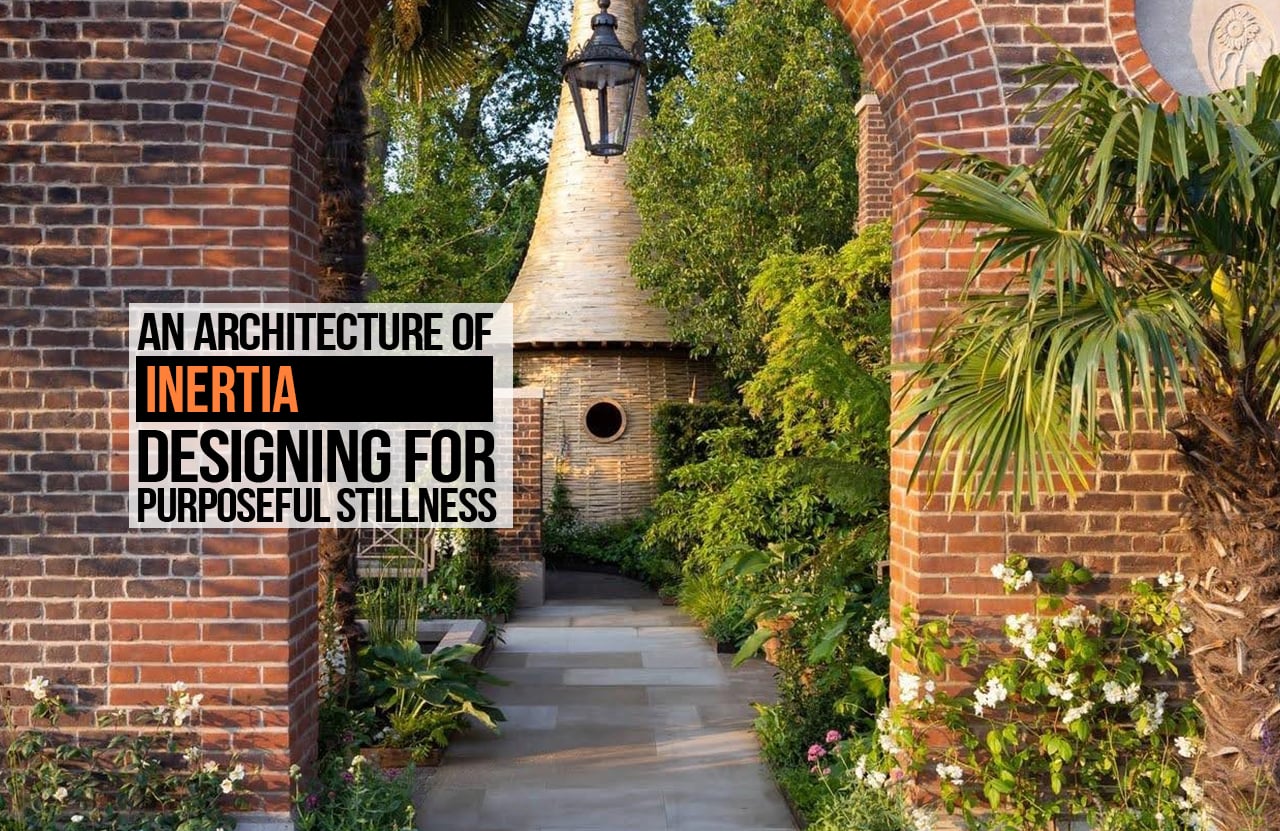
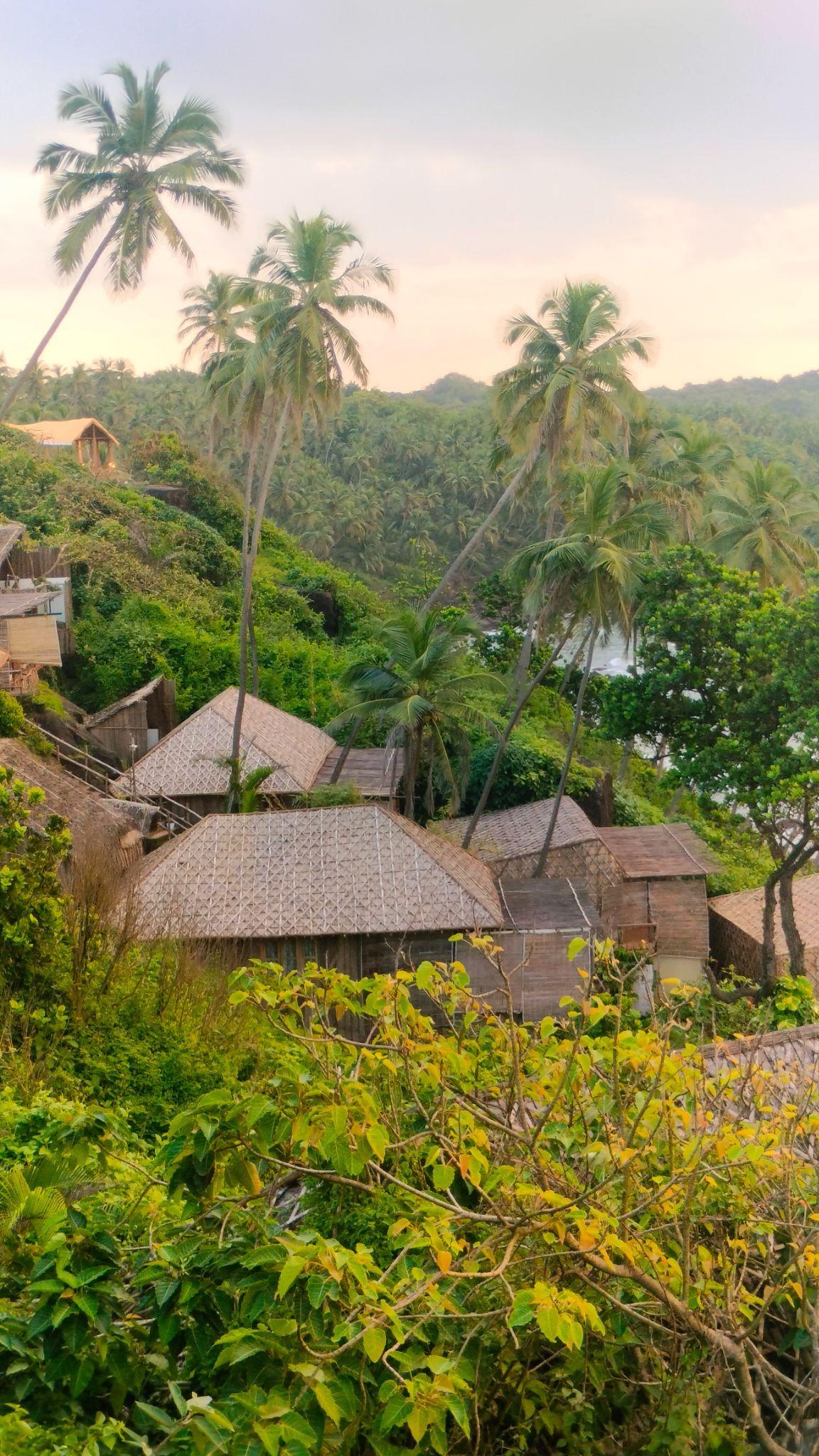
This is far more than simply placing a potted plant in a lobby or providing a room with a view; this is about both creating and erasing boundaries between inside and outside. The materials used should be natural, locally-sourced options, such as timber, stone, or rammed earth, which are of the place and appeal to the senses. Generous openings, located carefully to frame a view, can also open the space to the scents of pine, the sounds of waves, and reflected light beneath a forest canopy as part of the total experience of being in, and in transition into, architectural space.
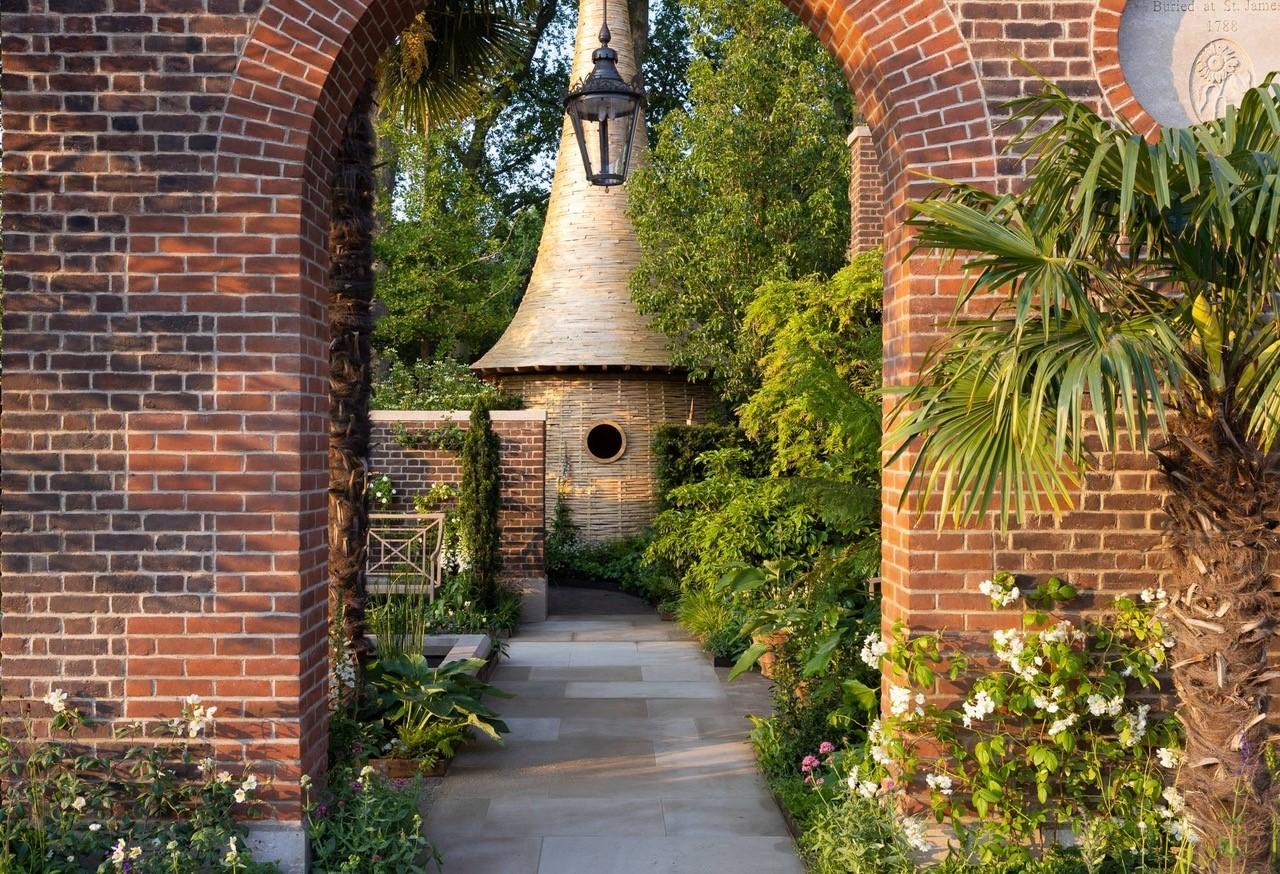
Additionally, these hubs convey a commitment to intentional minimalism. In a universe of mutable sensory input, the most radical luxury is the absence of clutter. The spaces are stripped back to their essentials, not out of deprivation, but to eliminate distractions and to provide a canvas for mindfulness. Everything, every object, every piece of furniture has a function. This philosophy of intentional simplicity calms our nervous systems and invites us to a state of presence, where we can notice the light reflecting and playing on a textured wall or the texture of a wooden floor. The architecture does not scream for our attention; it whispers for it, providing a quiet background for reflection.
The design is intended to bolster restorative practices. This includes the design of different spaces for different ways of being. A quiet meditation nook carved into a hillside provides a place of seclusion. A communal dining hall with a shared kitchen allows mindful eating and soft communal connection. Meandering pathways promote meditative, unhurried strolls. Open-air pavilions make an ideal position for yoga at dawn. These are not just amenities; they are spatially understood invitations to restorative activities for the soul.
Temporal Rhythms and Seasonal Adaptability
Restorative architecture is strong when aligned with the natural cycles and allows spaces to adapt to the time of the day or the season. Structures to catch the morning sun and energise the user at the start of the day, and capture calming breezes at the end of the day, help the user transition through the day. Awareness of the day and the built environment, and the ability to adapt sign the rhythms of the world and a user’s strong sense of place.
With the built form, the landscape also communicates time and the seasons that change the environment. Gardens with indigenous plants that bloom differently throughout the season, fruit or change colour offer a living calendar. These changes help the user track and adapt to the flow of the season.
The use of seasonal adaptability and temporal rhythm can allow centres of rejuvenation to become living environments that provide bodily ease and facilitate emotional equilibrium and spiritual communion. This responsiveness to cycles of time centres sojourners, encouraging them to understand that reprieve is part of ongoing, restorative work that is an invitation to patience, presence, and acceptance. The experience of these environments is enriched by such an understanding, as they become living sanctuaries that pulse with the rhythm of the earth.
A New Infrastructure for Well-Being
The increasing need for rejuvenation centres, for example, is not just a trend in travel, but a clear acknowledgement of a deeper need in society. The speed and pressures of contemporary life are compromising our mental, emotional, and spiritual well-being. We have recognised that we cannot live in a sustained state of perpetual motion – even if broken up with customary holidays.
These purpose-built sanctuaries offer a powerful antidote. By providing intentional spaces to disrupt the relentless pace of modern life, they introduce opportunities for genuine rest, reflection, and renewal. When architects emphasise our connection to nature, cultivate an atmosphere of gentle minimalism, and create environments fostering mindfulness, they help craft not just beautiful buildings, but healing sanctuaries. Rejuvenation hubs invite us to step away from routine motion and step into purposeful stillness—a true escape that replenishes body and spirit. As our lives grow ever busier, fostering these sanctuaries is not only desirable but essential for the long-term well-being and resilience of individuals and society.