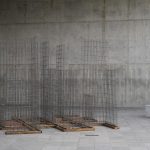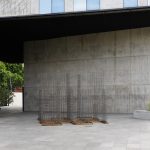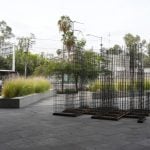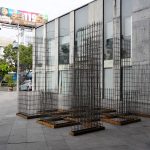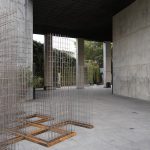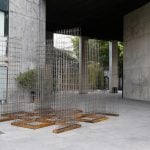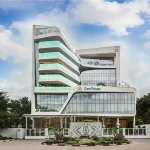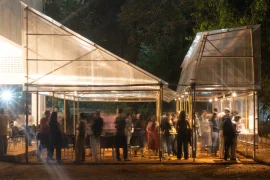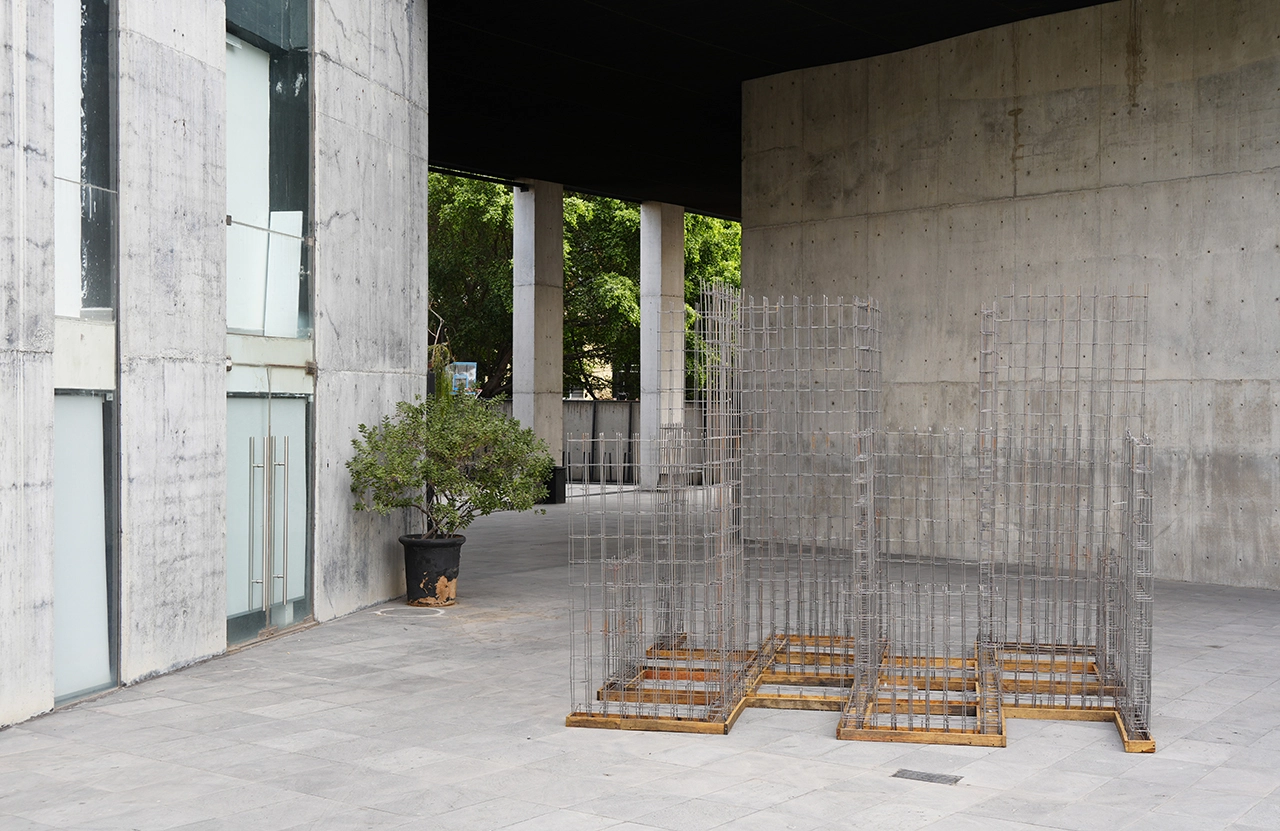
The commission called for an intervention in Plaza Xavier and Ma. Luisa Godínez, located within the Allius by Lincoln Capital building in Guadalajara, Jalisco, Mexico. Extending from the corner of Unión and Agustín Yáñez to Simón Bolívar Street, the plaza acts as a pause from the surrounding urban noise.
Project Name: Pavilion NBNN
Studio Name: HeroAzano (HE RO A + Azano Moritani)
Project location: Av Unión 601, Col Americana, Moderna, 44190 Guadalajara, JAL, MX
Completion year: 2025
Built area (m2): 16 m2
Lead Architects: Diego He Ro and Ken Azano
Photo credits: Diego He Ro
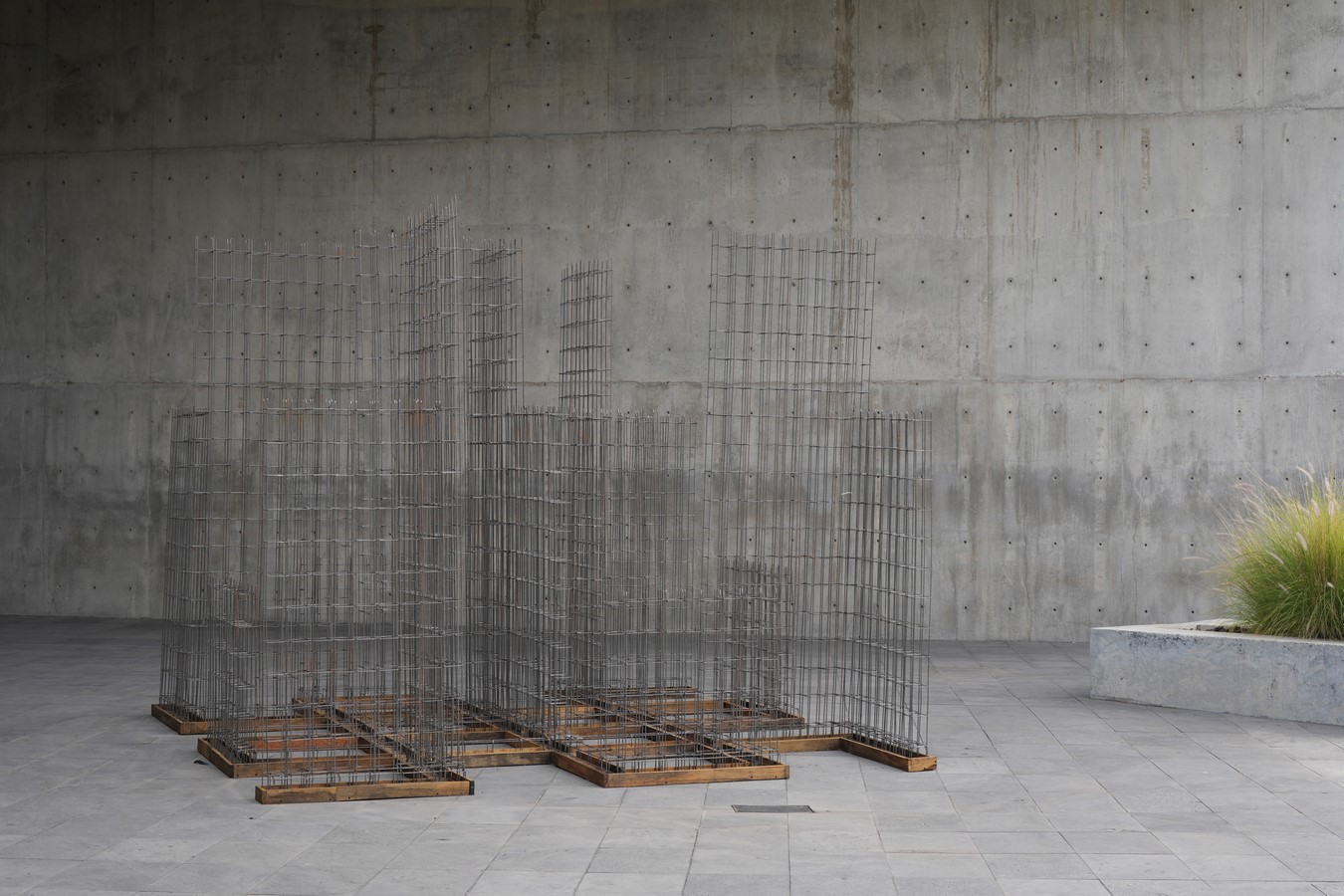
The pavilion invites passersby to experience a moment of introspection and reflection through its spatial configuration and material expression.
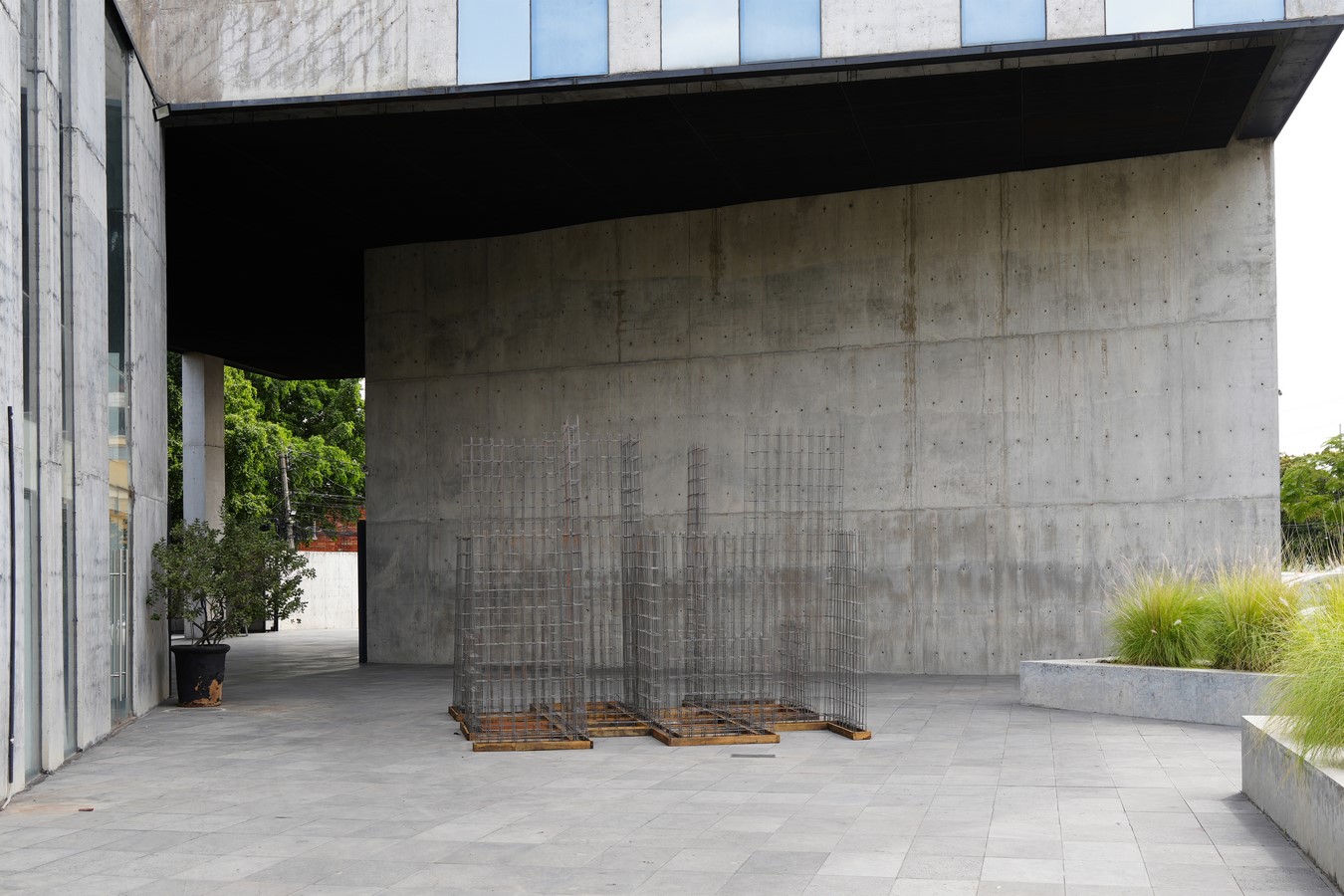
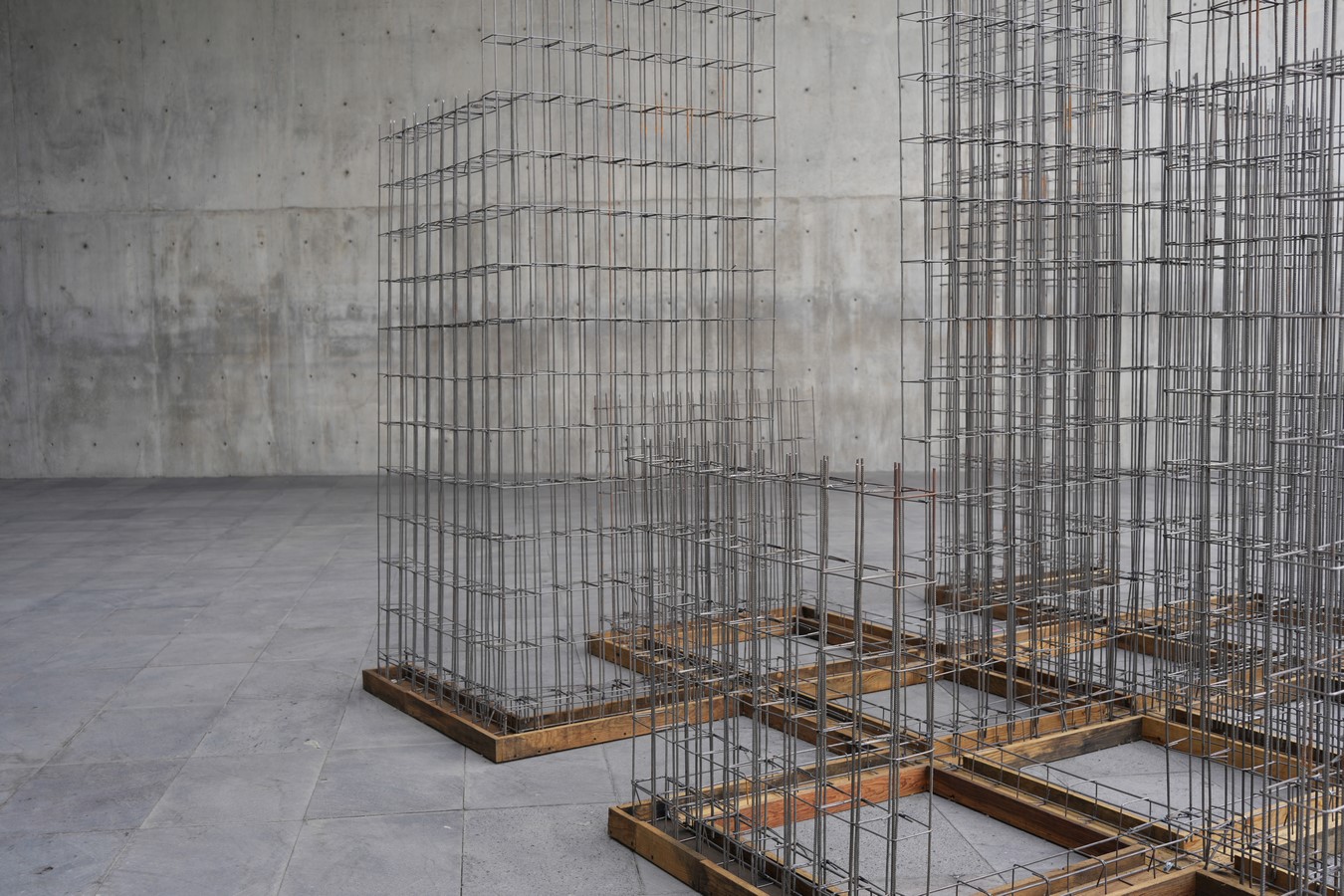
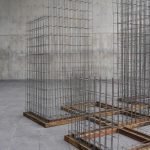
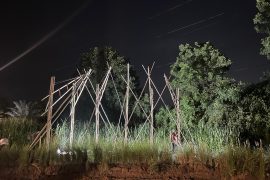
The concept of the pavilion originates from the so-called “varillas de la esperanza” a practice that consists of leaving structural elements exposed on the top level of a construction as a symbolic act, manifesting the intention to continue building when conditions allow or when a new need arises, creating a space open to change and evolution. These steel rods represent uncertainty and, at the same time, their potential by suggesting ideas such as flexibility, adaptability, and versatility.
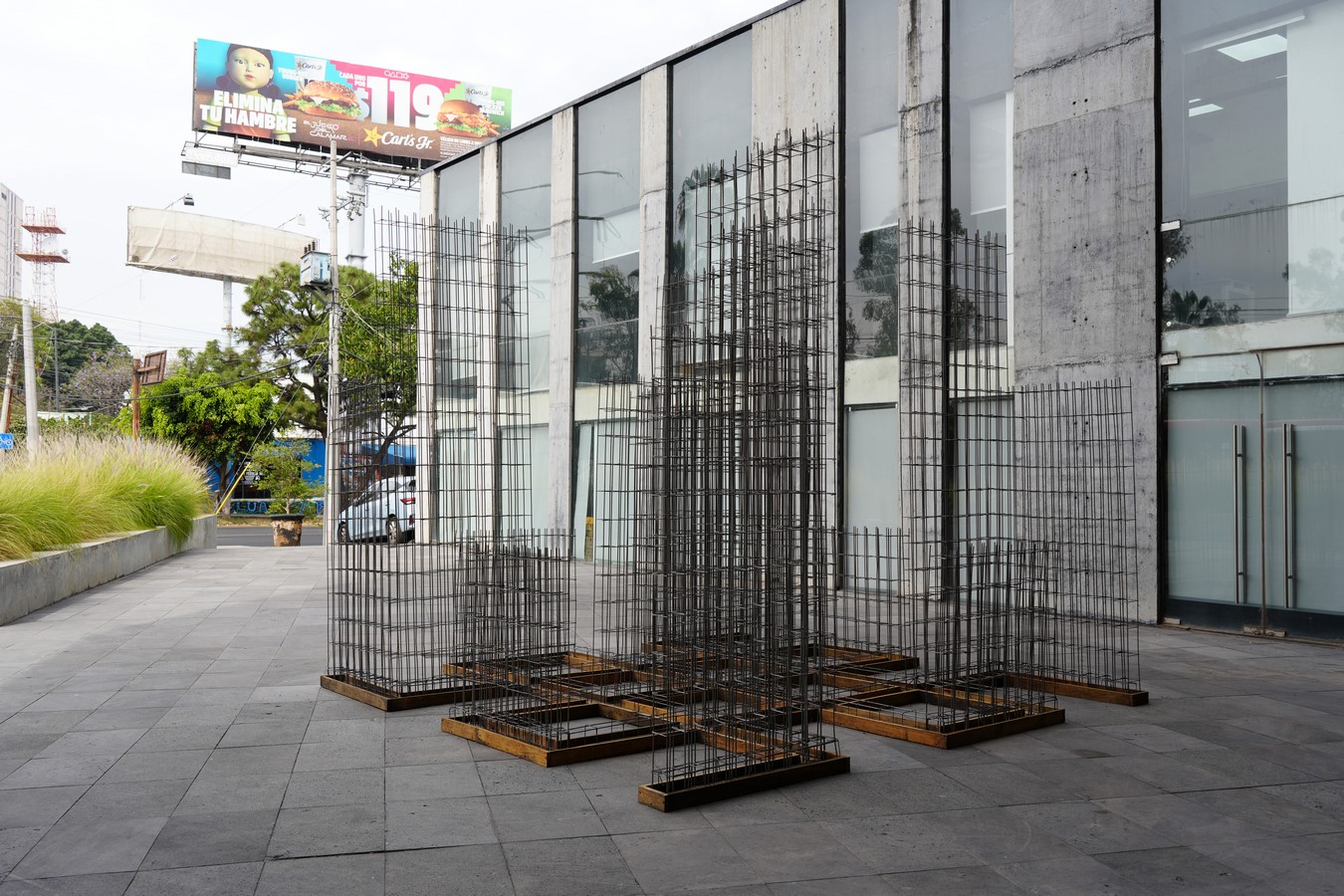
The materiality of the pavilion reinterprets these elements through a composition of walls at different heights, armed with steel rods, arranged on a base that unifies them and, through spatiality, reflects the guiding concept of the intervention. During the exhibition period, the pavilion was intended to oxidize naturally, resulting in a complete transformation of its color and materiality—an evolution aligned with the project’s conceptual narrative.
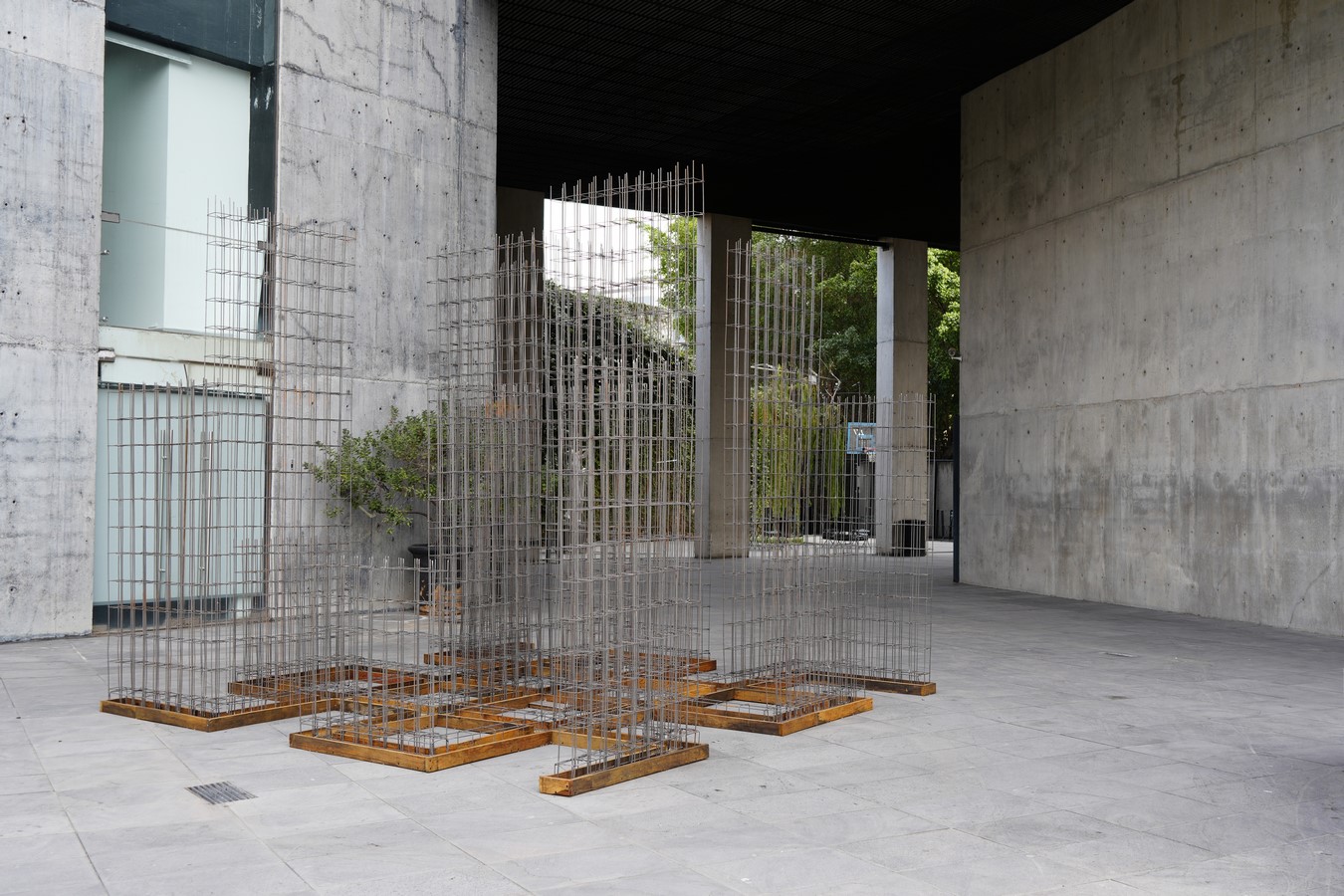
Through interaction with the pavilion, reflection takes place—the user confronts the duality between the unfinished and the possible, the uncertain and the promising. A dialogue unfolds in two moments: first, as an invitation to step into the undefined and find opportunity within it; and second, as the moment when awareness transforms that possibility into a response to continuous transformation.