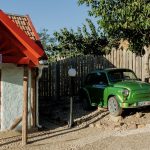
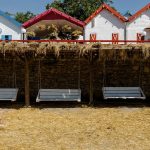
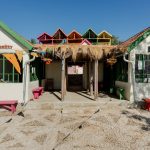
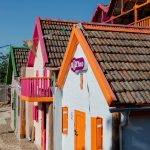
Just forty minutes from Chisinau, in the quiet village of Pohrebea, lies a place that looks as though it belongs to the screen rather than real life. This is The City of Goats “Kozy” — a fantastic settlement of brightly painted houses where goats are the true inhabitants and people arrive only as guests.
Project Name: The City of Goats Kozy
Studio Name: LH47
Location: Pohrebea village, Moldova
Project status: Completed
Total site area: 3,000 sq m
Project team: Serghei Mirza, Nikolai Grozdev, Vladislav Petrika, Maria Shova, Vadim Fonariuc, Alexandrina Postolachi
Photos: George Omen
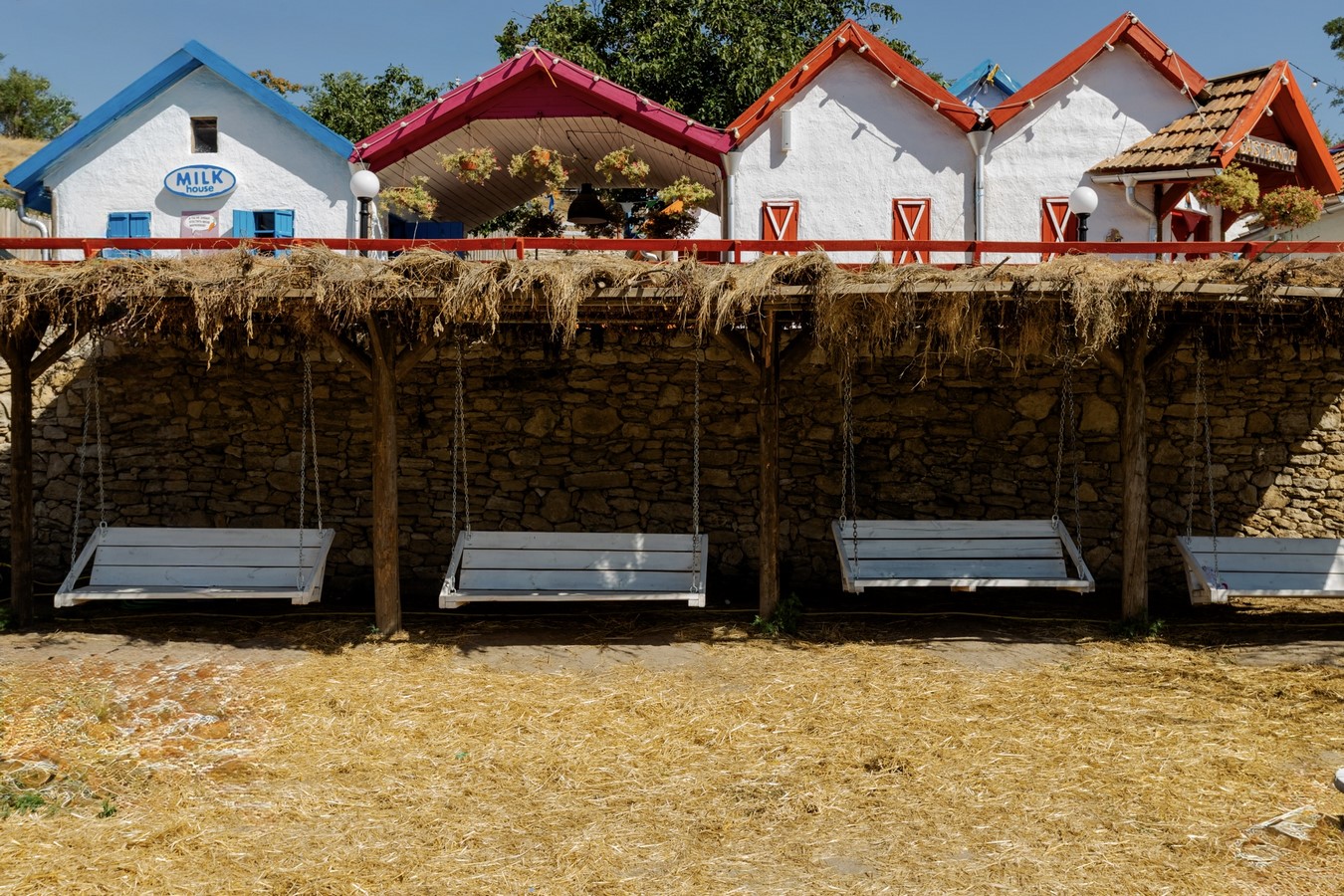
Created by Moldova’s leading architecture studio LH47 ARCH, the project is equal parts tourist attraction, sustainable experiment, and a living embodiment of the global aesthetic phenomenon known as “Accidentally Wes Anderson.”
The nod to Wes Anderson is intentional. His unmistakable visual language — carefully chosen color palettes, formal symmetry, playful yet precise architecture — shaped every detail of Kozy. Like his films, the village walks the line between fantasy and reality. Each street corner seems composed like a frame from a movie: aligned, balanced, and saturated with character. Unlike a single photo capturing a fleeting “Accidentally Wes Anderson” moment, Kozy sprawls into a place where the aesthetic is fully inhabited — whimsical, curated, and joyfully surreal.
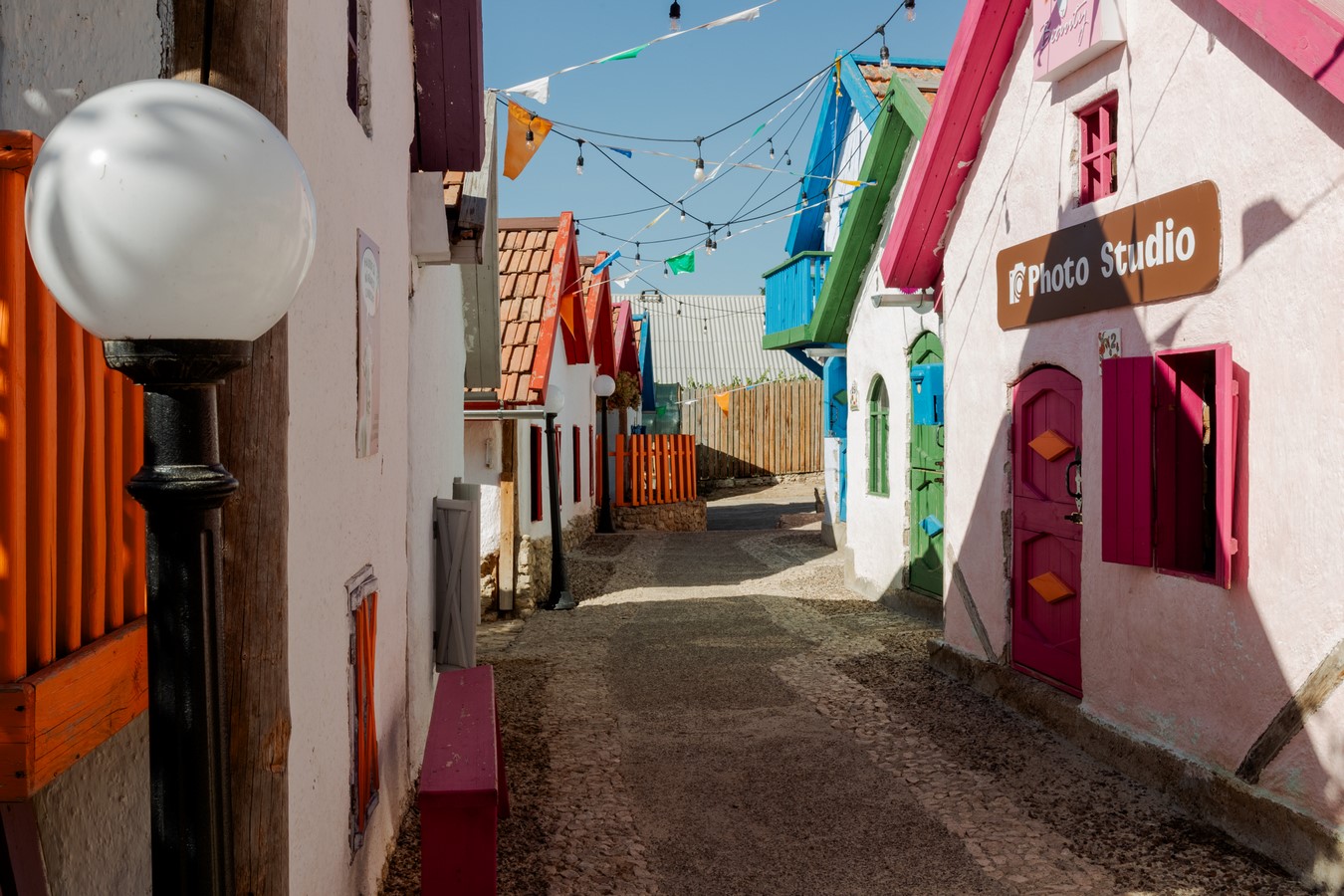
Central to the project is its architecture. The cottages where goats live were all built from natural and recovered materials: straw walls coated with lime and clay, roofs capped with old terracotta tiles reclaimed from nearby villages, and timber and stone salvaged from dismantled structures given a second life. By building with what already existed, LH47 created a community that is as environmentally responsible as it is imaginative — a true example of zero‑waste design wrapped inside a playful narrative.
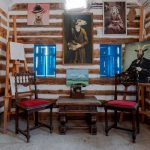
Wandering through Kozy, visitors find themselves in what feels like a miniature town. There is a Town Hall, a police outpost, a tourist office, and even a grocery shop where food for residents is bought with the city’s own currency, Kozy Coin. A small art gallery surprises guests with famous paintings reinterpreted with goats — the “Kozy Lisa” quickly became a local icon — while on the outskirts a parody casino, the “Kozy‑no,” invites bets on which goat might yield the most milk.
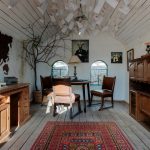
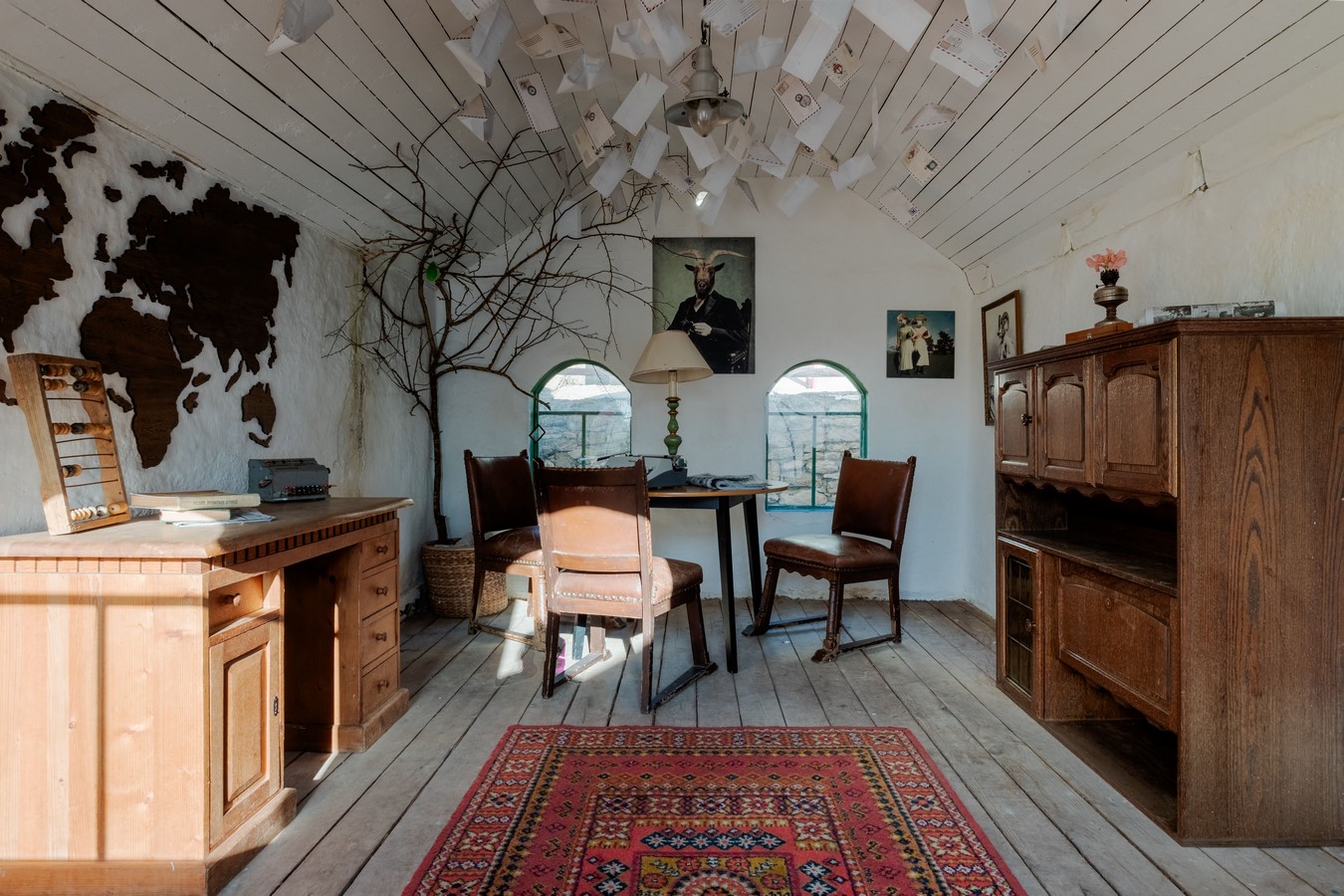
Perhaps the most striking element of the concept is its inversion of roles. In Kozy, goats live in welcoming homes with chandeliers, books, globes, and shelves glimpsed through their windows. Humans, by contrast, stay not in the cottages but in glamping tents pitched on a nearby hillside. These tents, equipped with modern comforts, offer sweeping views across the settlement and sunsets over the Dniester River. It is a deliberate role reversal: a utopia where animals are permanent citizens while humans are transitory guests.
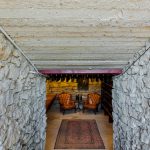
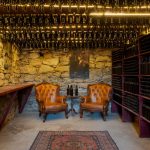
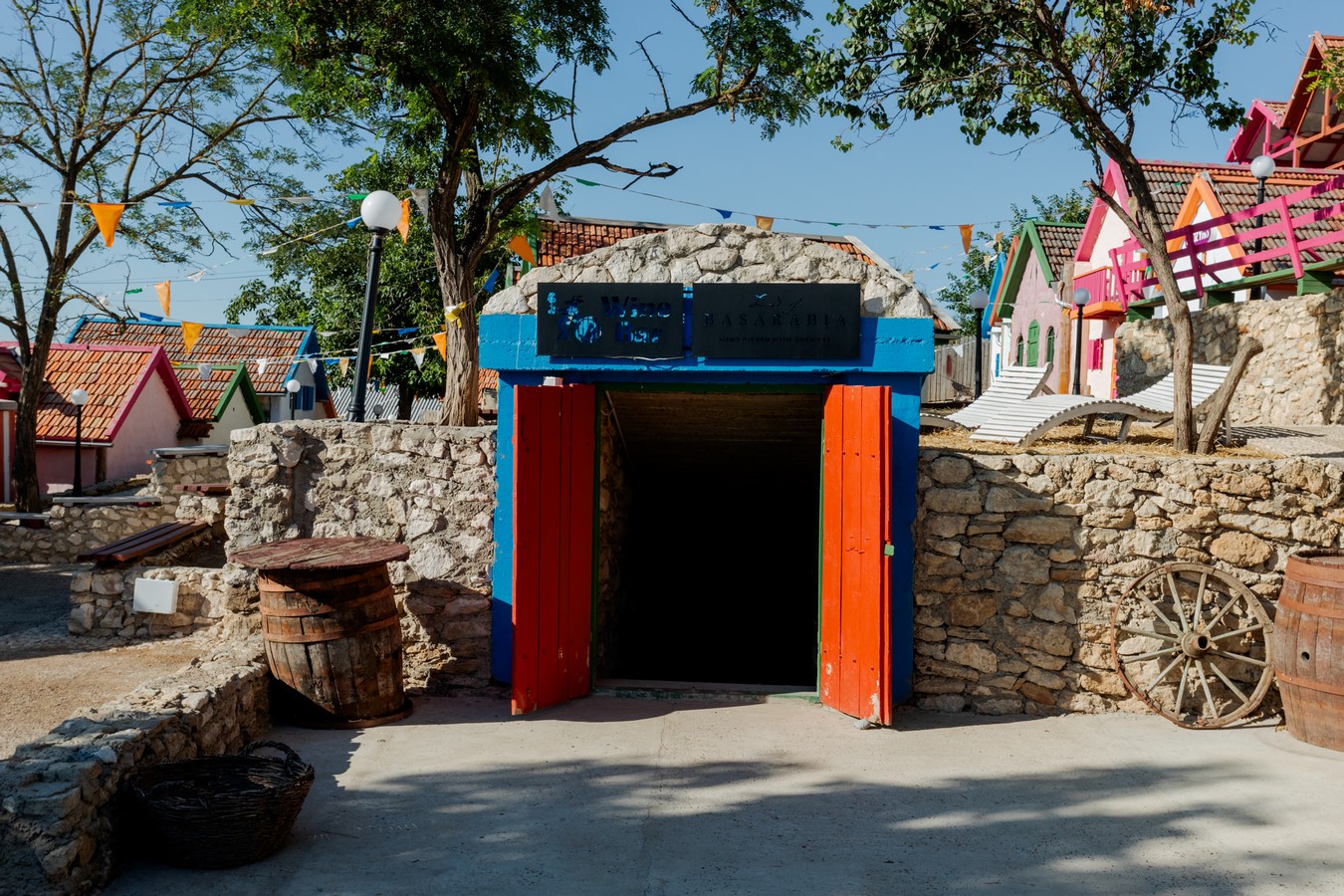
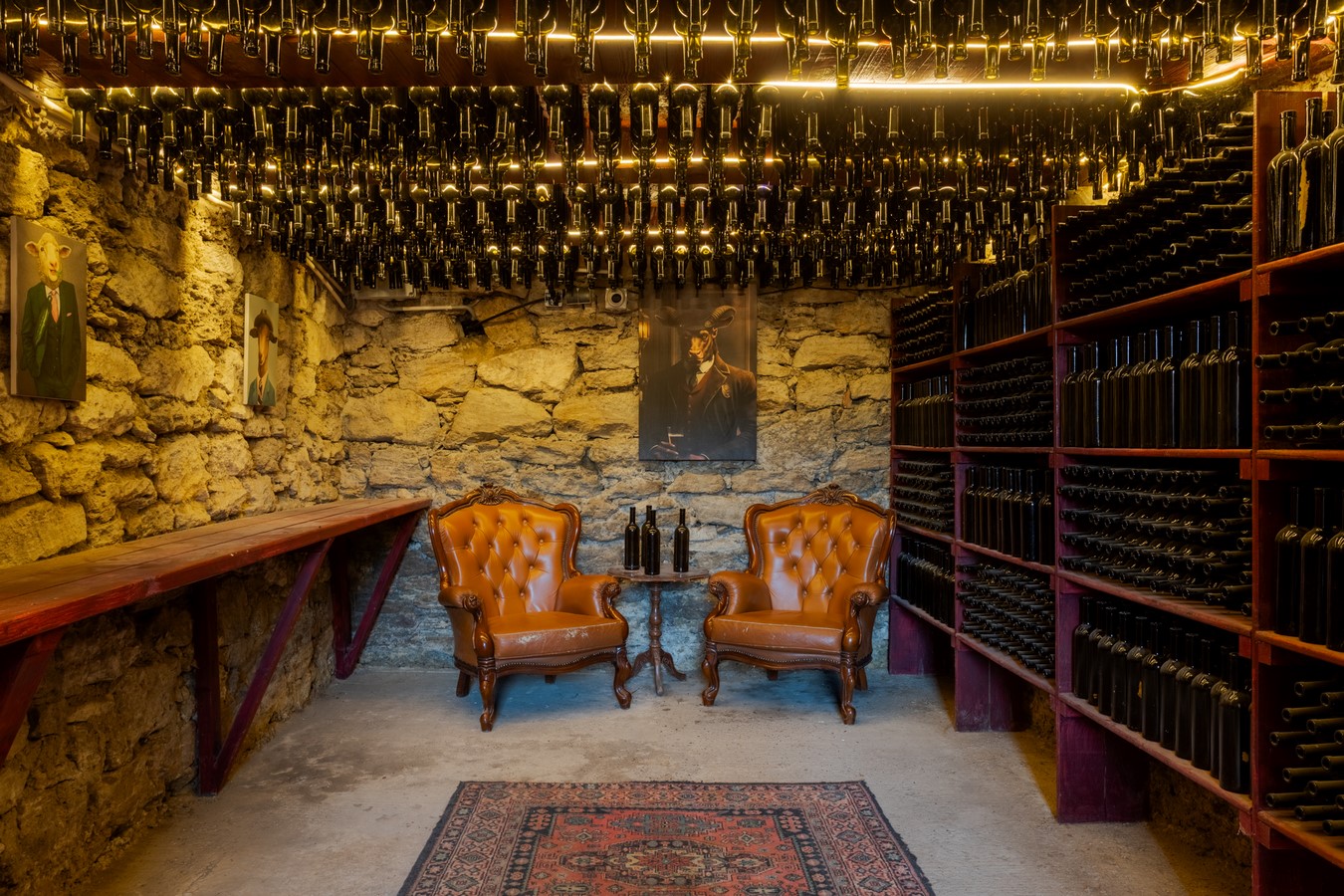
But Kozy is more than playful spectacle. Visitors can feed young goats in the petting area, sample Moldovan wines in the cellar, or dine in its on‑site restaurant. Moments of comedy mix with genuine therapy — a goat may casually climb into a visitor’s lap, reminding them who really owns the place. The atmosphere shifts constantly between entertainment, relaxation, and architectural discovery.
The project has also brought tangible benefits to the community. From just two local workers involved at the start, Kozy has grown to employ dozens of residents of Pohrebea and nearby villages. Within weeks of its launch, it became one of the country’s most talked-about attractions. Its originality has already sparked interest abroad, with potential adaptations being considered in Spain, Romania, Poland, and Georgia.
“We combined goat therapy with architecture,” says Serghei Mirza, founder of LH47 ARCH and co‑founder of Kozy. “It’s neither farm nor zoo. It’s a place where you step into the world of animals. When the roles are reversed, your entire idea of architecture changes.”
In the end, The City of Goats “Kozy” amounts to much more than a tourist stop. It has become a cultural experiment stitched together with humor, sustainability, and careful design. Like a Wes Anderson story come to life, it finds a delicate balance between nostalgia and invention, sincerity and play. And for anyone enchanted by the Accidentally Wes Anderson aesthetic, Kozy offers the rare chance to not only capture that spirit in a photo — but to walk through it, inhabit it, and live inside its enchanted frame.