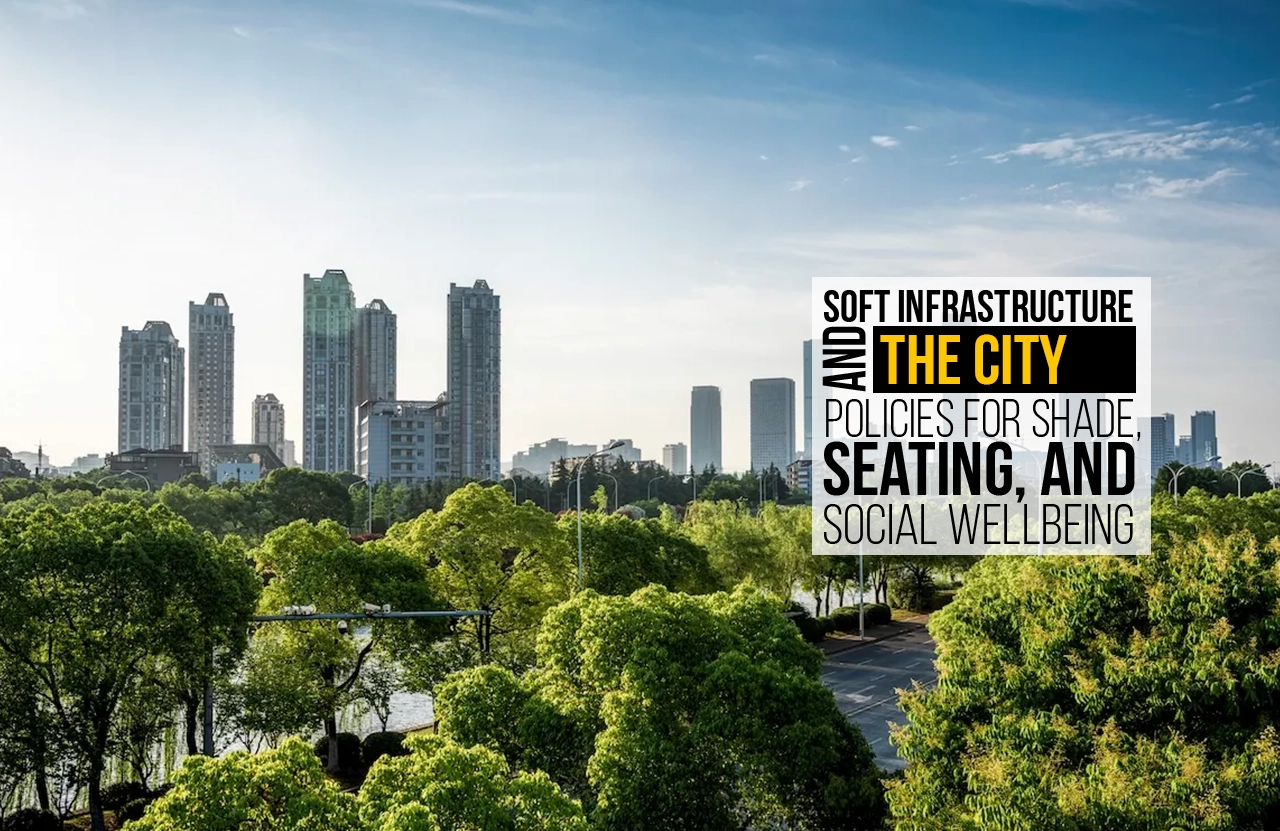
Bricks may build walls, but it’s trust, tradition, and togetherness that build neighborhoods. With the development of the city, urban design is no longer only a space for highways and high rises but also about creating space that heals, connects, and sustains us. This transition has been possible because of the social, cultural, ecological, and institutional systems that keep communities strong and cities adaptable. The public spaces like parks, playgrounds, roads, and footpaths not only occupy gaps between buildings, but also where life unfolds and interactions take place among people, where children play, and where life happens. However, many were not designed to consider today’s challenges, in particular, the ever-increasing heat and climate extremes. With the addition of simple but powerful features, like the provision of seating, shade, and inclusive institutions, communities can come together, people’s health and livelihoods are supported, and most importantly, the community’s social fabric is strengthened.
What is Soft Infrastructure?
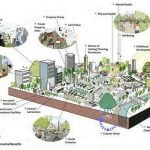
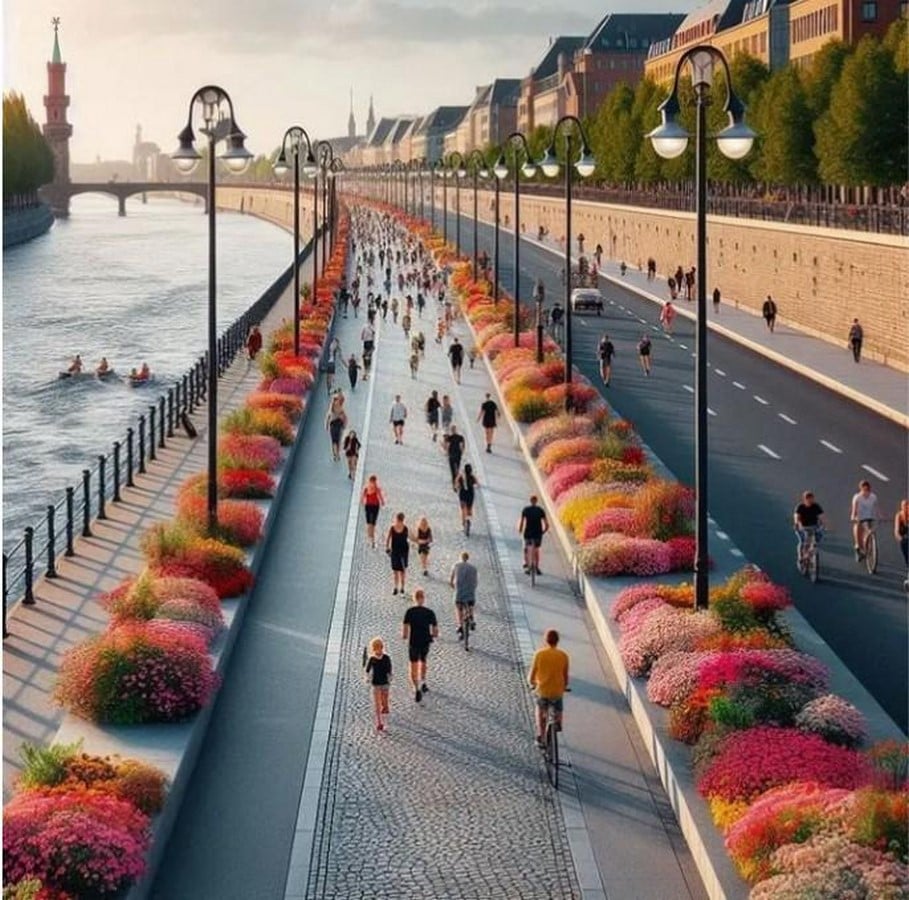
Soft infrastructure is the intangible institutions and systems that allow a city to operate, be habitable, and economically resilient. It relies on human capital and service-oriented systems such as public amenities, shaded structures, seating, and city parks that ensure comfort and accessibility; institutional systems such as education, health care, financial services, law and order, and social security that guarantee stability and welfare; and social and cultural networks that encourage cooperation through civic groups and communal activity. They also include green infrastructure such as vegetation and wetlands that counteract climate change and contribute to beauty, as well as digital infrastructure such as free internet, real-time applications, data platforms, and public warning systems. Governance tools such as budgeting public workshops foster trust and encourage people’s engagement, while supporting markets, creative spaces and increasing economic resilience. Combining physical infrastructure with institutional frameworks, soft infrastructure focuses on human welfare, economic growth, and gradually transforming urban planning into a people – centric model.
Why Soft Infrastructure Matters
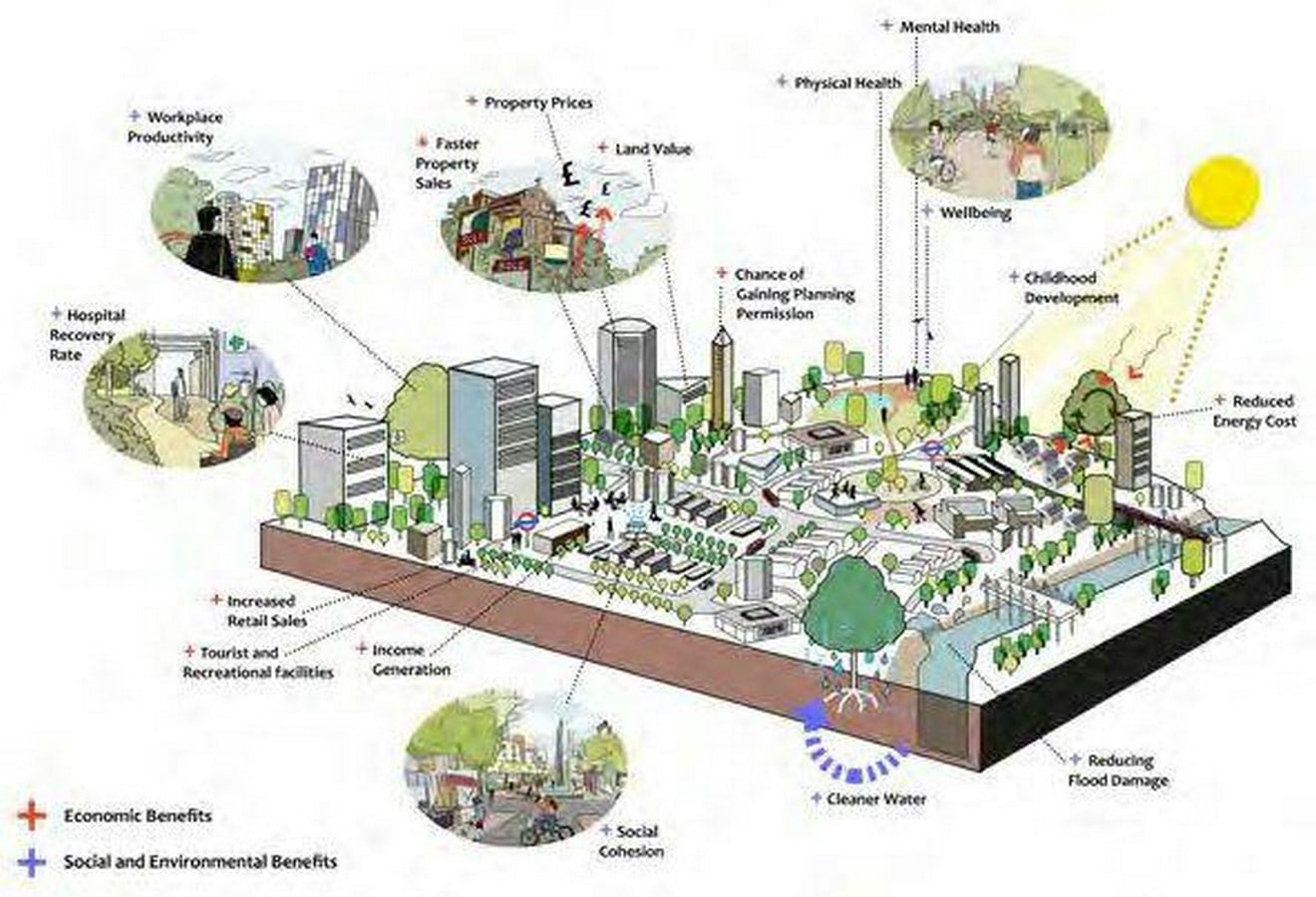
Soft infrastructure is reshaping our cities by paying closer attention to people, their wellbeing, relationships, and everyday needs. Today’s cities are developing with a more human-centered approach by creating spaces and systems that support mental health, encourage social connections, and make it easier to live healthier lives through spaces designed for things like walking, cycling, or spending time outdoors. Institutions like schools, hospitals, and other buildings also form an important part of this soft structure as it gives the community the foundation to grow and thrive. Preparing cities for climate change is important to improve urban livability. Planting trees and creating green space can reduce surface temperature by up to 20°C and UV exposure by 60–90%, protecting people from heat and skin cancer, as seen in some cases like Victoria’s shade initiatives and Australia’s response to its high skin cancer incidence. Cities need both digital and physical infrastructure. Public Wifi and other digital access help people stay connected, work and access essential and emergency services, which are very much needed in today’s time. Who makes the decisions and who in the community has their voice when it comes to planning is also a key factor. As the participation grows, trust grows, and cities better reflect the needs and aspirations of the people who live there. Soft infrastructure also has a great influence on our livelihood as it provides opportunities to earn, trade, and participate in local economies. Mainly, soft infrastructure is about inclusivity, ensuring everyone takes part in social life, connects with friends through the courtyard and shaded space, finds support through local institutions, etc.
Policies for Soft Infrastructure
In order to create sustainable and habitable cities, we need thoughtful, comprehensive policies that put the everyday life of people first. We need to design a space that has shade, a place where people can go, and where they can meet and grow. Mainly for hot climates where it is difficult to deal with too much heat and harmful UV radiation, soft infrastructures cannot be ignored.
To build healthier, more resilient cities, soft infrastructure is a useful key. We can make cities cooler by adding tree canopies and incorporating shades into pedestrian ways when paired with durable, UV-protective materials. Green roof and vertical garden incentives also create more sustainable design and cooler spaces. Public spaces—like streets and plazas—must be people-first in their design and activated through cultural and social programming. Seating facilities need to be arranged in such a way that it is accessible and comfortable for everyone. These spaces not only protect health but also provide socialization and permit people to enhance the economy.
Institutions and public buildings do as well, since investing in education and health improves the lives of people and saves them in the long run. Public Wi-Fi and real-time information system upgrades improve connectivity, mobility, safety, and services. The government must also guide and establish rules and regulations, engage residents in planning and budgeting, and work to create inclusive and community-oriented results.
Challenges and Solutions
Implementation of soft infrastructure is not easy when there are budget constraints in cities for urgent demands like roads, housing, and transport. Projects like shade structures, benches, parks, and even other vital projects like education and healthcare are struggling to get the funding they need. Moreover, maintaining green spaces and public amenities can be challenging for cities with limited resources.
When there is a will, there is a way. Partnership between public and private shows how businesses and government can work together to invest in parks, shade, and digital tools. Another important thing is public participation, where residents help to shape projects through participatory budgeting or volunteer work. This makes projects more relevant, and everyone is encouraged to maintain and preserve the structures that were built. With the partnership with the locals, collecting data, proper public participation, cities can be designed with more sustainable strategies and practical spaces for soft infrastructure that enhances human well-being, builds resilience, and boosts the local economy.
Reference:
- https://medium.com/@chinahazi/the-rise-of-soft-infrastructure-in-city-design-f66d5cc6fa53
- https://www.emerald.com/jurdp/article-abstract/172/6/219/408455/Framework-for-soft-and-hard-city-infrastructures?redirectedFrom=fulltext
- https://www.sunsmart.com.au/advice-for/local-government
- https://www.health.qld.gov.au/__data/assets/pdf_file/0020/422264/20267.pdf
- https://se.pinterest.com/pin/432134526765698122/
- https://pznews.net/urban-planning-and-environmental-sustainability/