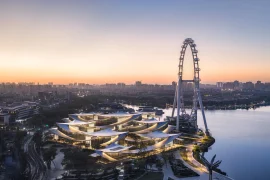
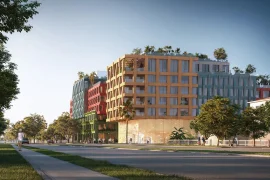
The Albania’s Pavilion at the 2025 Venice Architecture Biennale, titled “Building Architecture Culture,” examines how the country’s architecture reflects political changes, cultural changes, and evolution. Each period leaves its mark on the cities and public spaces. Thus, the pavilion brings together these layers, framing architecture as a record of history and as a tool to shape civic identity.
The exhibition unfolds across three parts: past, present, and future.
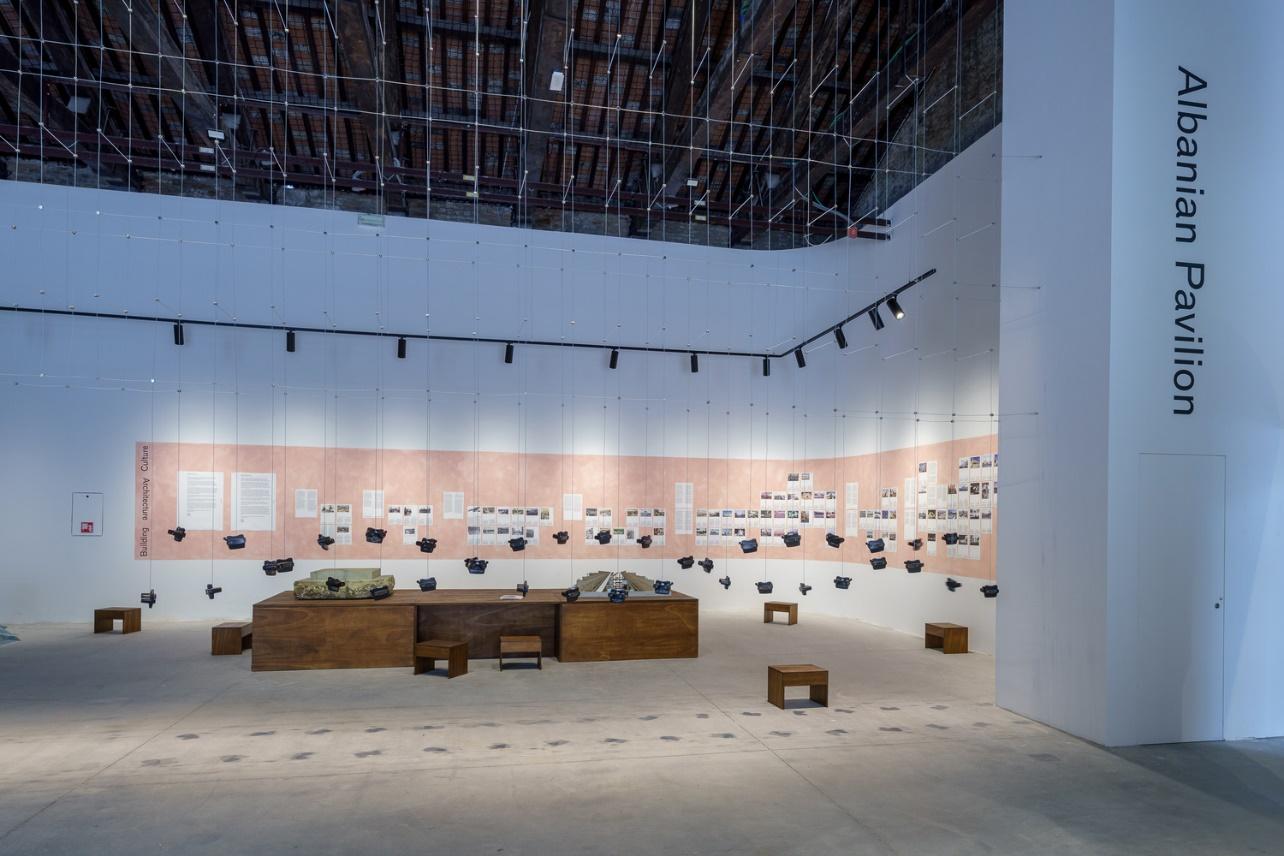
Past: Historic Transformations
Two places in Tirana anchor the historical narrative. Skanderbeg Square, a stage for the state authority, was reshaped over time, more recently in 2017 by the Belgian office 51N4E. Its redesign turned the square into a pedestrian space using local materials and vegetation, changing its role from the political monument to the civic centre.
The Pyramid of Tirana, built in 1988 to honour former dictator Enver Hoxha, has been repurposed into a technology and learning centre for young people by MVRDV, preserving its concrete form while opening it to the public.
Present: The Albanian Calls
The second section introduces The Albanian Calls, a video essay by Anneke Abhelakh and Konstanty Konopinski. Blending archival footage with interviews from more than 30 architects working in Albania, it highlights the challenges of practice, the tension between public and private interests and the role of the profession in the formation of national identity.
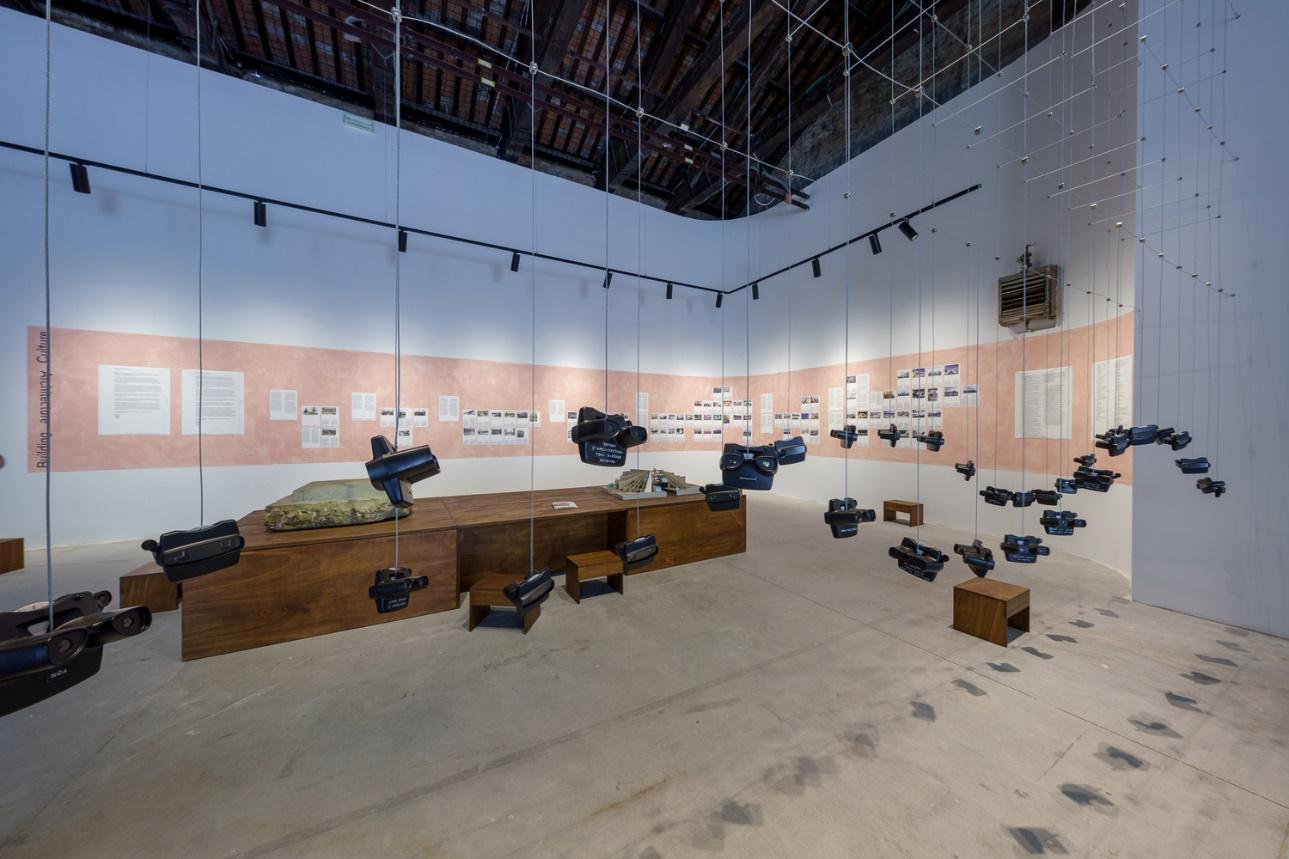
Future: Stereoscopic Viewers
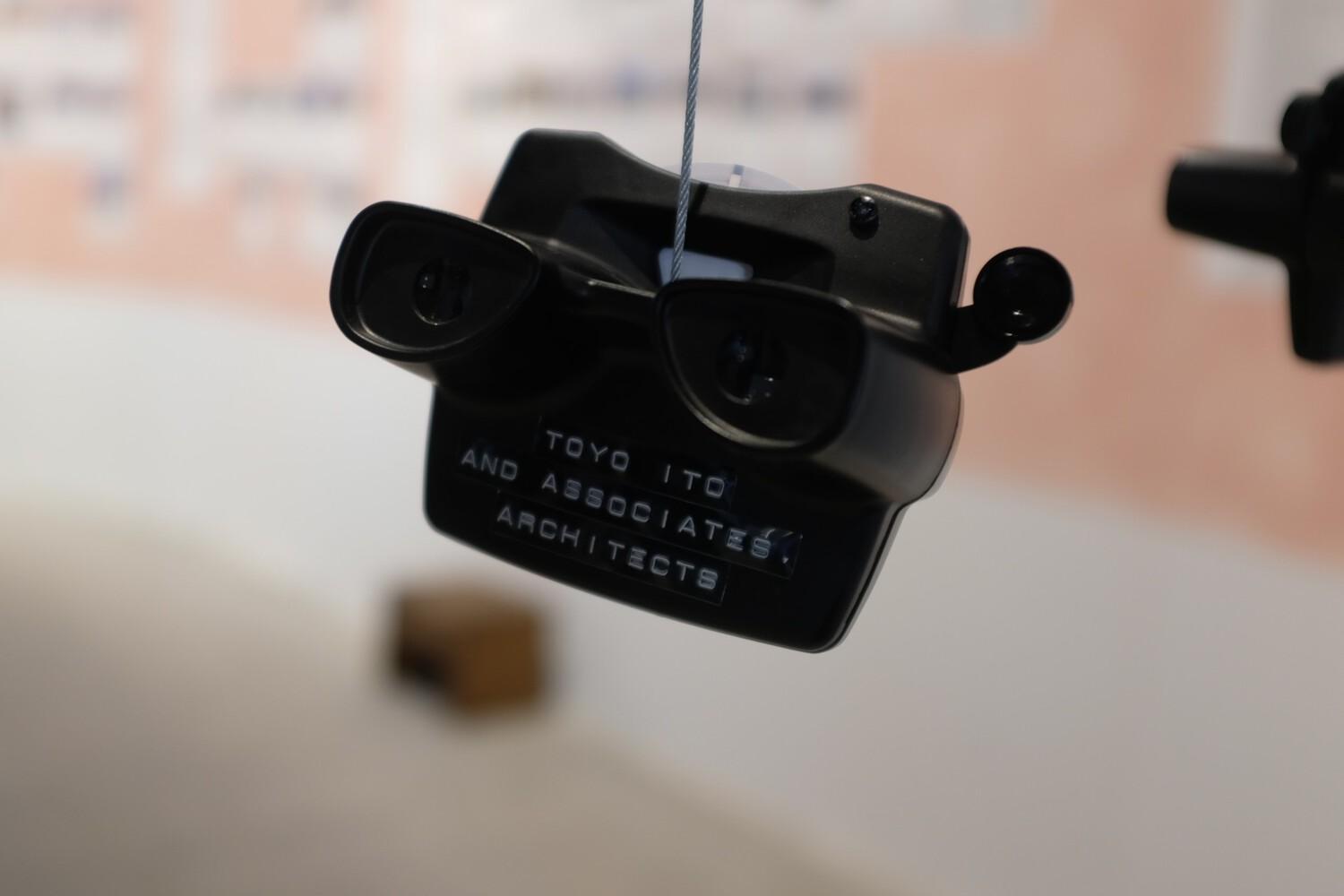
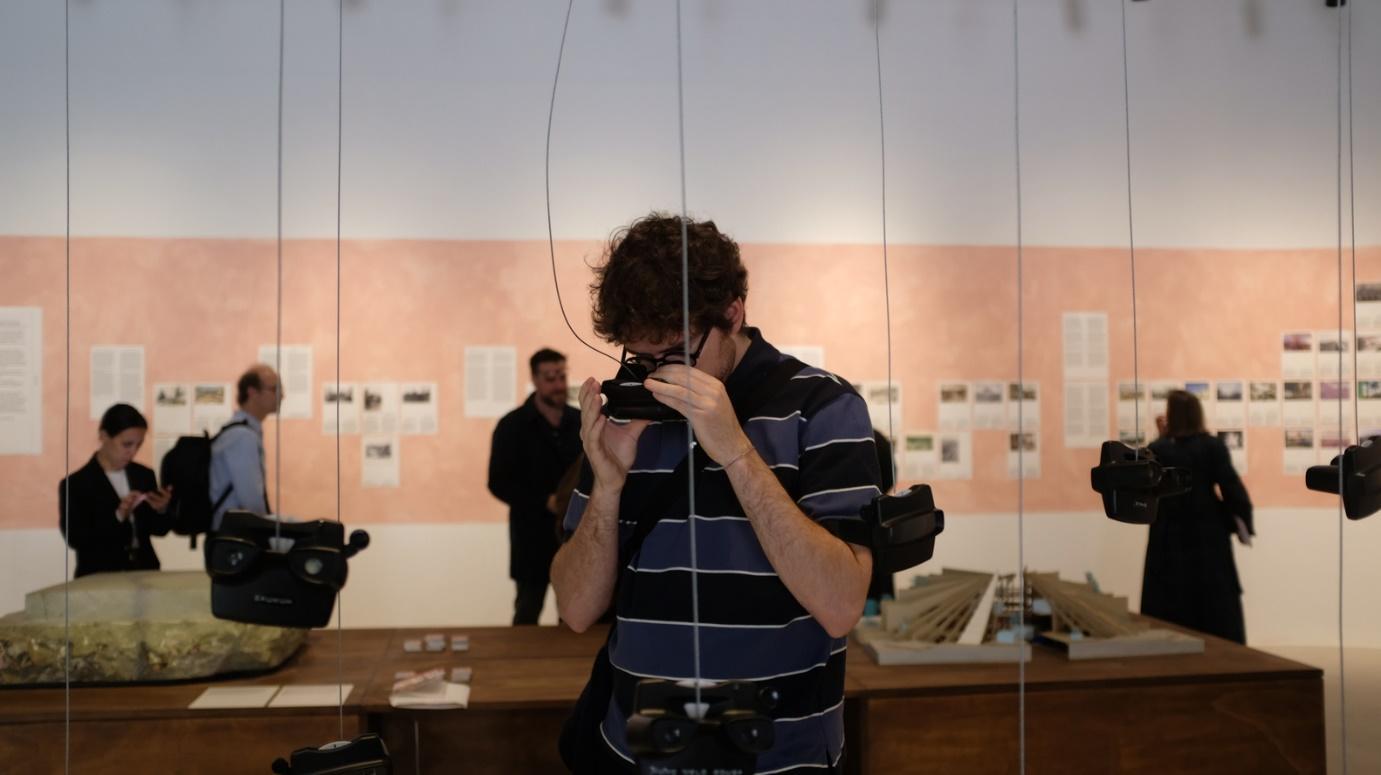
The final part shows proposals from 56 architecture offices, presented through stereoscopic viewers. Contributions include Álvaro Siza, Aires Mateus, Herzog & de Meuron, BIG, OMA, OODA, and MVRDV. These projects combine speculative urbanism with political awareness, imagining new possibilities for future cities in Albania.
Beyond the Exhibition
The pavilion also extends its conversations through podcasts and discussions, addressing topics such as freedom in post-dictatorial society and the roles of local and foreign architects.
Running until 23 November, the 2025 Venice Biennale features 65 national pavilions and more than 300 contributions from 750 participants worldwide.
By balancing historical reflection, contemporary practice and prospective ideas, the architecture of the Albanian Pavilion as a testament and agent of change in the country’s story of evolution.
References:
ArchDaily (2025) Albania Pavilion explores the intersections of architecture, history, and identity at the 2025 Venice Biennale. https://www.archdaily.com/1033065/albania-pavilion-explores-the-intersections-of-architecture-history-and-identity-at-the-2025-venice-biennale
Albania Pavilion 2025 (2025) Instagram page. Instagram. https://www.instagram.com/albanianpavilion2025/