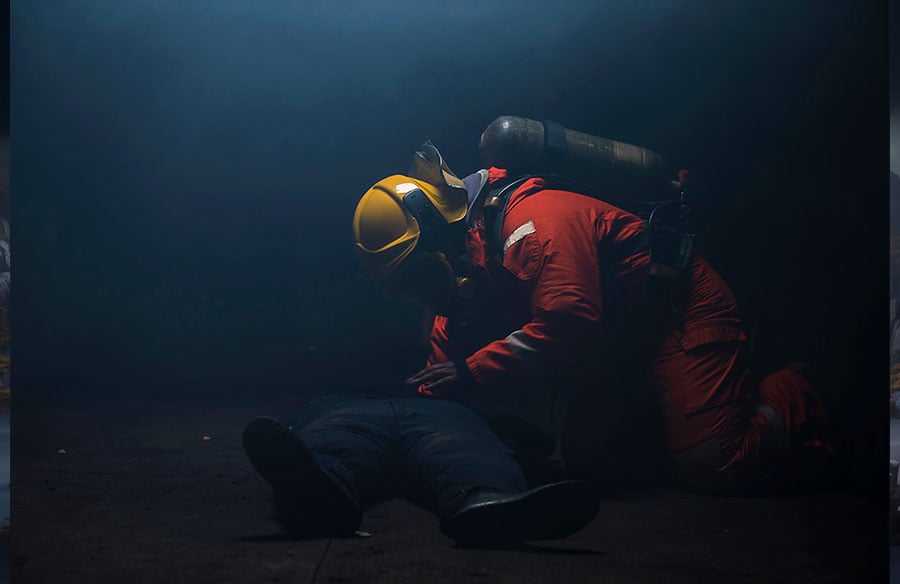
Confined space rescue is a high-risk task that demands skill, preparation, and the right mindset. These environments may have limited access, poor ventilation, or hazardous substances, which increase the risk of injury.
Proper training ensures rescuers can respond effectively while keeping themselves and others safe. If you work in or manage such environments, understanding the training needs is vital. Keep reading to learn what makes a team fully prepared.
Understanding Confined Space Hazards
Before rescue techniques can be mastered, you need to recognise the dangers that make confined spaces unsafe. These areas might have toxic gases, low oxygen levels, or unstable structures.
The conditions may change quickly, making untrained entry extremely dangerous. Training equips you with hazard recognition skills and teaches you how to assess the space before acting.
Core Training For Confined Space Rescue
Effective rescue training covers a combination of theoretical knowledge and hands-on practice. Courses such as those provided by Civil Safety Training & Rescue align with UK regulations and industry standards, ensuring that skills meet legal and safety requirements. Key areas include:
- Safe entry procedures that reduce risk when accessing confined spaces.
- Atmospheric monitoring to detect harmful gases and oxygen levels.
- Rescue techniques tailored for vertical and horizontal spaces.
- Emergency communication is used to maintain contact between rescuers and safety attendants.
- Use of personal protective equipment (PPE) such as harnesses, breathing apparatus, and helmets.
These elements are reinforced through practical exercises, using realistic site simulations.
The Role Of Rescue Teams
In many cases, rescue operations require a coordinated team. Training ensures each member understands their role, whether that is acting as the entry rescuer, top man, or standby attendant.
Rescue teams are also trained in the use of retrieval systems, ventilation equipment, and lighting to create safer conditions. This teamwork reduces delays during emergencies and improves the chances of a successful rescue.
Ongoing Skills Development
Initial training is only the starting point. Skills fade over time if they aren’t refreshed, and equipment use can change with technological updates. Regular refresher courses help maintain competence and keep you informed about new safety standards. Many employers schedule this training annually to ensure readiness is never compromised.
Compliance With UK Regulations
The UK’s Confined Spaces Regulations 1997 outline the legal duties for employers and workers. Training supports compliance by ensuring workers are competent to carry out their roles. It also provides documented evidence of competence, which is critical during audits or incident investigations. Without this training, both safety and legal obligations are at risk.
Building A Safety-First Culture
Well-trained rescue personnel help create a culture where safety is prioritised. This not only protects workers but also boosts confidence among teams working in hazardous environments. When everyone understands the risks and procedures, operations run more smoothly and with fewer incidents.
Final Thoughts On Staying Prepared
Confined space rescue isn’t a skill you can improvise. It demands structured learning, regular practice, and the discipline to follow procedures every time. Whether you’re an employer or a team member, investing in quality training keeps you ready for emergencies and compliant with safety laws.
If your role involves confined space work, make training a non-negotiable part of your safety plan. Your preparedness could be the deciding factor in an emergency.