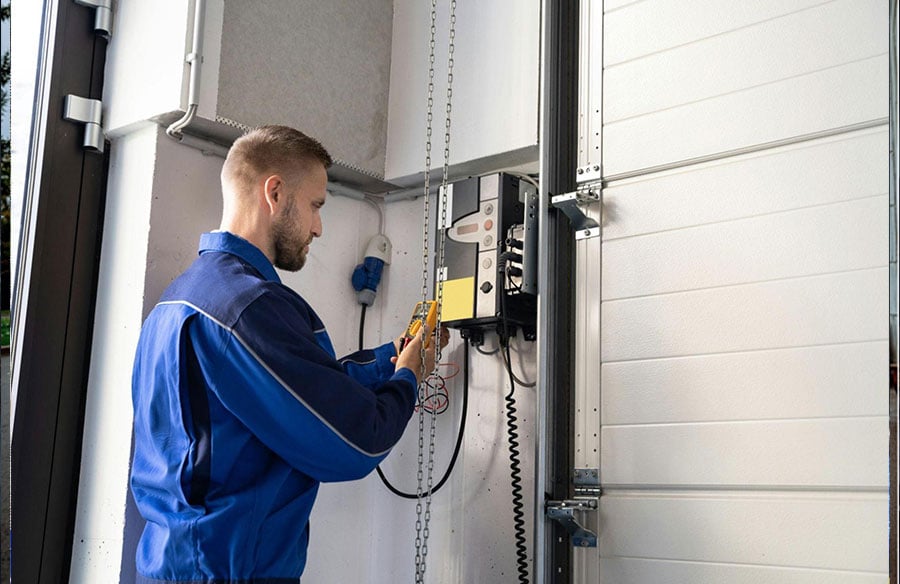
As construction and architecture moved into digital transformation, even niche trades such as garage door installation and maintenance are being transformed. Companies in the sector are increasingly reliant on garage door business software to organize operations, enhance customer experience, and integrate with the larger digital infrastructure of contemporary buildings. It’s not merely a move for efficiency, it’s about bringing field services in line with the future of intelligent, sustainable, and tech-enabled spaces.
Technology as a Force of Change in Built Environments
The constructed environment has ever mirrored the technological abilities of society. Just as design processes were revolutionized by architectural software, and construction collaboration was redefined by BIM, specialized contractors are being transformed by field service software. Garage door businesses, which used to be run with manual scheduling and paper invoices, now need to provide frictionless, digital-first experiences.
Homeowners, as well as bulk property developers, need real-time quotes, online booking, and instant communication. The service professional who manages to bring together these features does so in a manner that is not only effective but also a sign of professionalism.
The Integration of Smart Homes and Garage Door Services
The garage door is not just a mechanical device anymore; it is potentially part of a smart home system. With more devices becoming interconnected, garage door businesses will need to be ready to install, fix, and synchronize digital access solutions in addition to conventional mechanical systems.
Field service platforms offer the foundation for this. They enable organizations to monitor parts inventory, note customer histories, and provide technicians with mobile apps to manage growing requests in complexity. As buildings become smarter, the service companies that invest in digital tools will be well-positioned to evolve.
Streamlining Workflow Through Centralization
Centralization is one of the main benefits of garage door business software. Rather than trying to manage several different applications or manual systems, companies can manage:
- Scheduling and dispatching of jobs – putting the appropriate technician in place in good time.
- Invoicing and payments – enabling contactless transactions.
- Customer communication – ranging from booking confirmations to service reminders.
- Team working – maintaining field and office-based personnel in tandem at all times.
This combined solution reduces administrative work and human error, two issues that the majority of small- and medium-sized contractors usually face.
Customer Experience as a Competitive Differentiator
In construction and architecture, structure quality and aesthetics are important. In the services sector, customer experience is no different. Online mediums enable garage door companies to:
- Provide definitive service windows and status updates.
- Provide several payment alternatives.
- Collect feedback immediately after jobs.
- Tailor future services according to client history.
In a business where reputation and referrals lead to growth, a refined digital experience can be the differentiator.
Sustainability and Digital Service Management
Sustainability is an ongoing theme in architecture discourse, and service businesses can be a participant. By using software to plot routes, reduce redundant driving, and decrease paper consumption, garage door companies lower their carbon footprint.
The Environmental Protection Agency (EPA) has raised awareness about how transport emissions continue to be a major driver of climate change. Electronic optimization of service may appear minor, but multiplied by thousands of technicians across the country, the impact on the environment is enormous.
Empowering Technicians in the Field
 To field technicians, digital tools are not just conveniences, they’re enablers. Mobile applications connected to service platforms allow technicians to:
- Display current job information.
- Electronically capture client signatures.
- Process payments on-site.
- Update job statuses instantly.
This immediacy keeps office personnel and clients up to date, and technicians conserve time and administrative work.
Data-Driven Business Insights
Just as architects utilize performance modeling to make buildings better, data analytics can be utilized by service businesses to make better businesses. Garage door business software provides reporting capabilities that bring attention to:
- Seasonal demand fluctuations.
- Technician performance metrics.
- Revenue by service type.
- Customer retention trends.
These insights allow businesses to adjust strategies, whether it’s hiring more staff during peak demand times or advertising preventative maintenance packages.
Integration With Wider Construction and Facility Ecosystems
Garage door companies rarely work solo. Most often, they are subcontracted as part of a larger renovation or construction project. With online capabilities, they can be better coordinated with builders, architects, and facility managers. Shared scheduling software, e-billing, and real-time status of work progress reduce friction and facilitate coordination.
As buildings get more sophisticated, the demand for integrated systems of services will only increase. Contractors that present themselves as digitally literate partners will have an edge.
Challenges in Adoption
Naturally, change never comes without its set of challenges. Most small businesses in this industry are confronted with:
- Initial learning curves with new software.
- Budget constraints, particularly for start-ups.
- Resistance from staff accustomed to doing things manually.
But just as CAD use in architecture a few decades back, once the utility of digital tools is established, acceptance becomes the norm rather than the exception.
Looking Toward the Future
The future of garage door services is where technology, customer experience, and sustainability meet. We can expect:
- AI-powered scheduling to predict demand and enhance staffing.
- Predictive maintenance models to alert customers before failure.
- Integration with smart cities, where garage doors communicate with transportation systems and power grids.
For service providers, being on digital platforms today means they can ensure relevance and competitiveness as these trends accelerate. Digital transformation is not only changing the way we design and build things but also the way we maintain and service them.
If you’re interested in the interplay between smart homes and garage technology, RTF’s article “How to Turn Your Home into a Smart Home Without the Hassle” explores automation routines, such as how a garage door opening can trigger pathway lighting for safe entry, providing valuable context around connected user experiences.