Academic libraries are, at their core, acts of optimism. They are symbolic of the democratic belief that the free exchange of ideas can shape both individual lives and collective futures. Once quiet spaces for solitary study, they have evolved into dynamic hubs of encounter and exchange.
Project Name: Cruzen-Murray Academic Library
Studio Name: RICHÄRD KENNEDY ARCHITECTS
Size: 60,000 SF
Photographer: Gabe Border
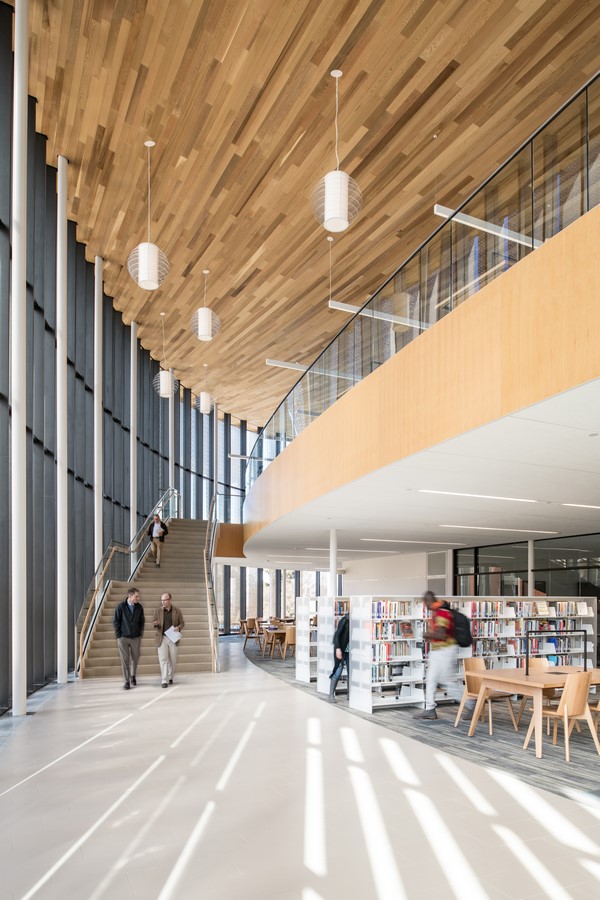
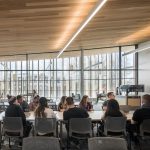
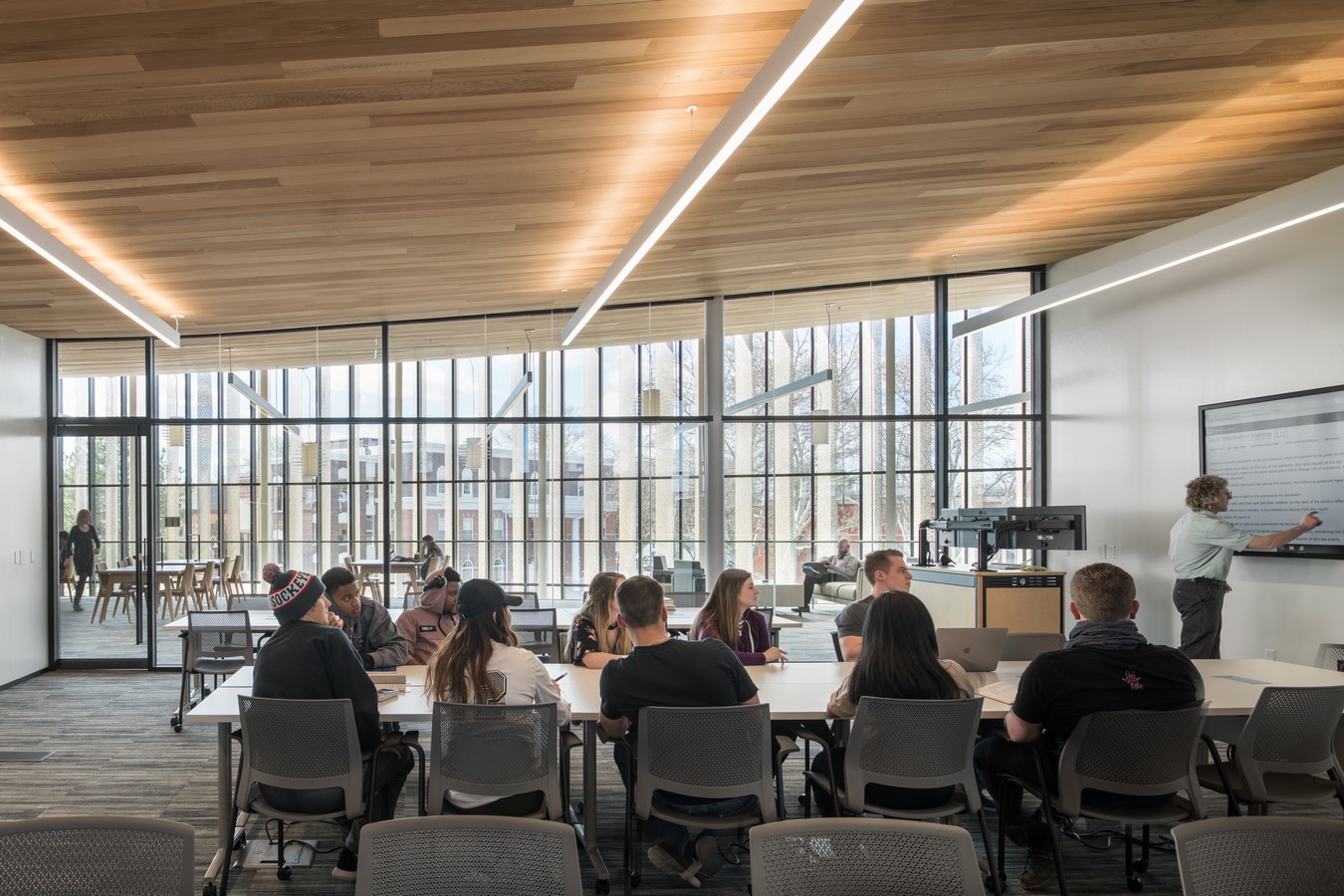
Open, transparent, and adaptable, they dissolve boundaries between disciplines, between quiet study and active dialogue, between the solitary and the shared. In many ways, they have become the new town square — essential platforms for intellectual pursuit, community, and a sense of belonging on campus.
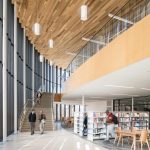
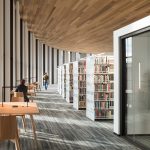
The Cruzen-Murray Academic Library is symbolic of this evolution, and the evolution of the College of Idaho as a burgeoning private liberal arts college. Conceptually, the design recalls the unfurling pages of a book. Balancing spaces for focused study with areas for vibrant collaboration, it offers a flexible environment where both solitude and shared inquiry can thrive.
Embodying A New Chapter in the Institution’s History
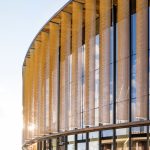
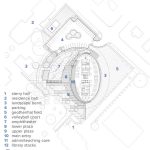
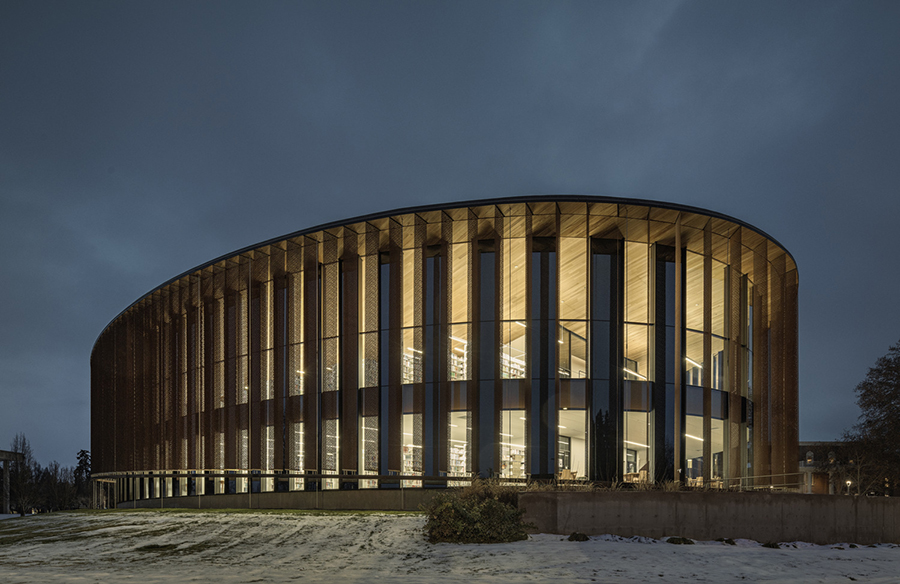
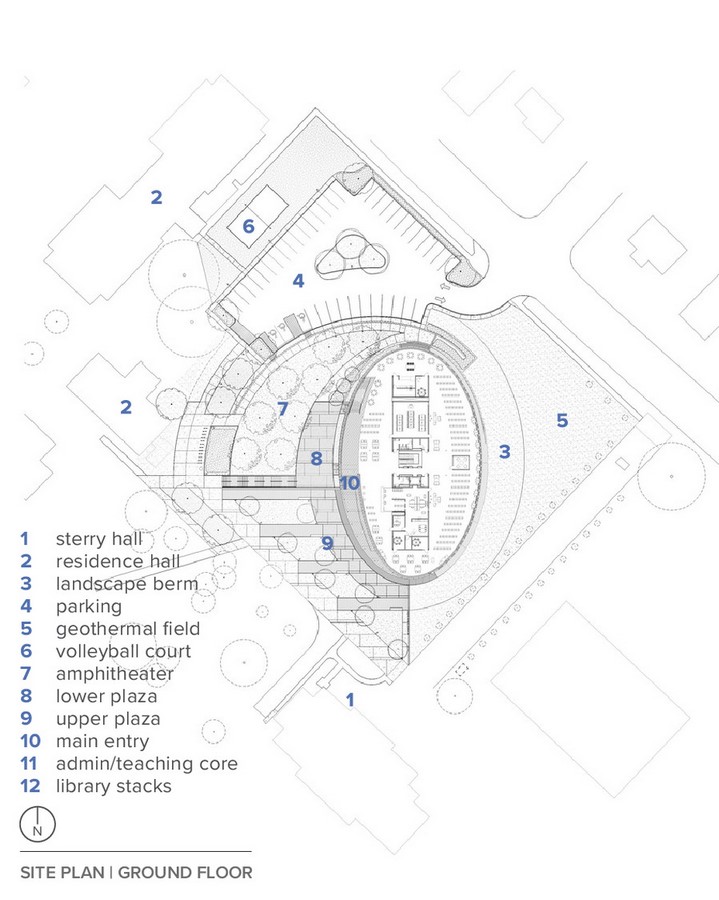
Occupying an open site at the ceremonial point of arrival to the college, the library marks a new chapter in the institution’s history. Its elliptical form presents a distinct identity from every angle. Careful building siting addresses the public edge of the campus on one side and the campus interior on the other. It also mirrors the old 1967 library along the primary pedestrian walk, together framing Derry Hall, an iconic campus landmark. Its orientation responds to pedestrian flows and campus destinations, while preserving views into the historic core.
Resilience and Sustainability
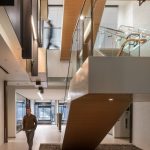
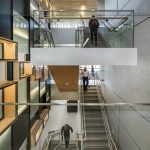
The College of Idaho envisioned the library to last 100 years or more — resilient in structure, enduring in material, and agile enough to accommodate evolving pedagogies and technologies. Open floor plates with an integrated raised flooring system distribute mechanical, power, and data seamlessly, allowing program spaces the flexibility to evolve without disruption.
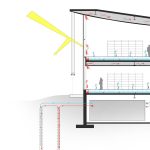
The glazed façade is veiled by a spiraling array of 195 custom fabricated, perforated corten steel fins suspended vertically beneath the cedar soffit. More than an aesthetic choice, the shade fins are a passive design strategy — each oriented in response to rigorous solar analysis and iterative energy modeling. The spiraling fins guide natural light deep into reading spaces during the day. At night, the softly glowing form becomes a lantern, promoting a sense of welcome and safety on the campus.
A ground source heat pump mechanical system with 6 km of vertical piping (installed below the parking lot) provides a short payback period and extends expected system life. This closed loop geothermal system reduces energy use by 62% annually. In response to the northern climate, the exterior fins permit passive solar gain in winter to supplement radiant floor systems connected to the deep-well geothermal heat pump.
The College and the design team sought a sustainable water strategy with a reduction in potable water use and effective management of all storm water on site. Local, dry-climate adapted plant and tree species were specified for the landscape and high desert environment. Turf areas are irrigated with non-potable and untreated surface water from the existing campus irrigation infrastructure. All precipitation is collected and managed on site.
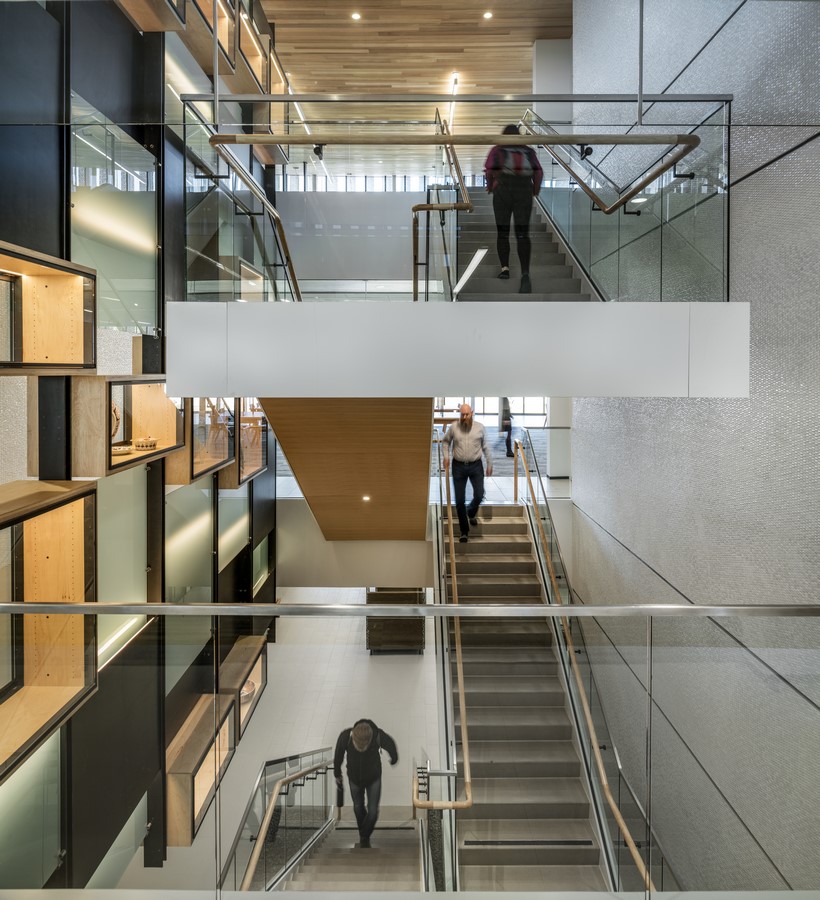
Low-maintenance, durable, and natural materials were utilized to reduce operations and maintenance needs, promoting a healthy indoor and outdoor environment for users. Together, these strategies reduce energy consumption and operating costs by more than 60 percent.
Honoring the Library’s Benefactor and Integrating Art into the Environment
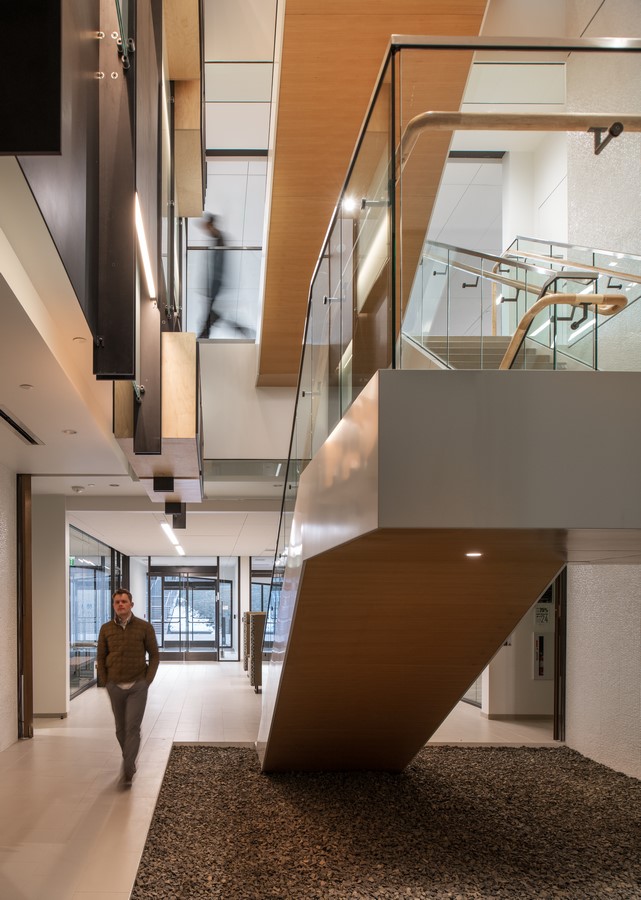
Art is woven into the library experience. The library’s namesake and primary benefactor — Debbie Cruzen-Murray — an avid art collector, sought to create a global connection through access to literature and the fine arts. Her extensive collection of Japanese Imari porcelain, along with significant works by artists including Warhol and Lichtenstein, is housed here in permanent display.
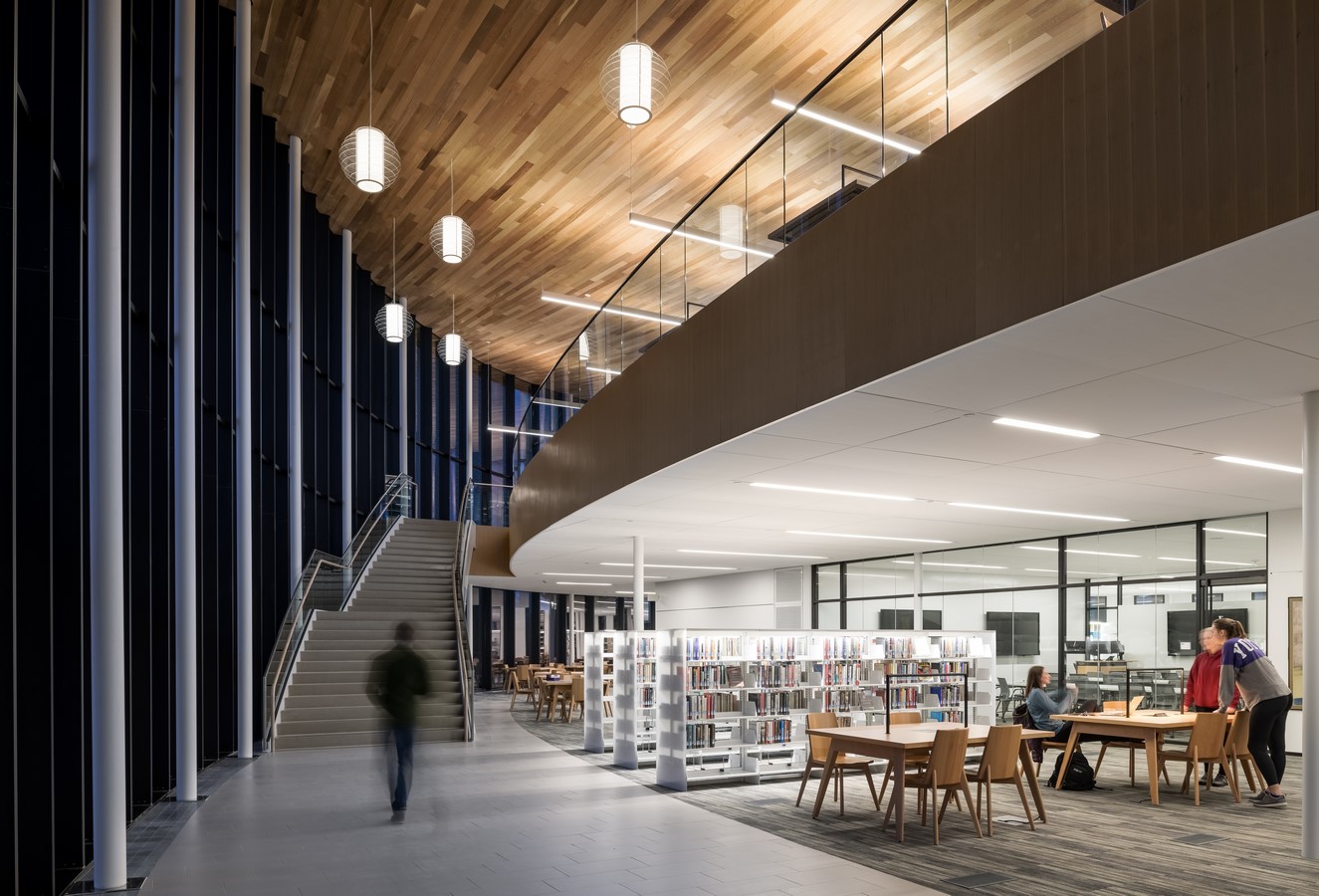
The collections are preserved with environmental controls, structural reinforcement, and security and conservation measures to ensure their protection for generations to come. During early programming, the design team discovered the college’s art collection was scattered across multiple buildings; working closely with the institution, they integrated archival storage into the program, funded through private donation. Today, this controlled, high-density environment unites the entire collection under one roof.
Exemplifying 21st Century Academic Library Design
The Cruzen-Murray Academic Library represents the potential of 21st-century academic libraries, where the preservation of knowledge and the creation of new ideas are equally important. In an age of heightened digital communication where ideas are often expressed online, the Cruzen-Murray Library blends the collaborative environment of a student union with the enduring purpose of a library, fostering a campus environment that encourages connection, dialogue, and the pursuit of communal intellectual enrichment.