Architecture, in itself, weaves a tale of times gone by, with precincts of wood and stone harbouring values and stories that once transpired. Mies Van Der Rohe once said that ‘Architecture began when two bricks were put together well,’ a statement so simple yet profound in the sense of manifestation and future it has ensued in this field. It is these very bricks, or building blocks, that were utilised to create shelters, religious shrines, social and utilitarian buildings, palaces, civic structures, and memorials in tandem with the prevailing period, expressing the craft and history as they were. Settlements emerged, kingdoms rose and fell, governments claimed jurisdictions, yet architecture reigned as an eternal physical embodiment of civilization and heritage. While the formal usage of such a discipline and practice may have succeeded its debut in humanity, it is a salient feature as old as humans, characterising their behaviour, needs and expectations into a tangible form.
Prevalence and Predominance of Architecture as an Instrument of Identity
Architecture stands tall as a storehouse of cultural heritage, societal values and historical legacy, existing in conjunction to educate the people of the present to envision community and daily life in eras of the past. It is crucial to gather that structures are not simply made of mud, thatch, wood, stone and bricks, but of the ideals and norms of the community, vernacular elements, traditional facets and expectations of the occupants and the economy. Over the years, buildings and their designs have significantly evolved and adapted to match the dimensions of geography, climate and ethos of the place. People soon realised that architecture can be wielded to establish identity, a practice that became so common that power and refuge could be depicted merely by a building’s personality. It also dawned that geographical identity could be well set and associated through an interplay of physical forms and design vocabulary in the town or city. It is truly intriguing that the choice of material, spatial planning, artistic and local design motifs and construction techniques directly reflect the character of the time it was built in and provide insight into usage patterns, societal values, ritualistic concepts and ultimately mankind’s lifestyle and desires.
Material as a Tool to Time Travel
Advancements in archeology and corresponding technology have facilitated seamless detection and assessment of materials that make up the structures of monuments and sites, which once fostered ancient societies, enabling experts to analyse and extrapolate data to ascertain the climatic conditions of the place, mineral and resource configuration of the earth around and associated traditional and cultural practices prevalent in those times. Materials innately possess qualities which mature with age when subjected to weathering and continued use, a virtue which immaterialises the property.
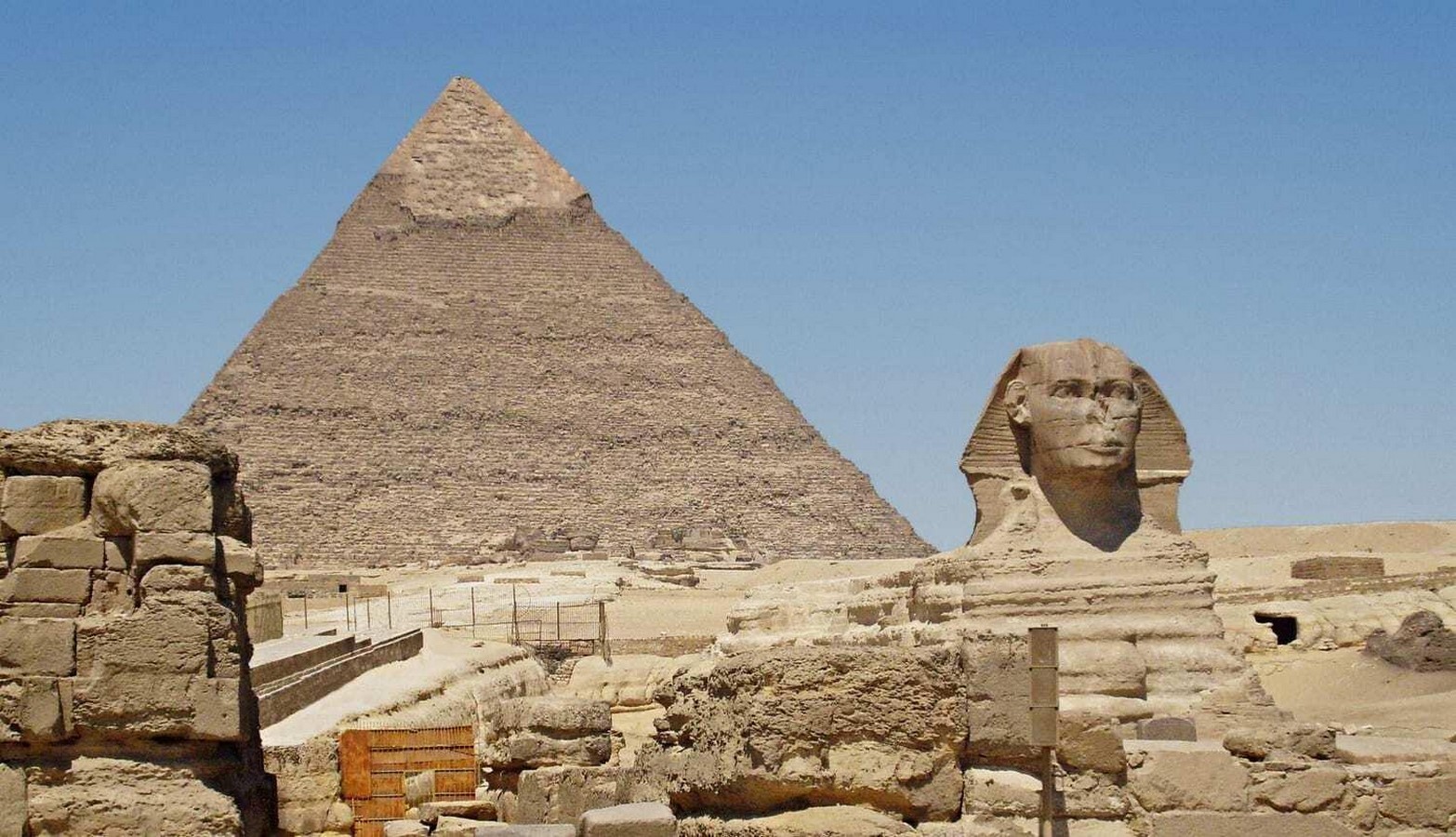
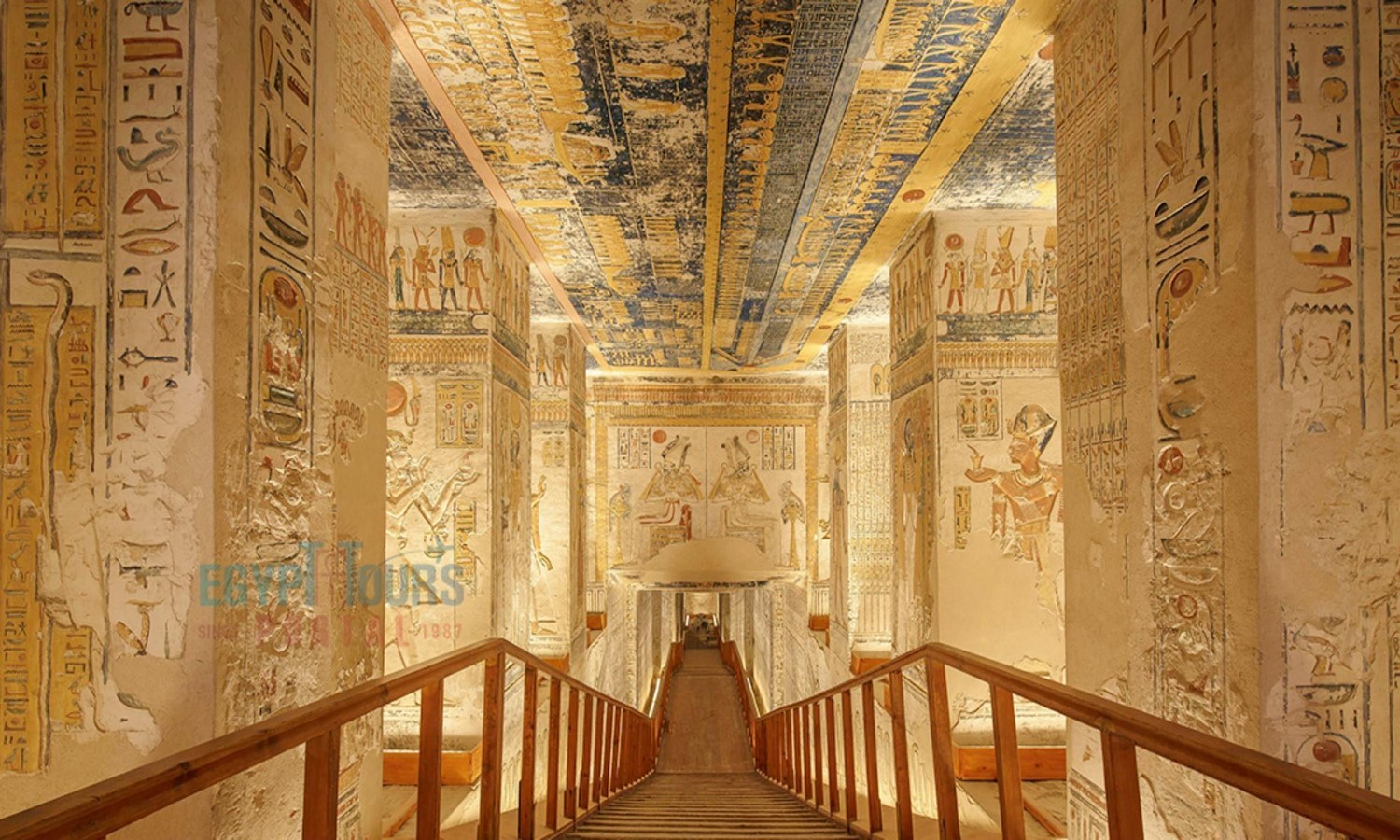
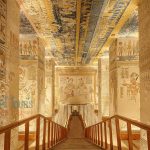
Egypt is no exception when it comes to the grandeur and magnificence of temples and tombs dedicated to Pharaohs and Gods of the majestic civilisation nourished on the banks of the river Nile. An abundant supply of clay from the river delta, sun-dried bricks strengthened with palm leaves and reeds, limestone quarried from Mokattam hills, sandstone procured from Silsila and granite from Aswan form the physical skin of the city. Towering pyramids and mastabas housing emperors and their sarcophagi, as well as rockcut tombs sheltered deep within sacred chambers with walls engraved with their life’s greatest achievements, all became commonplace as depictions and scenarios in the form of sculptures and hieroglyphs, seeming to pass the glory of the Pharaoh into the succeeding generations. These can be witnessed in the valley of the kings, tombs of Beni Hasan and the pyramids of Giza, revealing their birth in a dryland with scant rainfall. Materials and building techniques used in these structures bore heat and pressure, permitted artistic carvings and historic records and upheld the disposition of its ritualistic applications. Driven by their beliefs of the afterlife, the Egyptians gave structural phenomena enough to last until the life of Earth.
Spatial Planning and Arrangement of Activity Zones
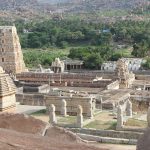
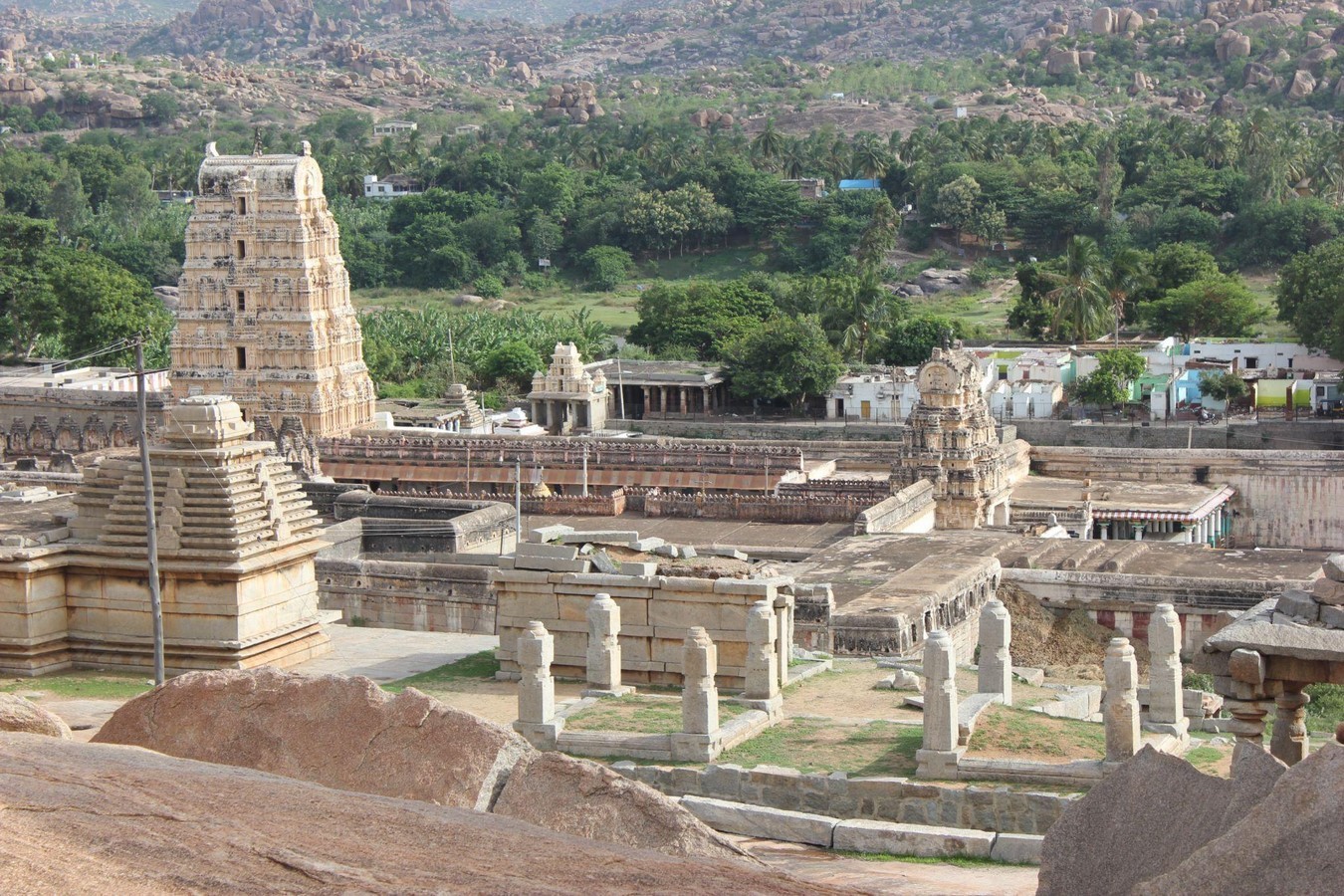
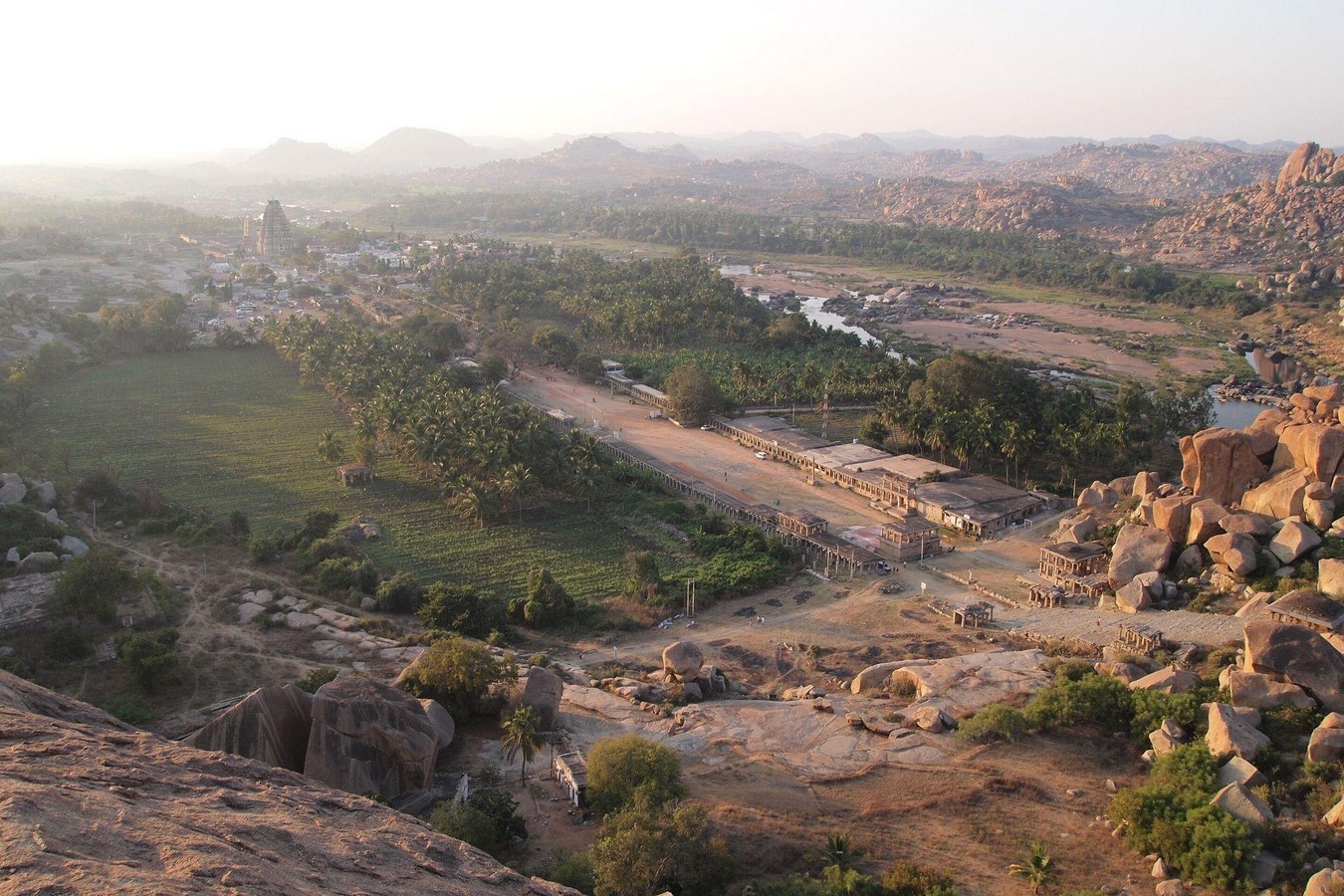
The allocation and layout of different spaces in hierarchical order in terms of area, importance or function provides data on the design’s usage pattern, occupant load per area and its prime purpose. Hampi, Vijayanagara, boasts a plethora of utilitarian and religious structures now mostly in ruins, with preservation efforts underway by the archeological department. The once celebrated capital of Vijayanagar encompasses a series of shops assembled in stone that attracted hundreds of gold merchants and pilgrims, leading eventually to the Vittala Temple. The Dravidian style of architecture prevailing here flaunts Mantapas or halls of different sizes earmarked for different occasions. ‘Maha Mantapa’ or the main hall is where holy fires and sacrifices were carried out, ‘Ranga Mantapa’ accommodates dancers and spectators devoted in the service of the temple and the lord, ‘Kalyana Mantapa’ was where marriages were solemnised and ‘Utsava Mantapas’ provided a platform for conducting festive customs and celebrations with pomp and splendour. All these zones outline specific functions and throw insight into the way of life led by the people of this illuminating period.
Styles and Mannerisms of Architecture
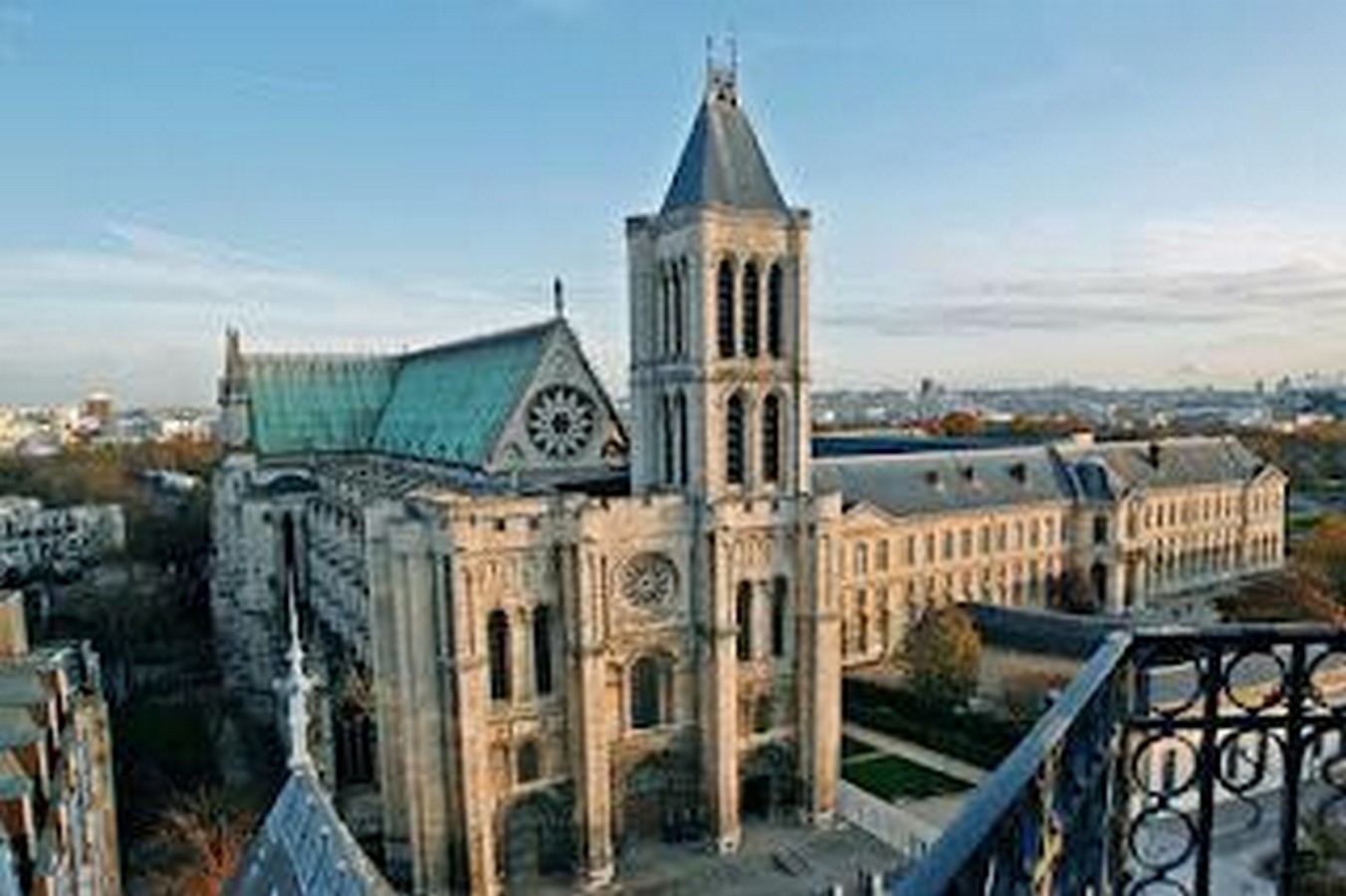
Saint Denis is considered to be the first structure to have been infused with the vocabulary of Gothic, courtesy of Abbot Suger, who believed the existing cathedral to be too dark and gloomy to honour the Gods and the tombs of French monarchs placed in the crypt. He introduced major changes which defined the grammar of Gothic architecture, a predominant style which dominated most of Europe owing to its articulate vaulting systems, wooden roofing, flying buttresses, rose windows, jamb figures, ornate pedestals and assorted bar traceries. Gothic aimed at maximising its light influx through windows, clearstories and transept-level openings and rampantly dispersed stained glass windows with curvilinear traceries and linings. Top spires, vaulting and pointed arches often distinguish this style from any other, reflecting the community’s aspirations with regard to religious buildings and what they found forward and in fashion.

Preserving Identity and Furthering Heritage
Establishing that architecture truly encapsulates the essence and spirit of the building and its neighbourhood, it can be aptly said that such timeless relics are what can be called time capsules, and such evidence of history requires protection and rebranding. Architectural conservation is a branch that deals with reinstating and refurbishing dilapidated or ill-maintained monuments and sites of importance, a practice that involves four fundamental efforts, namely rehabilitation, restoration, rebuilding, and preservation to regain a building’s character, context and longevity. Such operations often facilitate repurposing which tremendously uplifts the economy and education, ultimately crafting a sense of cultural identity and historic association.
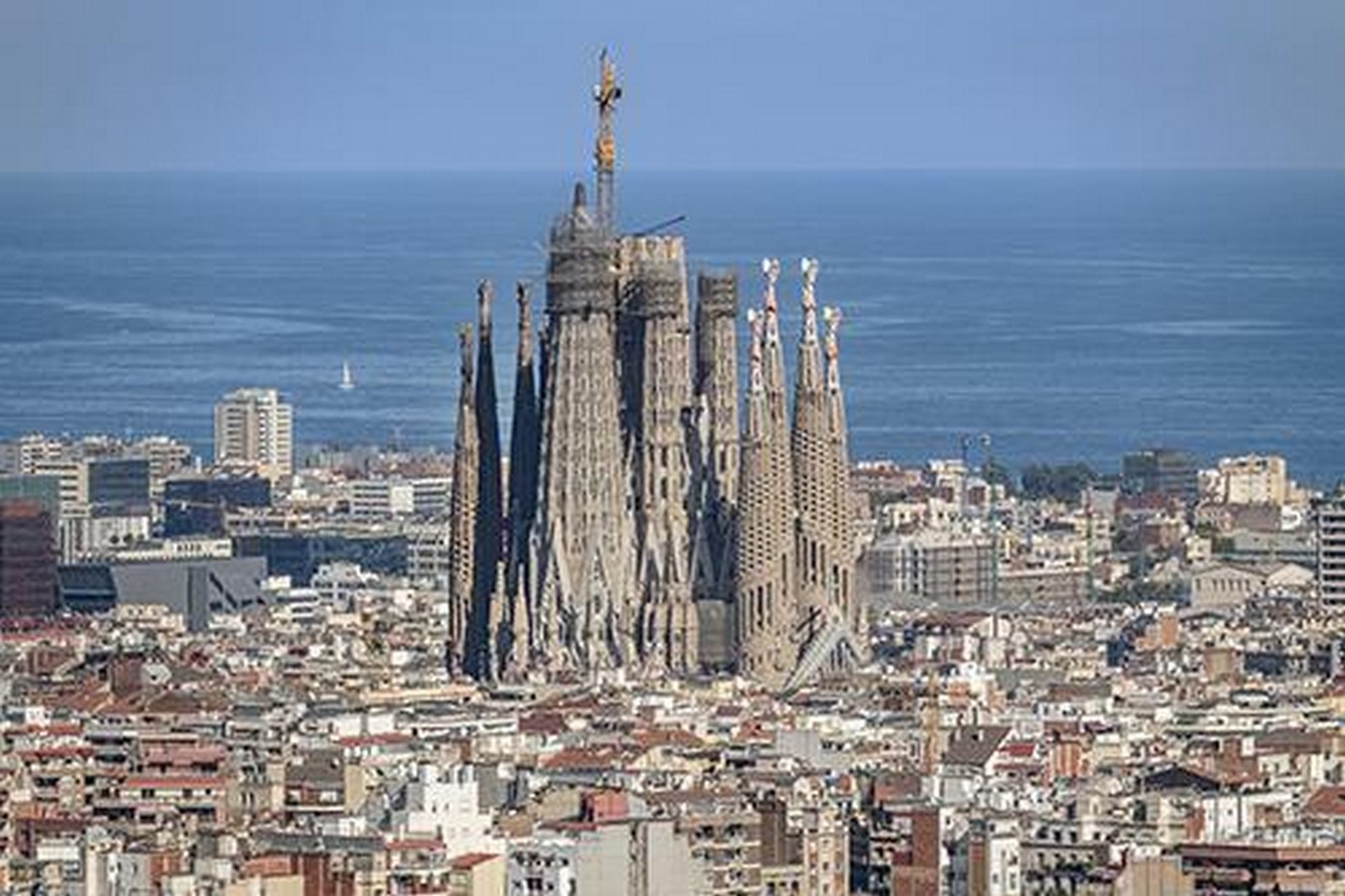
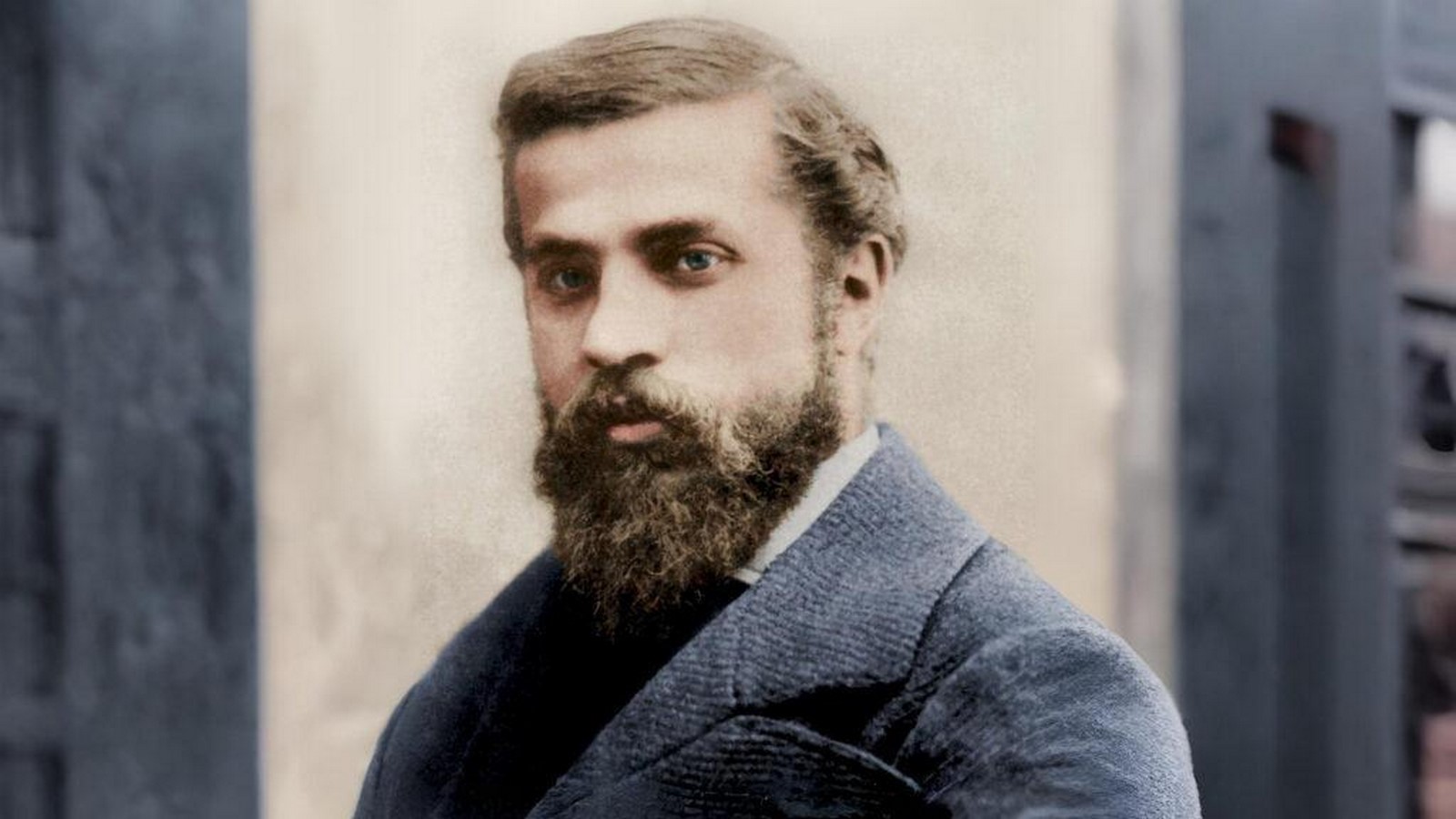
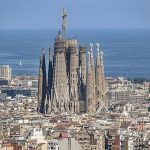
Barcelona, a bustling city of Catalonians, is home to the renowned Neo-Gothic Basilica of Sagrada Familia, something known to be under perpetual state construction. But the taxpayers never question the constant endeavour to resurrect the architectural marvel bestowed by one of the legendary architects, Antoni Gaudí, for it has become their cultural identity, a posthumous tribute to the designer who lived to see only a quarter of the plan to be realised. Despite structural discrepancies and complexity of the design, untimely pauses due to political hindrances and waging wars, the basilica, as an expressionist vision of the aforementioned architectural pioneer, came to stand as it seems today amidst layers and layers of scaffolding, to become one day the landmark, the face of Barcelona, as the citizens eagerly anticipate. Therefore, it is evident how conservation of heritage immensely contributes to the economy, leaving behind a rich cultural legacy for the people and most importantly, forming the fabric of the society as an immemorial artefact.
Harvard style citations are given below:
Uni.xyz. (2023). Available at: https://uni.xyz/topic/conservation-architecture/about.
Sir Banister Fletcher and Cruickshank, D. (1996). Sir Banister Fletcher’s a History of Architecture. Routledge.
DK (2023). The Architecture Book. Penguin.
Wikipedia (2020). Basilica of Saint-Denis. [online] Wikipedia. Available at: https://en.wikipedia.org/wiki/Basilica_of_Saint-Denis.
Middleton, J. and Petruzzello, M. (2023). Sagrada Familia | Description, History, Design, Church, & Facts | Britannica. [online] www.britannica.com. Available at: https://www.britannica.com/topic/Sagrada-Familia.