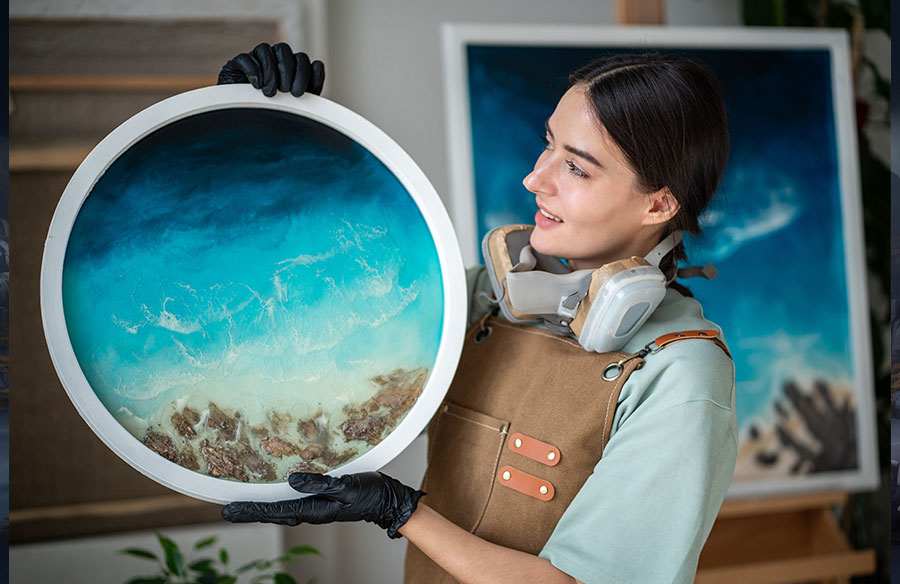
Step into any well-designed room and there’s a good chance that a piece of art is doing more than just filling wall space; it’s shaping the mood, anchoring the colour palette, and telling a story. Among the most enduring types of artwork in interior design is the realistic landscape painting, a window into nature that remains timeless. But what happens when timeless beauty meets modern innovation?
Welcome to the new era of interior curation: one where smart frames are redefining how we display and engage with traditional art. For entrepreneurs with an eye for aesthetics and a love of tech-driven experiences, this isn’t just décor, it’s a strategy.
Let’s unpack how realistic landscape art, paired with digital innovation, is transforming interiors into immersive, personal, and ever-evolving environments.
The Timeless Power of Realistic Landscape Paintings
Before we talk about pixels and apps, let’s acknowledge what makes landscape paintings so magnetic in the first place.
Whether it’s a misty forest, a glowing mountain range, or a quiet coastal view, realistic landscapes tap into something primal. They ground us. They remind us of open skies, fresh air, and stillness. For centuries, artists have recreated these moments with astonishing detail—and for just as long, collectors have placed them in homes, hotels, and offices to bring that serenity indoors.
Among the most beloved of these are landscape oil paintings, known for their rich textures, layered brushstrokes, and ability to capture light in ways that feel almost photographic. These works of art offer depth and dimension that draw the viewer in, making them a popular choice for creating a tranquil, immersive atmosphere in any space.
But it’s not just about nature. Landscape art has always been versatile. It fits effortlessly into minimalist lofts, cosy cabins, or sleek corporate spaces. It adds depth without dominating. It soothes without being bland.
For entrepreneurs in design or real estate, it’s one of the most accessible and impactful tools for shaping atmosphere, especially when you’re aiming to create environments that feel intentional and emotionally resonant.
And now, with the rise of smart frames, that same emotional power comes with flexibility, storytelling, and digital control.
What Exactly Is a Smart Frame?
Think of a smart frame as a marriage between high-end display technology and traditional gallery presentation. It looks like a typical picture frame often wooden, matte, and borderless but behind the glass (or anti-glare surface) is a digital screen capable of displaying ultra-high-definition images. Not just any images, either art that moves you, and that you control.
Some of the most popular smart frames today ike Meural, Canvia, or Samsung’s The Frame allow users to:
- Upload their images or choose from curated art libraries
- Change the displayed artwork with a tap or voice command
- Adjust display settings to match lighting conditions
- Access artist bios and contextual information on the artwork
- Schedule different pieces for different times of day
The experience is subtle but profound. Imagine your living room transforming from a golden Tuscan landscape at breakfast to a moody Norwegian fjord by evening. Or your client lounge featuring local mountain vistas one week and tropical beach scenes the next all without lifting a hammer or swapping canvases.
Elevating Landscape Art Through Digital Innovation
Some purists raise an eyebrow at digital art displays. But the truth is, smart frames enhance, not replace, the experience of traditional artwork, especially with realistic landscape paintings, where detail and ambience matter deeply.
Here’s how:
1. Hyperreal Presentation
Smart frames now use 4K or even 8K resolution, with built-in sensors that adjust brightness and contrast to match the room. The result? Rich, nuanced visuals that mimic brushstroke texture, depth, and lighting so well that you’ll forget it’s digital.
2. Contextual Storytelling
Tap your phone or ask your smart speaker, and the frame can share details about the artist, the scene’s location, or the style of painting. For interior design professionals and hospitality businesses, this turns passive decoration into an interactive, memorable experience.
3. Eco-Conscious Curation
For art lovers who want variety without environmental cost, smart frames offer a sustainable alternative to owning dozens of printed pieces. You can rotate your landscape collection endlessly—without paper waste or shipping emissions.
4. Custom Mood Control
Want your workspace to reflect your energy levels or the season? Set the frame to change images by time of day. A warm desert scene in the morning. A forest path during your afternoon break. A starlit lake for winding down.
It’s not just dynamic, it’s deeply personal.
Styling Smart Frames in Real Spaces
Smart frames aren’t just for tech lovers. Their clean design and quiet functionality make them remarkably easy to integrate into any space. Whether you’re staging a property, designing an office, or curating your apartment, here’s how to get the most out of your digital landscape art:
● Living Rooms
Center the frame above the sofa or fireplace as a rotating focal point. Use a collection of soft-hued landscapes to match seasonal décor or wall colour.
● Bedrooms
Install a smart frame with calming coastal or forest scenes to promote relaxation. Set it to dim automatically in the evening and switch off completely at bedtime.
● Home Offices
Boost productivity and mental clarity with bright, open landscapes mountain ranges, lakes, or desert skies. Rotate them weekly to keep your environment stimulating and fresh.
● Client-Facing Spaces
Reception areas, lobbies, or private consultation rooms benefit from high-quality art that also tells a story. Landscapes from local artists or globally recognised painters offer both beauty and cultural engagement.
And the best part? You can change it all with a tap.
Why Entrepreneurs Should Care
For business owners, the conversation around interior design is no longer just about taste it’s about experience strategy. The environments we create shape how people feel, how long they stay, and how they perceive value.
Realistic landscape art connects emotionally. Smart frames deliver that emotion flexibly, efficiently, and impressively. It’s the difference between a static canvas and a dynamic visual brand.
You’re not just decorating a room, you’re curating an evolving experience.
Plus, from a content marketing perspective, smart frames offer a chance to showcase your values. Highlight local artists. Create visual “playlists” that align with company milestones, campaigns, or seasons. Document the artwork through your social channels, giving your community a reason to stay engaged visually and emotionally.
For interior designers, property developers, or tech-forward creatives, smart frames bridge the gap between heritage and innovation. They’re a small detail with big storytelling power.
The Future Is Framed (and Smart)
Art has always had the power to transform spaces. But now, we can curate that transformation with intention, technology, and emotional resonance. Smart frames don’t replace the gallery or the canvas; they expand it. And when paired with the ageless beauty of realistic landscape paintings, they create a living, breathing art experience.
So whether you’re designing your next workspace, staging a boutique rental, or simply crafting a home that reflects who you are, don’t overlook what hangs on your walls.
Because in the modern interior, landscape art doesn’t just sit still anymore. It evolves with you.