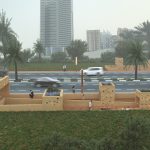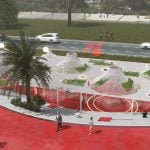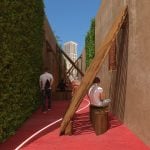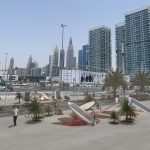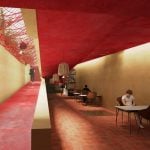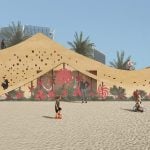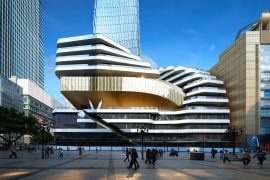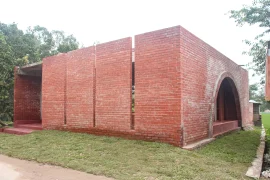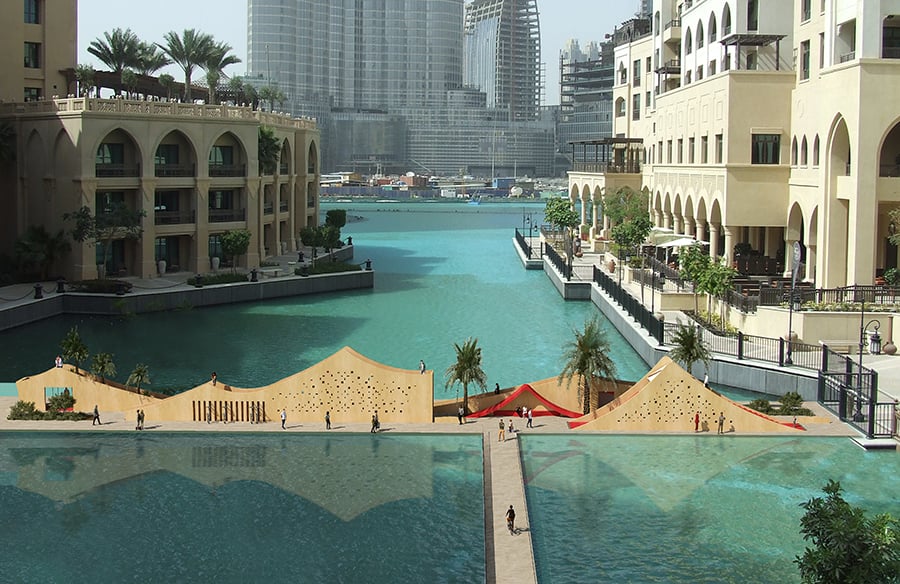
The culture and traditions of the United Arab Emirates (UAE) form a rich blend of Islamic values and Bedouin heritage. This historical background provides fertile ground for the country’s rapid modernization, where deep-rooted traditions coexist harmoniously with a forward-looking vision.
Project Name: Dubai Urban Elements
Studio Name: OLAY Studio
One of the UAE’s most striking architectural features is the coexistence of old and new. Ancient forts and wind towers proudly exhibit the nation’s heritage, while futuristic skyscrapers rise in the backdrop. This seamless integration of past and future reflects the UAE’s commitment to preserving its cultural identity while embracing progress.
Our design process began with a deep exploration of the country’s symbols, heritage, and history. The UAE is a federation of seven emirates—Abu Dhabi, Dubai, Sharjah, Ajman, Fujairah, Ras Al Khaimah, and Umm Al Quwain—each with its own unique cultural and architectural character. Despite these differences, they share a common foundation in Arab values and design language.
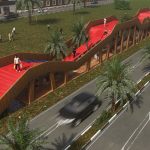
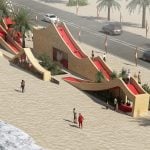
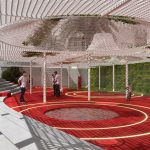
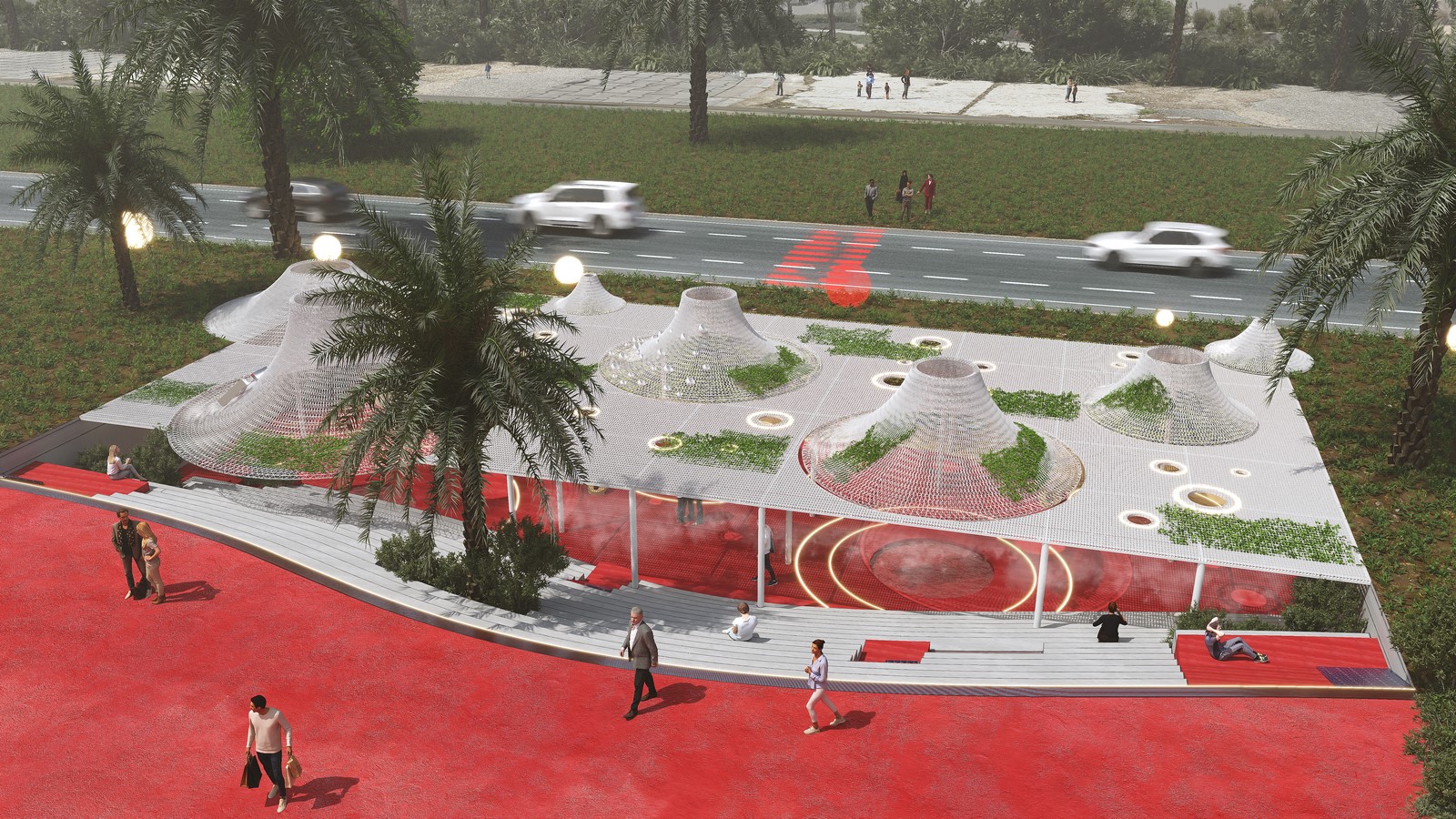
A key unifying symbol among the emirates is the national flag. While each emirate has its own graphic identity, the color red is consistently present across all. This inspired the use of red in the paving and select elements throughout all seven zones of the project. This choice not only establishes a cohesive visual identity but also adds vibrancy and spatial rhythm.
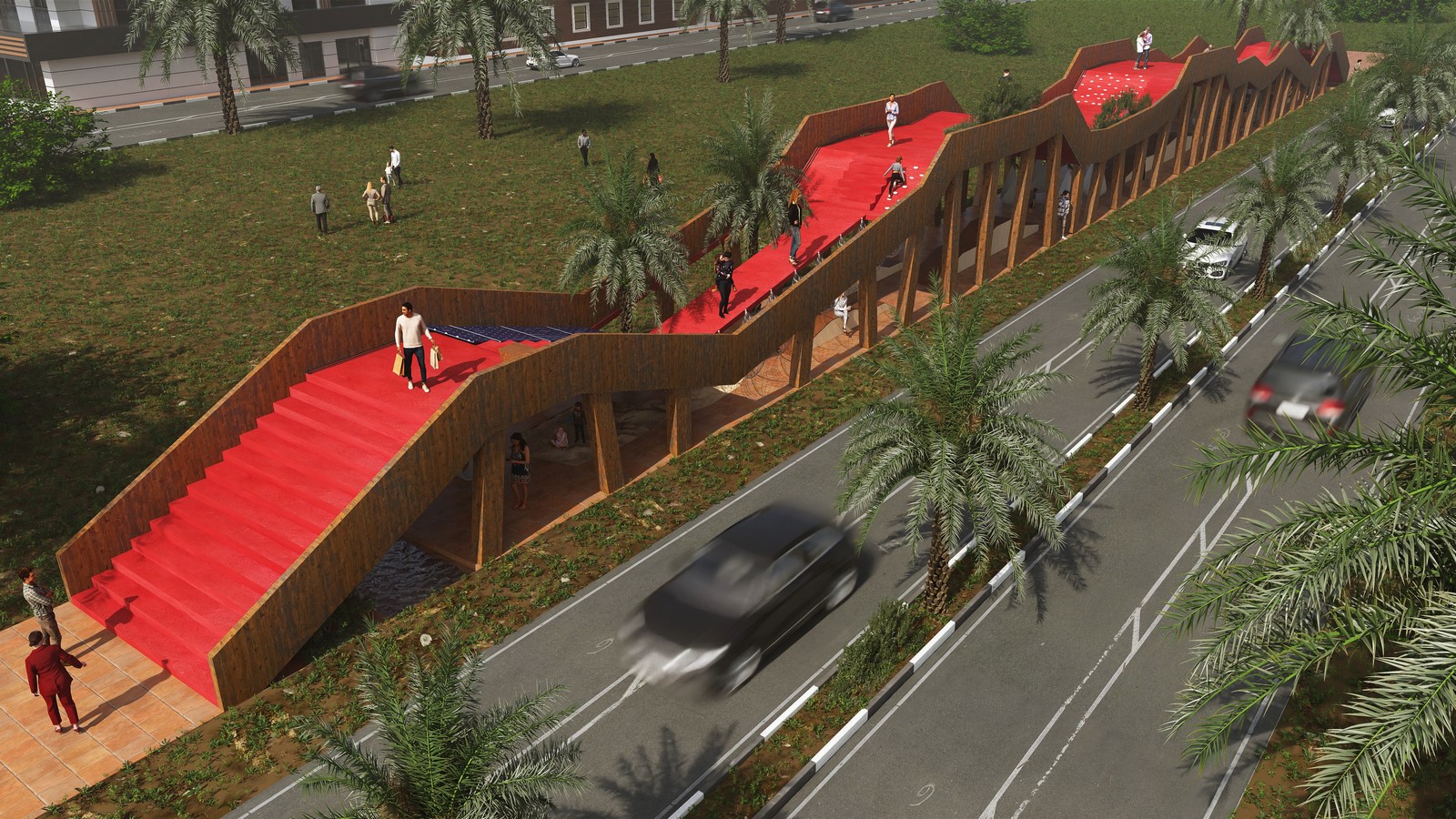
As visitors encounter this red hue throughout the different neighborhoods, they are prompted to reflect and seek its meaning—unveiling the deeper cultural symbolism behind it. Through this shared element, the project aims to preserve a collective identity and foster spatial continuity in future developments.
Another powerful reference is the national emblem of the UAE, featuring a golden falcon (Falcon of Quraish) with a central disk that displays the UAE flag and seven stars—each representing an emirate. The falcon, a revered cultural icon, symbolizes power, elegance, and boundlessness. Its tail feathers—seven in number—serve as a key design motif. As such, the use of seven elements in each zone, and in some cases forms inspired by falcon feathers, creates a unified language across the site.
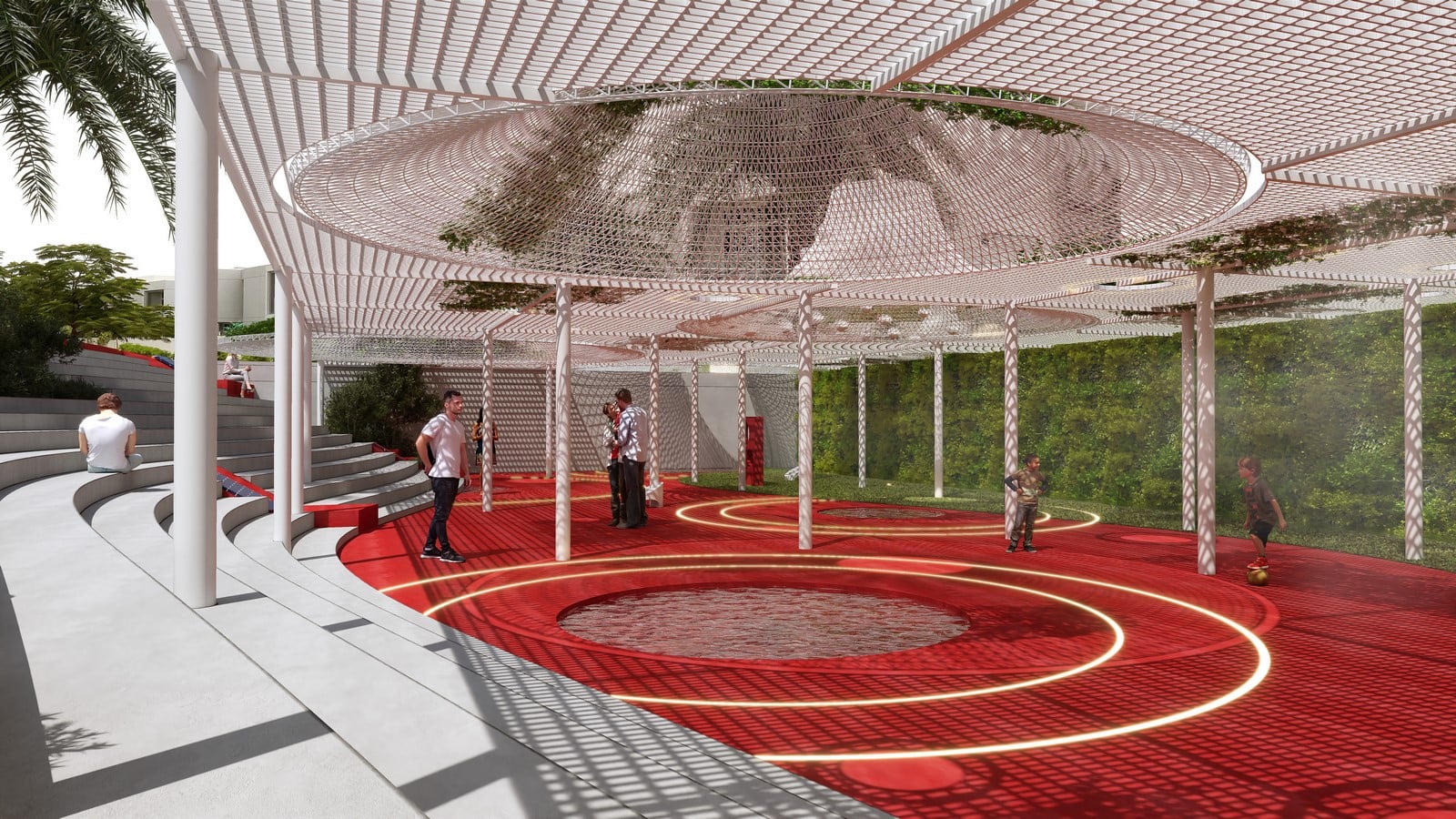
This consistent dialogue between zones ensures memorability, reinforces identity, and allows for flexibility and integration as the city continues to grow.
Complementing this shared language are local architectural and cultural references such as the Barjeel (traditional wind tower), Bedouin tents, Ghaf tree, desert dunes, ocean waves, Abra boats, and customs like hospitality and Arabic coffee ceremonies—each interpreted and integrated uniquely across different
Materials, Sustainability & Climate Strategies
One of the major environmental concerns in Dubai is the potential shortage of water. As one of the cities with the lowest levels of annual rainfall, the need for rainwater harvesting systems has become essential—especially considering the recent episodes of heavy rainfalls.
Given Dubai’s hot and arid climate, integrating vegetation, water features, and evaporative cooling strategies is vital. Therefore, all proposed designs incorporate rainwater harvesting systems using surface grates, channels, and basins. The collected water is directed to underground storage tanks, then filtered and pumped back for use in automatic irrigation systems, misting units, and potable water supply.
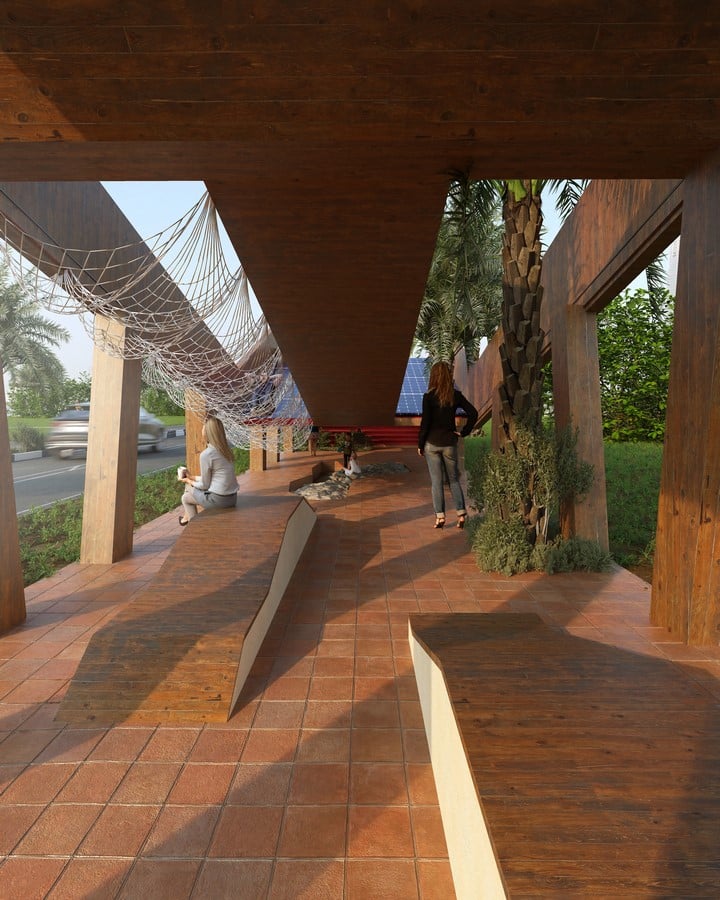
Planting greenery alongside water features, implementing green walls and green roofs, and using misting systems and water basins significantly enhance evaporative cooling. Promoting public transportation and non-motorized transport methods—such as cycling and walking—can also help reduce traffic congestion and air pollution. To encourage this, dedicated bicycle stations have been planned in each neighborhood.
Trash bins are designed as underground, segregated units to preserve visual aesthetics and facilitate easier recycling processes.
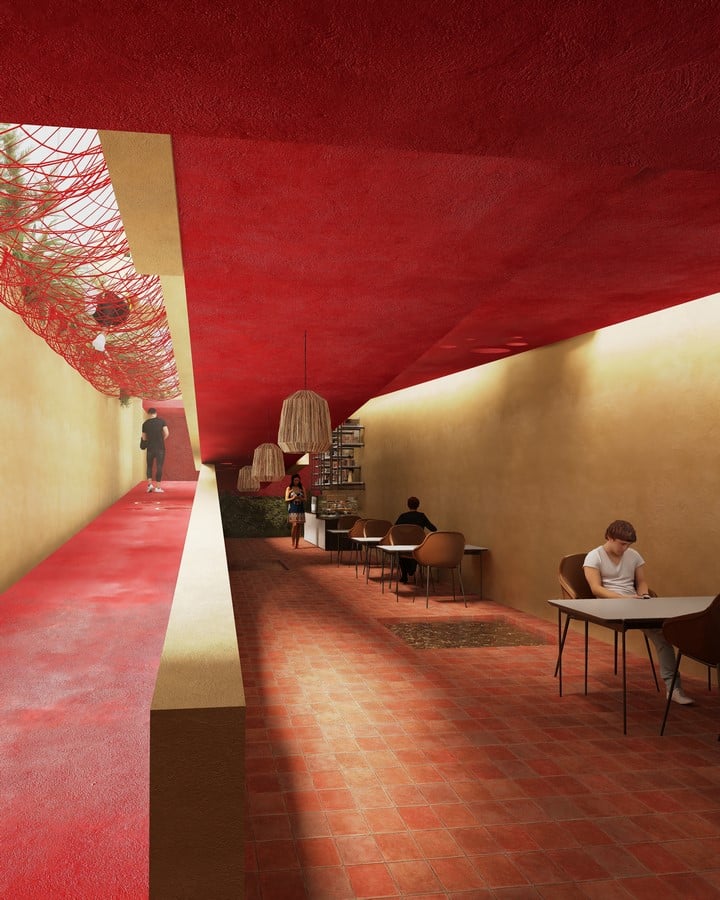
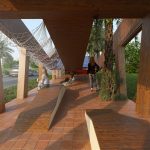
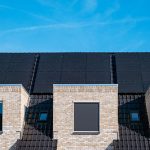
In alignment with the architectural style of each neighborhood, the structures utilize a diverse palette of materials such as rammed earth, light-colored cement, wood, concrete, date palm trunks (Arish), perforated metal sheets, and polished steel panels. Electrical power for lighting streets and public spaces is supplied through solar panels. All seating units throughout the spaces are equipped with integrated solar panels, electrical outlets, and charging ports.