The fundamental character of a city cannot be fully understood through visual observation of its busy environment. It’s something deeper. The world exists beneath the surface of sound which turns an ordinary city into a living and vibrant place. The rhythmic street vendor calls together with the distant crowd noise in the city square create a distinctive soundscape. These environmental sounds function as more than mere background noise because they establish unique characteristics that define the place beyond its physical appearance. In the late 1960s and early 1970s, R. Murray Schafer introduced the concept of the “soundscape” and laid the groundwork for studying sound environments with his book The Tuning of the World (Schafer, 1977).
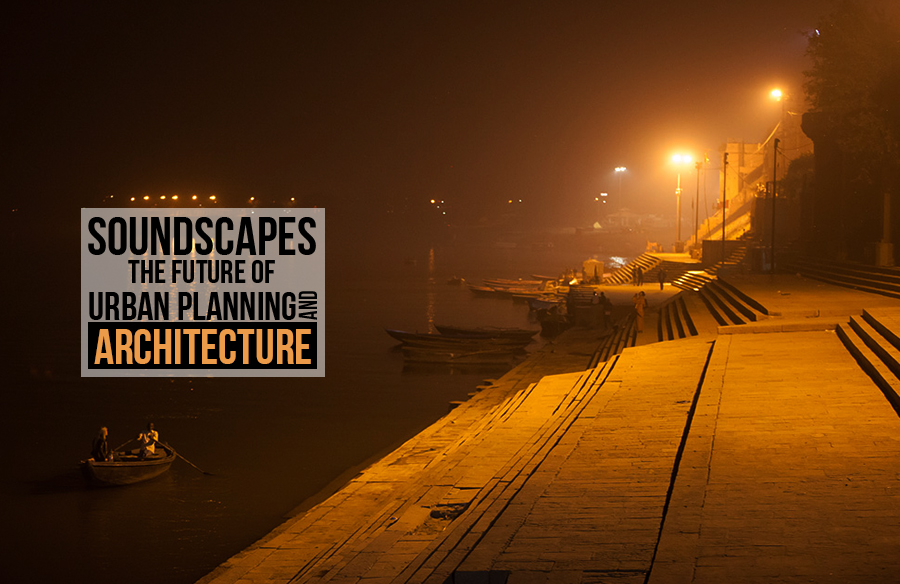
- Leus and multiple urban researchers have presented cities as visual structures and sonic environments. Modern science now acknowledges sounds that used to be dismissed as noise as significant cultural elements. Leus emphasizes that environmental noises possess the status of “invisible architecture” (Leus, 2021). Exactly what are the words indicating? Walking through a market creates a rhythmic pattern of vendor calls that reverberates across the streets. The ghats of Varanasi feature peaceful rhythmic prayers which create a spiritual cadence that becomes integral to the city’s essence. These sonic elements act as more than an auditory background because they contain essential cultural characteristics of specific locations. Through their auditory features, these locations establish links between present-day visitors and their cultural heritage by providing distinctive soundscapes that help identify heritage sites worldwide.
This new approach to city perception provides multiple methods for cultural landmark protection and preservation. The definition of heritage has evolved past its association with monumental buildings and statues. The protection of sounds that form a place’s distinct character now represents the core of heritage conservation efforts. The ghats of Varanasi present a unique sonic experience through the blending of religious chants with the muezzin’s call to prayer. The essence of this city exists through the perfect fusion of architectural elements and sonic components that create an essential connection between cultural heritage and the city’s fundamental nature. These sonic components operate as historical artifacts similar to monuments because they establish strong connections between past and present at a deeply perceptible level.
Sound as an Anchor for Place Identity
What elements make a place feel like home? People tend to notice sounds more than visual elements when determining where they belong. When one thinks of iconic spaces, they tend to think of what it might look like. The acoustic elements of these environments which include market laughter, textile shop fabric noise, and street traffic noise share equal importance.
According to Leus, environmental sounds play a vital role in defining heritage spaces. Leus maintains that these sounds function as more than mere auditory additions because they establish what defines each space. Each market in Chandni Chowk of Delhi maintains its distinctive auditory signature. The rhythmic metal hammering in Chawri Bazaar and the low conversational noise mixed with paper shuffling in Nai Sarak create essential soundscapes that define each bazaar’s distinct atmosphere. The sounds are essential because they determine how the place feels to its visitors. The sounds create a musical tapestry of the city which influences our emotional and cultural connection to the place.
But why does this matter? The preservation of these sounds represents an essential component of maintaining the cultural heritage of specific locations. Leus’s work demonstrates that a place derives its identity from physical structures along with the audible narratives these structures convey through sound. The markets along with squares and streets unite to build a sonic environment that ties people to historical practices and cultural heritage as well as their shared cultural background. The sounds play a crucial role in maintaining this connection because their absence would create a gap in the relationship.
The Role of Sonic Heritage in Urban Planning
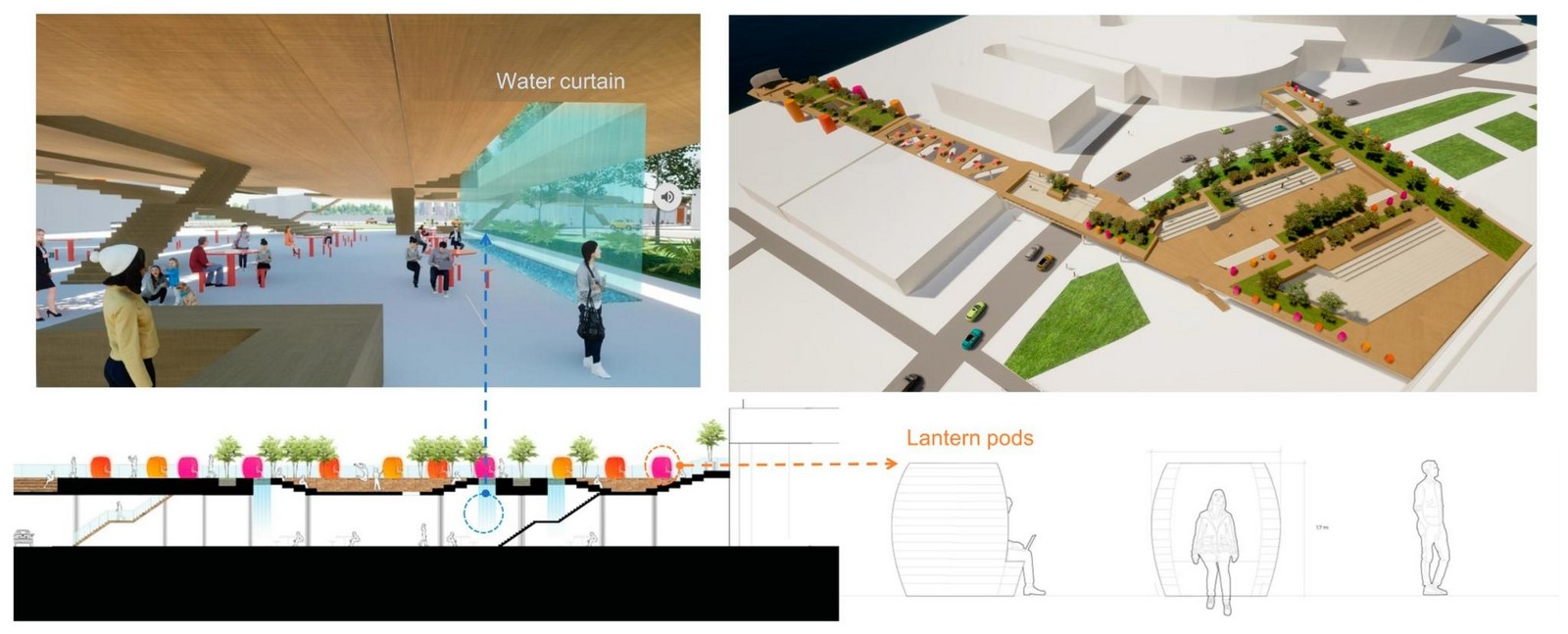
This new perspective about sound impacts how urban planning will develop in the future. These sonic elements must be integrated into the design of urban spaces during the creation process. The modernization of cities causes numerous characteristic sounds to disappear because of increasing traffic noise construction activity and technological background noise. The cultural heritage of locations now includes the auditory elements which need the same level of protection as visual elements in urban areas.
Through his research, Leus presents a fresh approach to urban planning that values sonic heritage as an essential element. Protecting a place’s soul requires more than preserving its monuments and buildings. A place’s uniqueness requires us to examine its distinctive auditory features, which create its recognizable auditory environment. Cities serve as locations where people experience and connect with their environments through physical presence and sensory engagement.
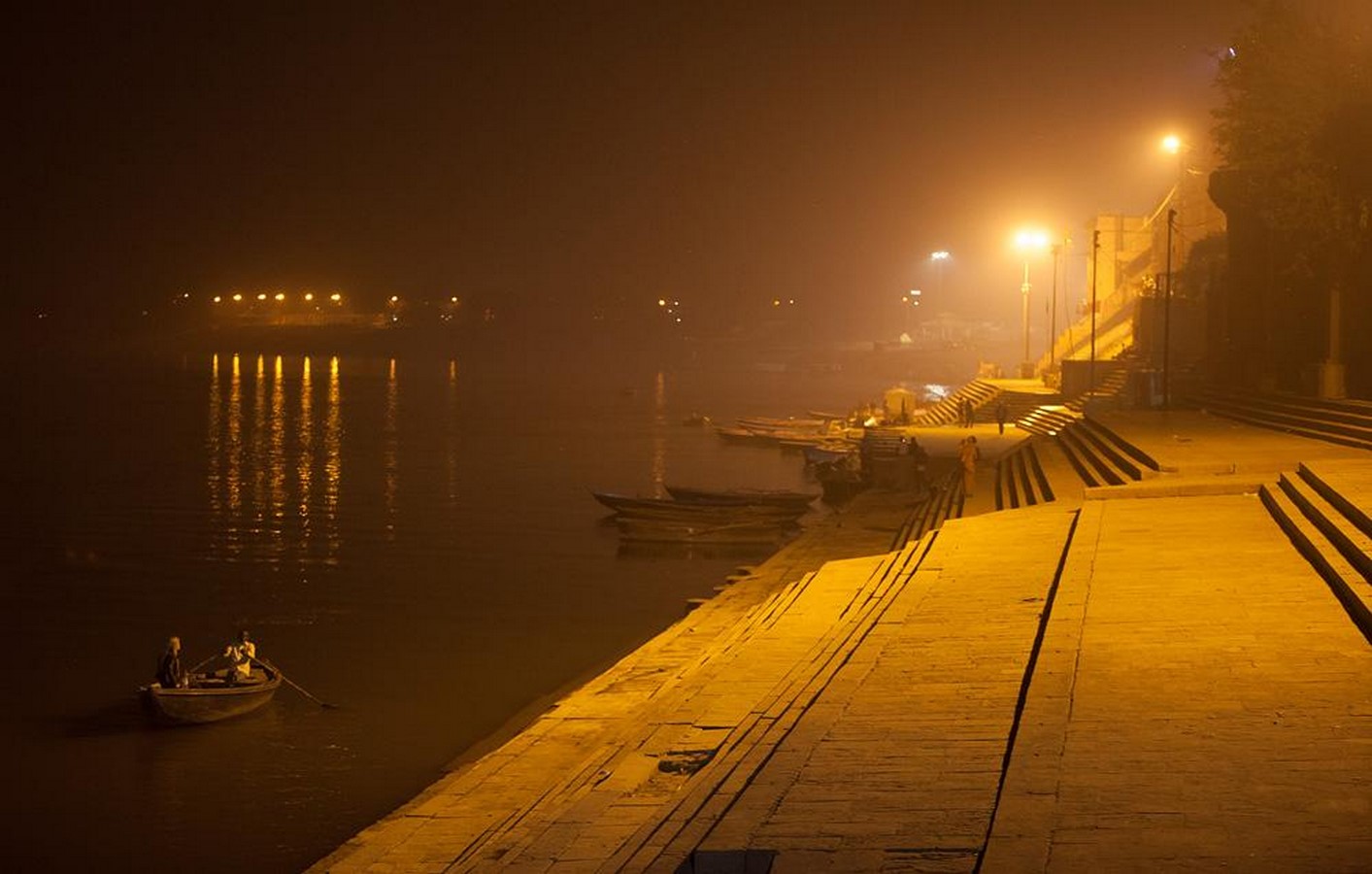
Varanasi serves as an example of a city. The ghats that run along the river create a one-of-a-kind sonic environment through their spiritual activities and the water’s sounds against stone steps. Varanasi’s cultural value stems from its visual grandeur as well as the musical essence that defines the city. The essential part of the city’s identity would disappear if the distinctive sound vanished.
The Future of Soundscape Preservation
The integration of sonic elements with urban growth represents a future challenge for preservation efforts. The distinct character of a place emerges from the combination of street vendor sounds with religious rituals and local business noises and the brief periods of silence between these noises. Urban planners together with preservationists need to establish methods for safeguarding these sounds because they form essential elements of city fabric.
Protecting sonic heritage requires more than maintaining past sounds because it defines the path toward future development. The increasing technological sophistication of cities threatens to eliminate the distinctive sounds that previously characterized them. Our current recognition of these soundscapes will help preserve them so that future generations can experience the complete cultural heritage of cities.
The new perspective transforms our understanding of cities while transforming our understanding of heritage as a whole. The concept of city value now extends beyond visual monuments and structures. The definition of heritage has evolved to encompass a complete sensory experience. Our ability to hear the city as a sonic space reveals its depth and complexity because its narrative exists in stone and sound.
References:
Leus, M. (2011) The soundscape of cities: a new layer in city renewal. WIT Transactions on Ecology and the Environment, 150: 355–367.
Schafer, M.R. (1977) The Soundscape-Our Sonic Environment and the Tuning of the World.