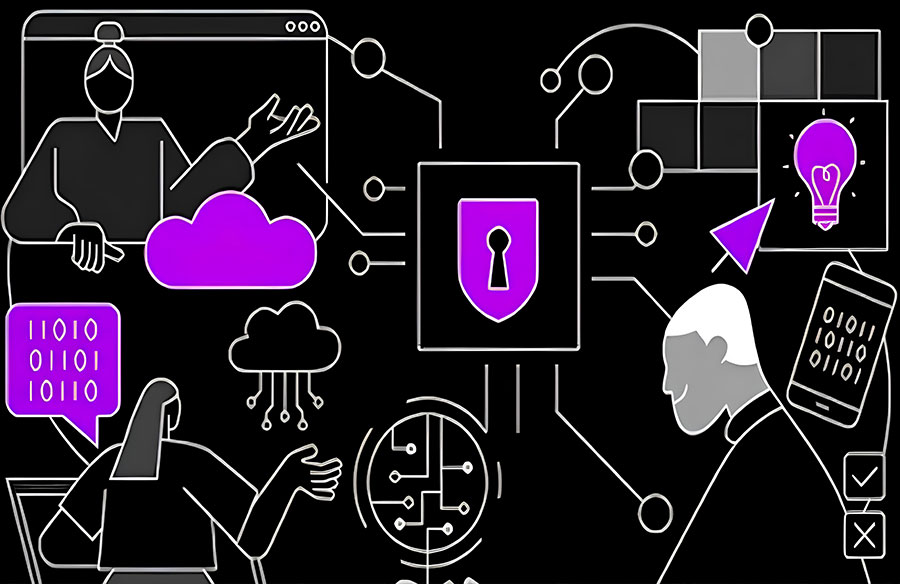
Cyberattacks are hitting businesses harder than ever. Hackers steal data, shut down systems, and leave companies scrambling to recover. Many business owners feel unprepared for these online threats. Ignoring digital security today can lead to costly problems tomorrow. Did you know that 43% of cyberattacks target small businesses? Even a single vulnerability in your system can be an open door for bad actors. But the good news is, there are advanced tools and tactics to protect your digital foundation. This guide will take you through critical measures like multi-factor authentication (MFA), data encryption, cloud protection tips, and more. By the end, you’ll have practical steps to strengthen your business security. Ready to make informed decisions? Let’s get started!
Understanding Key IT Security Threats
Cybercriminals are constantly refining their tactics to exploit weak spots. Ignoring these risks is like leaving your front door wide open at night.
Common cyber risks businesses face
Hackers often use phishing attacks to trick employees into sharing sensitive information. These scams often include fake emails that pretend to be from trusted contacts or organizations. Falling victim to such schemes can expose businesses to financial losses and data breaches. Ransomware remains a growing threat, locking systems and demanding payment for access. Small and mid-sized companies are frequent targets due to their perceived weaker defenses, which is why many turn to regional experts like Pittsburgh IT support to strengthen their cyber defenses and stay resilient. Without adequate backups or network security measures, recovery becomes expensive and time-consuming.
The impact of unpatched vulnerabilities
Unpatched vulnerabilities leave paths wide open for cyber threats. Attackers exploit these flaws to access sensitive data, disrupt operations, or install ransomware. In 2022 alone, over 22,500 new software vulnerabilities were reported globally. This overwhelming number highlights the risks of neglecting timely updates.
“An unpatched system is a recipe for disaster.” Businesses relying on outdated systems risk financial losses and damaged reputations. For instance, the 2017 Equifax breach exposed the records of nearly 147 million individuals due to missed security patches. Small oversights like this can escalate into irreparable damage for businesses of any size.
Advanced Measures for Business Protection
Protecting your business requires more than basic defenses. Enhance your digital shield with forward-thinking and more intelligent strategies.
Implementing multi-factor authentication (MFA)
Adding multi-factor authentication (MFA) enhances digital security. It requires users to provide two or more proofs before accessing sensitive systems. These can include something you know (password), something you possess (a mobile device or hardware token), or even a biometric, like a fingerprint. Hackers find it more challenging to bypass accounts with MFA in place. Even if passwords get stolen, the extra verification step prevents unauthorized entry. Businesses lower their risk of data breaches and safeguard client trust by making this security measure mandatory for all employees and systems.
Data encryption strategies for sensitive information
Secure sensitive data using Advanced Encryption Standard (AES). This approach protects information with a 256-bit key, making it extremely difficult to compromise. Encrypt files before sharing them externally or storing them in cloud services. Businesses hosting sensitive data should also consider using reliable virtual private servers to ensure isolated, secure environments for storing and processing confidential information.
Always enable encryption for hard drives and removable devices such as USBs. Safeguard data in transit with Transport Layer Security (TLS). TLS provides secure connections for emails, online transactions, or remote work communication. Use encrypted messaging platforms to protect business discussions. Keeping encryption updated regularly helps defend against potential breaches. Encryption turns your secrets into unreadable puzzles—only the right key can solve them.
Real-time threat detection and incident response
Hackers often take advantage of security gaps before encryption can fully safeguard sensitive data. Rapid threat detection serves as an essential defense, identifying suspicious activity the moment it happens. Systems like Intrusion Detection and Prevention (IDP) tools monitor networks around the clock for unusual behaviors or unauthorized access attempts. These tools notify teams immediately, providing critical moments to respond before damage increases.
Quick responses reduce downtime and safeguard essential business operations. Automated incident response systems contain compromised areas without human involvement to prevent threats effectively. Cybersecurity experts emphasize continuous monitoring combined with pre-established action plans to address breaches quickly. Time saved in these efforts often results in fewer losses and stronger long-term protection against cyber risks.
Enhancing Cloud Security
Cloud environments are like vaults; they need proper locks to protect valuable data. Enhance your defenses by focusing on access, monitoring, and secure configurations.
Identity and Access Management (IAM)
Control who gets access to what with Identity and Access Management (IAM). By assigning roles, businesses can restrict sensitive data exposure to only those who require it. This prevents unauthorized users from infiltrating critical systems. Enhance security by observing login behaviors. Identify unusual patterns like repeated failed logins or unfamiliar devices in real time. Stay ahead of cyber threats while maintaining strong protection for your digital core.
Cloud Security Posture Management (CSPM)
Cloud Security Posture Management (CSPM) helps businesses identify risks within their cloud environments. It continuously monitors settings and configurations to identify vulnerabilities like open ports or misconfigured storage buckets. These small errors often expose sensitive data or create entry points for attackers. CSPM tools automatically scan for such issues and alert teams before problems get worse. Automating compliance checks is another major benefit of CSPM systems. They compare your cloud’s setup against industry security standards, saving time on audits. Errors in adherence can lead to penalties and legal troubles, making this feature essential for business protection. Strengthening identity controls supports these efforts, ensuring safe access management in further securing the cloud environment.
Best practices for securing cloud applications
Protecting cloud applications should be a priority for businesses. Securing them safeguards sensitive data and reduces risks.
- Regularly update systems to fix vulnerabilities. Outdated software increases the chances of cyber threats targeting weaknesses.
- Implement Identity and Access Management (IAM). Limit access to only authorized users and assign roles based on their job needs.
- Continuously monitor activities within your cloud applications. Unusual behavior can signal security breaches, so act quickly if it is detected.
- Encrypt all data transferred or stored in the cloud. Encryption ensures that even intercepted information remains unreadable to hackers.
- Conduct frequent security assessments of cloud environments. These tests help identify weak spots before attackers do.
- Require multi-factor authentication for logging in. Two or more verification steps make unauthorized access much harder.
- Train employees on the proper use of cloud platforms. Knowing best practices helps reduce accidental errors that open doors to threats.
- Set up automatic backups of critical data regularly. Backups protect against loss from attacks like ransomware or unexpected outages.
- Review third-party providers and agreements often. Confirm they meet your business’s security standards and follow compliance rules effectively.
- Disable unused features or services in your applications immediately. Fewer active components reduce potential entry points for malicious actors.
Building a Security-First Business Culture
Make cybersecurity second nature by fostering habits that protect your business, like locking a door before leaving home.
Employee training on cybersecurity awareness
Employees can be your strongest shield or weakest link in cybersecurity. Training them on digital security measures is a must for business protection.
- Educate employees about common cyber threats like phishing and malware. Use real-life examples to make it relatable.
- Conduct quarterly workshops or refresher courses on best practices for password hygiene and data protection.
- Role-play scenarios where staff can practice identifying fake emails, suspicious links, or unauthorized access attempts.
- Provide clear, written guidelines on handling sensitive information and following IT security protocols.
- Promote open communication so employees feel comfortable reporting potential threats without fear of blame.
- Set up regular quizzes to test knowledge and keep everyone focused on staying safe from cyber threats.
- Reward staff who follow security rules consistently to encourage good cybersecurity practices.
- Use practical training tools, such as simulated phishing tests, to teach useful skills in spotting risks online.
- Assign tech support or IT teams to respond to employee questions about cybersecurity quickly and clearly.
- Share stories of businesses that faced breaches due to human error as cautionary tales they won’t forget.
Cross-department collaboration for secure operations
Breaking down silos strengthens security. IT teams, HR, finance, and operations must share information efficiently. This exchange helps detect cyber threats faster. For example, payroll staff might notice suspicious access to sensitive employee data and report it immediately. Open communication builds trust between departments. Regular meetings or updates create a collaborative approach to digital security measures. Every team plays a role in business protection by identifying vulnerabilities early and acting swiftly to contain risks.
Staying Compliant with Security Standards
Follow proper rules and maintain partnerships securely to avoid expensive penalties—read on for more effective practices.
Importance of regulatory compliance
Regulatory compliance safeguards businesses from significant penalties and legal issues. Numerous industries mandate strict observance of laws like GDPR or HIPAA, particularly when dealing with sensitive customer data. Disregarding these standards poses risks of financial setbacks and damages to your reputation. Compliance also fosters trust with clients. Customers gain assurance knowing their personal information remains secure under appropriate protocols. Aligning practices with regulations not only safeguards but also enhances business credibility in competitive markets.
Managing third-party risks effectively
Outsourcing services or working with third parties can expose businesses to security issues. Vendors or contractors with inadequate cybersecurity protocols may compromise your data protection efforts. Evaluate their policies and practices before allowing access to sensitive information. Create detailed contracts specifying security requirements. Include provisions for routine audits and compliance reviews. Track third-party activities in real time using sophisticated threat detection tools. This forward-thinking approach minimizes the risks of breaches caused by external collaborations.
Conclusion
Protecting your business isn’t a luxury—it’s a necessity. Cyber threats evolve daily, and staying one step ahead is vital. With advanced security measures in place, you can safeguard data and maintain trust. Don’t leave room for mistakes; act now to secure your digital core. The time to prioritize safety is today.