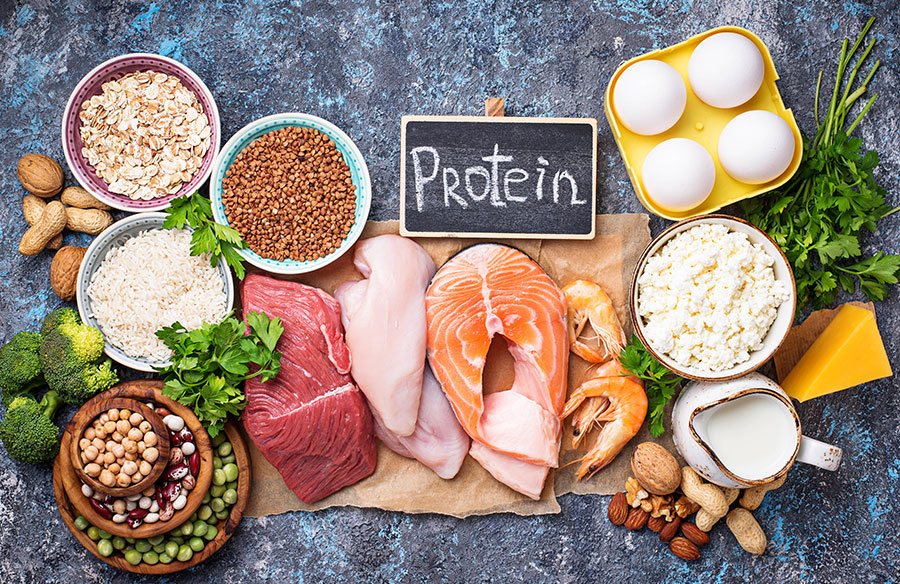
Struggling to find a way to eat healthily without feeling hungry all the time? You’re not alone. Many people feel stuck between constant cravings and meeting their fitness or wellness goals. It’s frustrating, right? Here’s something worth knowing: protein has incredible benefits for your body. It helps build muscle, keeps you full longer, and even supports steady weight loss when eaten the right way. A diet rich in protein can make it easier to reach those health outcomes you’ve been aiming for. This blog will provide practical tips and easy food options that keep things simple yet effective. Stick around—you’ll want these ideas on your plate!
The Role of Protein in Health Outcomes
Protein plays a key role in keeping your body strong and functional. It directly impacts how you look, feel, and perform daily tasks.
Supporting muscle growth and repair
Muscle fibers recover and grow stronger with the support of a protein-rich diet. Consuming enough protein aids muscle protein synthesis, a process essential after intense physical activity or daily wear and tear. This repair mechanism keeps your muscles prepared for physical demands while reducing recovery time. “Protein is like the bricks to your body’s construction site,” says fitness expert Dr. Julie Smith, highlighting its role in maintaining strength. Lean meats, eggs, and plant-based proteins like lentils are great options for promoting this growth effectively.
Enhancing fat loss and body recomposition
Maximizing muscle repair also aids in reducing fat. Protein-rich diets help the body maintain lean tissue while burning more calories from stored fat. This process enhances overall body composition, making you stronger and more flexible. Consuming enough protein increases heat production during digestion. This burns additional calories without any extra effort. High-protein meals also help minimize cravings, assisting in avoiding overeating, a crucial factor for business owners managing long hours or demanding days.
Boosting metabolic rate
Eating foods rich in protein can enhance your metabolic rate, aiding in burning more calories even while at rest. Digesting protein demands more energy compared to fats or carbs, a process known as the thermic effect of food (TEF). Diets high in protein may increase TEF by 15-30%, which enhances calorie-burning capability.
Protein also helps maintain lean muscle mass during weight loss. More muscle tissue leads to higher daily energy use since muscles burn calories even when at rest. Incorporating foods like salmon, eggs, or lentils into your meals supports metabolism and keeps your body functioning effectively. As per Protein Chefs, a balanced, high-protein approach can also simplify healthy eating through well-portioned, ready-to-go meals.
Promoting satiety and reducing cravings
Protein slows digestion and keeps you feeling full longer. Adding high-protein foods like eggs or Greek yogurt to your breakfast can help reduce mid-morning snack cravings. A protein-rich diet stabilizes blood sugar levels, minimizing energy drops that often trigger overeating. Including nutrient-rich options like lentils or nuts in meals helps curb hunger by supporting satiety hormones. As a business owner, fueling your body this way ensures sharp focus for decision-making without constant snacking interruptions.
Next: Top High-Protein Foods for Better Health
Top High-Protein Foods for Optimal Health
Fuel your body with powerhouse foods rich in protein to support energy, muscle, and overall health—read on to discover your options!
Lean chicken breast
Lean chicken breast provides a significant amount of protein. A 3-ounce serving contains approximately 26 grams of high-quality protein with minimal fat. It promotes muscle health, making it perfect for individuals pursuing fitness or weight management goals. It can be prepared in numerous ways. Grill, bake, or stir-fry it for quick meals that please both taste buds and appetite. This nutrient-rich choice also complements vegetables and whole grains, enhancing balanced dietary habits with ease.
Salmon and other fatty fish
Chicken may often be chosen for protein, but salmon provides additional health benefits. Full of omega-3 fatty acids and high-quality protein, it promotes heart health and helps reduce inflammation. Business owners with limited time can appreciate its flexibility—grill it, bake it, or add it to a salad. Salmon also aids in supporting brain health, thanks to its DHA content. Combining this nutritious food with whole grains or roasted vegetables results in a well-rounded meal. For busy professionals focused on health goals, eating fatty fish like mackerel or trout offers comparable advantages while keeping your schedule manageable.
Eggs
Eggs offer a solid amount of protein, with around 6 grams per large egg. They deliver excellent-quality protein that helps with muscle health and weight management. Packed with essential amino acids, they assist in muscle repair and overall recovery. These nutrient-rich foods are adaptable and cost-effective. Scramble them for breakfast or hard-boil them for a convenient snack. The yolks contain beneficial fats, vitamins like B12, and choline, which support brain function.
Greek yogurt and cottage cheese
Greek yogurt is rich in protein and low in fat. A 6-ounce serving can provide up to 20 grams of protein, supporting muscle growth. Its probiotics support digestion, offering gut health benefits for busy business owners on the move. Cottage cheese provides slow-digesting casein protein, making it ideal before bed or during long workdays. Half a cup contains about 14 grams of protein while being low in calories. Combine it with fruits or vegetables for additional nutrients and flavor balance with minimal preparation.
Lentils and legumes
Lentils and legumes are rich in protein, making them excellent for health-focused diets. A single cup of cooked lentils provides around 18 grams of protein, along with essential nutrients like iron, folate, and magnesium. These nutrient-rich foods also contain fiber that aids digestion and helps manage appetite.
Black beans, chickpeas, and peas are other fantastic plant-based proteins you can incorporate into your diet. They are great in soups, salads, or even as a meat replacement in dishes like tacos or burgers. Affordable and adaptable, lentils and legumes demonstrate that you don’t need to spend a lot for balanced nutrition.
Tofu and tempeh
Both tofu and tempeh are excellent plant-based proteins. Made from soybeans, they are rich in essential amino acids. Tofu provides around 10 grams of protein per half-cup serving, making it flexible for meals. Tempeh offers even more—about 15 grams in the same amount—along with fiber to support digestion.
These nutrient-packed foods fit perfectly into high-protein diets. Grilled tofu can replace meat in stir-fries or salads. Tempeh’s nutty flavor stands out when marinated and pan-fried as a burger alternative. Both options offer balanced macronutrients without straining your budget, ideal for cost-conscious choices in balanced nutrition plans.
Nuts and seeds
Tofu and tempeh serve as excellent plant-based proteins, while nuts and seeds offer their own strengths. Almonds, walnuts, chia seeds, and flaxseeds provide protein along with healthy fats. These small foods enhance energy levels while promoting heart health. For busy schedules, nuts like pistachios or peanuts are perfect snacks you can grab quickly. Seeds such as pumpkin or sunflower complement salads by adding texture and protein. Their nutrient-rich profiles support wellness goals while keeping meals practical and fulfilling.
Whey protein powder
Nuts and seeds are convenient snacks, but they might not provide enough protein for fast-paced lifestyles. That’s where whey protein powder becomes a valuable option. Derived from milk during cheese production, it’s a complete, nutrient-rich choice containing essential amino acids. Business owners managing busy schedules can appreciate its quick preparation—just mix it with water or your preferred smoothie. A high-protein diet supports muscle health and weight management. Whey excels in supporting muscle protein synthesis due to its quick absorption rate. It also improves feelings of fullness, helping reduce cravings throughout the day. Choose powders low in added sugar for better overall nutrition while avoiding empty calories that could affect your energy levels at work.
High-Protein Meals for Health and Fitness Goals
Fuel your body with simple, protein-packed meals that align with your wellness goals and taste amazing every time.
Grilled chicken salad
Grilled chicken salad can offer a significant amount of nutrition for busy business owners. Lean chicken breast provides high-quality protein, which supports muscle health and promotes satiety. Toss it with leafy greens like spinach or kale for fiber and vitamins. Add colorful vegetables such as cherry tomatoes, cucumbers, or bell peppers to enhance nutrient density. Top the salad with healthy fats like avocado slices or a drizzle of olive oil. Sprinkle nuts or seeds for crunch and additional protein-rich benefits. This combination supports energy levels without unnecessary heaviness, making it perfect for lunch meetings or on-the-go meals.
Salmon with roasted vegetables
Switching from grilled chicken, salmon provides rich omega-3 fatty acids, vital for heart health and reducing inflammation. Pair it with roasted vegetables like broccoli, carrots, or zucchini to increase fiber and nutrients. This wholesome meal aids muscle protein synthesis while supporting fullness. Roasting intensifies the natural flavors of both salmon and veggies without extra fats. Season gently with olive oil, garlic, or herbs for a well-rounded dish perfect for weight management goals. It’s quick to prepare yet feels high-quality—ideal for busy schedules aiming to focus on wellness goals effectively.
Turkey-stuffed bell peppers
Stuff bell peppers with lean ground turkey to create a nutrient-rich, high-protein meal. Filled with muscle-supporting protein and essential vitamins, this dish aids body composition goals while managing hunger effectively. Bake the peppers until tender and savor their natural sweetness paired with the savory turkey filling. Include quinoa or brown rice for added fiber and carbohydrates that support sustained energy during demanding workdays.
Tofu stir-fry with quinoa
Tofu stir-fry with quinoa makes a high-protein meal that’s quick and nutrient-rich. Packed with plant-based protein, tofu offers muscle-supporting benefits without animal fats. Quinoa contributes complete protein and essential amino acids, supporting body composition goals. Combined, they provide about 22 grams of protein per serving. Add fresh vegetables like broccoli, bell peppers, or snap peas for extra fiber and vitamins. Use low-sodium soy sauce or tamari to keep the dish heart-healthy while enhancing flavor. Cook everything in a single pan to save time and simplify cleanup after your busy day at work.
Greek yogurt parfait with berries
Layer creamy Greek yogurt with fresh berries like blueberries, strawberries, or raspberries for a protein-rich treat. Each cup of plain Greek yogurt provides 20 grams of protein, aiding muscle health and keeping you full. Add crunch by sprinkling nuts or seeds on top. This simple option is packed with nutrients and quick to prepare, making it ideal for busy mornings or midday energy needs. Honey or a dash of cinnamon can enhance the flavor without processed sugars. Looking for more ways to stay energized? Consider trying a protein-filled omelet next!
Protein-packed omelet
A protein-rich omelet energizes your body for demanding days. Whisk eggs and mix in diced vegetables like spinach, bell peppers, and onions. Add lean meats such as turkey or chicken breast for additional muscle-supporting benefits. Sprinkle shredded cheese or add a dollop of Greek yogurt for creaminess and extra protein. Pair the omelet with whole-grain toast to balance nutrients while staying full longer. Perfect for breakfast or midday energy during busy schedules!
Lentil soup with whole-grain bread
Moving from a protein-rich omelet, lentil soup paired with whole-grain bread makes for another nutrient-dense option. Lentils provide plant-based proteins and essential amino acids. They also contain fiber, iron, and folate, supporting muscle health and overall wellness. Whole-grain bread adds complex carbs that maintain energy throughout busy workdays. Combining these two foods increases fullness without excess calories. This meal suits lunch or dinner and while keeping your dietary choices both balanced and satisfying.
Turkey meatballs with pasta
Turkey meatballs combined with whole-grain pasta create a meal packed with protein. Ground turkey provides lean protein, promoting muscle health and assisting in weight management. Choose herbs like parsley or oregano to add flavor without additional calories. Cook the meatballs in olive oil to incorporate healthy fats. Serve them with marinara sauce for more nutrients and taste. Whole-grain pasta adds fiber, aiding digestion and keeping you full longer. This dish aligns with wellness goals while making meals delightful!
Protein Timing and Distribution
Distribute your protein intake thoughtfully throughout the day to maintain steady energy and aid muscle repair—discover how timing makes a difference.
Importance of spreading protein intake throughout the day
Spreading protein intake throughout the day helps maintain steady muscle protein synthesis. Consuming all your protein in one meal means you miss out on this benefit and may leave you feeling tired. Frequent portions of nutrient-rich, high-protein foods can help sustain energy levels during busy workdays. A balanced dietary pattern with evenly distributed protein helps control hunger. It promotes a feeling of fullness while curbing cravings for unhealthy snacks. For business owners managing packed schedules, it supports both productivity and wellness goals without making meals overly complex.
Pre and post-workout protein strategies
Eating protein before a workout helps fuel your muscles and supports muscle protein synthesis. Consuming 20-30 grams of fast-digesting protein, like whey or eggs, around 30 minutes before exercise can provide amino acids for peak performance. Pair the protein with a small amount of carbs for energy without causing sluggishness. Post-workout, aim to eat 20-40 grams of high-quality protein within an hour. This supports recovery and repairs muscle fibers after physical activity, just as Vigilant’s Oracle cloud plans help businesses recover performance and maintain operational continuity through proactive system management. Options like grilled chicken, Greek yogurt, or a whey shake mixed with water are effective. Adding some healthy carbs replenishes glycogen stores and speeds up recovery time.
Ideal protein intake before bedtime
Consuming protein before bedtime can support muscle health and recovery. Casein-rich foods like Greek yogurt, cottage cheese, or a small glass of milk release amino acids gradually during sleep. This helps muscle protein synthesis throughout the night, aiding repair and growth. Pairing these snacks with nutrient-rich options increases fullness while managing calorie intake. For plant-based alternatives, consider tofu or unsweetened soy milk. Balancing your evening intake aligns with overall dietary goals for managing weight and achieving body composition results efficiently.
Tips for Increasing Protein in Your Diet
Add protein to meals effortlessly. Simple changes and thoughtful planning can significantly enhance your daily intake.
Incorporating protein into every meal
Start the day with scrambled eggs or a Greek yogurt parfait. Both provide high-quality protein to support muscle health and energy levels. Pair them with whole-grain toast or fresh fruit for balance. Lunch can include grilled chicken salad or lentil soup. These options are nutrient-rich, supporting body composition goals while keeping you satisfied longer. For dinner, try salmon alongside roasted vegetables for a well-rounded meal rich in essential nutrients.
Choosing high-protein snacks
Adding high-protein snacks between meals helps maintain energy levels and control hunger. Choose Greek yogurt or cottage cheese paired with fresh fruit. These are rich in protein while offering essential nutrients like calcium. A handful of almonds or walnuts can also be effective. They deliver healthy fats along with protein to manage cravings. For something quick, try hard-boiled eggs, turkey jerky, or a small serving of roasted chickpeas.
Meal prepping for protein-forward meals
Chopping vegetables, grilling chicken, or cooking lentils in advance saves precious time during busy schedules. Pack meals in portioned containers to maintain balanced servings and protein-rich options. Focus on lean meats like turkey or plant-based choices like tofu for a variety of nutrients. Prepare foods such as boiled eggs or roasted salmon earlier in the week. This reduces daily food prep stress and limits unhealthy takeout temptations. Pair protein-rich dishes with fiber-packed veggies and healthy fats for a balanced plate that provides energy throughout the day.
Using protein shakes and bars effectively
Choose shakes and bars with 15-25 grams of protein per serving. Look for options low in added sugars to avoid unnecessary calories. Pay attention to fiber content; products with at least 3 grams can promote satiety. Use them as snacks or meal replacements during busy workdays. Pair a shake with fruit or nuts for balanced nutrition. Bars can curb cravings mid-afternoon when meetings stack up like dominoes. Avoid relying on them entirely—whole foods still reign supreme for overall health benefits.
Balancing Protein with Other Macronutrients
Pairing protein with the right carbohydrates and fats can help energize your body efficiently—stay tuned to learn more.
Pairing protein with healthy fats and carbs
Combining protein with healthy fats and carbs helps balance energy levels. Pair grilled chicken breast with avocado and brown rice for a nutrient-rich meal. This combination aids muscle repair, curbs hunger, and supports steady blood sugar levels throughout the day. For plant-based options, try tofu with olive oil-drizzled quinoa and roasted vegetables. The carbs provide quick energy while the fats slow digestion, extending satiety. Thoughtful pairings like these encourage good nutrition without making your meals overly complex.
The role of fiber in a protein-forward diet
Fiber supports smooth digestion. Combining fiber with protein-rich foods promotes gut health and can help prevent bloating or discomfort. High-fiber choices like lentils, beans, and whole grains pair well with lean meats or dairy in meals. It also encourages fullness by slowing digestion, contributing to long-term satisfaction and improved weight management. Foods such as oats, broccoli, or apples provide essential balance, preventing reliance solely on protein sources. Incorporating fiber with protein results in a more nutrient-rich diet for consistent energy throughout the day.
Avoiding common macronutrient imbalances
Balancing macronutrients is as essential as meeting your protein goals. Consuming too much protein while neglecting carbs or healthy fats can result in fatigue, low energy, and reduced performance at work or during workouts. Focus on nutrient-rich foods like whole grains, avocados, and olive oil, along with your protein-heavy options to keep energy levels stable. Adding a fiber source to meals also helps prevent digestive issues commonly associated with protein-heavy diets. Legumes, leafy greens, and berries support smooth digestion without sacrificing taste or convenience. A balanced plate not only nourishes, it supports long-term health.
Common Myths About High-Protein Diets
Many believe eating too much protein harms your body, but that’s not always true. Let’s cut through the noise and tackle these misconceptions head-on.
Debunking misconceptions about kidney health
High-protein diets do not harm kidneys in healthy individuals. That misunderstanding originates from older studies centered on people with pre-existing kidney conditions, not the general population. Healthy kidneys effectively handle protein without difficulty. Protein-rich foods genuinely promote overall nutrition and wellness objectives. For those with normal kidney function, moderate to high-protein intake aids muscle health and body composition without raising the likelihood of harm.
Addressing concerns about bone health
Concerns about bone health often arise with high-protein diets. Some worry that eating more protein removes calcium from bones, leading to weaker bones over time. However, research shows that a balanced, protein-rich diet can help maintain bone density when paired with adequate calcium and vitamin D intake. Protein contributes to building collagen, which provides bones with both flexibility and strength. Foods like salmon or Greek yogurt not only provide protein but also contain essential nutrients for skeletal health. Focusing on nutrient-rich foods ensures your body gets what it needs for strong bones without compromising muscle growth or the satisfying benefits of the diet.
Clarifying the role of protein in weight gain
Fears about protein causing weight gain often come from misunderstandings. Protein itself doesn’t add pounds unless consumed significantly beyond daily needs. Overeating anything, even nutrient-dense foods, can lead to storing excess calories as fat. Protein tends to curb overeating more than fats or carbs. It increases feelings of fullness and reduces cravings, which helps balance overall calorie intake. Choosing lean meats like chicken breast or plant-based proteins such as lentils supports healthy weight management while promoting muscle health.
Benefits of Protein-Forward Diets Beyond Fitness
Protein does more than just aid your workouts; it supports your overall vitality. It’s like giving your body a reliable toolkit for day-to-day resilience and wellness.
Supporting immune function
A diet rich in protein plays an important role in supporting the immune system. Amino acids, the fundamental components of proteins, help in forming antibodies that guard your body against infections. Lean meats, such as chicken or plant-based choices like lentils, provide these crucial nutrients. Adding quality protein sources to your daily diet helps with tissue repair and supports white blood cell production. Foods like Greek yogurt or fatty fish also provide additional benefits by supplying probiotics and omega-3s, which further support overall immunity.
Enhancing skin, hair, and nail health
Protein-rich foods are important for supporting the health of your skin, hair, and nails. Collagen, formed from protein’s amino acids, enhances skin elasticity and helps reduce signs of aging. Lean meats like chicken or turkey provide these essential building blocks effectively. Keratin production also depends on protein to keep your hair strong and nails resistant to splitting. Eggs, fish like salmon, and plant-based proteins such as tofu offer excellent nutrients for this purpose. A well-rounded dietary pattern with sufficient protein helps preserve their natural shine and strength over time.
Improving overall energy levels
Consuming foods high in protein can help maintain steady blood sugar levels, avoiding energy dips during the day. Meals that include lean meats, plant-based proteins, and healthy carbohydrates offer consistent energy for your body. Choosing snacks such as Greek yogurt or nuts provides lasting energy and helps avoid mid-afternoon fatigue. Ensuring an even intake of protein throughout the day supports concentration and productivity during extended work periods.
How to Determine Your Protein Needs
Find out how much protein your body craves to match your fitness and health goals.
Calculating protein requirements based on activity level
Active professionals need varying amounts of protein based on their routines. Sedentary individuals benefit from 0.8 grams per kilogram of body weight daily. Those with moderate exercise habits, like lifting weights or jogging, should aim for 1.2 to 2 grams per kilogram. Intense physical activity calls for a higher intake. Bodybuilders and athletes may require closer to 2 grams per kilogram to support muscle protein synthesis and repair. Distribute your protein across meals for better absorption and energy stability throughout the day.
Adjusting protein intake for specific goals
Adapting protein intake to your goals can make a significant impact. For weight loss, consuming 0.7-1 gram of protein per pound of body weight helps support fat loss while preserving muscle mass. To build muscle, aim higher—about 1-1.2 grams per pound of body weight daily is effective for most active individuals. Distribute protein across meals to maintain consistent muscle protein synthesis. Older adults may need extra high-protein foods to combat age-related muscle loss or weakness. Endurance athletes might also gain from adjusting amounts based on their training intensity and recovery needs. Calculating specific targets ensures you achieve your fitness or health goals efficiently without overconsuming calories from other macronutrients, keeping balance as a priority.
Recommendations for different age groups
Children benefit from balanced meals with protein-rich foods like eggs, Greek yogurt, and lean meats. These promote growth, muscle development, and overall health during their active years. Including plant-based proteins like lentils or tofu can also add variety. Adults aiming for weight management or muscle maintenance should focus on distributing protein intake across meals. Options like grilled salmon for lunch or a turkey salad at dinner are effective choices. Older adults may need slightly higher protein to address muscle loss associated with aging—cottage cheese or protein shakes serve as excellent options here.
Common Challenges and Solutions in a Protein-Forward Diet
Eating more protein sounds simple, but it can feel like herding cats when life gets busy. Struggles with cost, preferences, or variety can make sticking to the plan tricky.
Managing the cost and accessibility of protein sources
Purchasing larger quantities greatly reduces the expense of protein-rich foods like chicken, eggs, and lentils. Local farmers’ markets frequently provide fresh options at more affordable prices than chain stores. Plant-based proteins such as beans and tofu are cost-effective compared to animal sources. Including these in meals lowers costs while maintaining nutrition and fullness.
Overcoming taste fatigue
Switching protein sources regularly helps maintain variety in meals. Try replacing chicken breast with salmon or tofu to keep flavors appealing and diverse. Adding spices, herbs, or marinades brings variation without additional effort. Create high-protein dishes using different cooking methods. Grill one day, bake the next, or stir-fry with flavorful sauces like teriyaki. Mix Greek yogurt into smoothies or prepare lentil curry for a refreshing change in taste and texture.
Addressing dietary restrictions and preferences
Cater to dietary restrictions by offering a variety of protein sources. For plant-based eaters, options like lentils, tofu, and quinoa provide nutrient-dense choices. Those avoiding dairy can rely on almond milk-based protein powders or lactose-free Greek yogurt. Nut allergies? Focus on seeds like chia or sunflower for healthy fats and proteins. Gluten-sensitive individuals benefit from naturally gluten-free foods such as eggs, fish, and legumes. Choose adaptable meals to suit varied needs while meeting nutrition goals effectively, like pairing salmon with flexible veggies for balance.
Conclusion
A protein-forward diet can change how you feel and function daily. It supports your muscles, curbs cravings, and keeps you full longer. Small changes, like adding eggs or lentils, can make a big impact. Balance it with other nutrients to stay on track. Your health is worth every bite!