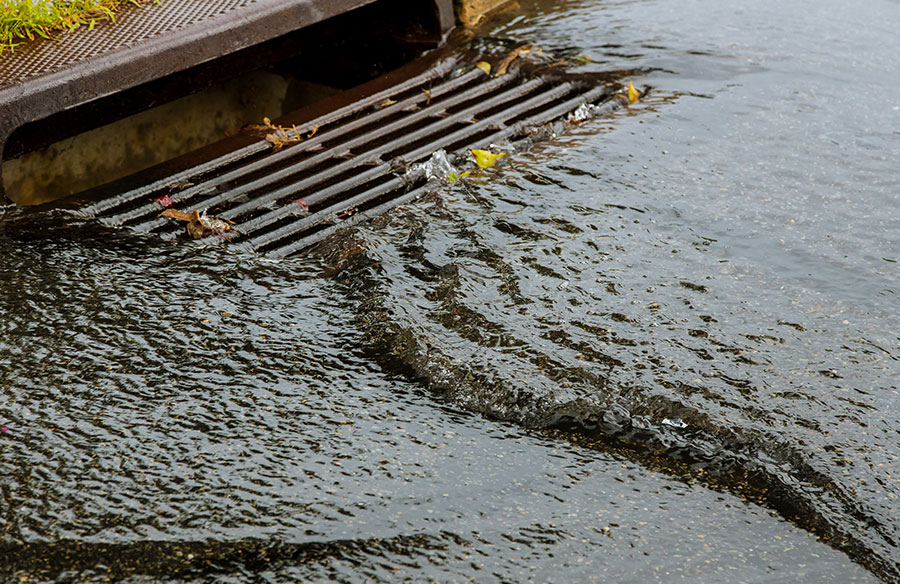
Let’s be real – heavy rain can turn your peaceful yard into a soggy mess faster than you can say “umbrella.” Most of us don’t give storm drains a second thought… until they’re backing up and flooding our property. And by then? You’re in damage-control mode.
If you’re sitting there wondering whether you actually need emergency storm drain cleaning, the answer might already be yes.
But how can you tell it’s time to call in the pros? I’ve rounded up the top 7 signs so you can spot the red flags before your backyard turns into a swimming pool.
1. Water Pooling Where It Shouldn’t
After a storm, do you notice water lingering around your yard, driveway, or sidewalk? That’s a sign the drain system is clogged or overwhelmed.
Your storm drain should channel water away fast. If it’s not, something’s blocking it — leaves, debris, or even mud buildup. And standing water isn’t just ugly; it’s a slip hazard and mosquito magnet.
2. Unusual Gurgling or Bubbling Noises
If you hear gurgling sounds coming from your drains or gutters, that’s not your house saying hi. It’s air trapped behind a clog trying to escape.
Ignore it, and the pressure can build up. Next thing you know, water’s overflowing where it shouldn’t. Trust me, the faster you act, the less you’ll pay in repairs later.
3. Bad Smells Near Drains
Let’s talk about the stink factor. A clean storm drain shouldn’t smell like a sewer.
If you’re getting whiffs of something foul after a heavy rain, it could mean organic matter (like leaves or garbage) is rotting inside your drain. Not only is it nasty, but it can attract pests and make blockages worse.
4. Slow Drainage After the Rain Stops
Watch how fast water disappears once the rain eases up. If you notice puddles lingering long after the skies clear, your drainage system is struggling.
A properly functioning storm drain clears standing water quickly. Slow drainage means buildup is reducing the drain’s capacity, and that’s when you need to call in experts for a deep clean.
5. Visible Debris Buildup at the Drain Entrance
Take a stroll over to your storm drain. See any piles of leaves, branches, or trash gathered at the opening? That’s a clear warning sign.
While you can clear the surface debris yourself, chances are the clog goes deeper. A pro can flush out the system and make sure the problem doesn’t keep coming back.
6. Flooding in Your Basement or Crawlspace
Let me paint the nightmare scenario: rain hits, the storm drain backs up, and water seeps into your basement or crawlspace.
Once that happens, you’re looking at potential mold, damaged belongings, and a hefty repair bill. If you’ve had even minor flooding before, don’t wait for a disaster — book an emergency cleaning now.
7. Recurring Issues After Every Storm
If you’re constantly dealing with the same drainage problems after every heavy rain, that’s no coincidence.
It usually means there’s an underlying issue that a quick DIY fix won’t solve. Think of it like this: you can bail out the water every time, or you can fix the root cause and stop the cycle.
Why Emergency Cleaning Matters
Here’s the deal — storm drain clogs aren’t just inconvenient, they’re dangerous. Ignoring the signs can lead to structural damage, landscape erosion, and even legal headaches if water overflows onto neighboring properties.
That’s why emergency storm drain cleaning is worth every penny. It’s not just about clearing a clog; it’s about protecting your home’s foundation, your yard, and your peace of mind.
How to Stay Ahead of Drain Problems
Okay, so you’ve spotted one (or more) of these signs — what now?
✅ Don’t wait it out. Call a trusted cleaning service ASAP.
✅ Schedule regular maintenance. Preventative cleaning is way cheaper than emergency repairs.
✅ Stay proactive. Keep leaves, trash, and debris away from drains after storms.
Final Takeaway
Storm drains aren’t something you think about every day — until they stop working.
But now you’ve got the cheat code: if you notice pooling water, weird noises, bad smells, or repeat problems after storms, it’s time to take action.
Want to save yourself the stress (and money) of water damage? Don’t DIY your way through a serious clog. Call in the pros who know how to handle it fast and right.
And hey, if you want to stay dry the next time the skies open up, maybe check your storm drains before the next downpour hits. Future you will thank you.