Bathroom fixtures play a crucial role in both functionality and design, so it’s important to select them with care. Choosing high-quality fixtures contribute to long-term durability, reducing the need for frequent repairs or replacements. Additionally, fixtures that match the bathroom’s overall theme create a cohesive, visually appealing space. Finally, a thoughtful selection also ensures that the fixtures align with water efficiency standards, saving both energy and money in the long run.
Equally important as selecting the right fixtures is hiring the right professional to ensure they’re installed properly. For this, relying on expert plumbers Dunedin residents have trusted for years can guarantee that everything is set up correctly, preventing future issues like leaks or poor water pressure. They can also offer valuable recommendations on which fixtures will best suit your bathroom’s design and function.
If you’re thinking of having your showerhead, faucet, or other bathroom fixtures replaced soon, here are some considerations to keep in mind:
1. Water Pressure Compatibility
Before picking out a new showerhead or faucet, it’s important to check if it’s compatible with your home’s water pressure. Some fixtures are built for high-pressure systems, while others are better suited for lower pressures. If you choose a fixture that doesn’t match what your home can handle, you might end up with poor water flow or erratic performance.
This mismatch can be frustrating during everyday use and may leave you feeling like your upgrade wasn’t worth it. In some cases, you might end up needing to replace the fixture altogether, which could require calling in a professional emergency plumber. They can help you quickly resolve the issue and recommend a fixture that better suits your needs.
2. Material and Build Quality
The materials used in your bathroom fixtures can make a big difference in how long they last and how well they hold up to daily use. It’s best to look for options like stainless steel, brass, or chrome, as these are known for strength, durability, and resistance to rust and corrosion.
Going for cheaper materials like plastic might save you money upfront, but they tend to wear out more quickly. Over time, you could also end up dealing with leaks, cracks, or stains—problems that not only require replacements but could also lead to water damage if not addressed early.
3. Water Efficiency
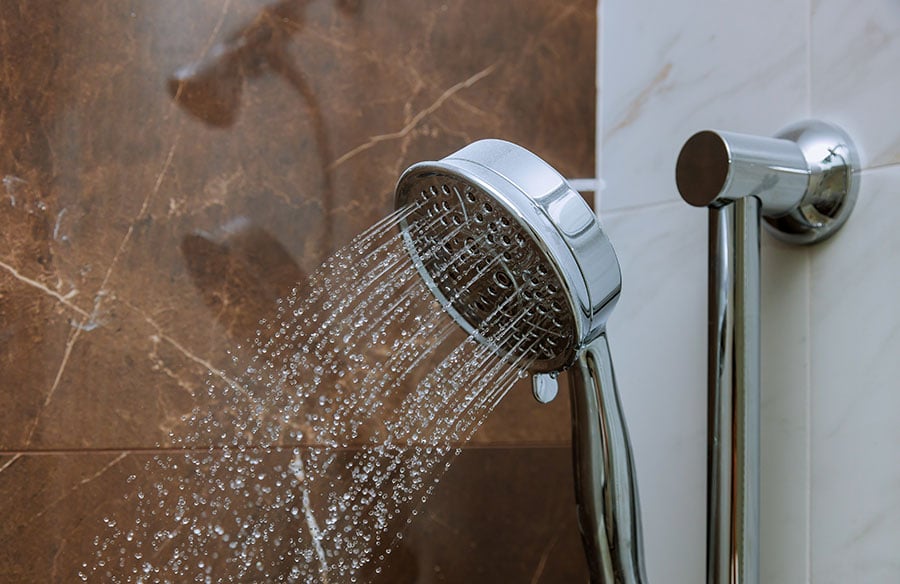
Opting for water-efficient fixtures like low-flow showerheads or faucets with built-in aerators can help you use less water while still providing a satisfying experience. These fixtures are designed to reduce water consumption without sacrificing pressure or comfort, making them a smart, eco-friendly choice.
It’s also worth noting that in some areas, using water-efficient fixtures isn’t just a smart choice; indeed, it’s encouraged through local regulations. For instance, the Water Efficiency Labelling Scheme (WELS) promotes the use of products that meet specific water-saving standards. By choosing efficiency, you contribute to conserving resources while also saving money.
4. Style and Finish
Your bathroom fixtures play a big role in the look and feel of your space. Whether you’re going for a sleek, modern vibe or something more traditional, the style and finish of your fixtures should match your overall design. Popular finishes like matte black, brushed nickel, and polished chrome can each create a different mood or focal point.
If you don’t consider how your fixtures fit into the rest of the room, the result might feel disjointed or off-balance. Even one fixture that clashes with the rest of the decor can make the entire bathroom feel less cohesive or outdated. Remember that while style and design may seem like small details in a bathroom, they can have a big impact on the overall atmosphere so it’s worth taking the time to choose fixtures carefully based on these criteria.
5. Ease of Installation and Maintenance
Not all bathroom fixtures are equally easy to install or maintain. Some come with simple, DIY-friendly designs, while others may need special tools or professional installation. If you’re planning to replace a fixture yourself, checking how it’s installed can save you a lot of stress.
It’s also helpful to think about how easy it will be to clean or replace parts over time. A fixture that’s tricky to take apart or prone to build-up can become a maintenance headache. Prioritising ease of use now can help you avoid future hassles.
6. Brand Reputation and Warranty
Sticking with well-known brands can give you greater confidence in the quality of your purchase. These brands often provide better customer support, clear installation guides, and reliable warranties that help protect your investment. On the other hand, choosing a lesser-known brand just to save money may come with trade-offs, such as lower product durability or limited customer service. Without a solid warranty, any defects or issues that arise later could also end up costing you more in repairs or replacements.
Additionally, it’s a good idea to read customer reviews to get a sense of how a product performs in real-world settings. You can also consult your local plumber for recommendations, as they can offer insights based on hands-on experience and help you choose fixtures that are built to last.
Upgrading your bathroom fixtures is more than just a practical decision. It also gives you a chance to create a space that suits your lifestyle, reflects your personal style, and adds value to your home. By keeping these key considerations in mind as you choose your new fixtures, even the smallest updates can lead to a noticeable improvement in both comfort and functionality.