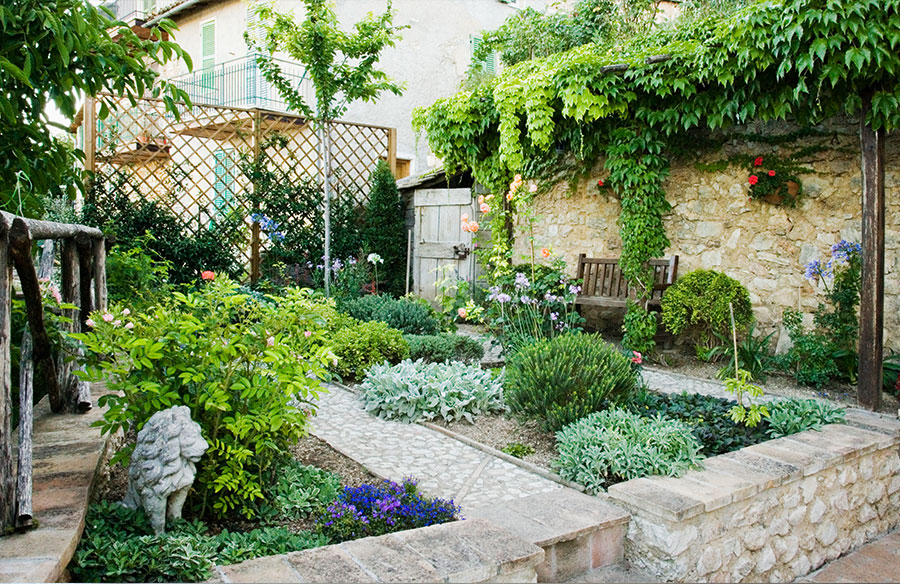
A beautiful outdoor space doesn’t have to come with endless yard work. With a few smart choices in design and planning, you can create a landscape that looks great year-round with minimal upkeep. Whether you’re a busy homeowner or simply want to spend less time weeding and watering, designing a low-maintenance landscape is a smart investment that pays off in both curb appeal and peace of mind.
Here’s how to build a long-lasting, easy-care yard you’ll love for years to come.
Start with a Solid Landscape Plan
Every lasting landscape begins with a well-thought-out plan. Before you plant anything, assess the layout, sunlight, soil type, and how you intend to use your space. Divide your yard into zones based on function, such as lounging areas, flower beds, or walkways, and determine the maintenance needs of each.
Sketch out where plants, pathways, and features like patios or raised beds will go. If you’re unsure where to begin, consider working with a landscape designer who specializes in sustainable or low-maintenance projects. Starting with a plan prevents costly mistakes and ensures every element of your yard has a purpose.
Choose Low-Maintenance Plants and Ground Covers
The plants you choose can either simplify your life or create more work. Opt for native plants and drought-tolerant species they’re naturally adapted to your climate, require less water, and resist pests. Perennials, ornamental grasses, and shrubs like lavender, juniper, or yarrow are great options for long-term beauty with minimal care.
Ground covers are another smart addition. They help retain soil moisture, suppress weeds, and eliminate the need for frequent mowing. Consider creeping thyme, clover, or mulch as attractive, low-effort alternatives to traditional grass.
Steer clear of plants that need frequent pruning, deadheading, or pest control, and you’ll save countless hours throughout the year.
Smart Hardscaping Choices
Hardscaping non-plant elements like patios, stone paths, and retaining walls can significantly reduce the area you need to water or mow. It also adds structure and visual interest to your yard. Choose materials like gravel, concrete pavers, or natural stone for durable, long-lasting surfaces that are easy to maintain.
Create clean borders with landscape edging to keep plants from spilling into walkways and to maintain a polished look. Hardscaping not only cuts down on work but also helps you define zones and create usable spaces for entertaining, dining, or relaxing outdoors.
Drainage Options That Protect and Preserve Your Landscape
Drainage is one of the most overlooked elements in landscape design but it’s crucial for long-term success. Without proper drainage, you risk soggy soil, plant diseases, root rot, and erosion. Fortunately, there are several effective solutions to manage water and keep your landscape healthy.
Start by grading your yard so that water naturally flows away from your home and planting beds. For problem areas, you might need more targeted solutions such as French drains, dry creek beds, or catch basins. Permeable pavers and gravel pathways also help absorb water and prevent runoff.
For a deeper look at what might work best for your yard, check out A Complete Breakdown of Landscape Drainage Options, which explains how to assess your property and choose the right system.
Good drainage not only protects your plants but also extends the life of your hardscaping and prevents damage to your home’s foundation.
Install Efficient Irrigation Systems
Manual watering can be time-consuming and inconsistent. To truly minimize your landscape maintenance, consider installing an efficient irrigation system like drip irrigation or soaker hoses. These systems deliver water directly to the roots of your plants, reducing waste and helping your garden thrive with less effort.
Add a programmable timer to automate watering, or invest in smart irrigation controllers that adjust based on weather conditions. Not only will this save water and time, but it will also reduce the risk of overwatering, which can be just as damaging as neglect.
Don’t forget to check your system seasonally to make sure it’s working properly and isn’t leaking or clogging.
Conclusion
Designing a low-maintenance landscape doesn’t mean sacrificing beauty or creativity. With the right planning, smart plant choices, durable hardscaping, and practical features like drainage and irrigation, you can enjoy a yard that looks great with far less effort.
Whether you’re starting from scratch or upgrading your existing outdoor space, taking the time to think through each element now will reward you with a landscape that’s easy to care for and built to last.
So go ahead, reclaim your weekends and enjoy a stress-free yard that works with your lifestyle, not against it.