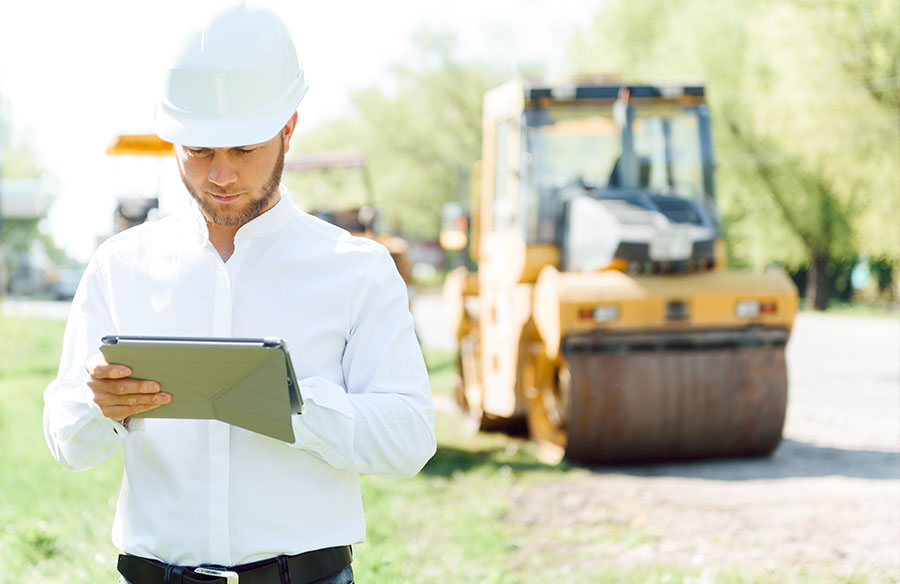
As your construction business begins to grow, so do your project demands, and with that comes the need for smarter, more strategic equipment decisions. Whether you’re taking on larger contracts, expanding into new specialties, or simply scaling operations, having the right machinery at your disposal is critical for efficiency, safety, and staying competitive in the industry.
From upgrading outdated machines to choosing between buying and leasing, here are the essential equipment decisions every growing construction company needs to make.
Evaluate Your Current Equipment Inventory
Before investing in anything new, take a close look at what you already own. Start by reviewing your equipment log and assessing each machine’s condition, usage rates, and performance on the job site. Is the machinery outdated or frequently breaking down? Are there tools that sit idle for months on end? These are clear signs it’s time to reassess.
You should also differentiate between core equipment that’s used regularly and specialty tools that are only needed occasionally. This step helps you identify what to keep, what to replace, and what might be better leased when needed. A full equipment audit gives you the clarity to make informed decisions moving forward.
Understand When to Upgrade or Replace
Every piece of equipment has a lifespan. As machines age, they become less efficient, more costly to maintain, and potentially less safe. If you’re constantly dealing with unexpected downtime, rising repair bills, or outdated technology, it may be time to upgrade.
Modern construction equipment is built with enhanced features like GPS integration, fuel-efficient engines, and improved operator controls. Investing in updated machinery can improve job site productivity, reduce wear on workers, and lower long-term costs.
It’s also wise to prioritize multi-functional equipment that can handle several tasks, such as a compact track loader with interchangeable attachments, to get more value from each investment.
Leasing Heavy Equipment: A Flexible Growth Strategy
Leasing heavy equipment is a smart solution for growing construction companies that need to scale quickly without draining cash reserves. It allows you to access top-of-the-line machinery without the hefty upfront investment, giving your business greater flexibility and financial breathing room.
Leasing can be especially beneficial for equipment that’s only needed for a short period or a specific project. Instead of spending capital on a machine you may only use occasionally, leasing lets you scale your fleet as needed and return or upgrade it when the job is done.
Another advantage of leasing is predictable budgeting. Many lease agreements include maintenance, making it easier to forecast costs and avoid surprise repair expenses. Plus, lease terms often provide the option to purchase at the end, giving you a chance to test equipment before committing to ownership.
If you’re looking for a reliable leasing partner, you can contact Falcon Leasing here. They offer a range of flexible equipment financing options designed for growing construction businesses.
Consider Equipment That Supports Long-Term Efficiency
As you build your equipment strategy, think beyond just meeting immediate needs. Look for tools and machinery that will improve efficiency and reduce costs in the long run. For example, machines with telematics systems can provide real-time data on usage, fuel consumption, and maintenance needs, allowing you to make proactive decisions that save time and money.
Automation and smart controls are also becoming standard in modern equipment, helping crews work faster and with greater precision. Investing in these technologies now can help your business operate more competitively in the future.
And don’t forget sustainability. Newer machines tend to be more eco-friendly, using less fuel and producing fewer emissions, important considerations as environmental regulations continue to tighten.
Plan for Future Expansion and Scaling
The equipment decisions you make today should support your business’s growth tomorrow. Align your purchases and leasing agreements with your short- and long-term goals. If you plan to expand your services, explore equipment options that allow you to branch into new project types.
Set aside a portion of your budget for future upgrades or emerging technologies that could give you a competitive edge. Building relationships with trusted suppliers, dealers, and leasing partners can also help you respond quickly to new opportunities without delays.
Flexibility is key whether it’s through purchasing versatile equipment or using leasing as a tool to pivot your operations when needed.
Conclusion
For growing construction companies, making the right equipment decisions is more than just a matter of cost, it’s about building a foundation for long-term success. By evaluating your current fleet, upgrading when necessary, exploring leasing options, and planning ahead, you can equip your team with the tools they need to work smarter, faster, and safer.
The construction industry is always evolving. With a strategic approach to equipment, your company can scale confidently and keep pace with whatever comes next.