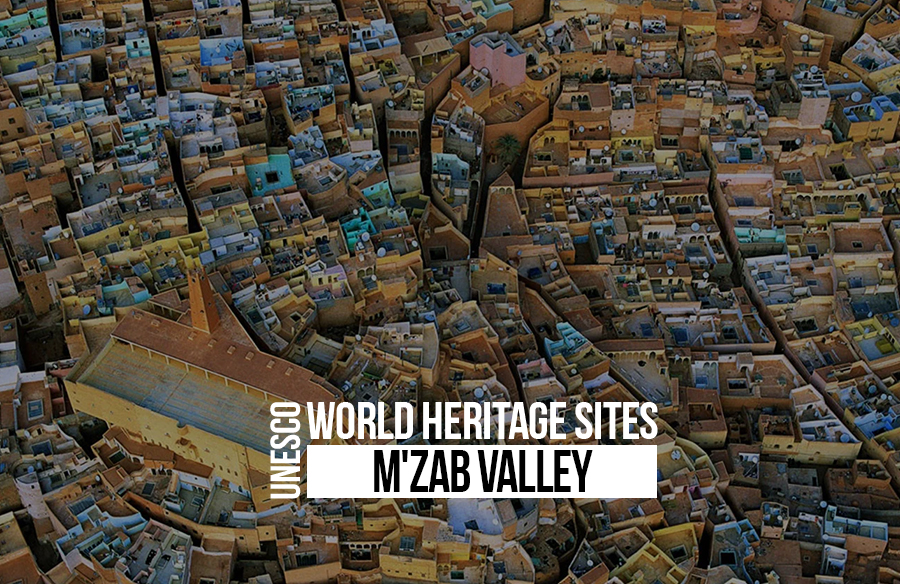
The M’Zab Valley, lying in the northern part of the Algerian Sahara, Africa was recognized as a World Heritage in 1982 by UNESCO for its feature of unique urban planning, sustainability, and deep cultural significance. It stands as a testament to the ingenuity and resilience of the Mozabite people and has great cultural significance. A habitable space, developed in the 10th century by the Ibadites around the five ksour, is preserved intact maintaining its originality of form and functionality till date. Simple, functional, and responsive to the environment, for community living, while maintaining the structure and integrity of the family.
Geomorphology
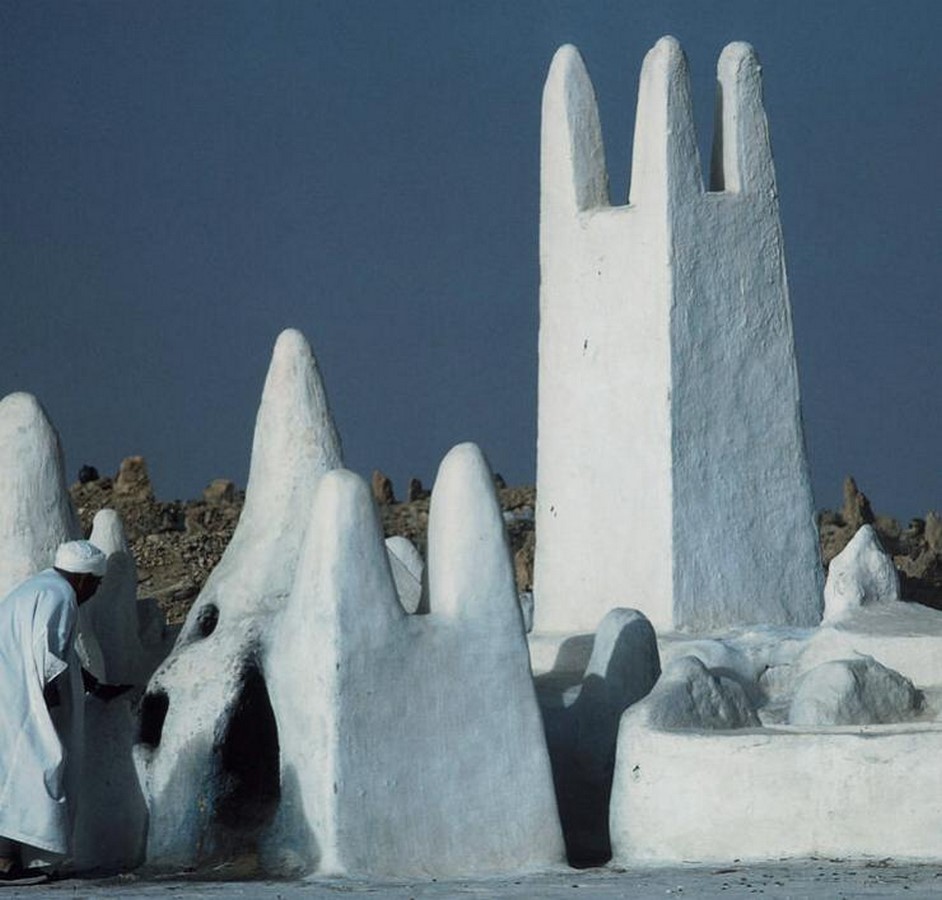
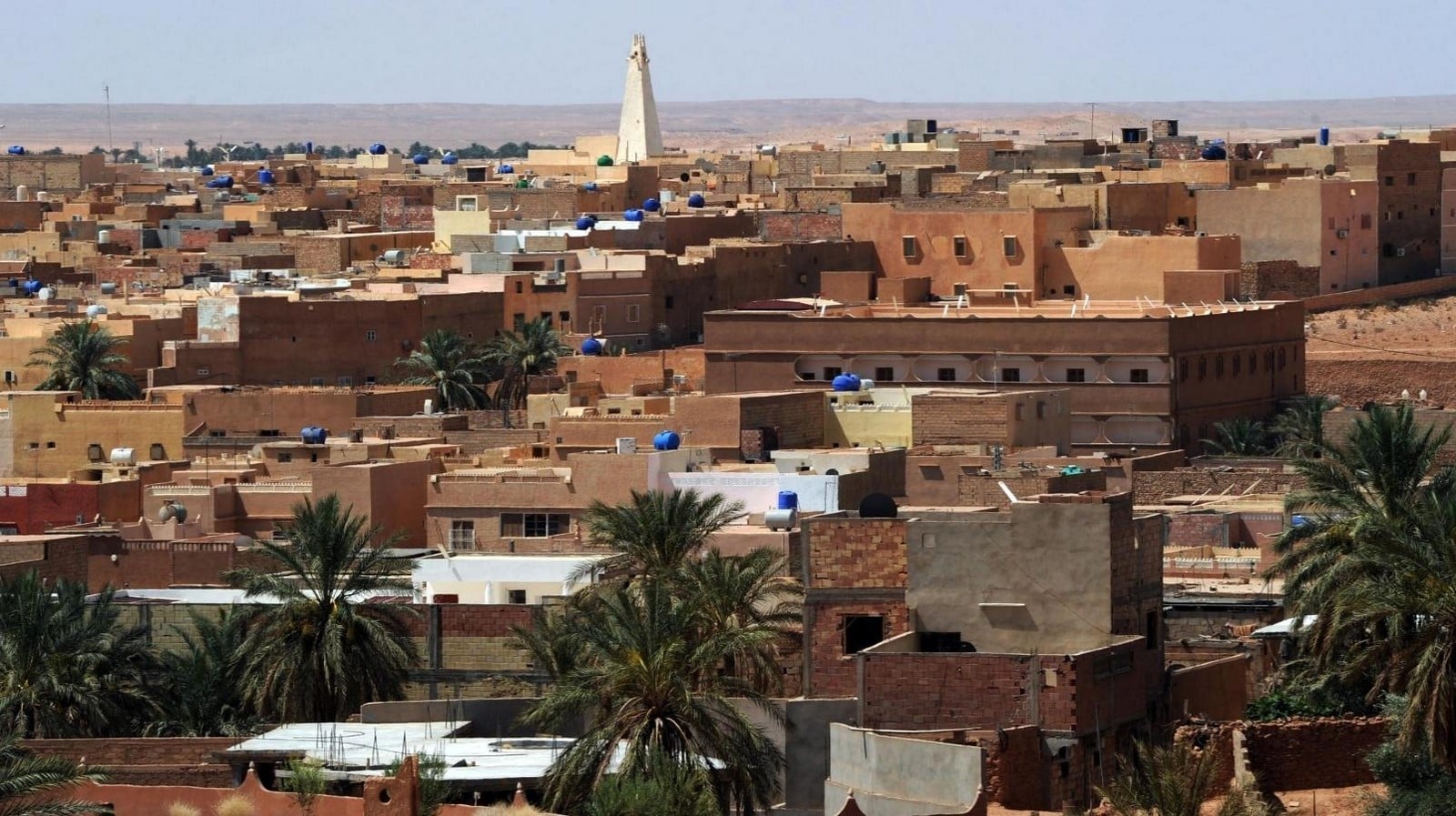
The limestone plateau, centered on ward M’Zab spread over 600 km south of Algiers, in the Sahara Desert, forms an extraordinarily homogenous ensemble in the desert region. The five fortified towns, known as ksour (plural of ksar), were strategically designed to withstand the extreme Saharan climate. These settlements have their unique purpose in planning, like: Ghardaïa, the largest significant town, serving as the economic and administrative hub. Beni Isguen is a well-preserved religious center. Melika is known for its cemetery and spiritual significance. Bou Noura is a picturesque town. El Atteuf, the oldest settlement, features unique urban planning elements. The M’Zab Valley has continued to stay with the same way of life and building techniques from the 11th century to now.
Architectural aspects
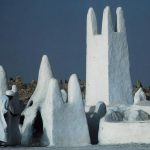
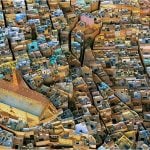
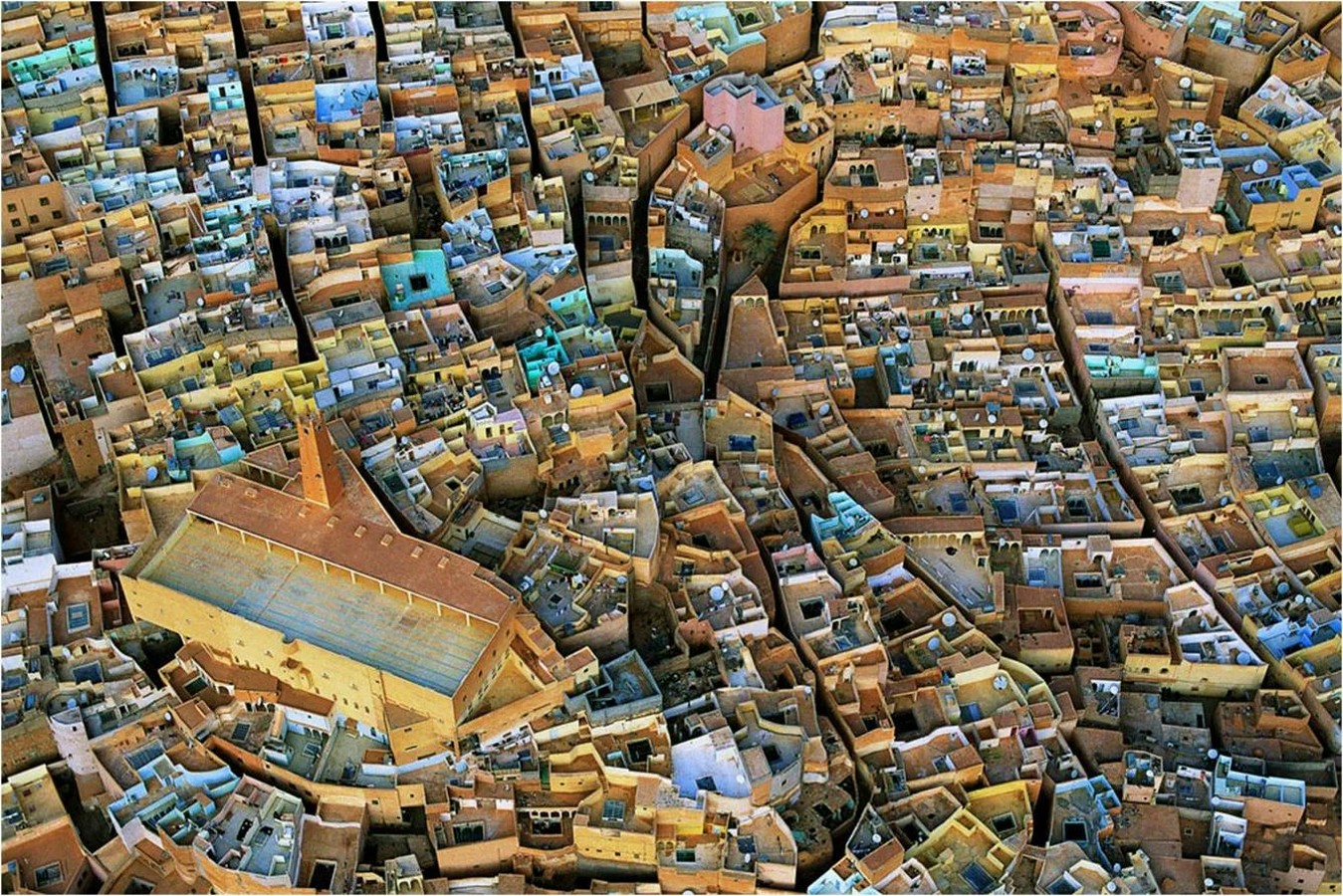
M’Zab Valley tries to adapt to extreme desert conditions. Each miniature citadels are surrounded by walls, guided by a mosque, and the minaret (watchtower). The mosque stands not only as a spiritual center but also as a formidable fortress, with a vision of the last bastion (with arsenal and grain storage) of resistance in times of difficulties. The mosque reflects the amalgamation of worship and defense purposes. The white-washed, domed houses with concentric circle shapes are surrounded by the communal structure, up to the protective ramparts. The compact layout depicts both security and unity. Each dwelling in the M’Zab is a standard cubic cell, reflecting a society deeply rooted in the principles of family autonomy and privacy. This architectural coherence creates a sense of community while safeguarding privacy. A reflection of the Ibadis’ commitment to both social harmony and individual dignity.
In the first millennium, the Ibadis used to use local materials, like limestone and palm wood, reflecting beautifully crafted vernacular architecture with the thought of resourcefulness and environmental consciousness. The structure features thick, earth-toned walls for providing insulation to beat against the harsh desert climate, while the streets offer shade and channel cool air through the settlements to regulate the temperature. The minimalistic forms and sustainable construction methods demonstrate an ecological balance approach. The Mozabites developed a well-versed water system known as foggara, which efficiently distributes scarce water resources.
Influence
Architectural ingenuity has not only withstood the test of time but also serves as a significant influence on contemporary architecture and urban planning and is a great inspiration for today’s urban planners and is highly relevant in today’s time frame. Its principles continue to inspire sustainability and human-centered solutions for modern living. The M’Zab Valley remains a living heritage, offering invaluable lessons in the art of creating functional spaces that honor both people and nature while having its base as their culture. Its compact city design minimizing land use, less energy consumption, and sustainable living principles help modern urban planners to integrate into contemporary cities as a solution to current challenges.
Challenges and Conservation Efforts
While the M’Zab Valley remains a cultural treasure, it faces numerous challenges for conservation. The major reason is the growing population and increased demand for housing have resulted in an increase in unregulated construction. Modern buildings often disturb the traditional essence and erode the historical fabric due to a lack of thoughtful planning strategies. The Sahara’s extreme climate is becoming harsher day by day leading to rising temperatures and increased desertification. These factors also result in jeopardizing the structural stability stress on the limited water resources, which are vital for the community’s survival. While UNESCO World Heritage Site recognition of the site has drawn tourists from around every corner of the world to bring economic benefits, it also poses challenges to the preservation of cultural authenticity. The influx of visitors strains the local infrastructure and interrupts the privacy of residents.
To cancel out these challenges, UNESCO and local authorities have implemented comprehensive measures. Restoration programs focus on traditional building techniques and materials. Community engagement initiatives help spike sustainable tourism practices, encouraging programs for respecting local customs traditions, and building techniques. Balancing development with conservation helps to aim and protect the valley’s rich heritage for future generations.
The M’Zab Valley is a living heritage habitat that will continue to inspire sustainable urban development in this modern era and further. Its hold on principle makes it a unique and invaluable piece of human history. As the world struggles with ups and downs from extreme climate change and urban planning challenges, the precious lessons of M’Zab’s design may offer innovative solutions for future planning.
Citation:
- Centre, UNESCO World Heritage. “M’Zab Valley.” UNESCO World Heritage Centre, whc.unesco.org/en/list/188/.
- CGTN. “M’zab: A UNESCO World Heritage Site of Harmonious Living.” Cgtn.com, CGTN, 19 July 2023, news.cgtn.com/news/2023-07-19/M-zab-A-UNESCO-World-Heritage-Site-of-harmonious-living-1lz95WV4y2c/index.html. Accessed 26 Mar. 2025.
- “Explore M’Zab Valley: A UNESCO World Heritage Site of Sustainable Living.” Fundsforngos.org, 4 Mar. 2025, news.fundsforngos.org/2025/03/04/explore-mzab-valley-a-unesco-world-heritage-site-of-sustainable-living/. Accessed 26 Mar. 2025.
- Wikipedia Contributors. “M’zab.” Wikipedia, Wikimedia Foundation, 12 Mar. 2022, en.wikipedia.org/wiki/M%27zab.
- Verma, Sonu. “M’Zab Valley – an Offbeat Heritage Site in the Heart of Algeria.” India Imagine, 9 Aug. 2021, www.indiaimagine.com/destinations/heritage-sites/mzab-valley-an-offbeat-heritage-site-in-the-heart-of-algeria/. Accessed 26 Mar. 2025.