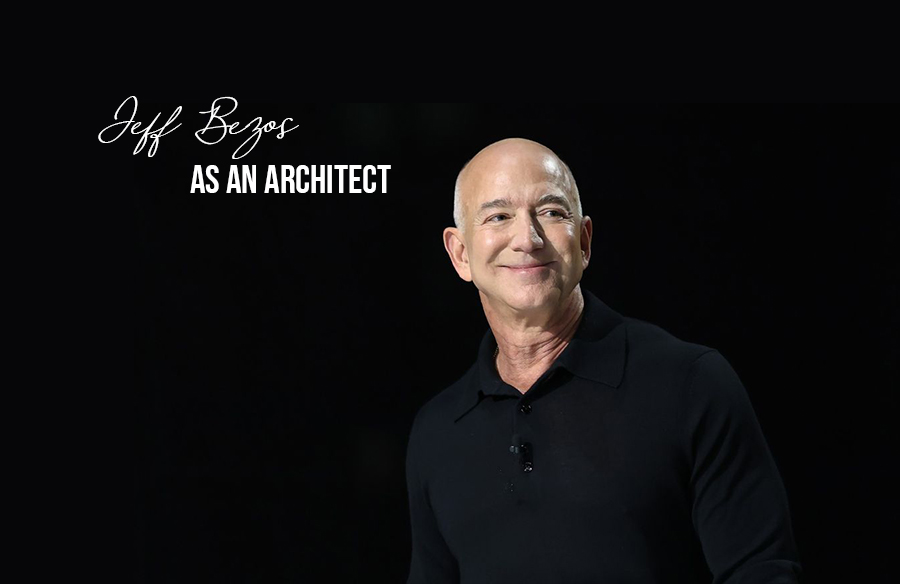
Jeff Bezos as we all know is the founder of an e-commerce company Amazon which has become a common name in every household. For the smallest things, we are now dependent on the internet service industry and one of the giants is Amazon. Jeff started Amazon in his Seattle garage and it

quickly became a leader in e-commerce. Providing services 24 x 7, Amazon’s website is user-friendly and engaging to users.
Amazon started as an online book store and eventually also started selling CDs. The success of Amazon also encouraged other established book chains to establish their online stores. Everything was fine until more companies started battling for the dollars on the internet. That is when Bezos saw a need to diversify. Amazon started offering a vast array of products like electronics, apparel, and hardware. With the consumer-based business, Amazon has started a line called Amazon Pantry which caters to providing fresh groceries.
Amazon has adapted to the changing market scenarios with time. They also launched Kindle, a digital book reader with internet connectivity where users can purchase, download, read, and store a large selection of books. Unprecedented numbers for sales were registered for Amazon year after year making it a very successful business. (Grant, 2025)
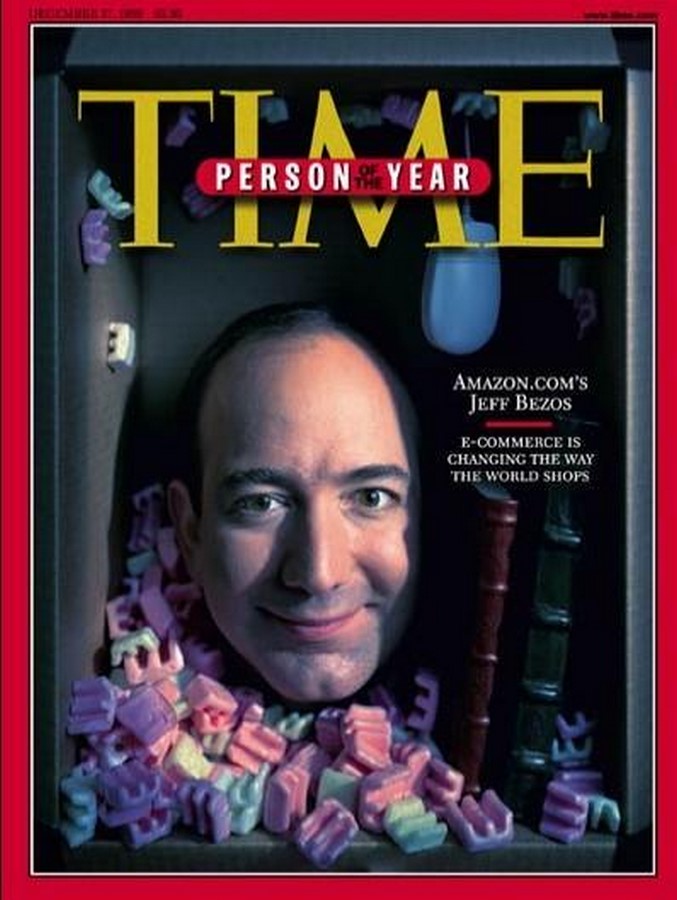
Jeff was also featured on the cover of Time Magazine as the Person of the Year in 1999. Apart from this he ranked #1 in the list of Forbes Innovative Leaders and has been listed in numerous other lists. (Forbes, 2025)
With his long legacy, this visionary leader decided to step down from the post of CEO in 2021 but still remains as an executive chairman.
If Bezos pursued Architecture instead
If Bezos had graduated in architecture instead of science, then the built spaces would look radically different. He is a visionary leader who was responsible for the long-term growth and success of Amazon. He revolutionized Amazon from an online book store to a global giant in the e-commerce industry.
With his visionary thinking and obsession to cater to consumers, his design philosophy would have been largely based on the stakeholders of the spaces. His designs would prioritize accessibility and flexibility to cater to the diverse needs of the users. Just like the seamless user interface of Amazon’s shopping experience, the experience of spaces designed by Bezos would be hassle-free and have integrated technology.
In his relentless efforts to provide seamless customer service, the design would be seamlessly blending, teasing both functional and aesthetic senses of built mass. With the use of modern technology, his designs would be cutting-edge and efficient.
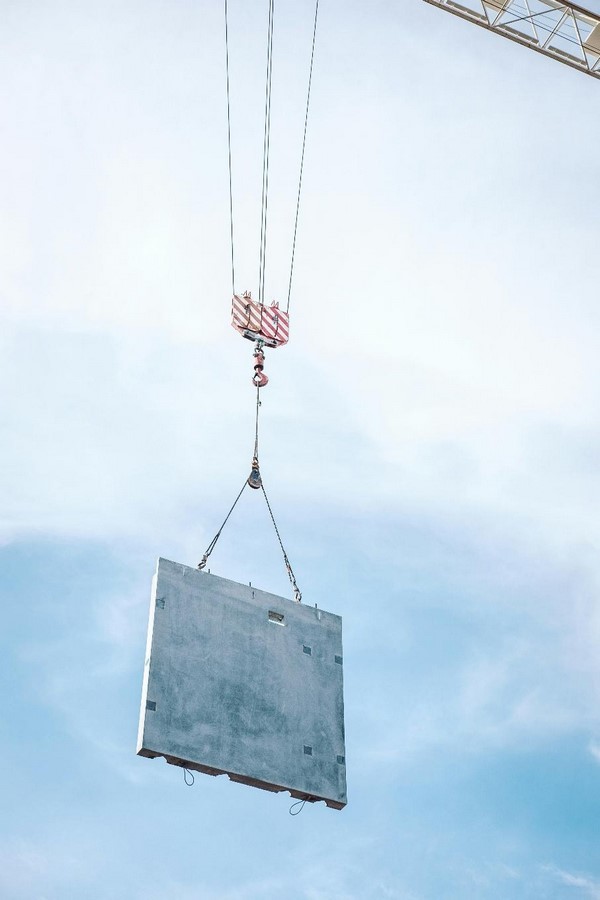
Jeff has always emphasized efficiency as one of his core principles. Buildings that he would design would mirror this principle strongly, along with maximizing utility and minimizing waste. Optimizing time in the construction industry is a challenge, hence the building designed by Jeff would project modular techniques assembled with utmost precision, to minimize time in construction and optimize costs. His architecture would emphasize energy-efficient designs and net zero buildings, with increased efficiency of the building’s performance, as a testament to sustainability.
With reliance on data and analytics, he would use advanced analytics for everything from site selection to interior designing. He would design smart buildings decked up with automation and sensors to record the footfall, patterns of space occupancy, energy usage, and site microclimatic conditions to constantly enhance the building’s post-occupancy performance.

A shift in Workplaces
As a visionary leader of a giant corporation, Jeff Bozos’ architecture would definitely address the innovation of office spaces. A paradigm shift would be seen if Bezos started designing hybrids with integrated green spaces, modular pods to work remotely, and urban centers that blend shopping, entertainment, and co-living spaces, all decked up with smart infrastructure and autonomous systems.
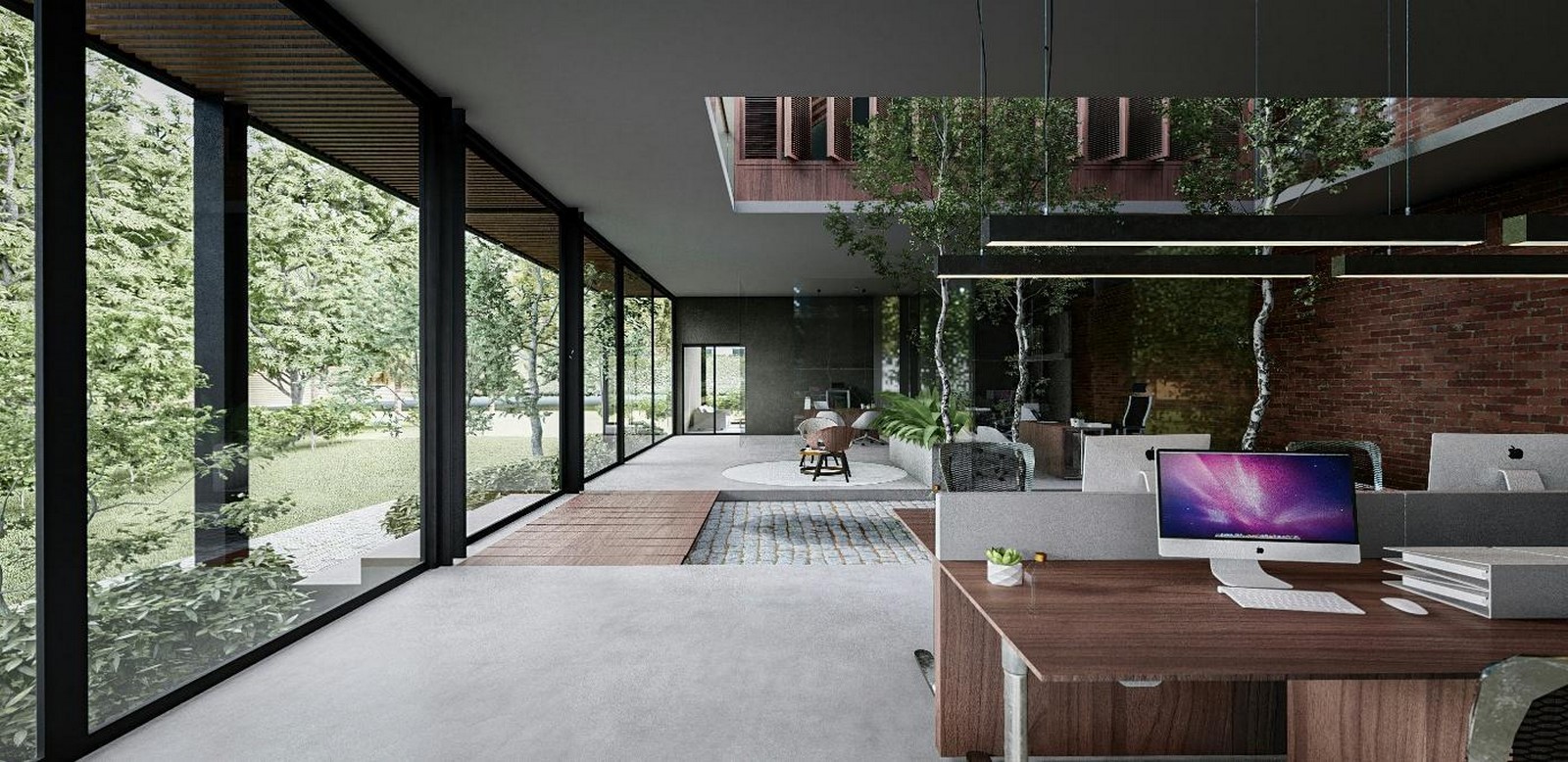
He would design office spaces that balance well-being and productivity with flexible workspaces with seamless integration of technology. Working spaces that adapt to occupancy patterns, improving utilization of spaces, and comfort. Lighting, temperature, and furniture could shift in real-time to meet user’s needs. He could create pods called “productivity pods” which are soundproof pods with ergonomic furniture and integrated screens for virtual collaboration.
Jeff’s Sustainability Initiative
Jeff’s Bezos Earth Fund is an initiative towards global climate change, which points out the fact that Bezos’ designs would be sustainability-oriented. Rigorous use of renewable energy resources, efficient insulation systems, and green roofs are some of the features of Bezos’ architectural work. Mostly oriented towards green building, he would achieve buildings that have net-zero energy consumption.
If Jeff Bezos enters the architecture industry it would likely revolutionize it. He would merge data-driven insights with critical analytics to produce customer-centric spaces and bold innovation. He would prioritize functional efficiency and adaptability- reiterating spaces to cater to contemporary society. Whether it is urban developments, eco-friendly skyscrapers, or modern work spaces, Bezos would leave his legacy on the architectural fraternity.
References:
Forbes. (2025). Retrieved from Forbes : https://www.forbes.com/profile/jeff-bezos/
Grant, T. (2025, 03 05). Retrieved from Britanica : https://www.britannica.com/money/Jeff-Bezos