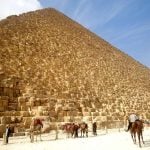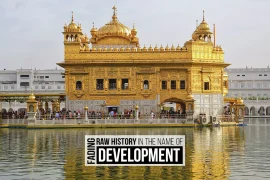

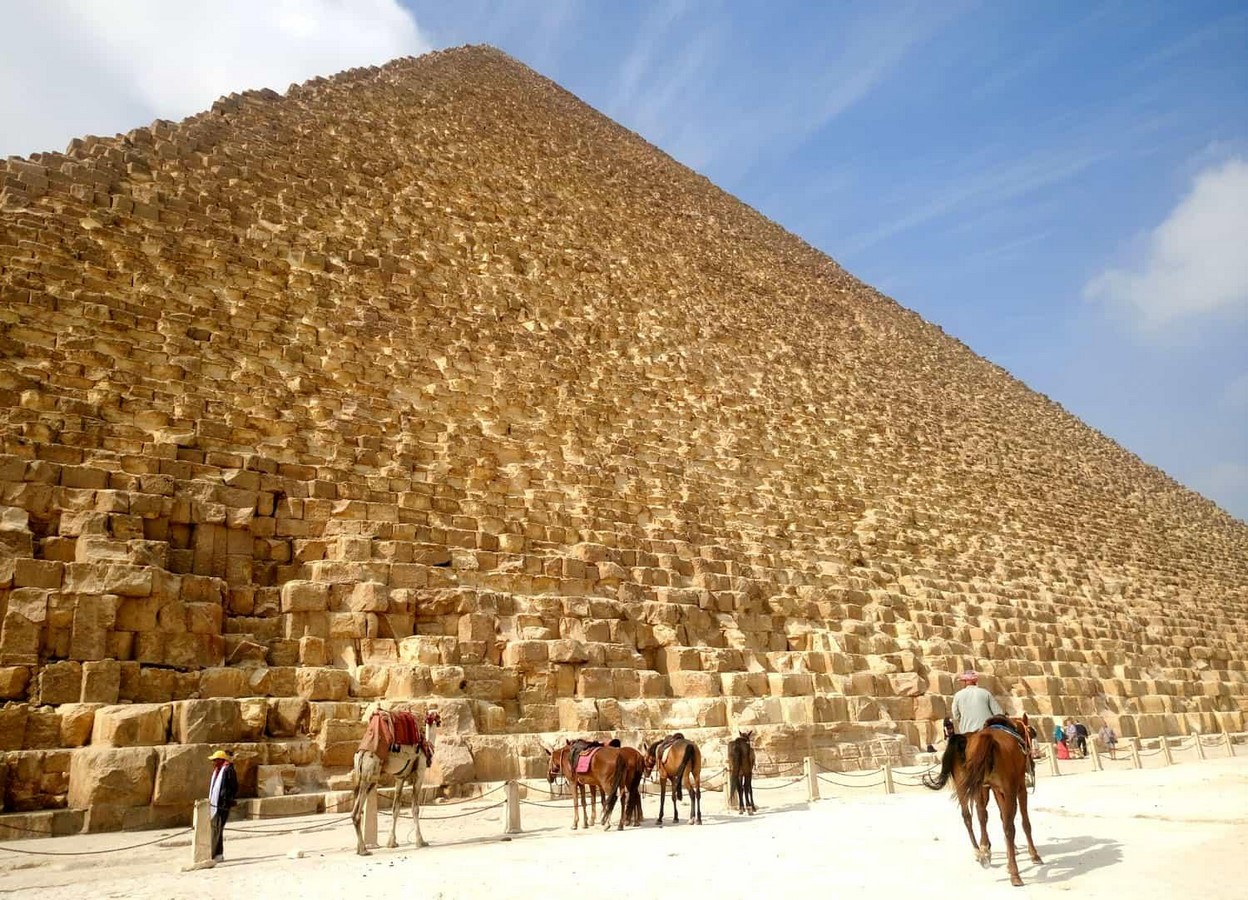
Across the world, historic buildings today are not just mere marvels of architectural designs and styles, but also stand as the cultural identity of a place, city, or country. Each building narrates the story of a place, be it colonization, war, people’s lifestyle, community social life, or religious practices. Beyond the story, many prominent structures around the world, from the Taj Mahal in Agra, and the Brihadeshwara Temple in Thanjavur, India, to the Pyramid of Giza, Egypt, attract everyone’s attention for their indigenous craftsmanship skill and ancient construction practices. These structures remain the ones that cannot be recreated to the finest quality despite having the most advanced construction and material technologies.


It’s precisely for these holistic reasons that historic buildings are being preserved and need to be continued going forward in the future. In general, with any built-environment project, the local community forms an important stakeholder. While they do not formally come under contractual agreement within a project, they still are in a position where they can influence design decisions where the local architectural identity cannot be compromised or be affected through a design intervention positively or negatively. The significance of the local community being a stakeholder is higher in preserving the historic context of a place or building, as their involvement positively impacts maintaining sustainable and culturally rich places (Historic England Organisation, 2024).
Let’s look into ways of involving the local community in historical preservation:
- Engaging the local community:
The Historic England organization outlines “Engagement” as the first step in involving the local community by raising awareness and providing information about heritage projects in the area in terms of any goals and opportunities for the people to be involved. This can be done by organizing events like workshops, preparing exclusive newsletters, or campaigning on social media to engage a wider audience. (Historic England Organisation, 2024)
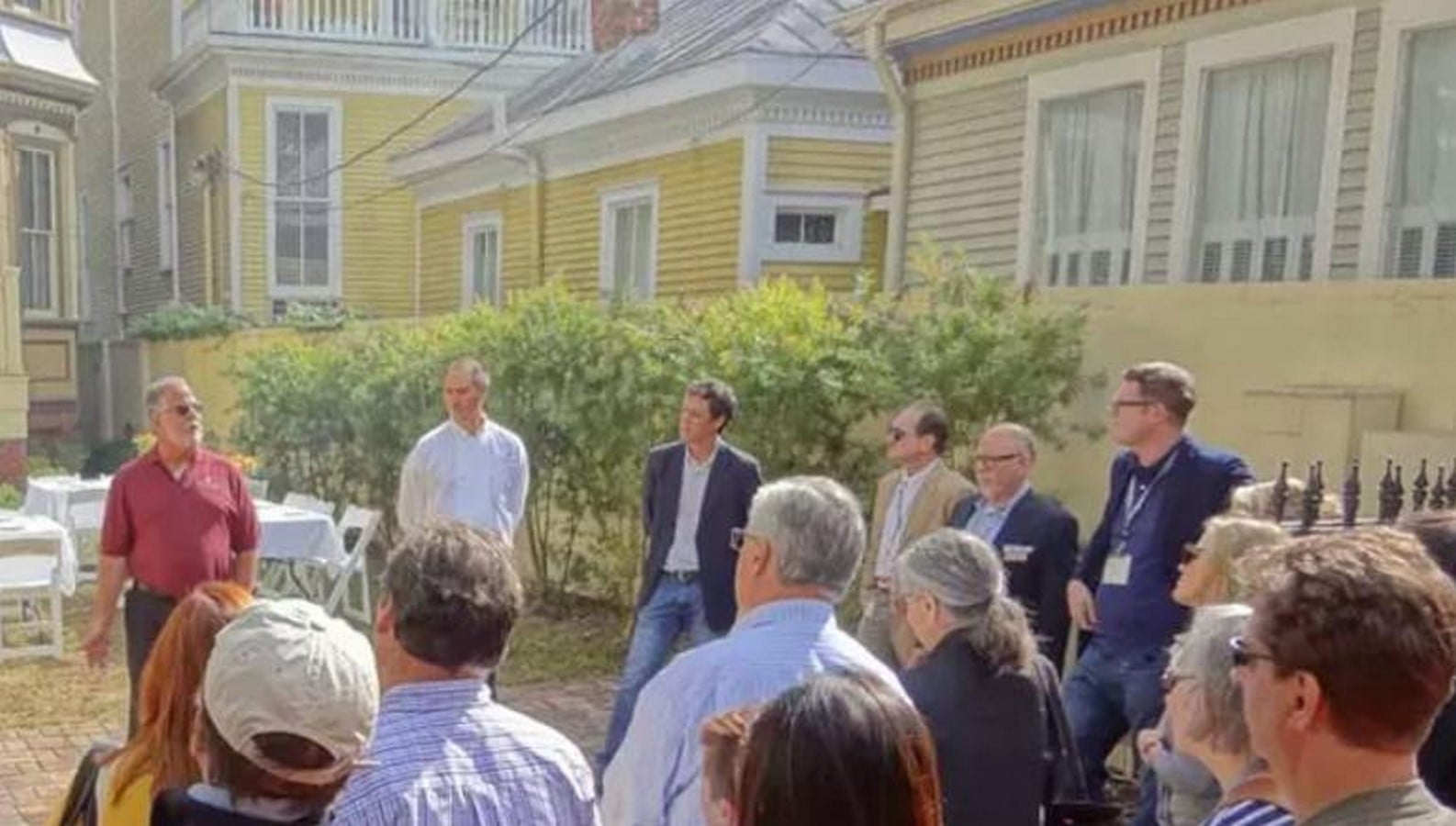
But more than any of these, walking tours create more awareness and engagement from the local community as they offer the most immersive experience of a place (Sujit Lalwani, 2019). A walking tour can generally be a guided or non-guided tour, where participants explore a destination on foot, understand historic sites, architectural styles, and food culture, and have an opportunity to interact with the local community.

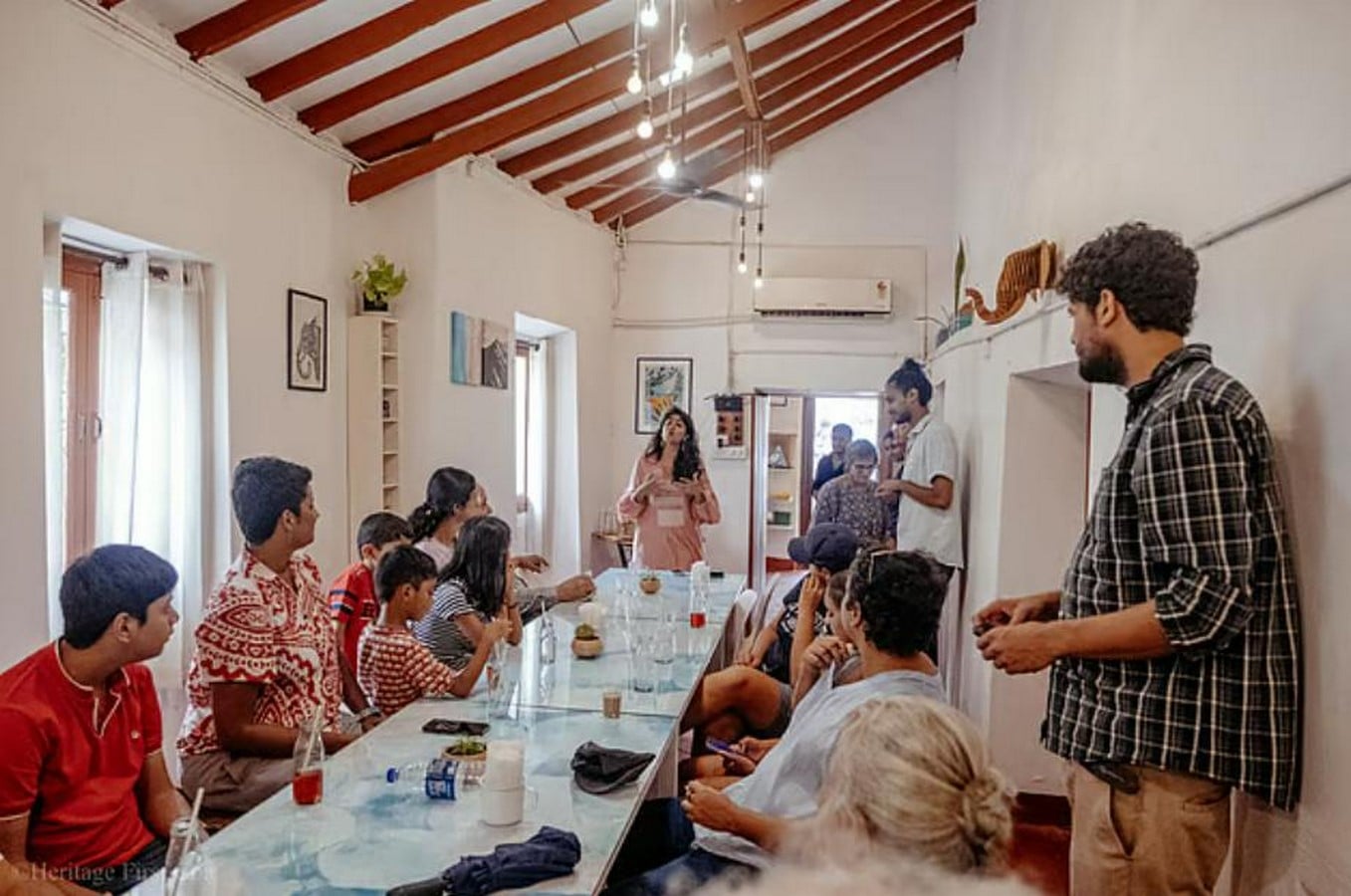
A recent Festival at Goa, organized by Heritage First Goa in 2024, involved extensive walking tours and workshops to create awareness about conservation, to make the rich heritage character of Goa accessible, and most importantly encourage people to be involved in protecting it. Apart from exploring the state’s iconic landmarks and understanding unique architectural styles and influences, the tour also involved workshops on traditional art forms like “Kaavi” and “Oviyos”, which are also an integral part of preserving the historic character of a place. (Crasto, 2024)
- Participation:
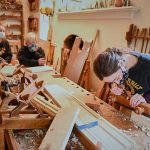
While the previous stage involved workshops and tours in terms of bringing the people into the process of preservation, this step takes further depth where direct, hands-on involvement of the community is present (Historic England Organisation, 2024). At this stage, the community can be involved in learning skills like traditional crafts and preservation techniques that not only contribute to the preservation process but can also benefit them socially and economically.
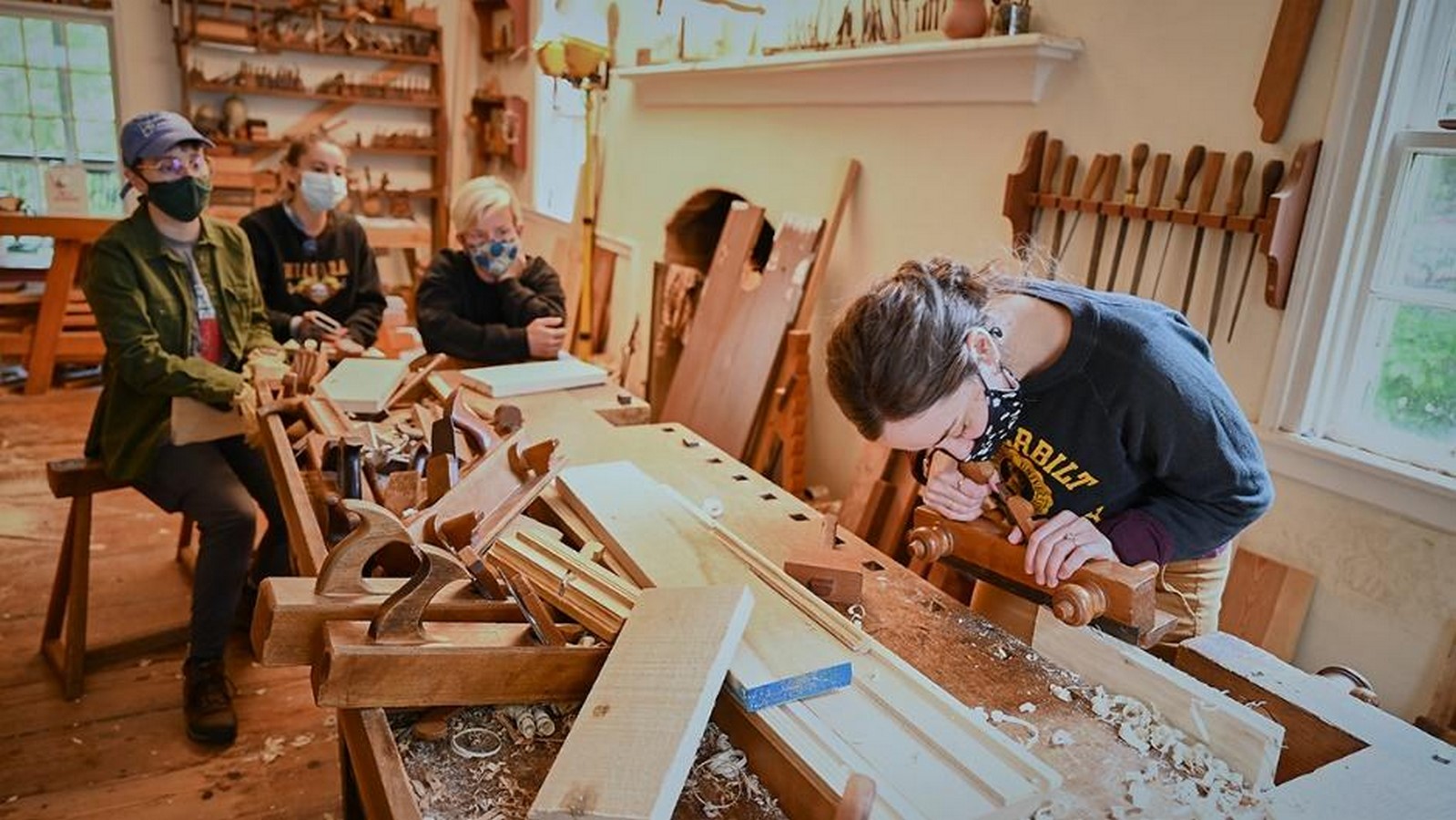
One such initiative was taken by UNESCO under a project titled ‘World Heritage, Sustainable Development and Community Involvement’ in 2014, which involved creating initiatives in countries like Pakistan and Bangladesh to revitalize income-generating crafts in local communities through activities related to heritage conservation. (UNESCO World Heritage Convention, 2015)
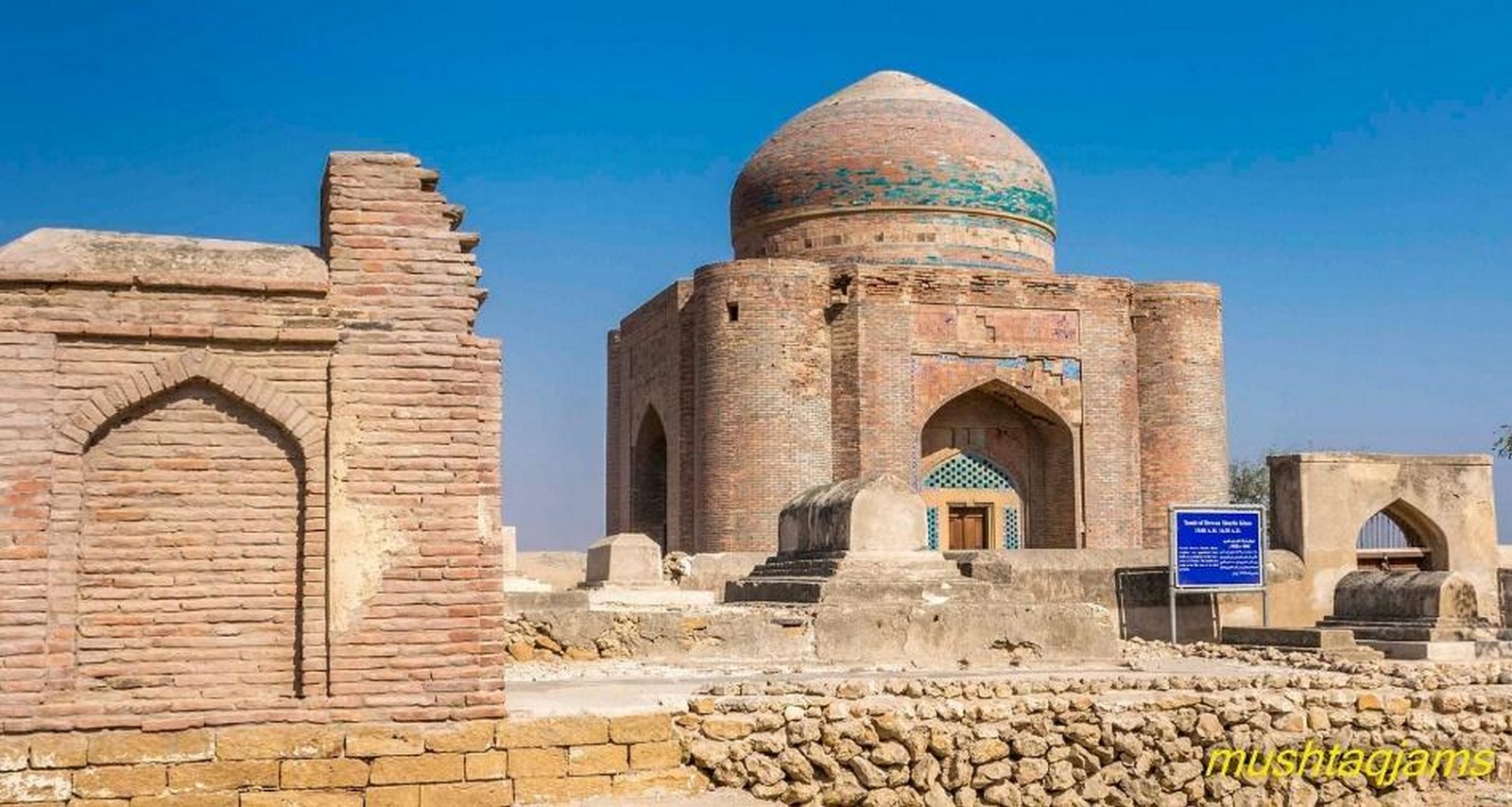
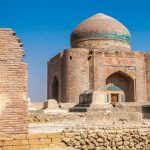
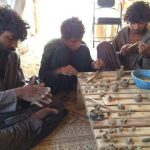
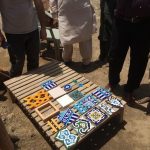
One of its pilot projects was focused on the Historical Monuments at Makli, Thatta, between 2015 and 2017, in Pakistan, which was once a centre for tile production. Through study, it was found that the quality of glazed tiles and ceramic tiles was of poor quality and was not suitable for any built projects, including conservation projects, due to lack of demand, which in turn made the affordability of quality materials difficult for the artisans. The study also highlighted how the World Heritage property and the local community, artisan, craftsmanship, and livelihood are interlinked and how its revitalization can make a positive impact on both historic monuments and the community. (UNESCO World Heritage Convention, 2015)

Based on the study, a workshop involving international ceramic experts was planned between 2016-2017, training the local community to produce a high-quality alternative to the ancient tiles that will be suitable for conservation works. (UNESCO World Heritage Convention, 2015)


- Partnership and Leadership:
While the previous steps involved active steps in preserving a historic site, the Partnership and leadership have more to do with keeping the process alive and strong. Working in partnership with various community organizations that have an interest in heritage conservation and development helps in pooling resources, expertise, and knowledge to co-lead and manage projects.
This process leads to taking ownership of the local heritage project by the community, and it involves owning, governing, and operating its assets and related services. This also makes the local community the primary stakeholder of the local heritage project. (UNESCO World Heritage Convention, 2015)
One such example to show how different heritage conservation organizations have significance is the ongoing issue of the plan to demolish the historic art deco Marks & Spencer’s store (Media, 2024) in Oxford Street in London, built in the early 1900s. When the brand released a statement about their plan to demolish the historic building to rebuild a new structure, in 2021, British charity SAVE Britain’s Heritage and Architects Journal campaign RetroFirst got actively involved in protesting against Marks & Spencer’s sighting one of the most crucial environmental issues, the carbon emission, an estimation of about 40,000 tonnes of carbon dioxide (UCEM, 2024).

In conclusion, community involvement in historic preservation goes beyond maintaining a heritage site, it makes the community socially active, enhances its economic profile, and also makes the community the prime stakeholders and decision makers for any development plans around their historic area, creating a strong sense of belonging for the people.
References:
Adey, S., 2019. Michelle Ho Proposes Retrofitting housing estates to densify cities. [Online]
Available at: https://www.dezeen.com/2019/04/05/michelle-ho-retrofitting-housing-estates-architecture-movie/
[Accessed 2025].
Crasto, A., 2024. Discover Goa’s rich past at the inaugural Heritage First Festival. [Online]
Available at: https://www.gomantaktimes.com/my-goa/art-culture/discover-goas-rich-past-at-the-inaugural-heritage-first-festival
[Accessed 2025].
Historic England Organisation, 2024. Why Engage with Communities and How to Do it Effectively. [Online]
Available at: https://historicengland.org.uk/advice/caring-for-heritage/community-advice-hub/why-and-how-to-engage-with-communities/
[Accessed 2025].
Krishnaprasad.C, 2019. Brihadeeswara Temple. [Online]
Available at: https://www.tripadvisor.co.uk/Attraction_Review-g424926-d12176786-Reviews-Brihadeeswara_Temple-Thanjavur_Thanjavur_District_Tamil_Nadu.html
[Accessed 2025].
Maria, 2018. Egypt: A photo tour inside the Great Pyramid of Giza. [Online]
Available at: https://www.tripsofourlife.com/tour-inside-the-great-pyramid-of-giza/
[Accessed 2025].
Media, J. W. K. &. P., 2024. M&S wins appeal to tear down Oxford Street store. [Online]
Available at: https://www.bbc.co.uk/news/articles/cv2y5mm70l6o
[Accessed 2025].
Mulholland, E., 2024. M&S to demolish Oxford Street store after Rayner approval. [Online]
Available at: https://www.msn.com/en-gb/money/other/m-s-to-demolish-oxford-street-store-after-rayner-approval/ar-AA1vkSGo
[Accessed 2025].
Mushtaq.M, 2018. Makli Hill. [Online]
Available at: https://www.tripadvisor.com/Attraction_Review-g1967081-d4080813-Reviews-Makli_Hill-Thatta_Sindh_Province.html
[Accessed 2025].
Parker, J., 2023. Learn How to be a Preservationist. [Online]
Available at: https://www.nps.gov/subjects/historicpreservation/learn.htm
[Accessed 2025].
Sengupta.S.K, 2015. Taj Mahal. [Online]
Available at: https://www.tripadvisor.co.uk/Attraction_Review-g297683-d317329-Reviews-Taj_Mahal-Agra_Agra_District_Uttar_Pradesh.html
[Accessed 2025].
Sujit Lalwani, 2019. Benefits Of Walking Tours And What Makes Walks An Industry Leader. [Online]
Available at: https://www.iuemag.com/j24/ta/benefits-of-walking-tours-what-makes-walks-industry-leader
[Accessed 2025].
Trip Advisor, 2025. 2025. [Online]
Available at: https://www.tripadvisor.co.uk/AttractionProductReview-g6109760-d17988198-Old_Goa_Heritage_Walk_by_Make_It_Happen-Goa_Velha_Goa.html
UCEM, 2024. What’s going on with M&S Oxford Street?. [Online]
Available at: https://www.ucem.ac.uk/whats-happening/articles/marks-and-spencer-oxford-street-demolition/
[Accessed 2025].
UNESCO World Heritage Convention, 2015. World Heritage, Sustainable Development and Community Involvement. [Online]
Available at: https://whc.unesco.org/en/sdci/
[Accessed 2025].
W.Kane, M., 2021. Hands-on historic preservation. [Online]
Available at: https://www.uncg.edu/faculty-staff/hands-on-historic-preservation/
[Accessed 2025].