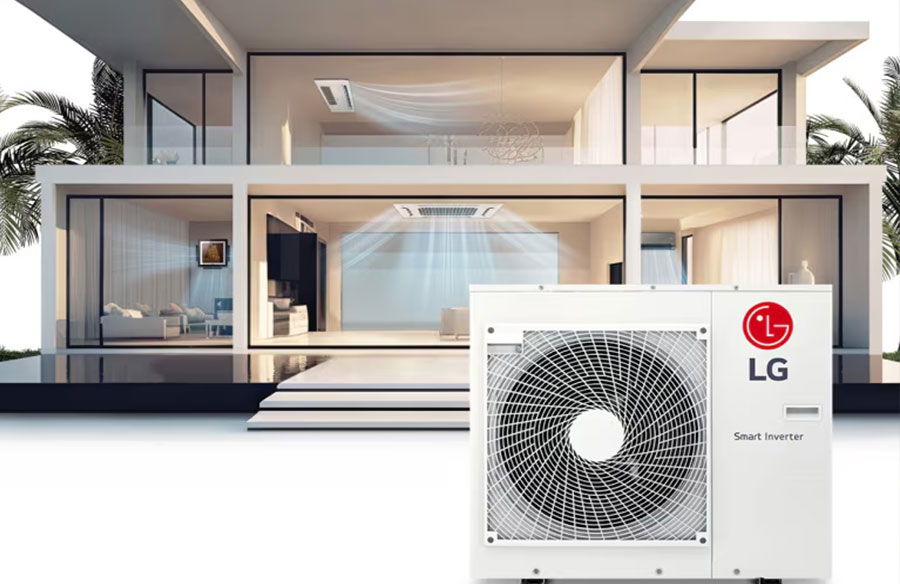
Whether it’s the sweltering heat of summer or the freezing cold of winter, the HVAC system plays a pivotal role in ensuring your home remains comfortable year-round. Understanding the requirements for a residential HVAC system in such conditions can significantly improve energy efficiency, comfort, and overall performance. Here’s a comprehensive guide to help homeowners make informed decisions when selecting and maintaining HVAC systems for extreme climates.
Selecting the Right HVAC System for Extreme Climates
When living in areas with extreme temperatures, a single HVAC system might not suffice. Homeowners must consider factors like heating capacity, cooling ability, and system adaptability to ensure their unit can handle temperature fluctuations without overburdening itself.
-
Heating and Cooling Capacity
A central HVAC system must be designed to handle both heating and cooling effectively, especially in climates where temperature swings are dramatic. Systems like central air conditioners or split systems can manage the cooling needs in summer, while a heat pump system or mini split heat pump might be ideal for handling both heating and cooling in milder winter climates.
In colder regions, a split system air conditioner can be paired with a mini split heating and cooling unit for a versatile approach to both temperature extremes. On the other hand, if you live in an area with extended cold temperatures, a central air conditioning system with a dedicated heating unit such as a furnace might be more appropriate. These systems are capable of providing more consistent heating when temperatures drop significantly.
-
Energy Efficiency
Given the high energy demand in extreme climates, it’s important to prioritize energy-efficient HVAC systems. Look for units that have earned an ENERGY STAR® certification to reduce energy consumption and keep costs down. Systems with advanced technologies like inverter compressors can modulate power based on the cooling or heating needs of the home, minimizing energy waste.
Ductless heating and cooling systems, especially ductless mini split systems, are also a great option for extreme climates as they provide the flexibility to zone various rooms, ensuring that energy isn’t wasted in unused spaces.
-
System Adaptability
The ability of the HVAC system to handle fluctuating temperatures is crucial in extreme climates. VRF systems (Variable Refrigerant Flow systems) are one of the most adaptable options. These systems can heat and cool different parts of the house simultaneously, making them ideal for homes with varying temperature needs. The VRF system works by adjusting the flow of refrigerant to each individual zone, providing efficient and customizable comfort throughout your home.
For homeowners looking for a solution that can adapt to changing seasonal conditions, mini split systems with multi-zone capabilities are another excellent choice. These systems allow for the independent control of multiple rooms, providing year-round comfort while maintaining energy efficiency.
Maintenance Tips for HVAC Systems in Extreme Climates
Regular maintenance of your HVAC system is crucial to ensure that it operates efficiently and effectively, particularly when facing the demands of extreme weather. Here are some essential maintenance tips for keeping your system in top shape:
-
Inspect and Replace Filters Regularly
In climates with extreme dust, debris, or pollution, air filters in HVAC systems can clog up quickly, reducing airflow and efficiency. Regular inspection and replacement of air filters in HVAC units should be a top priority. Filters should be changed every 1-3 months, depending on usage, to maintain optimal performance and indoor air quality.
-
Check Refrigerant Levels
For cooling systems like split AC units or mini split air conditioners, ensure that refrigerant levels are within manufacturer recommendations. Low refrigerant can lead to poor cooling performance and increased energy consumption. Having a certified HVAC technician inspect refrigerant levels periodically will ensure that the system is functioning properly.
-
Service the Ductwork
If you’re using a central HVAC system, ducts should be inspected for leaks or blockages. Over time, ducts can become damaged or clogged, causing the HVAC system to work harder than necessary. Professional HVAC contractors near me can perform duct sealing and cleaning to ensure maximum efficiency. This is especially important in extreme climates where the system may be running continuously for long periods.
-
Check the Heat Pump and Air Conditioner
For regions with harsh winters, heat pumps are essential for both heating and cooling. Regular maintenance of the heat pump system includes clearing away debris around the outdoor unit, inspecting the coils, and ensuring that the defrost cycle is functioning correctly. For summer months, ensure that your air conditioner is working at peak efficiency by cleaning the coils and condenser and checking the thermostat settings.
-
Ensure Proper Insulation
Effective insulation is an often-overlooked aspect of HVAC efficiency. In areas with extreme temperatures, insulating your home can prevent heat loss in winter and keep the cool air inside during summer. Proper insulation in the attic, walls, and ducts helps to maintain a consistent indoor temperature, reducing the load on your HVAC system and extending its lifespan.
-
Professional Inspections and Tune-Ups
To ensure the system is prepared for seasonal transitions, it’s recommended to have annual professional inspections and tune-ups for your HVAC system. Technicians can identify potential issues before they turn into costly repairs and ensure that the system is functioning optimally.
Addressing Common HVAC Issues in Extreme Climates
In extreme climates, HVAC systems are under greater stress. Understanding the most common issues faced by homeowners can help in identifying potential problems early on:
- Short Cycling: This occurs when the system turns off before reaching the desired temperature, often due to dirty filters, low refrigerant, or an improperly sized system.
- Frozen Coils: In extremely cold climates, mini split heat pumps or other heating systems may experience frozen coils. This can lead to inefficiency and inadequate heating performance.
- Frozen or Clogged Drain Lines: In cooling mode, the HVAC system’s condensation drain lines can become clogged with debris or mold. This may lead to water damage and poor system performance.
To prevent these issues, homeowners should rely on HVAC technicians near me for regular inspections and prompt repairs. Keeping a watchful eye on the system and addressing problems early can prevent breakdowns during critical times of year.
By choosing the right HVAC system for your climate, maintaining it properly, and addressing common issues, homeowners can ensure their systems are capable of handling the toughest temperature extremes. With a well-maintained HVAC system, comfort and efficiency are always within reach.