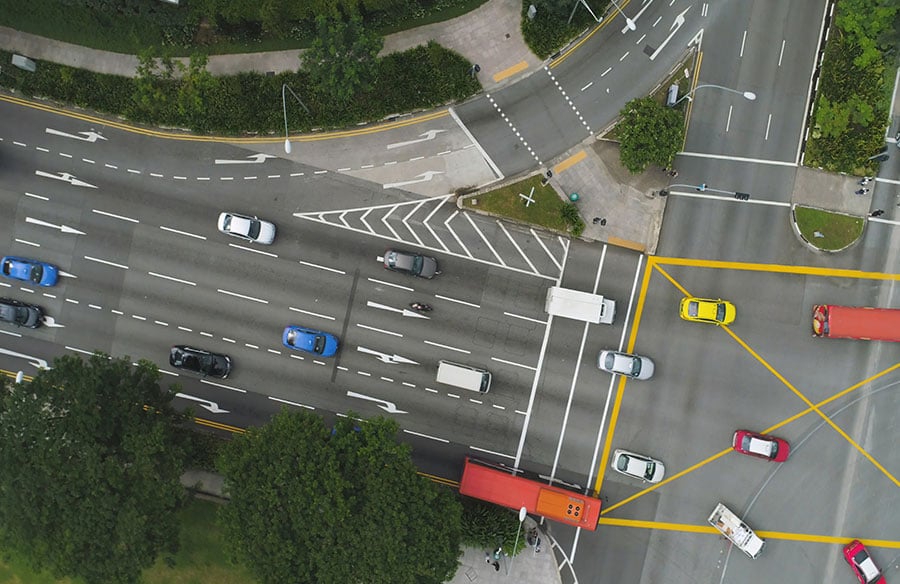
Wrong-way driving is one of the most dangerous situations on roadways, often resulting in severe or fatal collisions. This alarming problem frequently occurs when drivers mistakenly enter highways or ramps, going against the flow of traffic. Addressing wrong-way driving requires a combination of public awareness, stricter enforcement, and, most importantly, innovative technologies designed to detect and prevent these incidents.
Recent advancements in transportation technology have paved the way for sophisticated systems that can identify and mitigate wrong-way driving before accidents happen. These innovations utilize tools like sensors, cameras, and artificial intelligence to alert drivers and authorities, ultimately enhancing road safety.
Automated Detection Systems on Roadways
One of the most effective innovations in combating wrong-way driving is automated detection systems installed on highways and ramps. These systems use radar, thermal imaging, and high-definition cameras to monitor traffic flow and identify vehicles moving in the wrong direction. When a wrong-way driver is detected, the system triggers immediate warnings through flashing lights, electronic signs, or auditory alerts.
These technologies not only alert the wrong-way driver but also notify traffic authorities and nearby drivers. The rapid detection allows law enforcement to respond promptly, reducing the likelihood of accidents. As these systems become more widespread, they are proving to be a vital tool in reducing wrong-way incidents.
Real-Time Alerts for Drivers
Connected vehicle technology enables real-time alerts for drivers approaching areas prone to wrong-way entry. Vehicles equipped with this technology can receive alerts through their infotainment systems or mobile devices, warning them of nearby wrong-way drivers or hazardous areas. This communication ensures that drivers have time to react and avoid potential collisions.
In addition to vehicle-to-vehicle communication, traffic management centers can broadcast alerts to all vehicles in the vicinity. This collaborative approach enhances situational awareness and creates a safer driving environment, especially in high-risk areas.
Smart Signage and Road Markings
Innovative signage and road markings are playing a critical role in preventing wrong-way driving. Smart signs equipped with LED lights can flash warning messages when a driver attempts to enter a road going the wrong way. These highly visible warnings are often combined with reflective pavement markings and directional arrows, ensuring that drivers are immediately aware of their mistakes.
These enhanced visual cues are particularly effective at night or in adverse weather conditions when visibility is reduced. Transportation departments are increasingly adopting these solutions on highway ramps and intersections where wrong-way incidents are more likely to occur.
AI-Powered Traffic Monitoring
Artificial intelligence is transforming traffic management, including efforts to prevent wrong-way driving. AI-powered systems analyze traffic patterns and detect anomalies, such as a vehicle entering a highway in the wrong direction. These systems can predict potential incidents and initiate preventive measures, such as activating warning signs or alerting authorities.
AI technology also improves data collection and analysis, helping transportation agencies identify high-risk areas and develop targeted solutions. The predictive capabilities of AI are invaluable in minimizing the frequency and impact of wrong-way driving events.
Advanced Driver Assistance Systems (ADAS)
Many modern vehicles now come equipped with Advanced Driver Assistance Systems (ADAS) that help prevent wrong-way driving. Features such as lane departure warnings, road sign recognition, and GPS navigation systems can alert drivers if they are entering a highway or ramp incorrectly. Some systems even provide corrective steering or braking assistance to prevent drivers from continuing in the wrong direction.
These in-vehicle technologies are designed to work seamlessly with external systems, such as smart signage and real-time alerts. Together, they create a multi-layered safety net that significantly reduces the risks associated with wrong-way driving.
The Role of Connected Infrastructure
Connected infrastructure integrates various technologies to create a cohesive system for preventing wrong-way driving. Smart traffic lights, dynamic message signs, and vehicle communication networks work together to detect and respond to wrong-way incidents in real-time. This interconnected approach ensures that drivers, traffic authorities, and law enforcement agencies are all informed and able to act swiftly.
Leveraging connected infrastructure enables cities and transportation agencies to enhance roadway safety while addressing other traffic challenges, such as congestion and speeding. The scalability of these systems makes them an attractive solution for urban and rural areas alike.
Legal Support for Wrong-Way Driving Incidents
Wrong-way driving incidents can lead to devastating consequences for victims, including severe injuries, extensive property damage, and emotional trauma. In the aftermath of such accidents, victims may face significant financial and legal challenges. Seeking guidance from a trusted car accident law firm in Henderson can help victims understand their rights and pursue the compensation they deserve. Legal professionals can provide critical support, including investigating the incident, gathering evidence, and negotiating with insurance companies.
With the complexities involved in wrong-way driving cases, having experienced legal representation ensures that victims are treated fairly and receive the necessary resources for recovery. A knowledgeable attorney can also identify any negligence or systemic issues that contributed to the accident, holding the responsible parties accountable and promoting safer roadways for all.
Solutions Based on Data for Reducing Risks
Data analytics is playing a pivotal role in understanding and mitigating wrong-way driving incidents. Transportation agencies use data from traffic cameras, sensors, and historical records to identify trends and high-risk locations. This information helps prioritize areas for technological upgrades and informs the design of preventive measures.
For example, data might reveal that wrong-way driving incidents occur more frequently at specific highway exits during certain times of day. Armed with this insight, agencies can deploy targeted solutions, such as enhanced signage or additional detection systems, to address the problem effectively.
Enhancing Public Awareness Through Technology
While technological advancements are crucial, educating drivers remains an integral part of preventing wrong-way driving. Digital campaigns, virtual driving simulators, and in-car warning systems are being used to raise awareness about the dangers of wrong-way driving. These tools help drivers understand how to recognize potential hazards and respond appropriately.
Incorporating public awareness into a broader technological strategy ensures a well-rounded approach to road safety. Educating drivers on how to use and respond to these technologies increases their effectiveness and fosters safer driving habits across the board. Together, these efforts contribute to a significant reduction in wrong-way driving incidents.