The flooring in one’s home serves both an aesthetic and a functional purpose; it is also an integral part of interior design and renovation. Of the many types of flooring options available, engineered timber flooring has gained popularity as a favorite choice for house owners and interior designers alike. It merges the beauty of natural wood with improved durability and versatility, hence presenting a modern solution for those in pursuit of timeless elegance.
 This essay examines the benefits, makeup, and applications of engineered timber flooring and details why it is fast becoming the darling of designers for modern interior applications. And with more people seeking practical and stylish home improvements, engineered timber remains among the best options due to its range of practical and aesthetic benefits to fit diverse tastes and needs.
Understanding Engineered Timber Flooring
Engineered timber flooring is a category of wood flooring made by joining several layers of wood.
Different from solid hardwood flooring, which is a single piece of wood, engineered timber consists of a top layer of real hardwood veneer and a number of layers of plywood or high-density fiberboard beneath. Because of the construction in layers, engineered timber is superior in terms of stability and resistant to environmental changes, such as those in humidity and temperature.
The top veneer layer can also be made from many different wood species, ranging from oak, maple to walnut, giving a wide aesthetic choice. This method of construction not only makes the flooring much stronger but also allows more flexibility in installation and is suitable for most types of subfloors, including concrete and those with radiant heating systems. You can click here to learn more.
Advantages of Engineered Timber Flooring
A leading plus to this sort of engineered timber flooring is durability. Because the unit consists of several layers, it isn’t as easily warped, cupped, or even split as other solid hardwood floors could be. In fact, an engineered timber floor would be good for areas in a house where lots of people frequently pass through and/or environmental changes.
Additionally, in many cases, engineered timber floors are less costly than solid wood options-a cheap way out but without compromising much in quality or looks.
It is also easier to install, coming with floating, glue-down, or nail-down options that both the professional installer and the DIYer can enjoy. Because the engineered timber is more resistant to moisture and changes in temperature, it can be installed in places where solid wood would not serve well, therefore increasing its applicability in the home.
 Aesthetic Versatility and Design Options
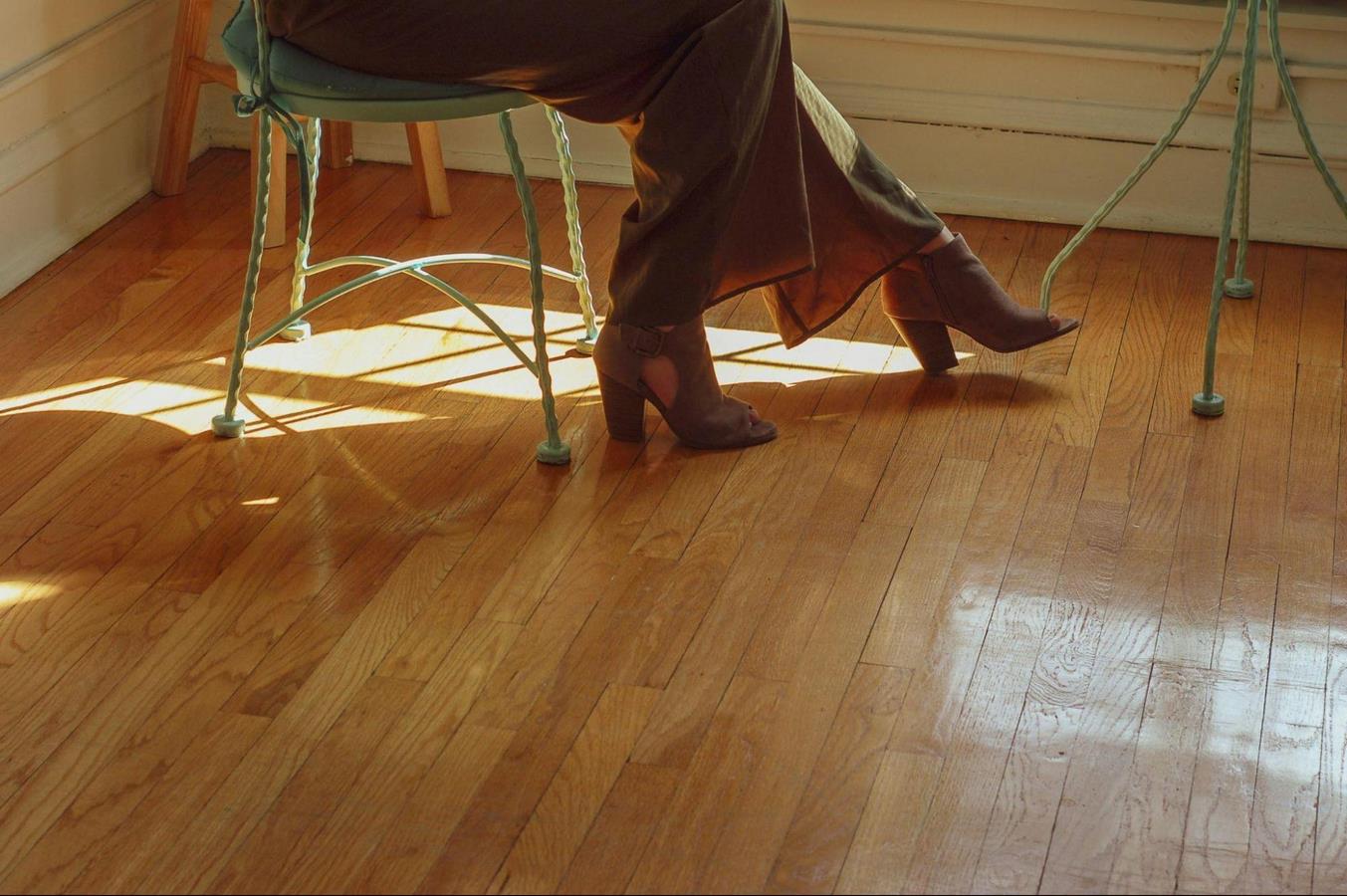
Engineered timber flooring is a lot about the art of possibilities that opens up many doors to taste and preference. The top veneer layer can be finished in various ways, from traditional to very modern, and can also be stained or textured according to the desired look. This allows great versatility in allowing homeowners to match their flooring with existing decor or create a new design theme.
Besides, engineered timber can be installed in herringbone or chevron patterns, adding a touch of sophistication and visual interest to any room. Being able to sand and refinish the surface also extends the life of the flooring, allowing for updates to the appearance over time. It has become flexible enough in design to fit any style of interior-from rustic and traditional to sleek and modern-making engineered timber an adaptable choice for homes.
Environmental Considerations
Besides the aesthetic and functional advantages, engineered timber flooring is considered more environmentally friendly than solid hardwood. Since the hardwood is used as a thinner layer for the veneer, fewer trees are needed, thereby conserving the natural resource. Many manufacturers also derive their wood from sustainably managed forests and follow eco-friendly production practices.
The core layers of engineered timber are also commonly produced from fast-growing, renewable wood species, which further reduce the environmental impact. Environmentally conscious consumers could find that the choice of an engineered timber floor also meets their values and still has a very high-quality product. This is because of the longevity and durability of the engineered timber, as it would need to be replaced less often than other materials, reducing waste and continuing with sustainable living.
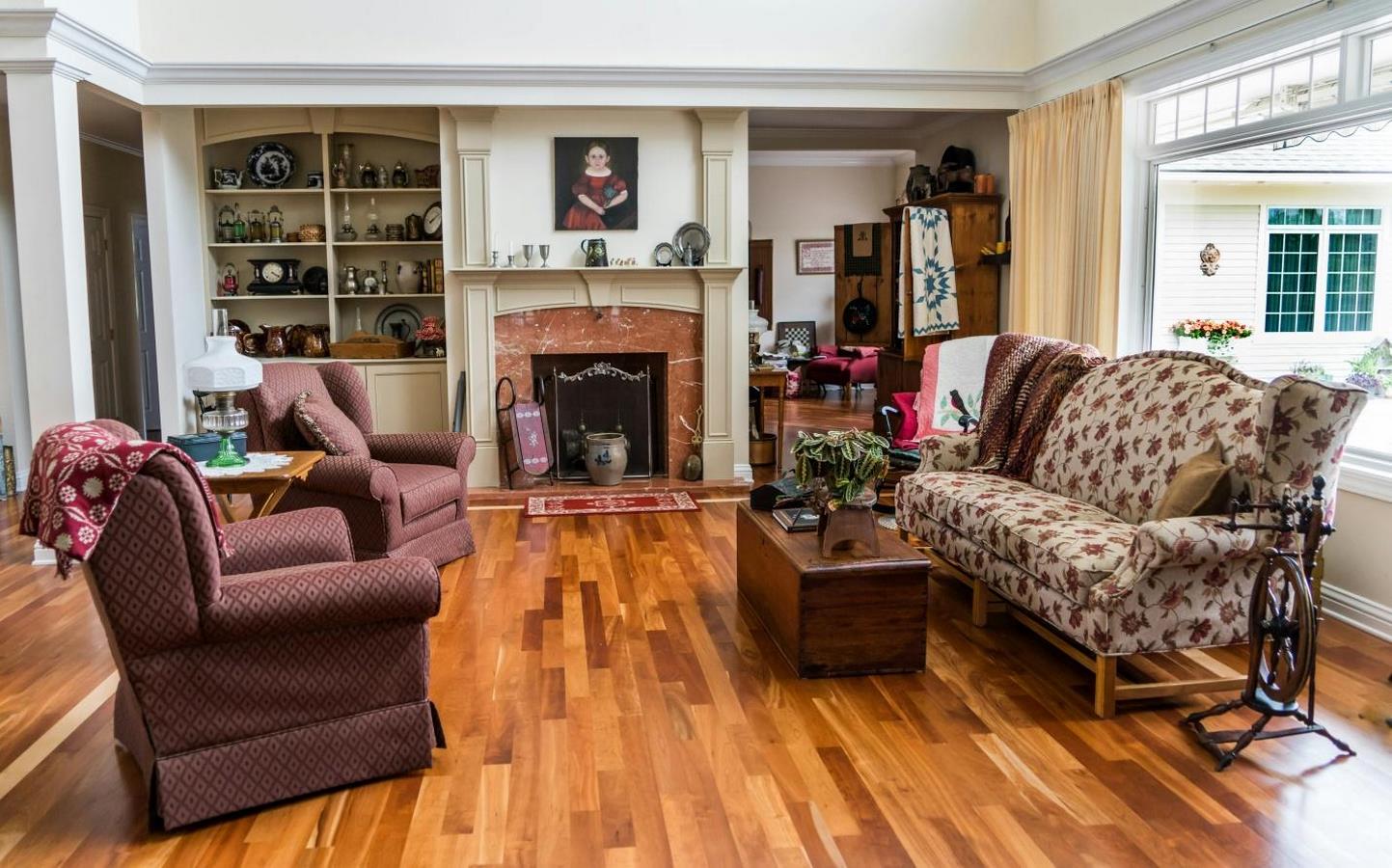 Applications and Suitability
Engineered timber flooring is also very versatile, making it perfect for both residential and commercial purposes.
This is owing to the stability of engineered timber and its resistance to moisture, making it suitable for bathrooms and kitchens. In areas with open-plan living, it connects different spaces together and gives your home or apartment a very cohesive and harmonious look. You can click the link: https://www.thespruce.com/open-floor-plan-ideas-8602960 for more tips on decorating a space with an open floor plan.
It is also suitable for commercial settings, such as offices and retail spaces, due to its durability that can withstand heavy use while still looking good. The adaptability of engineered timber flooring ensures it can rise up to various demands of the environment and design needs. Its compatibility with underfloor heating systems makes it a practical choice for modern homes in search of energy-efficient solutions.
Installation and Maintenance
Man-made lumber flooring installation is pretty easy and can be performed in many ways for a number of needs and preferences. Among those, floating installation-when planks either get glued or nailed to the subfloor-is highly preferred for its ease and speed.
Glue-down and nail-down methods are also pretty viable, offering more stability, especially for commercial usage. Maintenance of the man-made lumber floor is easy, given that it basically needs regular sweeping or vacuuming to remove dirt and debris, along with the occasional damp mopping.
The resistant finish at the top helps resist stains and scratches to let the flooring stay beautiful and functional for many years. Besides, man-made lumber can be refinished if the surface gets worn, which allows the homeowner to bring back its original luster and extend its life, therefore making it a long-term investment in style and functionality.
Man-made lumber flooring presents a compelling combination of aesthetic appeal and durability, versatility in application, and suitability for modern interiors. Its layered construction ensures better stability and resistance to environmental changes. Besides, aesthetic options take into consideration a wide range of design tastes. Being a more ‘green’ alternative to solid hardwood, it also appeals to the values of sustainability-conscious consumers.
It exudes timeless elegance while offering practicality for both home and office use, making it among the top choices of flooring in the modern world of designs. Considering property owners and interior designers are still on the lookout for materials offering aesthetic value along with practical perks, man-made lumber flooring is one that stands to remain a solution, meeting such expectations and forming a platform for beautiful and long-lasting creations.