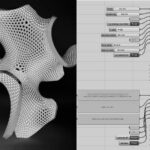
The use of parametric design in architecture has completely changed the face of the architectural industry as well as how designs are created. It offers capabilities for creating elaborate, real-time, and variable shapes that would be very challenging or impossible to develop otherwise. The conventional design approaches tend to use static models while the parametric design comes with computational tools and algorithms that allow for adjustments. It also allows for changes of a single parameter and the whole model reacts to it, which provides accuracy and flexibility.


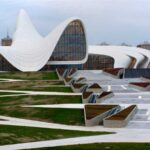
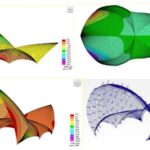
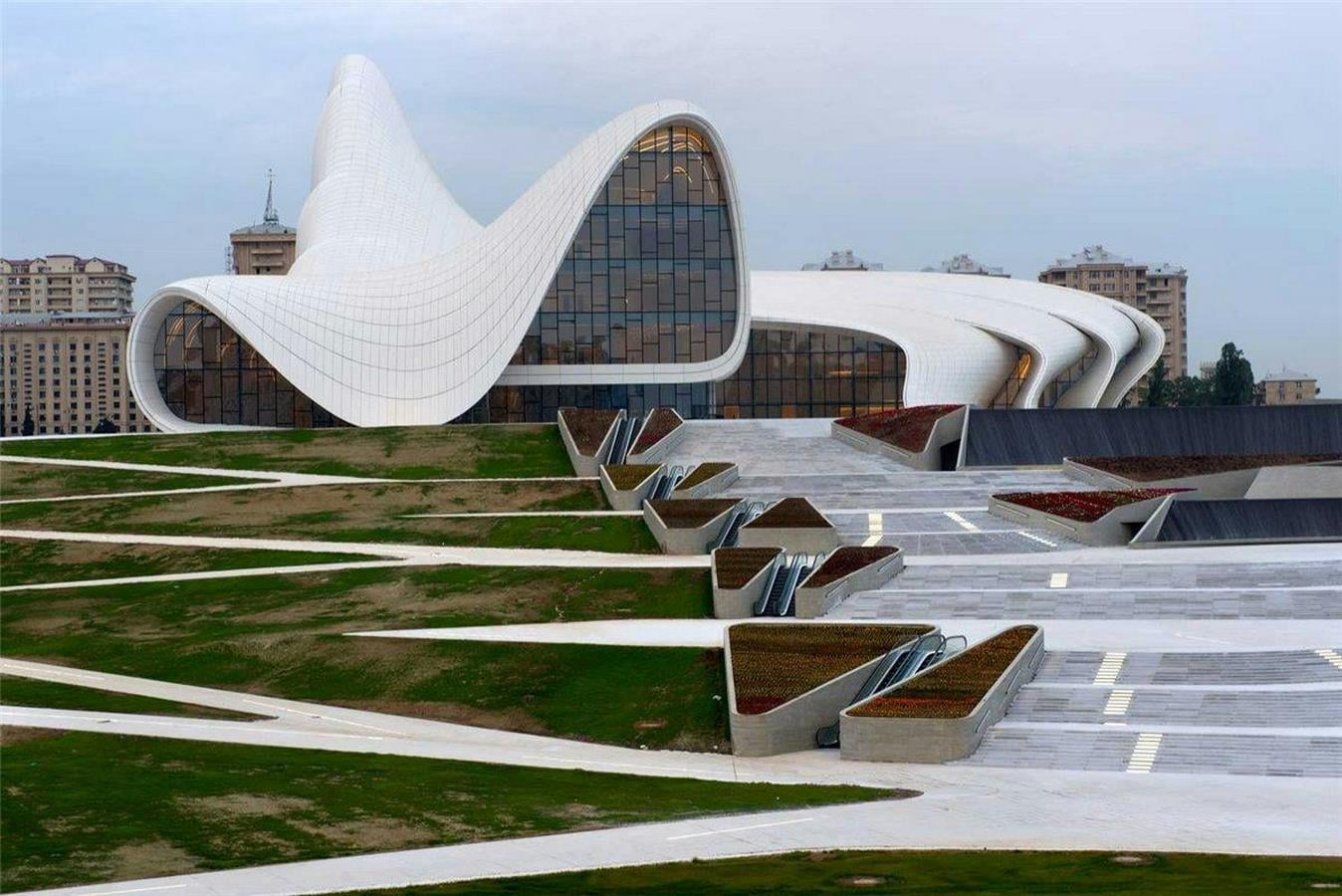
This is done using mathematical functions and variables that can be altered to produce elaborate shapes. The principles of parametric design are incorporated to develop mathematically correct and aesthetically appealing models. For example, Zaha Hadid Architects’ project the Heydar Aliyev Center in Azerbaijan demonstrates how parametric architecture can be combined with practical needs and produce forms that are at the same time creative and effective.
The development of the parametric design has also made the design process more efficient as it allows the architects to iterate through various options and develop their concepts further. It allows for generating structures capable of responding to variations in conditions without compromising accuracy. Thus, it is safe to state that parametric design has become an indispensable instrument for architects and engineers, as it provides an adaptable, effective, and precise strategy for the creation of contemporary architecture.
Improving the Sustainability Through the Use of Data-Driven Design
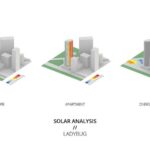
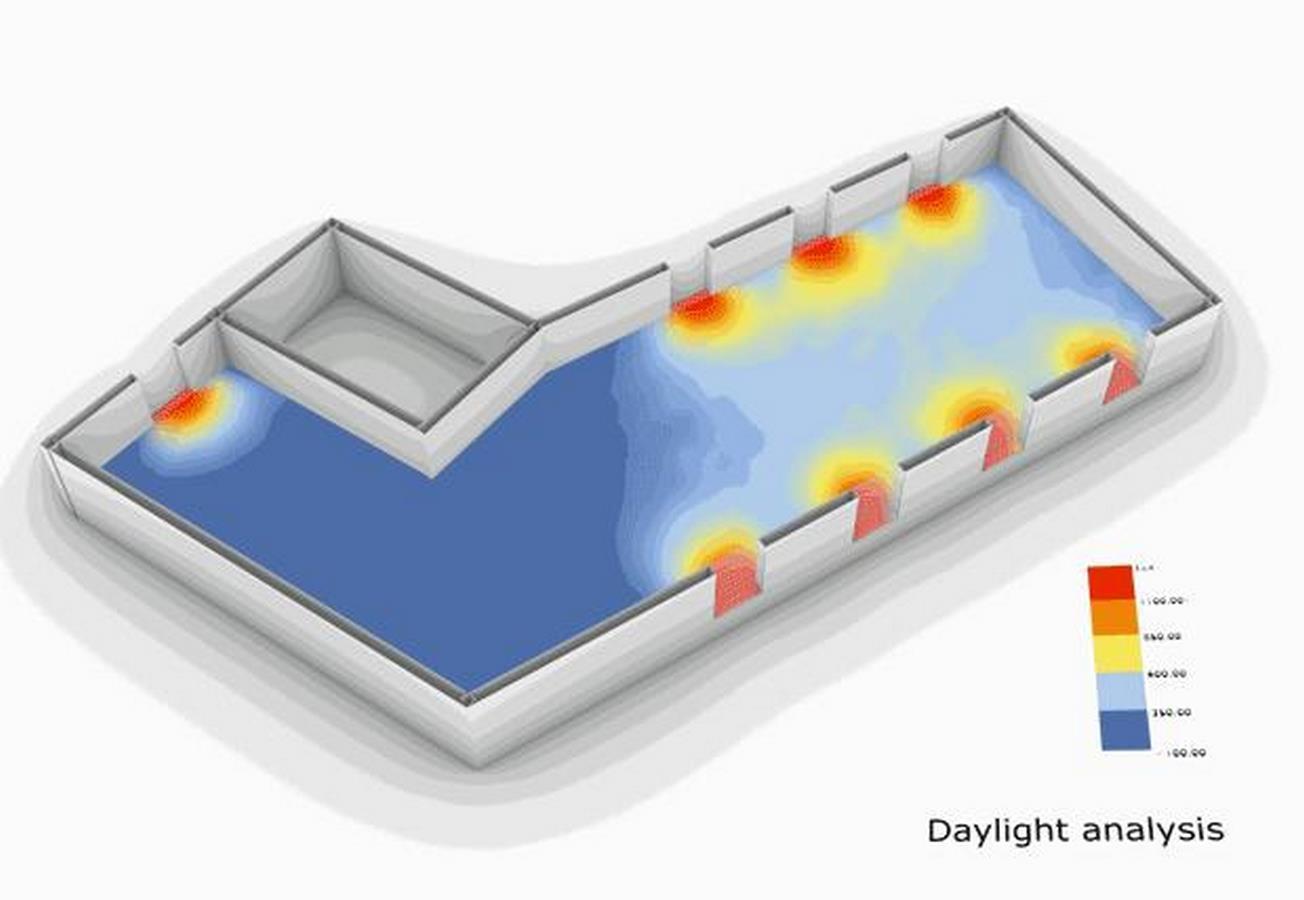
It is no longer a question of whether or not to embrace sustainability in the current world of design but a necessity. Therefore, it can be said that parametric design provides a comprehensive set of concepts to deal with environmental problems, where data-based decision-making is incorporated into the design process. Computational algorithms can process such data as solar radiation, wind, and thermal characteristics of the building to determine the best building shape and direction.
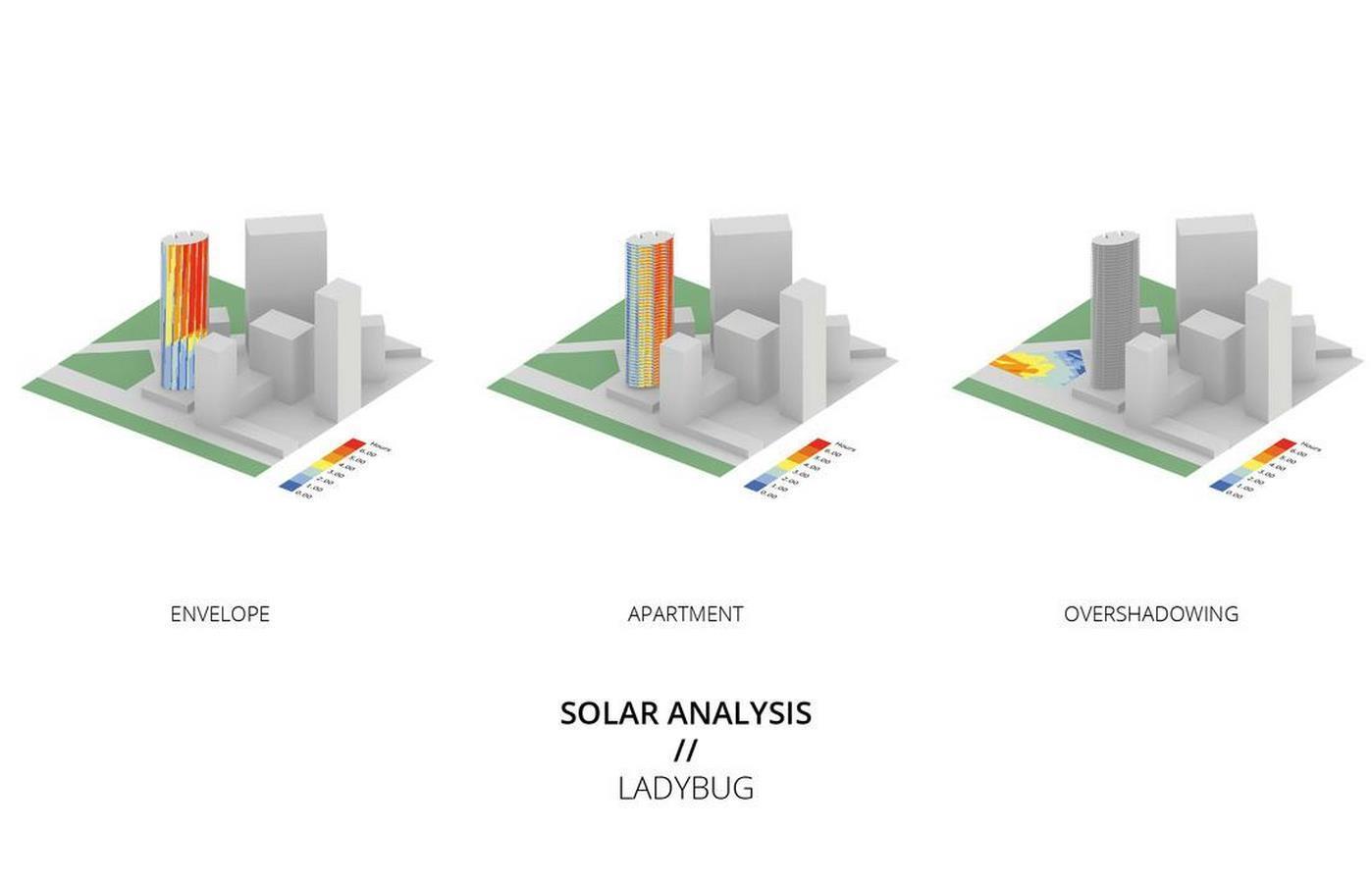
The Al Bahar Towers in Abu Dhabi for instance can be cited as a good example. The towers incorporate a responsive façade system which is based on the parameters of the design and the shading system of the towers is an automated one that responds to sunlight, which has led to the reduction of energy used for cooling by about 45%. Such innovations are evidence of how parametric design goes beyond mere aesthetics to make a tangible contribution to environmental conservation.

Unleashing Creativity: The Interface of Art with Technology.
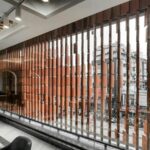
Parametric design is an art and a science, offering designers creative freedom and options that would otherwise be unattainable. By applying computational techniques, architects can create forms and patterns inspired by nature, biomimicry, and fractal geometry. These techniques allow for organic designs that balance transparency and opacity, as demonstrated by CoolAnt’s Aeroleaf technology by Ant Studio. This innovative cooling system showcases how parametric design integrates functionality with beauty, creating sustainable solutions that promote visual and aesthetic harmony while addressing practical challenges.

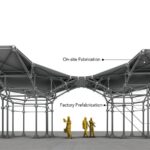
Parametric design also enhances efficiency by focusing on the advancement of digital fabrication and construction techniques. The creation of accurate digital models bridges the gap between the conceptual and built worlds, reducing mistakes, minimizing material waste, and speeding up construction processes. Ultimately, parametric design unlocks immense potential, encouraging creativity and enabling architects to push the boundaries of what is possible in modern architecture.

A Change in the Paradigm of Collaboration
There is no question that, in the realm of parametric design, collaboration is king. In this regard, the multiple disciplines can be easily incorporated into a single computational environment where an architect, an engineer, and a contractor can collaborate. This symbiosis is most easily observed in large-scale structures, which require that all the components and systems are well interrelated.
The Sydney Opera House was not designed using parametric design, but it was the first ever building to use computational analysis to solve the problems of its shapes. This example shows how the application of parametric design ensures that different disciplines come into play to bring concepts into reality while taking into consideration aspects.

Planning and Urban Design
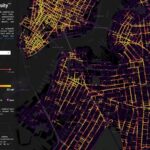
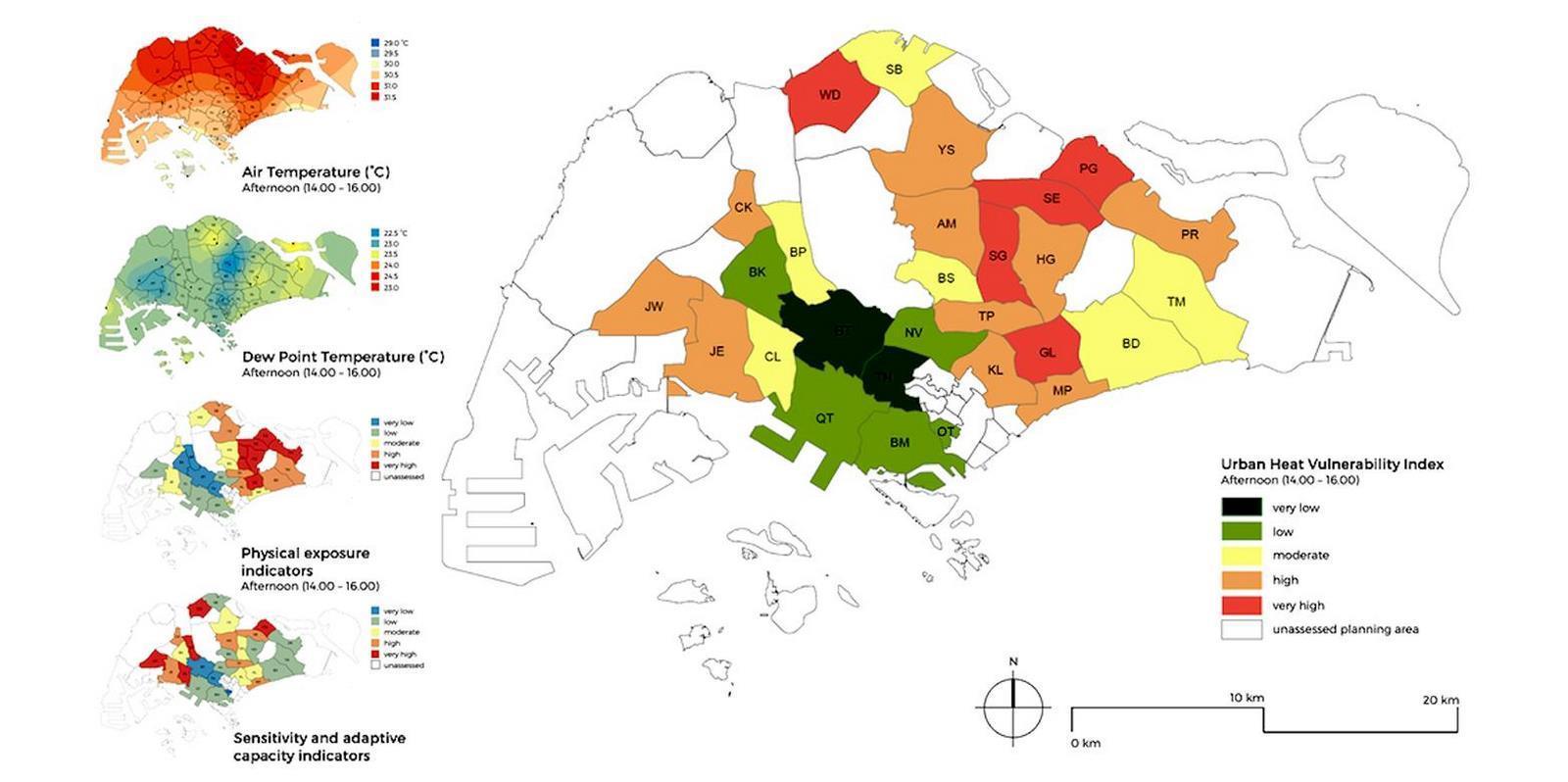
It is important to note that the application of parametric design has greatly increased in the urban design and planning domain to deal with the challenges of today’s cities. Using large data sets as inputs, parametric algorithms can determine the best layout of cities, transportation systems, and public spaces for improved utility and liveability.

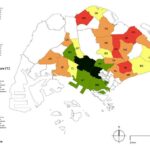
For instance, in Singapore, the use of parametric design has been used in the management of spaces such as those that are used for human settlement that are highly condensed. With the help of computational simulations, the effects of the design decisions on such parameters as traffic jams and energy consumption can be estimated, and the cities that are friendlier to people and more sustainable at the same time.
Advancing Structural Innovation
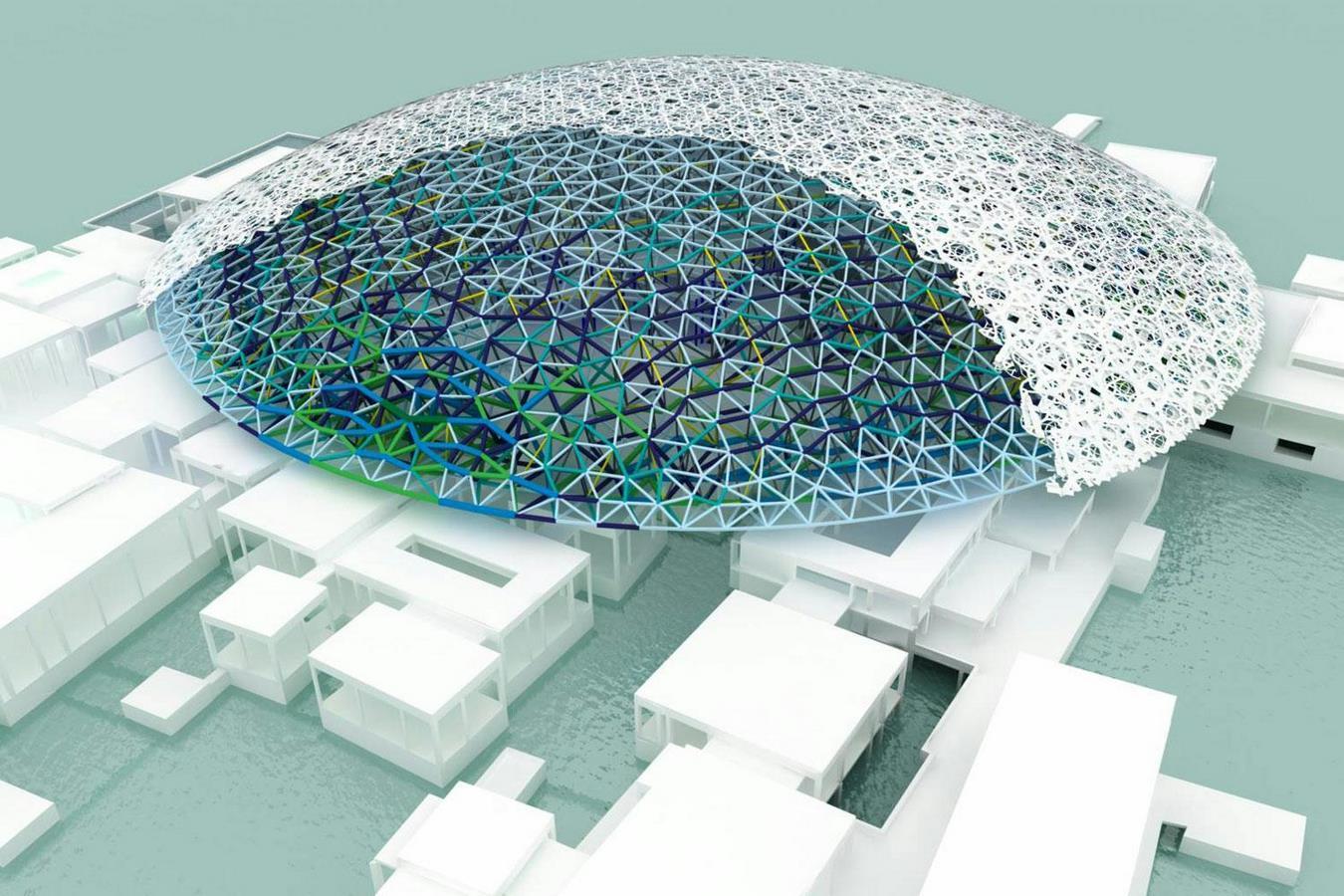
Structural engineering has greatly benefited from the application of parametric design, which enables the development of non-standard but effective structures. Parametric tools help develop innovative and functional structural forms by assessing stress distribution, material behavior, and load-carrying capacity in real-time.
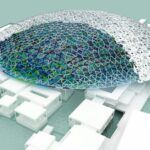
The Louvre Abu Dhabi which has a complex dome structure that is made of interlocking geometric shapes is a good example of this. The design of the dome was optimized with the help of parametric algorithms; the structure needed an aesthetic value, and the questions of weight and natural light have been taken into consideration. This integration of design and engineering also shows how the limitations of structural innovation can be redefined through the application of parametric methodologies.
Challenges and Future Prospects
There are always two sides to a coin, similarly, there are difficulties that are connected to the application of parametric design. One of the major disadvantages can be attributed to the fact that the usage of computational tools such as Grasshopper and Dynamo is highly complex and may not be convenient for everyone to learn. Also, algorithms, when overused, may produce forms that look good but are neither functional nor suitable for the intended use.

However, there are many prospects for the future of parametric design. The new advancements in technologies including the use of artificial intelligence (AI) and machine learning are set to improve the current parametric systems and increase efficiency. There is a possibility that AI is going to transform self-organizing smart buildings that incorporate AI-based parametric models that are capable of predicting user behavior and environmental conditions and thus adjust the interior spaces in real time to enhance the well-being, efficiency, and sustainability of the built environment.

Thus, it can be stated that parametric design is at the intersection of technology and design. However, it is not without its problems which are that it is difficult to implement and yet provides a lot of opportunities for architects and designers to come up with innovative designs that are environmentally friendly, space efficient, and aesthetically pleasing. As computational technologies advance further, the potential of parametric design can be seen to reshape the boundaries of the built environment and make it impossible not to consider it as an important aspect of the future of architectural design. The opportunities are immense while the boundaries of what is possible have not been explored.