

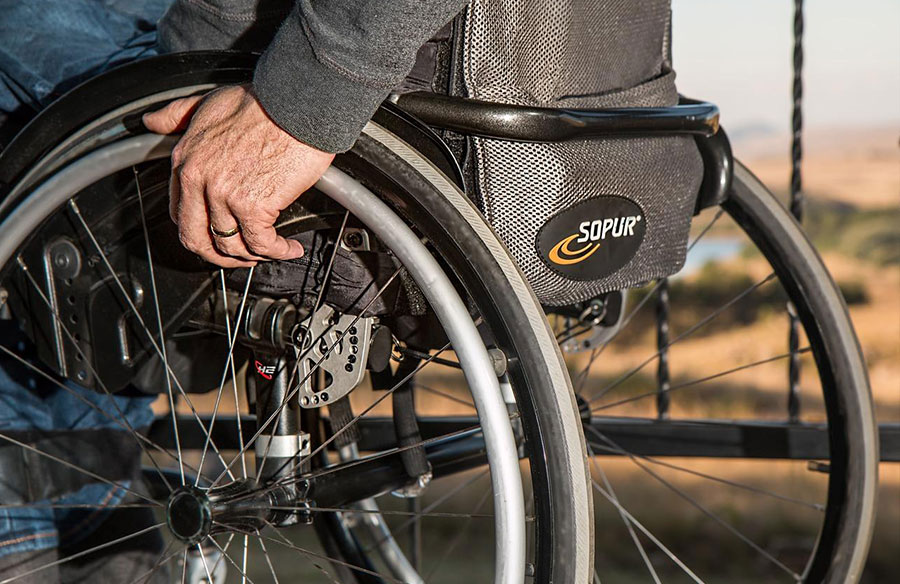
Construction is a field where work accidents and injuries on the job are more common than in other fields.
While such instances have reduced in the last years due to strict safety standards and training requirements, construction sites are dynamic environments filled with potential hazards like heavy machinery, elevated workspaces, and exposure to harmful materials.
The workers’ compensation process kicks in right after a work accident, which can cover medical expenses and provide partial wage replacement during recovery. However, not everyone is lucky enough to reach a stage of full recovery.
In today’s article, we’ll have a look at the recovery process and what happens to worker’s compensation if the injuries are deemed unrecoverable. We’ll also have a look at how, as architects, we could take a more inclusive approach when designing spaces and buildings.
What does Incomplete Recovery Mean for Workers?
Incomplete recovery for workers means they are not considered fully healed and can’t resume their regular duties or lifestyle. This may happen because of the seriousness of the injury, but it’s also influenced by how fast the worker had access to medical care.
This is why it’s important to have clear steps and procedures on what to do in case of a construction accident. When you act fast, the risks of incomplete recovery are lower. However, when a worker’s recovery is deemed incomplete, it is time to decide if the worker has reached maximum medical improvement or MMI.
MMI refers to the point at which a patient’s condition has stabilized. This means further significant recovery or improvement is not expected despite ongoing treatment, even if some symptoms persist. In workers’ compensation cases, reaching maximum medical improvement plays a crucial role.
Professional Impact of MMI
Once healthcare providers determine MMI (an assessment made by the treating physician or a medical specialist), it often leads to reassessing the worker’s ability to perform their job duties. It helps in deciding future medical needs and potential benefits for permanent disability if applicable.
In some cases, insurance companies involved in workers’ compensation might request an independent medical examination (IME). An IME involves another doctor assessing the worker’s condition to confirm if they have truly reached maximum medical improvement.
Overall, the MMI assessment can impact decisions about returning to work or adjusting roles to accommodate any lasting limitations.
Personal and Emotional Impact of MMI
On an emotional level, coping with these changes also involves managing stress and frustration due to altered abilities and aspirations. Ultimately, it’s about finding ways to adapt while ensuring they continue receiving the necessary support from employers and healthcare providers alike.
It’s crucial for workers to maintain open communication with their healthcare providers throughout this process. A clear understanding of their health status helps ensure appropriate benefits and accommodations are pursued when necessary.
Adopting Universal Design in Construction Environments
As the world becomes more open to diversity and inclusion, our public spaces, offices, and transportation systems must reflect that. As an architect, you have front-and-center access to this change and can militate for more inclusive spaces that allow everyone access.
Here are a few steps to consider for any future projects:
- Prioritize accessibility – Design entrances and pathways with gentle slopes instead of steps. Wider doorways and hallways accommodate wheelchairs and strollers.
- Incorporate flexible spaces – Create adaptable areas that can serve multiple functions. Movable partitions help adjust spaces based on users’ needs.
- Focus on ergonomics – Choose fixtures like sinks and counters at varying heights for easy reach by all users, including those seated or using mobility aids.
- Use inclusive technology – Integrate smart home systems controlled by voice commands or mobile apps for enhanced convenience and independence.
- Select materials thoughtfully – Non-slip flooring reduces accident risks while contrasting colors assist visually impaired individuals with navigation.
By embedding these strategies into your future projects, you can improve safety and foster an inclusive environment supporting diverse needs within construction settings, which will benefit both workers facing long-term disabilities and the general public alike.
Wrap Up
Preparing for what’s next in construction safety and design involves embracing new technologies, enhancing training programs, and fostering a culture of continuous improvement.
As industry standards evolve, staying informed ensures we build safer environments while accommodating diverse needs – leading to more inclusive spaces that benefit everyone involved in construction projects.







