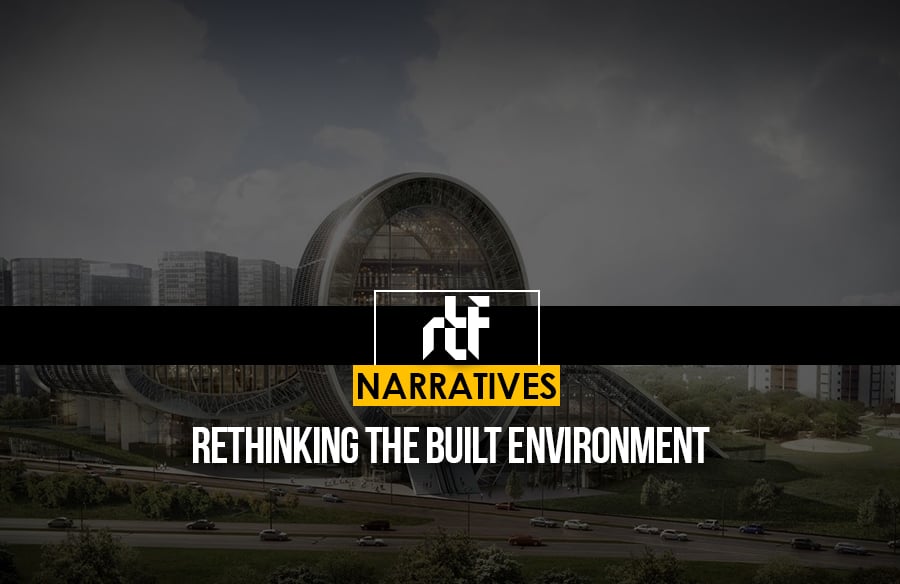
Architecture is one of the professions undergoing significant change. Looking at the rate at which technology is moving, changes in the social demand, and growing consciousness of environmental sustainability, design has the potential to transform the future of architecture in ways that were not possible a few years ago. Evaluating major themes such as the need for smart buildings, use of artificial intelligence (AI), the importance of sustainable design, and the impact of urbanisation and demographic changes. This article investigates the future of architecture, the aim of the article’s analysis of these factors is to give a clear picture of the future prospects of the built environment and the architectural profession.

Smart Buildings and Technological Advancement
Smart Buildings and BIM
The development of buildings that are able to manage and monitor many building systems including HVAC, security, ventilation, and lighting is being facilitated by the integration of the Internet of Things (IoT) into buildings. Through the optimization of these systems for comfort, safety, and energy efficiency, the future of architecture may become more conforming to the requirements of the inhabitants. Design, construction, and building management have been transformed by Building Information Modelling (BIM). The virtual representations of buildings that may be used to simulate and analyse many elements of a building’s performance are made possible by BIM. BIM (Kolarevic,2003) helps architects, engineers, and contractors work together effectively and increase the efficiency of the design process.
AI Integration
The future of architecture will integrate more AI than seen today. Architects can now optimise designs, analyse enormous volumes of data, and forecast the performance of their structures. AI may assist in the design of energy-efficient buildings by forecasting the effects of temperature, wind, and sunshine on energy use. Another trend in the future of architecture is generative design, in which several design possibilities are produced by AI algorithms under predetermined parameters to suit the design requirements.

Environmental Considerations and Sustainable Design
Green Architecture
In the modern and future of architecture, sustainability is a need not an option. Green design is becoming more and more popular among architects as a result of growing awareness of climate change and the need to minimise carbon footprints. This requires the use of sustainable materials, energy-efficient designs, and renewable energy sources, this includes the use of local labour as it minimises the resources waste on transport to and from the construction site. In order to save energy, passive techniques like daylighting, thermal mass, and natural ventilation are being used more.
Biophilic Design
Another important element influencing the future of architecture is the concept of biophilic design. Biophilic design aims to bring building inhabitants closer to the natural environment. The concept of biophilic design puts a strong emphasis on using indoor plants, natural materials such as wood, earth, natural stones, water, and lots of natural lighting in spaces to create a more comfortable and healthy living space. Research has shown that biophilic design is able to enhance building occupant productivity and the general well-being, hence future architectural projects should take this into consideration.

The Evolution of the Architecture Profession
With emerging new technology and problems, the roles of architects are changing. Architects are now more than just architectural designers; they are now serving as facilitators for intricate procedures involving different parties. The future of architecture will require architects to possess a wider range of skills such as knowledge of technology, sustainability, and project management. The education and training of architects must change with the requirements of the future of architecture. Future architects will require education on global challenges, sustainability, and new technology. It will also be crucial for architects to pursue ongoing professional development as they must keep up with the most recent developments and trends in their industry.
Aesthetic and Cultural Evolution
Architectural aesthetic trends are always changing to suit the changes in technology, culture, and society. It seems probable that the field of architecture will persist in investigating novel shapes, materials, and building methods in the future. The future of architecture will have to strike a balance between environmental and practical factors and artistic expression. Globalisation and cross-cultural exchanges will continue to shape the future of architecture. New architectural forms that combine traditional and contemporary design elements may result from these exchanges. Architects will need to be both innovative and mindful of cultural context and history.
Urbanisation, Demographic Change, and The Built Environment
A lot of people are living in cities than ever before as the globe becomes more urbanised. Megacities are growing as a result of this tendency, which presents particular difficulties for architects and planners. Creating structures and urban areas that can meet the demands of an urban population that is expanding at a rapid rate will be a key component of the future of architecture. The demand for inclusive and accessible architecture for individuals of all ages and abilities is increasing. These changes in the population will need to be taken into account by architects when creating structures and public spaces.

The future of architecture is both bright and difficult. A lot of factors including; urbanisation, sustainability, cultural change, and technological breakthroughs have an impact on the future of architecture and the construction of structures and cities. Adaptability, creativity, and teamwork will be essential for architects to manage these shifts. In the future of architecture, architects may have a significant impact on creating a better and more sustainable society by adopting new technology, emphasising sustainability, and attending to the requirements of various people.
References:
Doherty, M. M. (2010). Ecological Urbanism. London.
Kolarevic, B. (2003). Architecture in the Digital Age: Design and Manufacturing. London: Taylor & Francis.
Picon, A. (2010). Digital Culture in Architecture: An introduction for the Design Professions.
William Lee Steffen, J. G. (2011). The Anthropocene: conceptual and historical perspectives.