Exploring the Center of Europe: Slovakia
Nestled in the heart of central Europe, Slovakia, a landlocked country, often gets overshadowed by its more popular neighbors. With Poland and Czechia to the north, Austria to its west, Hungary to its south and Ukraine to its east, no wonder this charming country is not talked about much. However, for those who are willing to venture off the beaten path, there is a reward waiting here in the form of stunning natural beauties, rich history and warm hospitality.
This hidden gem is a land of enchanting contrasts and untamed beauty, where ancient castles loom over lush valleys and quaint villages beckon with their timeless charm.
Slovakia is a place to get lost in. A quiet country where people live in harmony, with the nature around them and each other, is untouched and quite unique in its own right.
Incidentally, the geographical center point of Europe is in fact, Slovakia.
Not only are the architectural wonders of castles and 18th-century manors a visual feast, but Slovakia also boasts a natural treasure trove. With nine national parks, majestic peaks, enchanting caves, and mysterious gorges that transform with the seasons, the country offers a paradise for adventurers and wanderers alike
How to get there ?
Like any country in Europe, it is so well connected. Easily accessible by train to the Hlavna Stanica
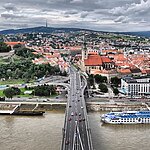
train station right into the capital, a flight from anywhere in the world or for those folks who are true explorers, can take a boat from Vienna and enter the capital city from the banks of the beautiful Danube River.
A preferred method of travel anywhere in Europe however is through scenic roadways. Within Slovakia itself, driving is the best mode of transport, as you take the roads through beautifully quaint towns, up mountains and through forests, you can experience each beautiful landscape at your own pace.
Bratislava, a tale of two cities
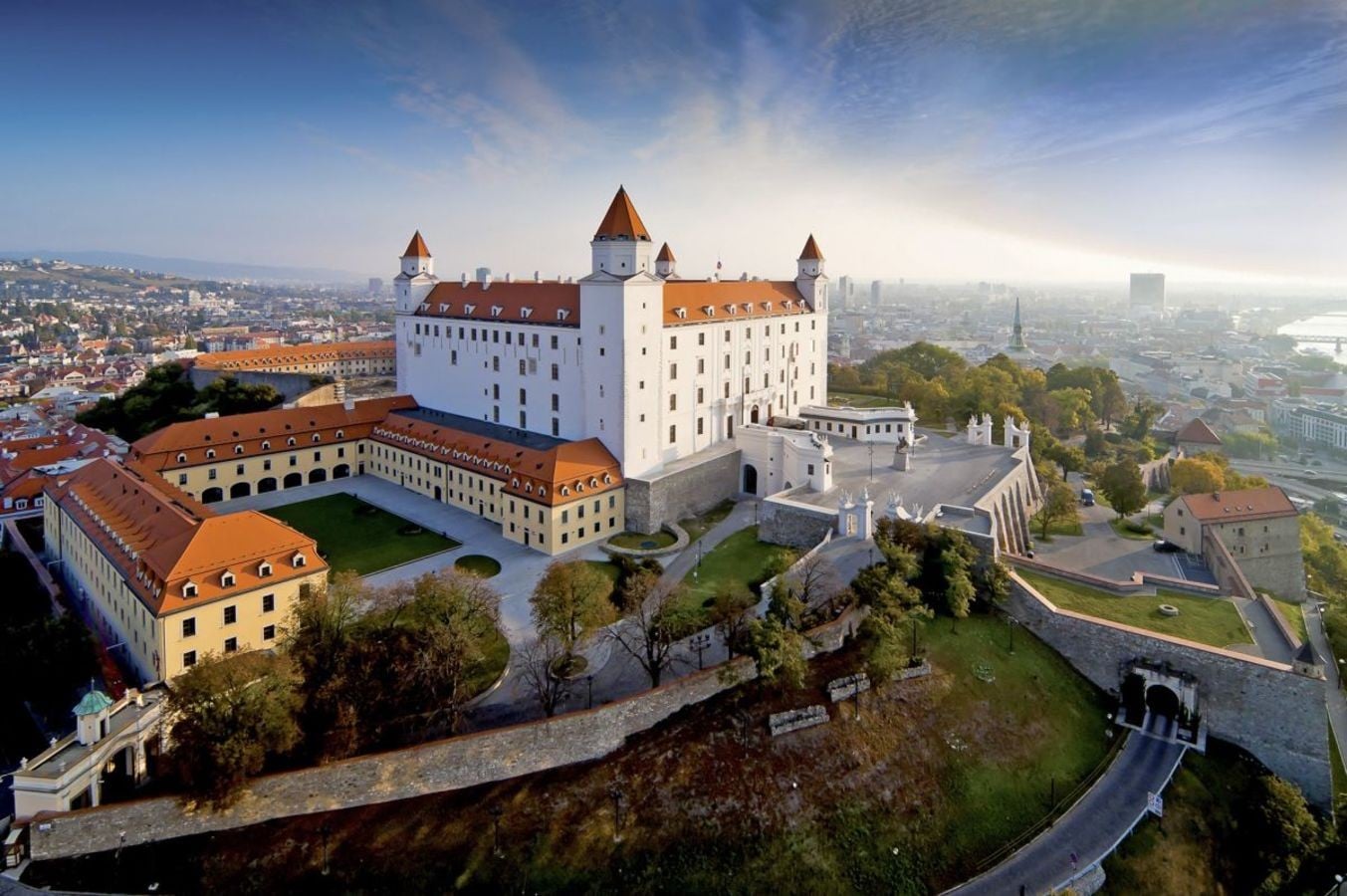
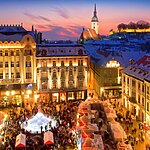
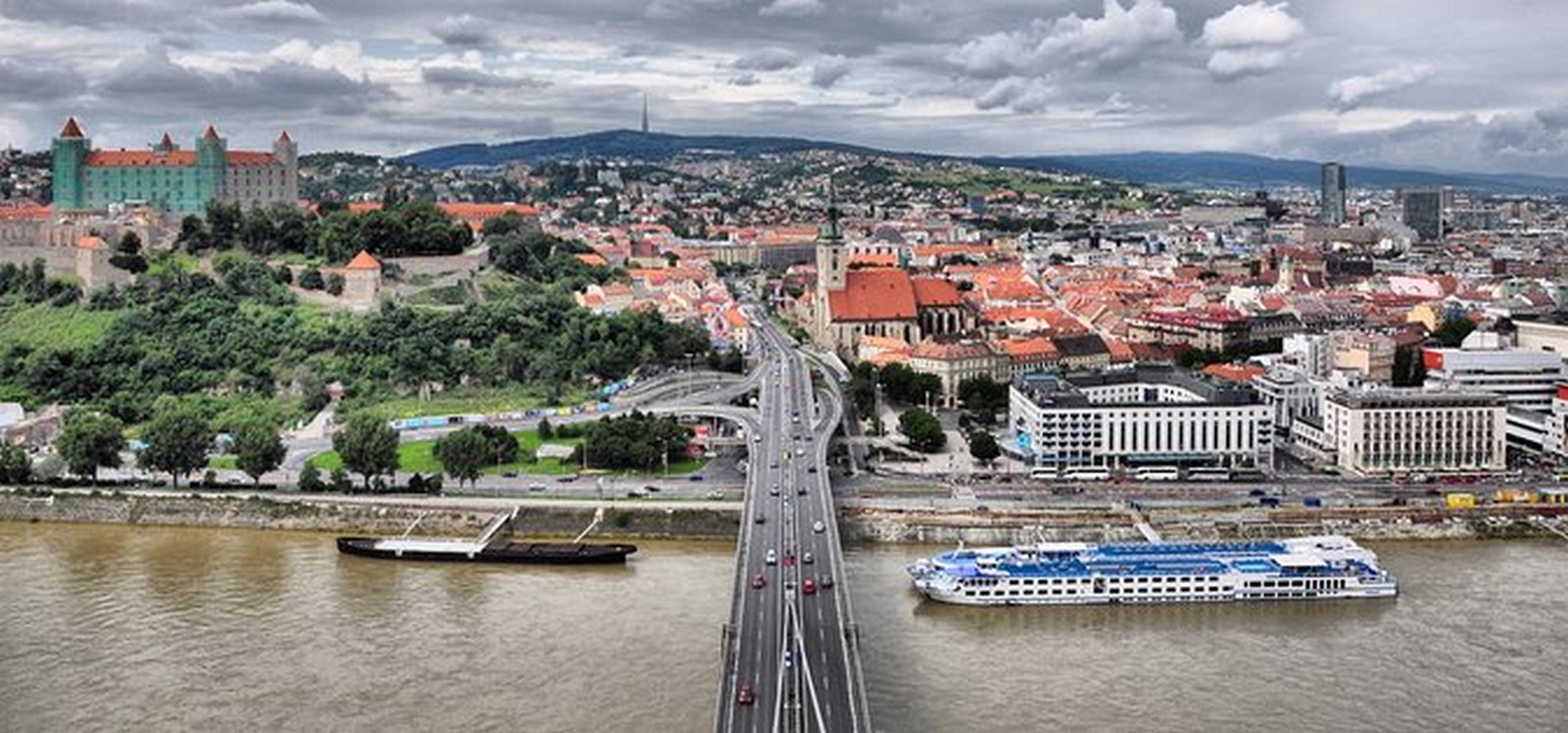
Keeping a firm foot in the past, the capital city has progressed into the future. Here you can witness just how much Slavs value their heritage and their commitment to preserve it. The historic old town, with its narrow cobblestone streets and medieval buildings, is a testament to this. At the same time, Bratislava is like any other modern European capital city.
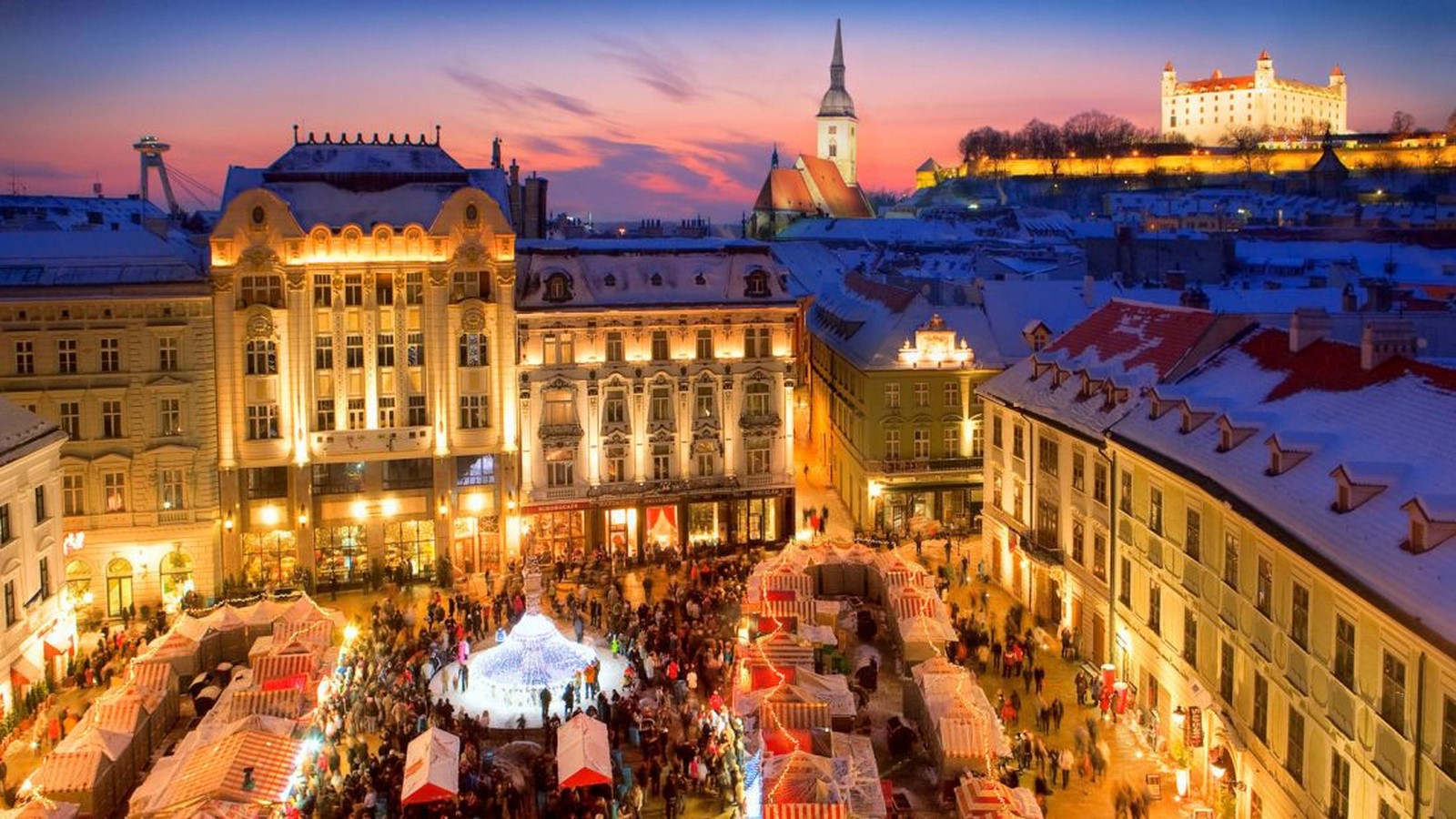
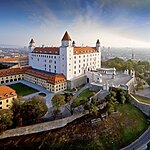
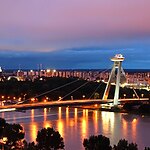
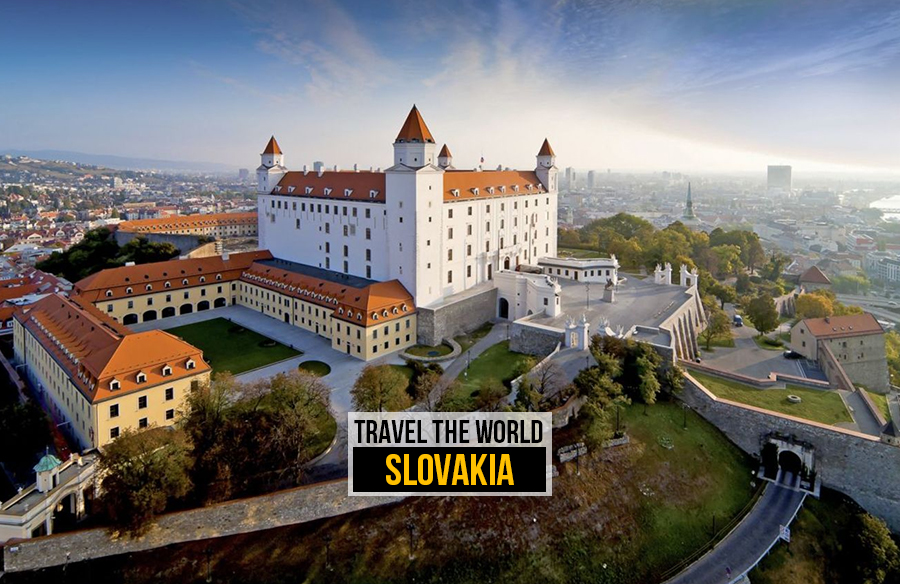
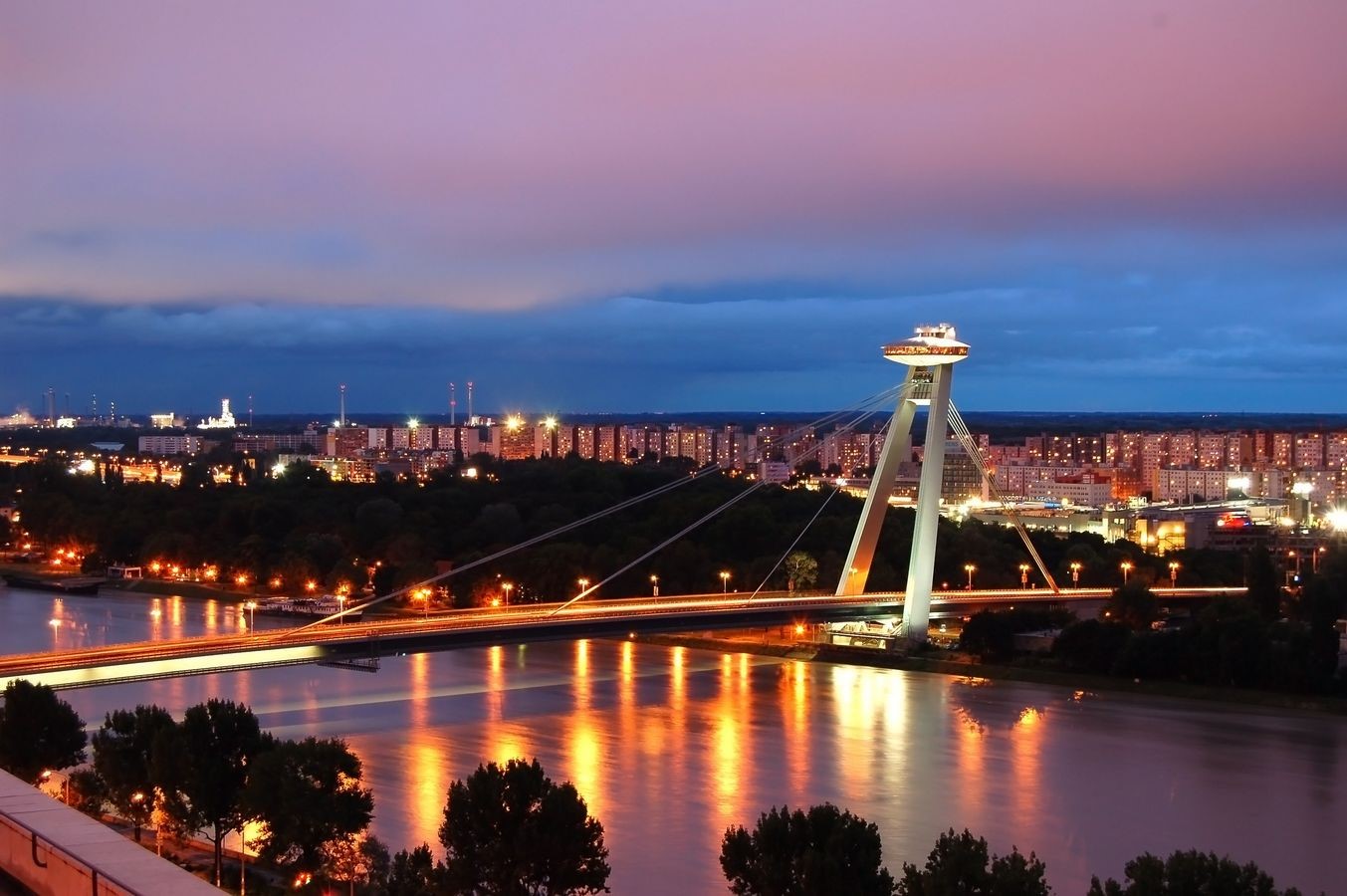
All in all, Bratislava has a bustling cafe culture, vibrant nightlife and a great contemporary art scene as witnessed by some pretty unusual sculptures peppered across the city. You can go from seeing the main Bratislava castle built in the 9th century to having dinner at the iconic UFO observation deck with a view. Both together perfectly sum up the city and its experience.
Tatras and Northern Spiš
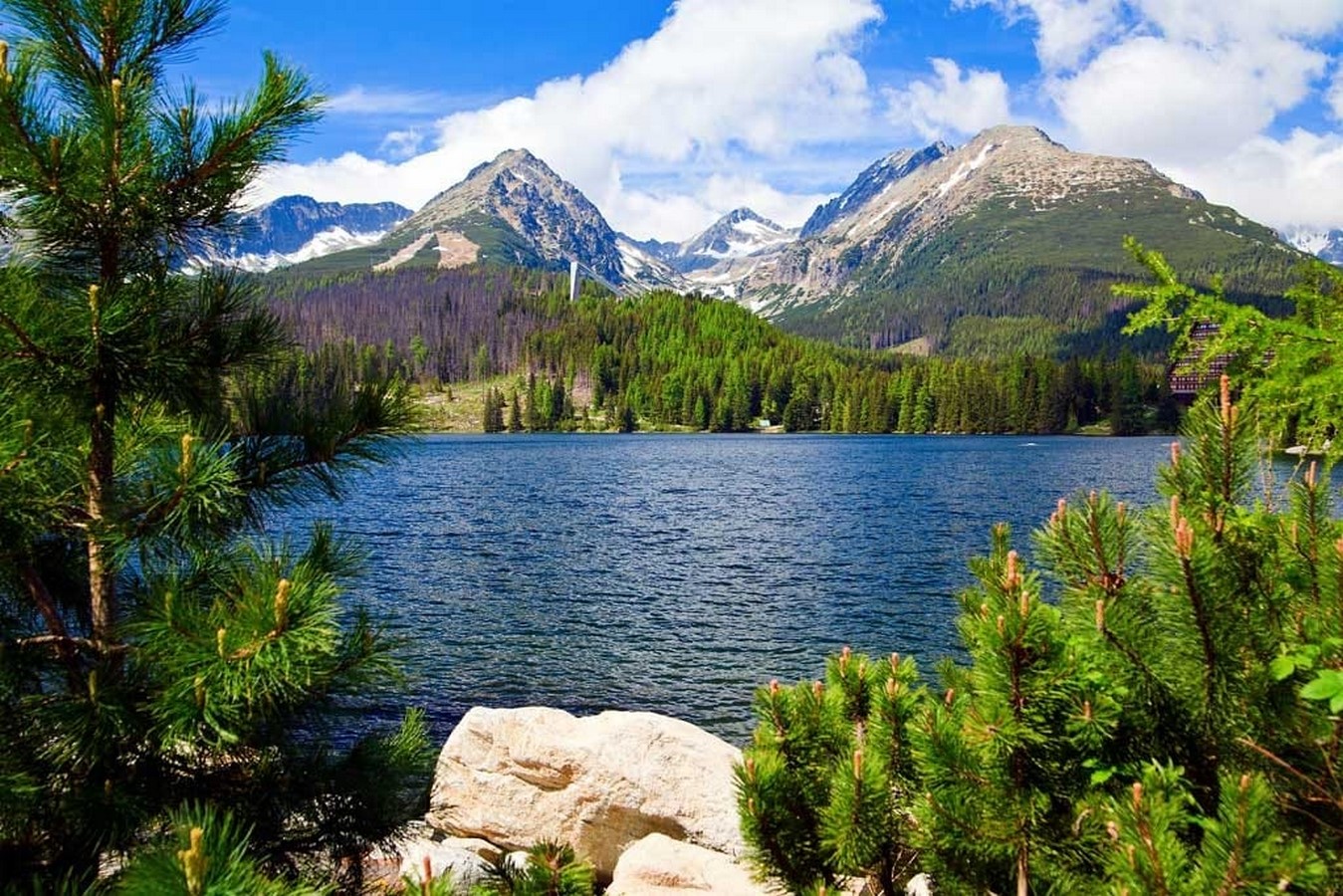
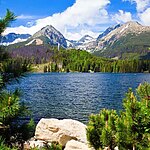
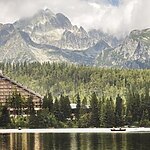
The Tatras mountain range, often referred to as the “Miniature Alps” are the smallest high mountain ranges in the world. Part of the Carpathian mountain range, is a paradise for hikers, with breathtaking vistas and challenging trails. In the Slovak Paradise National Park, visitors can explore a labyrinth of gorges, waterfalls, and lush forests, making it a haven for nature enthusiasts and adventurers alike.
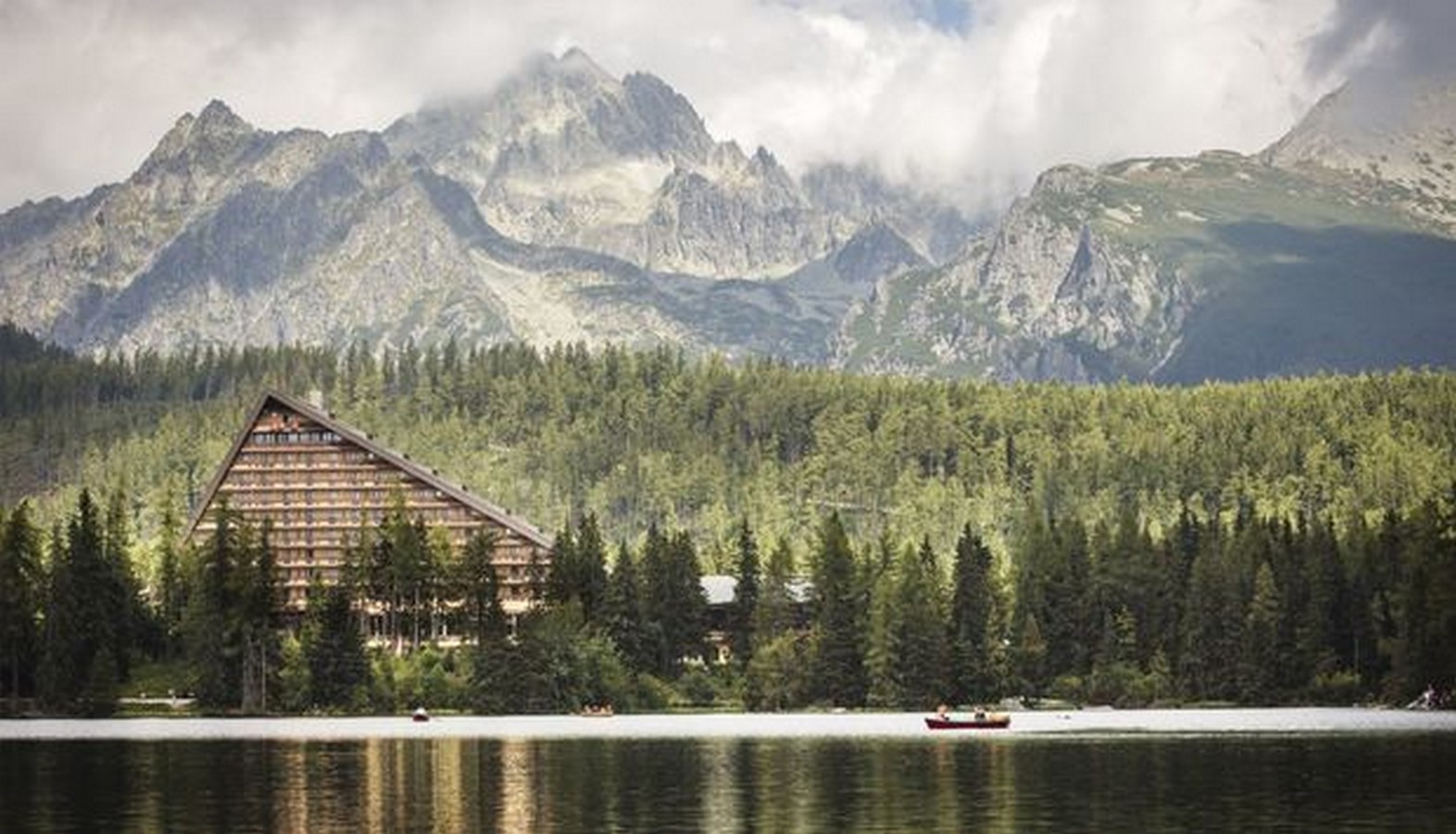
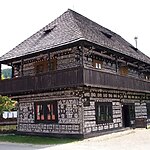
Northern Spiš is unusually rich in architectural monuments from different historical epochs. They are represented by manor houses, monasteries, castles or Town Monument Reserves. Houses built in a popular style are in several villages in this region and some of them were moved to the Open Air Museum below the Ľubovniansky Castle.
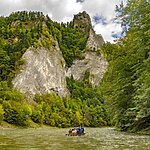
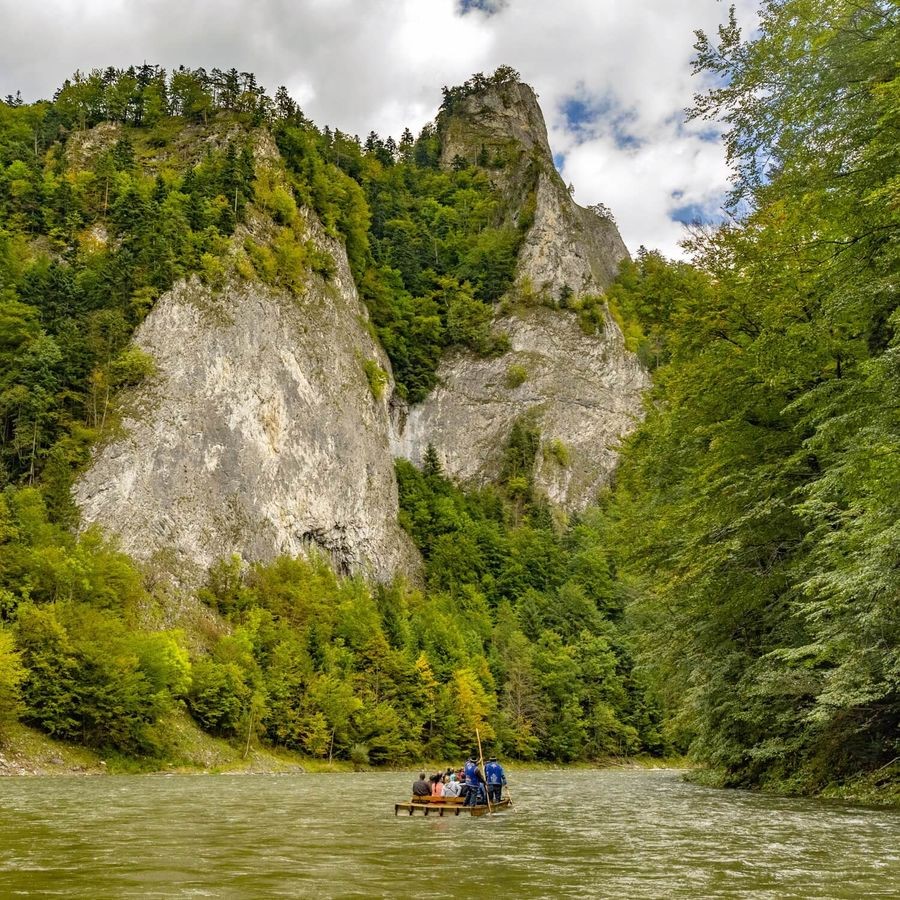
The gem of the northern Spiš is the gorge Prielom Dunajca in the National Park of Pieniny.
Subterranean treasures
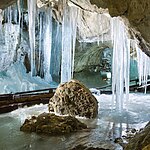
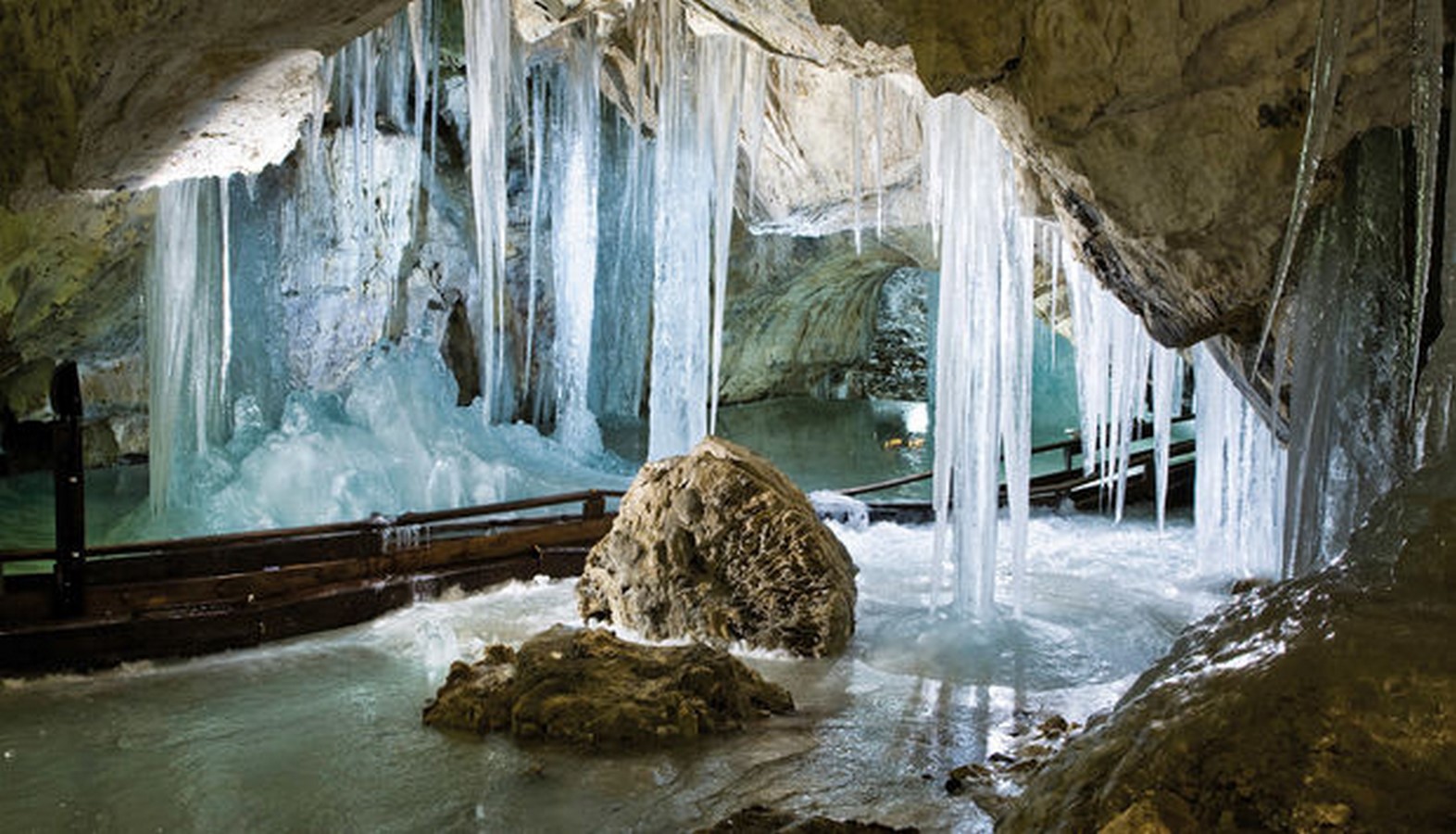
Beneath Slovakia’s picturesque landscapes lies a hidden world of subterranean wonders, a testament to the country’s geological richness and natural diversity.
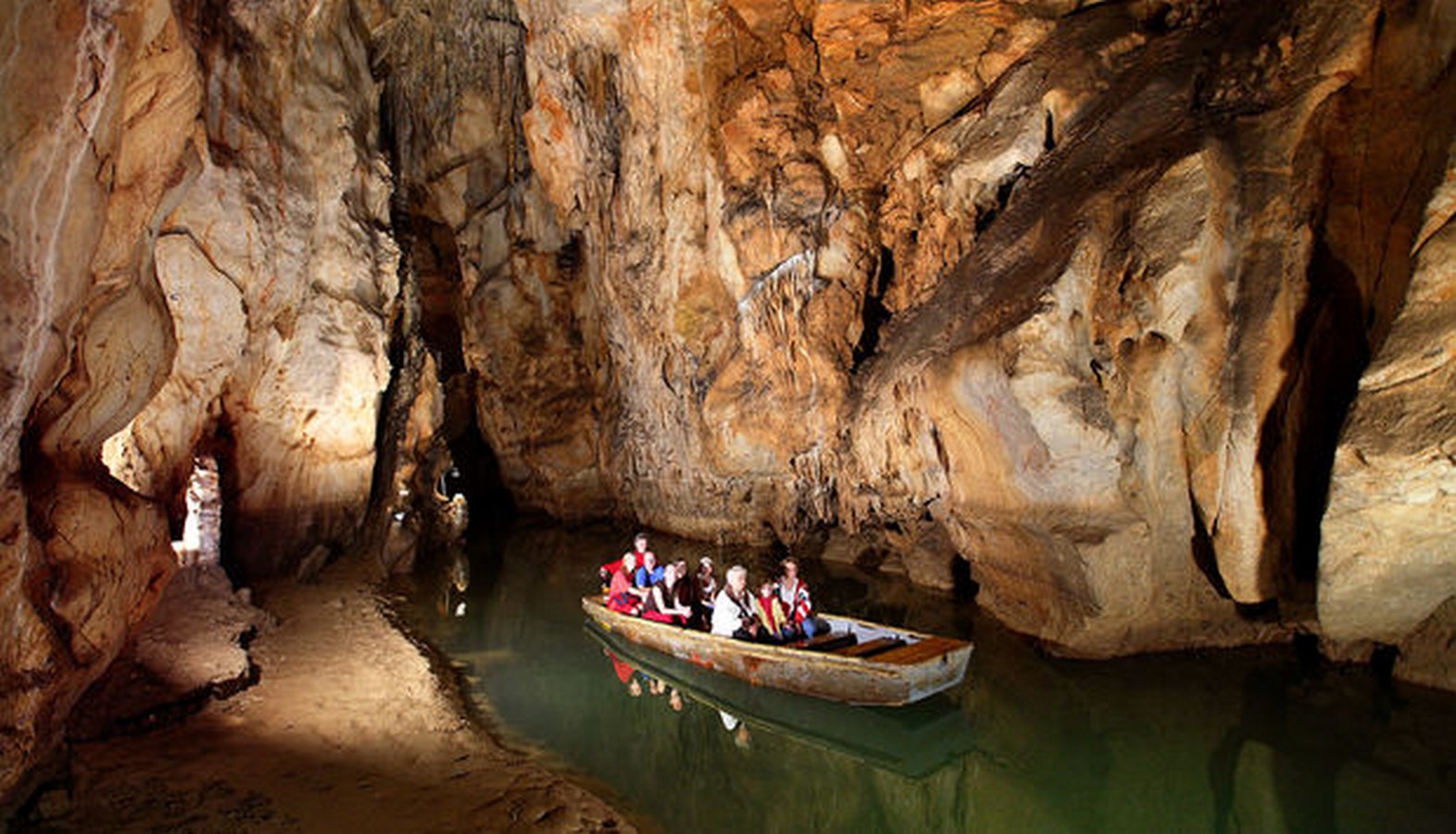
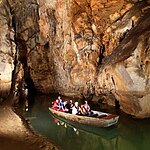
The country boasts over 7,500 natural caves, yet only 20 are open to tourists. Among these, the Ochtinská Aragonite Cave stands out as a unique European treasure. In addition to the Ochtinská Aragonite Cave, Slovakia is also home to the Domica Cave, the largest known cave in the Slovak Karst. Here, visitors can embark on a unique underground journey, cruising along the underground River Styx on small boats, immersing themselves in the eerie beauty of the cave’s subterranean landscape.
Architectural Marvels
Slovakia’s architecture is a testament to its rich and diverse history, reflecting influences from various cultures and periods. From medieval castles and Gothic cathedrals to Baroque palaces and Art Nouveau buildings, Slovakia’s architectural landscape is a captivating mix of styles. The country’s historic towns and cities, such as Bratislava, Košice, and Banská Štiavnica, boast well-preserved historic centres with charming cobblestone streets and colourful facades. These architectural gems offer a glimpse into Slovakia’s past and provide a picturesque backdrop for exploring the country’s cultural heritage
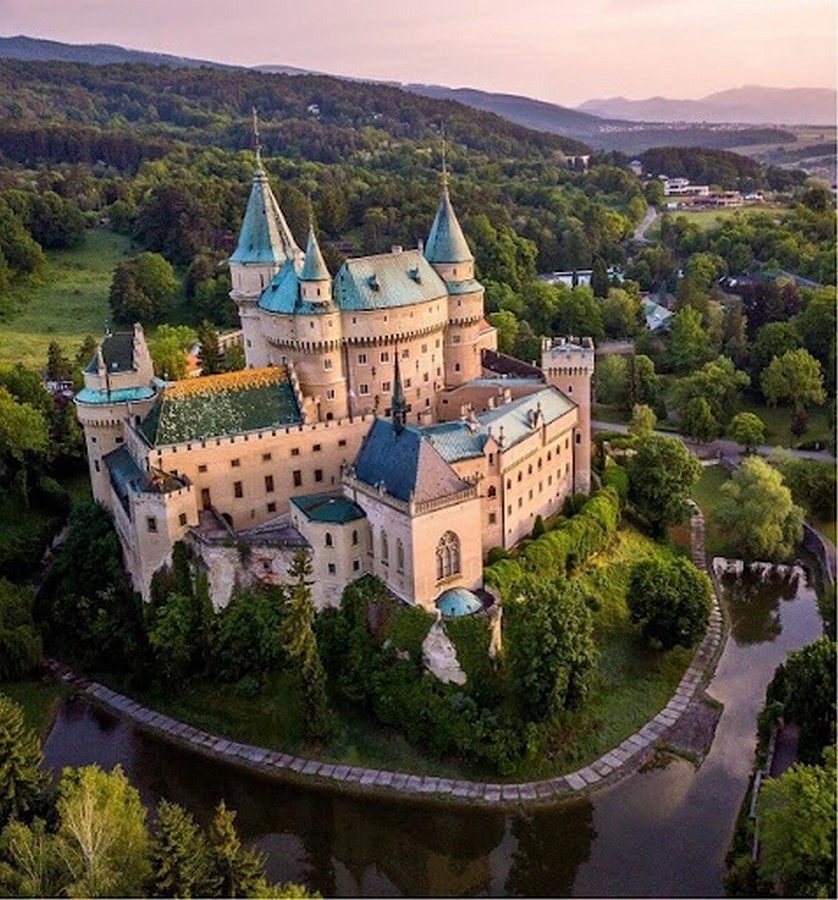
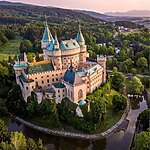
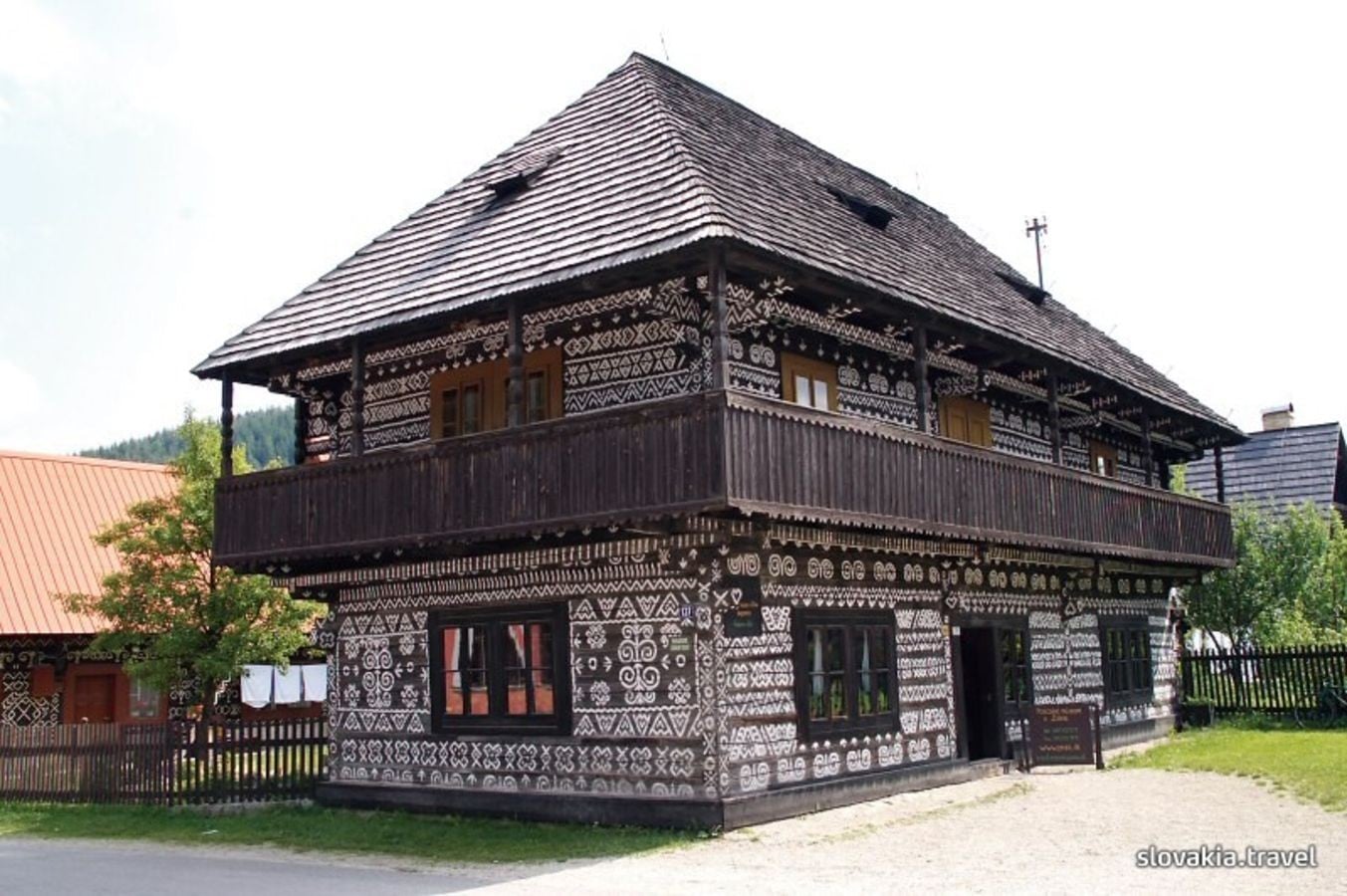
A must-visit list of monuments includes the “Fairy-tale” Bjonice Castle, The typical village ČIČMANY with its traditional log houses with typical white ornamentations and the 7 wooden churches part of the UNESCO World Heritage list, to experience their old world charms.
On top of all the country itself has to offer, the icing on top is the warm hospitable Slovaks. Slovakians are known for their friendliness and welcoming nature, and visitors will find a wealth of cultural experiences to enjoy, from traditional folk festivals to lively markets selling local crafts and produce.
This country is a must-visit for those intrepid wanderers, willing to travel to this little gem of central Europe with an open mind and an open heart, embracing this eclipsed country.