The world is ridden with conflict. Conflict, within the realm of architecture, extends beyond warfare to encompass broader socio-political upheavals that disrupt communities and urban landscapes. This conflict manifests in various forms, including armed conflicts, civil unrest, and economic crises. In architectural terms, conflict often results in the destruction or damage of built environments, leaving cities and towns in ruins, displacing populations, and erasing cultural heritage.
In 1946, Poland’s General Conservator Jan Zachwatowicz decreed a dramatic statement on why rebuilding destroyed historical markers was important, “Our sense of responsibility to future generations demands that we rebuild what was destroyed, that we completely rebuild it, aware of the tragedy of the conservation forgery that we are committing.” (Zachwatowicz, 1946) This speech elucidated the civic responsibility he felt was owed to the younger population and the necessity of retaining the integrity of the city’s memory. This sentiment was also shared amongst other world leaders, politicians, and activists, thus leading to different approaches to rebuilding after the war.
Architectural responses hold a crucial role in the post-war reconstruction process, significantly healing wounds, restoring communities, and rebuilding societies. This essay will explore post-war reconstruction, examining historical precedents, methodologies, and case studies worldwide.
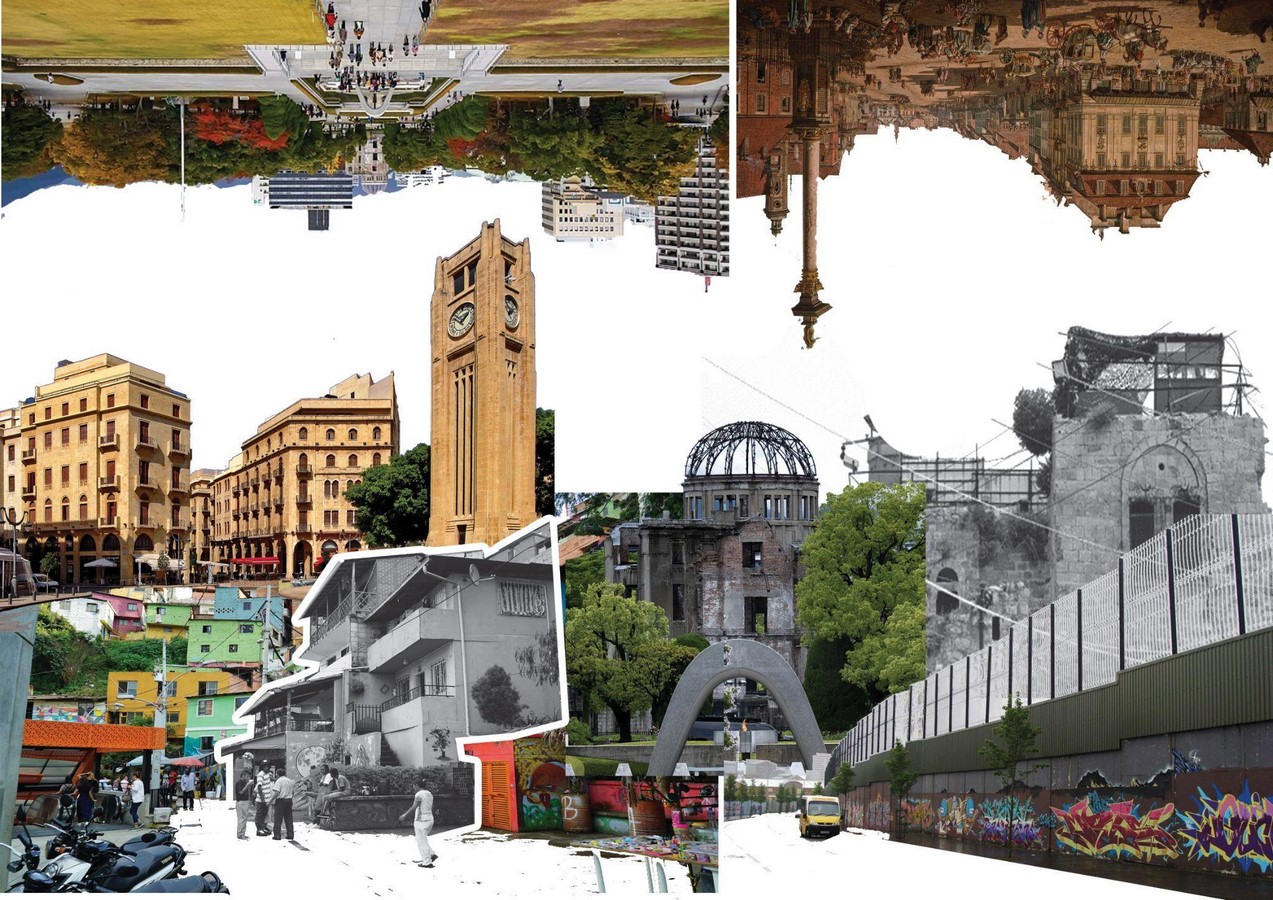
Historical Context: Precedents and Paradigms
Throughout history, civilizations have faced conflicts that destroyed architectural landmarks and infrastructure. Over time, ancient societies rebuilt their architectural marvels.
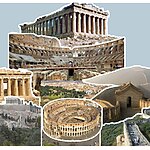
The Acropolis of Athens, Greece
Beyond the numerous wars and conflicts Athens faced, they decided to engage in various restoration projects reviving the Parthenon and other sites. In addition to repairing the damage, its renovation upheld Athens’ standing as a major political and cultural hub.
The Roman Colosseum, Italy
Besides being damaged by fires, wars, and other vandalism for centuries, Rome’s Colosseum is a tribute to the endurance of engineering and technology in building ancient architecture. Throughout history, restoration efforts have kept this famous amphitheatre intact for posterity, especially throughout the Renaissance.
The Great Wall of China
The inception of the Great Wall of China hinged on its existence barricading invaders, but in reaction to outside threats, it underwent repairs and expansions for several dynasties. The goal of these architectural changes was to fortify the empire’s fortifications and keep outsiders out of its domains.

Methodologies of Reconstruction
Tabula Rasa Approach
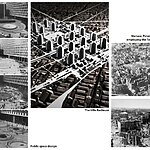
The Tabula Rasa approach is derived from Latin for “blank slate,” and this involves the total demolition and clearance of existing structures; usually in areas ridden with conflict, enabling rebuilding post-war, and creating entirely new urban cities. Some of the titular characters of this approach speak about the road it paves for new development. There is significant emphasis on modernization, often including contemporary styles of architecture, and defining urban principles. This approach holds certain clauses of exclusivity, prohibiting much engagement with local communities and decisions made within a centralized system of authorities and planners; yielding to potential disruption and displacement of residents in the vicinity of the proposals.

Following the devastation of World War II, Warsaw, Poland became a prominent example of the Tabula Rasa approach to post-war reconstruction. The city suffered extensive damage, with over 85% of its buildings destroyed during the war. Polish authorities wanted a radical reconstruction plan in the aftermath, clearing large areas of the city centre and rebuilding it according to modernist principles.
The reconstruction of Poland, Warsaw’s Old Town exemplifies this Tabula Rasa approach. The architects planned and meticulously executed the recreation of the pre-war morphology based on historical images; incorporating modern amenities and infrastructure. This resulted in a harmonious blend of ancient and modern, showcasing the resilience of Warsaw while preserving its cultural heritage.
Adaptive Reuse and Preservation
Adaptive reuse and preservation involve repurposing existing buildings and structures in the post-war urban context, integrated within the post-war context. This approach prioritizes the conservation of architectural heritage and promotes sustainable development. The various attributes of this approach pertain to the retention of historic buildings and landmarks, incorporating the various adaptive reuse strategies, and converting industrial buildings into residential lofts or communal spaces. There is a distinct emphasis on community engagement and participation while preserving the cultural identity and memory of the historic structures.

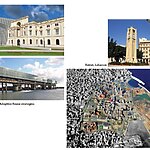
The city of Beirut, Lebanon, suffered significant damage due to the prolonged struggle of civil war. The Beirut Central District (BCD) became the centre of post-conflict reconstruction operations after the war. Planners chose preservation and adaptive reuse options to reinvigorate the city core over a Tabula Rasa strategy.
The reconstruction of the BCD is characterized by the preservation of old structures and the incorporation of contemporary innovations. Lebanon’s commitment to maintaining its cultural legacy while fostering economic growth and urban renewal is exemplified by initiatives like the adaptive reuse of Ottoman-era structures for commercial and residential purposes and the restoration of the old Sursock Museum.
Hybrid Approaches
The Hybrid approaches to rebuilding after war combine elements of both the Tabula Rasa approach and adaptive reuse strategies. They seek to balance the need for modernization while maintaining the stance on preserving cultural heritage through innovative design solutions and involving the community. Demolishing selectively is one key characteristic of this approach. Here, the integration of modern amenities and infrastructure within the existing fabric is vital. This approach also encourages collaboration between various consultants, architects, planners, and the local community to ensure a sensitively executed redevelopment. The design of various inclusive public spaces encourages reconciliation and healing for the people, post-war.

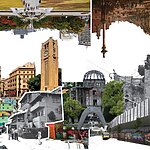
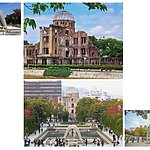
In Japan, the Hiroshima Peace Memorial Park is an illustration of a hybrid approach to post-war rebuilding. The park was created by the Japanese government in 194, owing it as a tribute to the victims and symbolizing peace after the atomic bombing of Hiroshima, which destroyed the city fabric and led to the death of thousands of people.
The Atomic Bomb Dome is retained as an ode to remind the public of the devastating power that nuclear weapons hold, and thus the park amalgamates new construction with preservation. There are memorials, museums, and surrounding green areas that offer chances for introspection and education about the aftereffects of war. The park is a huge example of resilience amid violence, emphasizing optimism for a peaceful future.
Architectural responses to conflict and rebuilding post-war are instrumental in shaping the socio-political landscapes of affected regions. Methodologies like the Tabula Rasa approach, adaptive reuse, and hybrid strategies each offer their distinct manner of approaching the post-war reconstruction challenges.
By maintaining cultural identity and promoting social cohesiveness, architectural answers support more general objectives of peace and reconciliation. While public areas and memorials encourage reflection and conversation, they offer concrete representations of resiliency and optimism. In the future, community involvement and sustainable development will be essential components of post-conflict rehabilitation initiatives. Enhancing inclusion and efficiency in rebuilding operations can be achieved through the utilization of technology and local views.
In conclusion, architectural responses to conflict not only reconstruct physical infrastructure but also contribute to healing and rebuilding communities. By balancing preservation with innovation and involving stakeholders, architects can help shape more resilient and peaceful post-war societies.
References:
- Bartetzky, A. The Reconstruction of Destroyed Architectural Monuments in Central and Eastern Europe, Open Edition, pp. 85-93 Available at: https://books.openedition.org/cvz/8464?lang=en#notes [Accessed date: 25/02/2024].
- Marot, B. Yazigi, S. Waine, O. (2012) The reconstruction of Beirut: sowing the seeds for future conflicts? Available at: https://metropolitiques.eu/The-reconstruction-of-Beirut.html#:~:text=%E2%80%9CBeirut%20in%20times%20of%20peace,be%20bringing%20with%20it%20the [Accessed date: 25/02/2024].
- Walker, S. (2023) Architects look to Warsaw for lessons on rebuilding Ukraine from rubble. Available at: https://www.theguardian.com/world/2023/sep/02/architects-warsaw-lessons-rebuilding-ukraine-rubble [Accessed date: 25/02/2024].
- Brescó de Luna, I., Li, Y. & Wagoner, B. (2023) Between War and Peace, Past and Future: Experiencing the Hiroshima Peace Memorial Park. Integr. psych. behav. 57, 1002–1023. Available at: https://doi.org/10.1007/s12124-022-09723-2 [Accessed date: 25/02/2024].