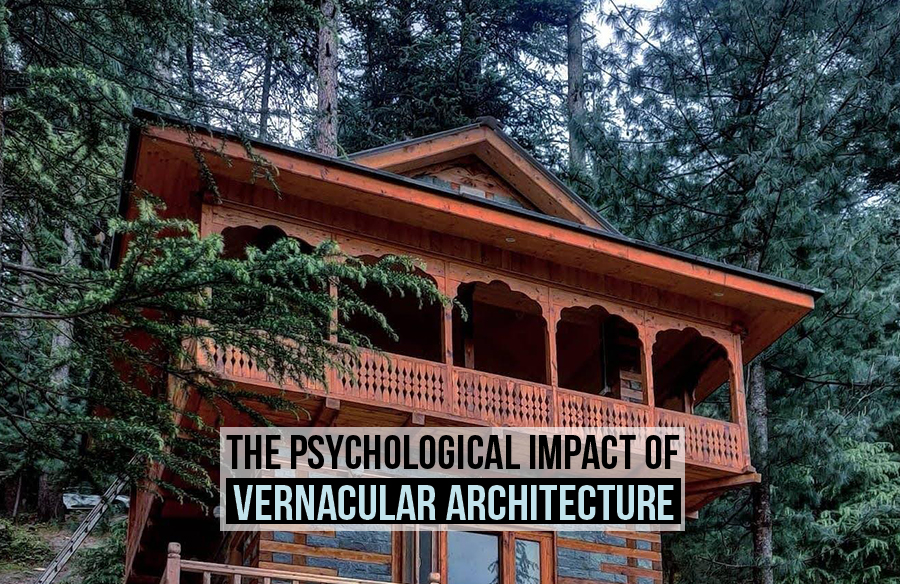
Modern-day architecture is known for its beauty and aesthetics, while functionality and comfort are a raging debate. Vernacular architecture and, more importantly, contemporary architecture have found their way to the trends. A local or regional construction that uses customary materials and resources from the structure’s location is known as vernacular architecture. Such buildings are deeply rooted in their environment and cognizant of the unique topography and cultural elements surrounding them and impacting the inhabitants. Exclusive to many regions of the world, vernacular architecture is often used to reinforce the city’s identity and its locales.
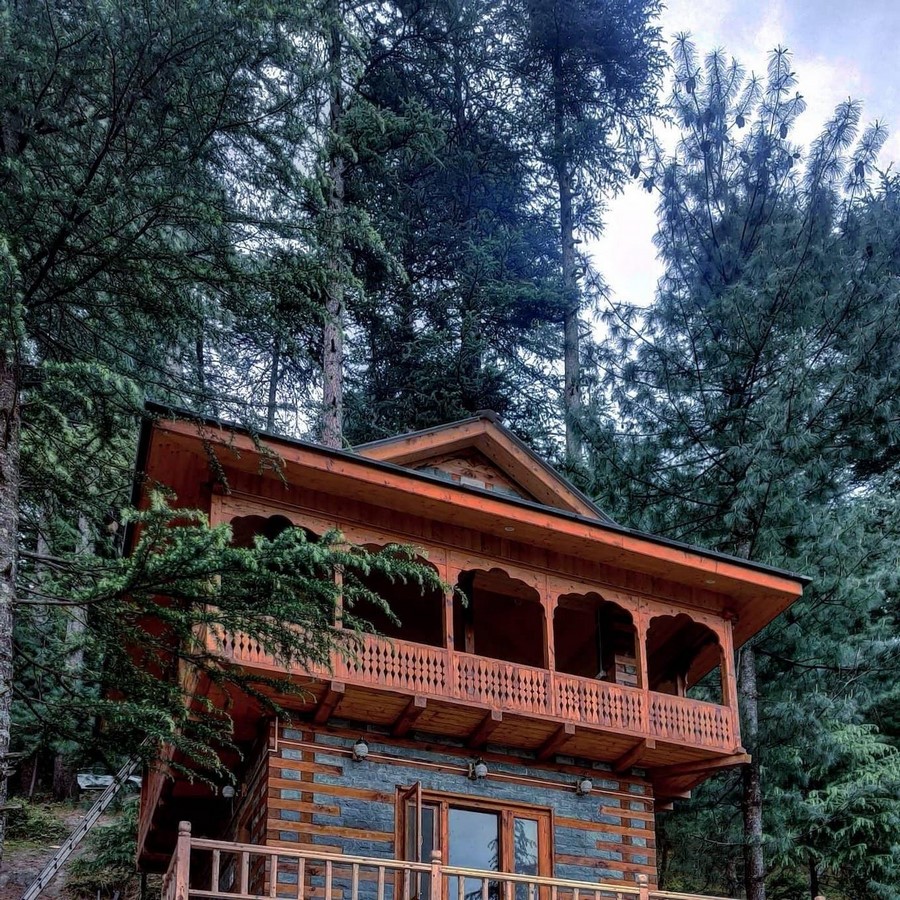
Common characteristics of vernacular architecture include regional materials, basic building methods, and a focus on function over form. Influenced by regional climatic patterns, accessible construction materials, and cultural norms, Vernacular architecture produces appropriate structures for the given setting. Traditional homes, barns, and other agricultural structures, as well as urban residences and commercial structures, are examples of vernacular architecture.
Benefits and Well-being
Knowing the materials available in the area gives artisans and workers more possibilities to work with them, boosting employment availability and creation and improving socioeconomic opportunities. Using Kashmir as an example, Dikshu C Kukreja, managing principal of C P Kukreja Architects, explains that the Central University of Kashmir’s design incorporates engravings and sculptural massing that are evocative of the local art. Architectural aspects taken from Kashmir’s traditional art and architecture, such as lattice screens and window shutters, carved wooden brackets, eaves boards (referred to as “morakh patt” locally), and pendants (referred to as “dour” locally), capture the spirit of the “built cultural language” of the region.
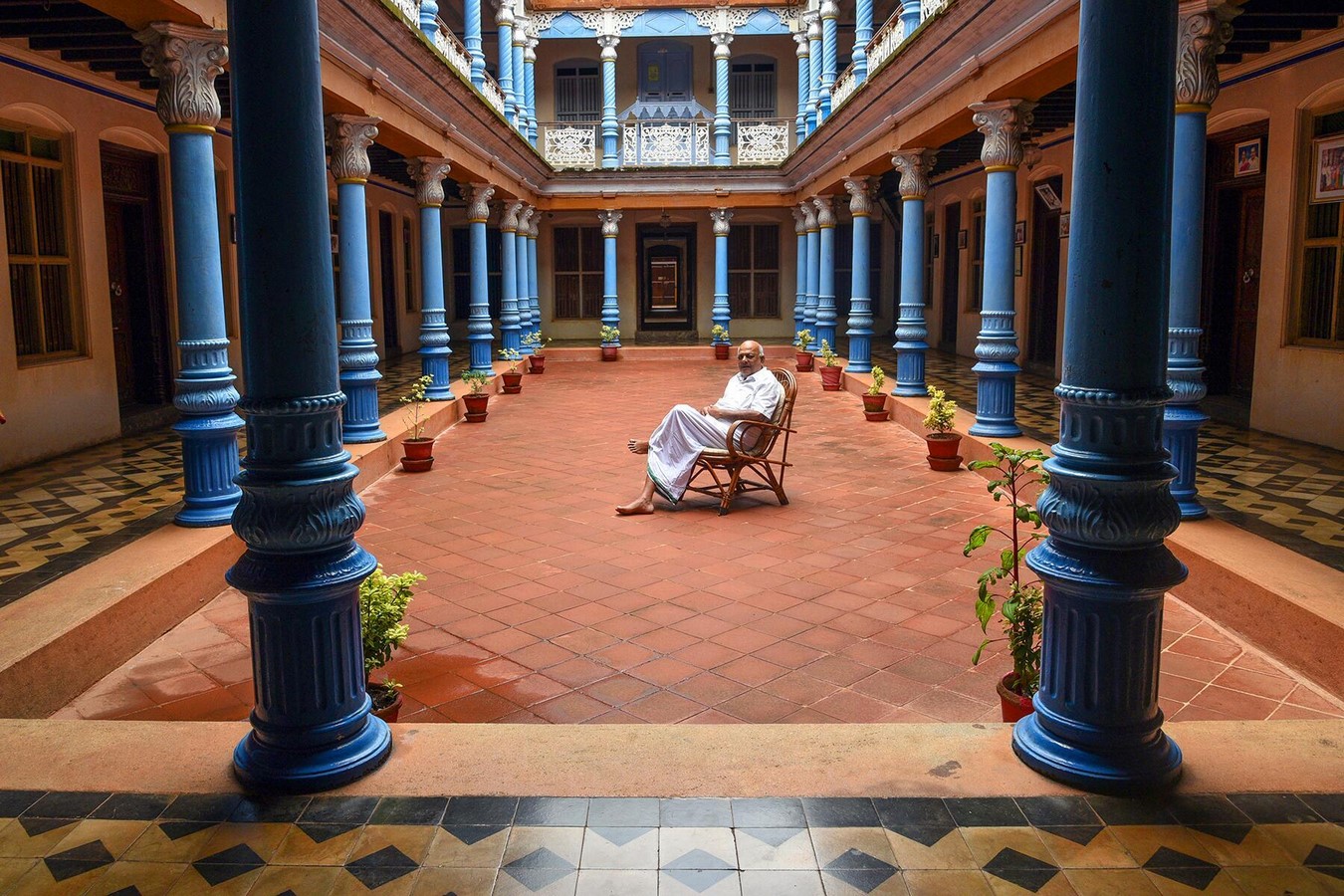
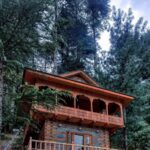
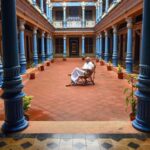
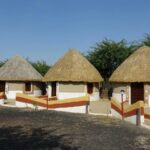
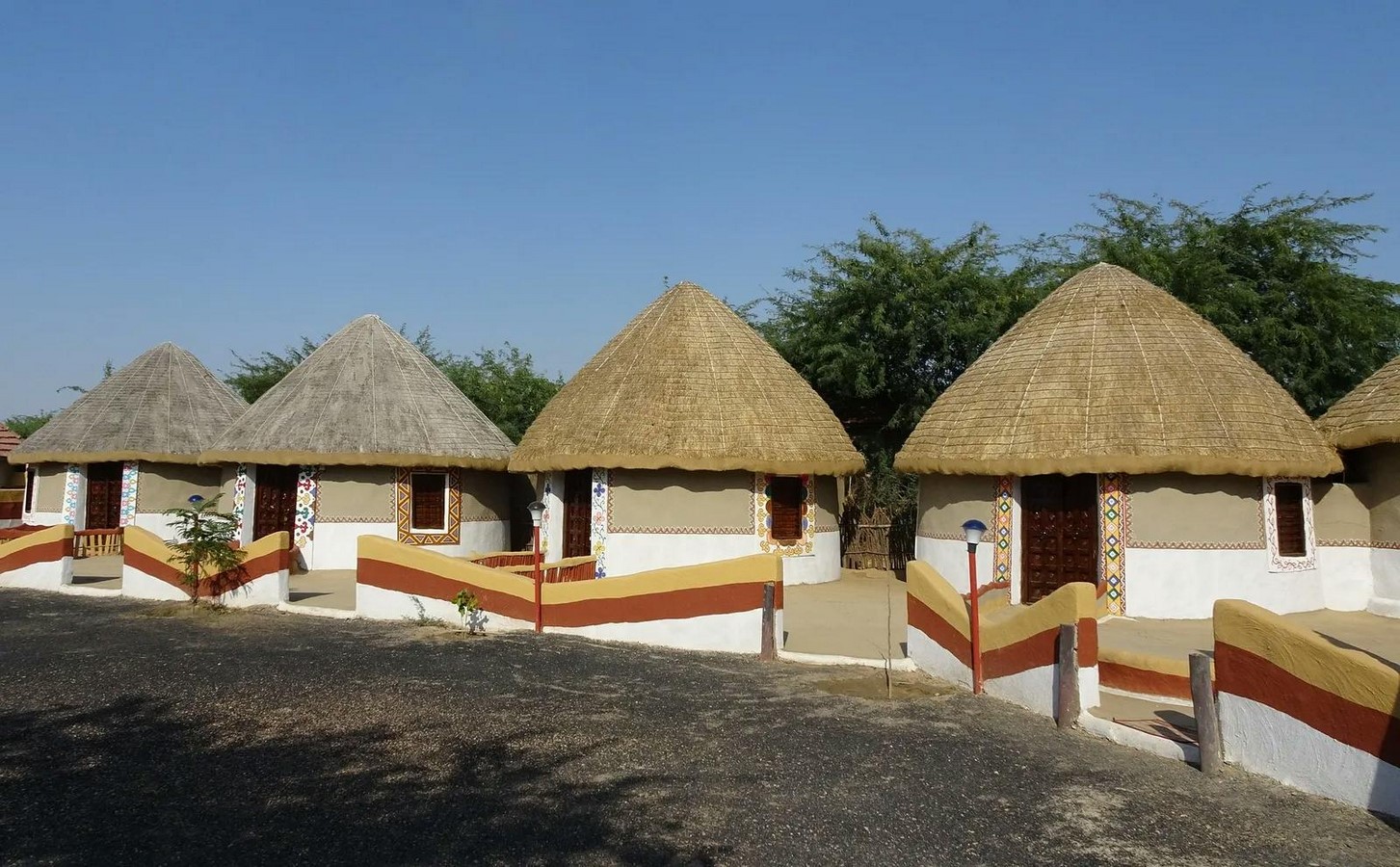
An architectural building must, at its heart, incorporate human needs, even as it stays unique from place to place and adapts to a particular socioeconomic climate. Further, it is required to safeguard and defend. The concepts of vernacular architecture came from the structures designed to protect occupants from the outside world while considering the local environment and using locally sourced materials. Consider the characteristic clay-tiled, pitched roofs of Keralan dwellings, the bamboo structures of Assam, and the classic Bhunga huts of Kutch. Alternatively, consider how Rajasthani houses with traditional courtyards provide constant good ventilation, and mud buildings keep people cool throughout the scorching summer months. These structures contain generations’ knowledge and give residents a sense of well-being.
Impactful Materials
Vernacular construction materials are an alternative to industrially manufactured materials since they have fewer adverse environmental effects. Changing and adapting to modern demands can assist in lessening the adverse effects on the environment and embodied energy. While building materials have a significant environmental effect, several sustainability-related benefits of using vernacular materials must be emphasized. However, financial and social advantages have yet to be quite well known. Using local materials has environmental and socioeconomic benefits, including lowering building costs and embodied energy in buildings. According to research by Morel et al. (2001) and Ramesh (2012), it also promotes local economies by allowing locals to pay for labour and materials. It is crucial and relevant to emphasize some benefits of employing specific types of vernacular materials instead of those now manufactured industrially.
Several studies note that one drawback of traditional building methods is the severe shortage of competent labour. However, the cost of these materials and structures is less than that of conventional building systems. The primary benefits in terms of health for the labourers and the inhabitants are associated with the natural origin of these materials, their low toxicity, the absence of volatile organic compounds, and some of the properties that allow them to regulate indoor air quality and temperature (Berge, 2009), as demonstrated by the example of earthen architecture. Promoting sustainable local development also entails protecting the region’s innate building expertise as a cultural legacy.
Perceptions
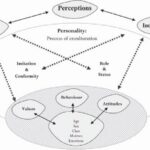
The Latin term “things that are handmade, homespun, homegrown, and not destined for the marketplace” (Bourdier & Minh-ha, 1996: x) is where perceptions of vernacular architecture first emerged. Comparable perspectives, on the other hand, see vernacular as the embodiment of social values and ecological, economic, material, and political interrelations (Ozkan, 2006; Fathy 1986; Lawrence, 2006). For sustained modern applications, the fundamentals of vernacular architecture and the beliefs held—with the primary goal of edifying in the “marketplace”—are crucial. One must consider the relationships between social and individual factors to comprehend better the influence of culture and social values on a particular personality.
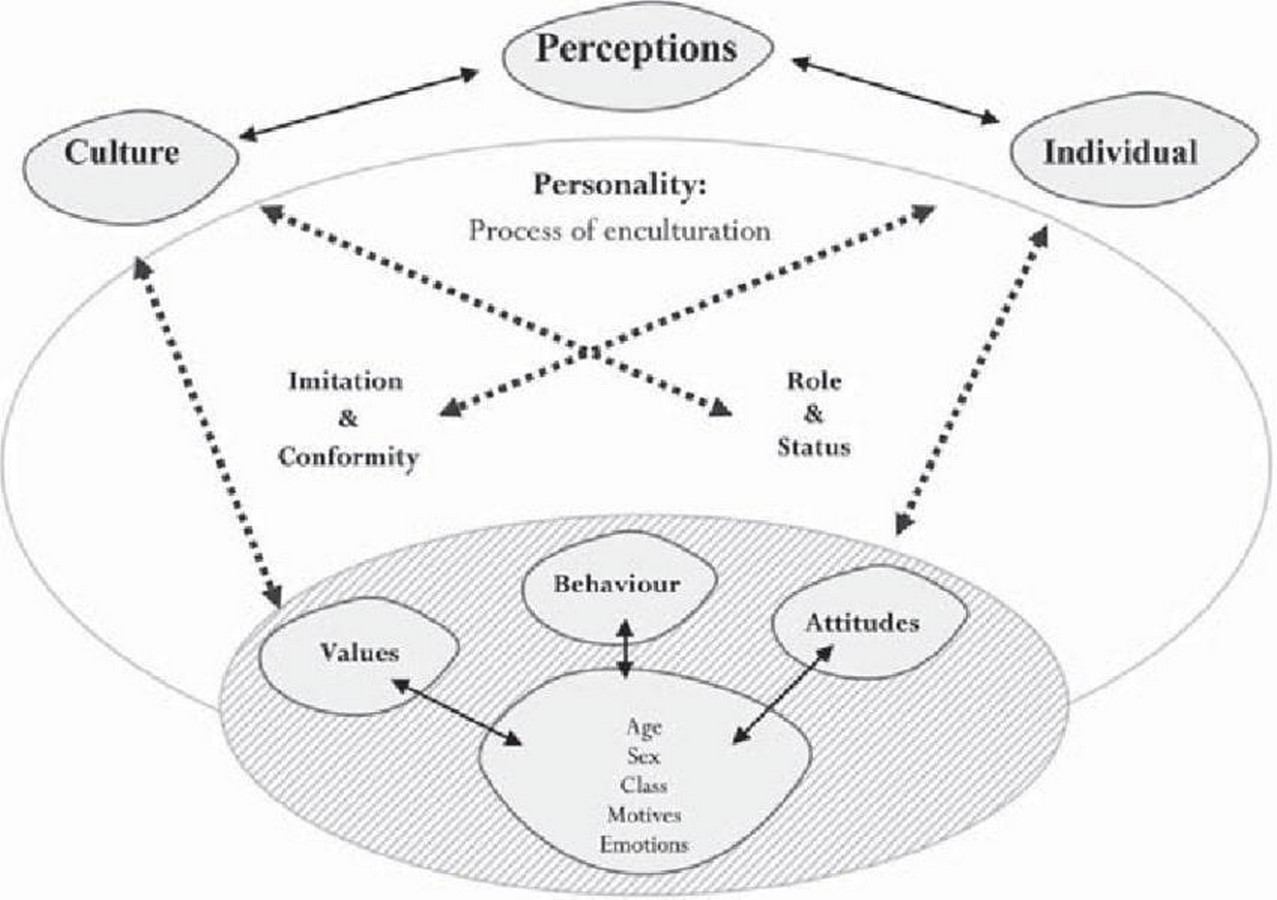
According to the figure above, the environment’s direct impacts are on behaviour, emotion, satisfaction, performance, and interaction. The environment’s indirect effect on the interpretation of its residents’ social rank or position and behaviour is adjusted appropriately. A homeowner’s property can be a personal expression, reflecting the social standing, status, or identity. While this may have been true to research, architects are actively bringing in contemporary architecture- a fusion of modern and vernacular- to provide a different and classier perception for the locals.
References:
- Ghisleni, C. (2020). What is Vernacular Architecture? [online] ArchDaily. Available at: https://www.archdaily.com/951667/what-is-vernacular-architecture.
- Nast, C. (2021). World Environment Day: Vernacular architecture and its therapeutic effect on dwellers. [online] Architectural Digest India. Available at: https://www.architecturaldigest.in/story/world-environment-day-vernacular-architecture-and-its-therapeutic-effect-on-dwellers/.
- Emanuel, J., Mateus, R. and L. Bragança (2013). The contribute of using vernacular materials and techniques for sustainable building. pp.269–276.
- Bosman, G. and Whitfield, C. (2018). Perceptions of Vernacular Architecture. [online] INTERNATIONAL CONFERENCE ON VERNACULAR HERITAGE, SUSTAINABILITY AND EARTHEN ARCHITECTURE. Taylor & Francis Group. Available at: https://www.researchgate.net/publication/326441213_Perceptions_of_Vernacular_Architecture