Sustainability has become a paramount consideration in contemporary architecture, as
architects strive to forge a better future by preserving natural resources and fostering a
comfortable lifestyle.
Project Name: The Red House
Studio Name : Gijigaadu Design Studio
Location: Atkuru, near Vijayawada, A.P
Site Area: 5600sft
Built Up Area: 2100 sft
Status: Completed in March 2023
Team: Ar Bhartendu Vimal, Ar Ratna Kiran

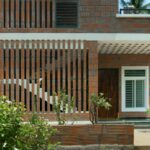
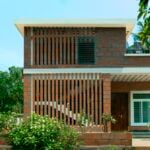
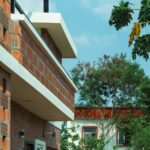
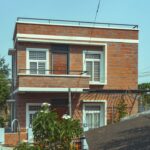
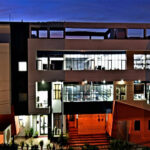
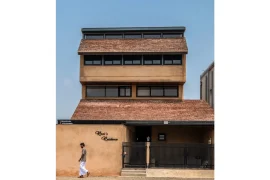
The Red House, situated in Atkuru—a quaint town on the outskirts of Vijayawada—aims to serve as a shining exemplar amidst its lacklustre surroundings, characterized by conventional construction practices devoid of architectural intervention. This residence not only stands out visually but also embodies sustainability in its essence.
Commissioned by a discerning client, a mature individual seeking a distinctive dwelling, The Red House offers a blend of sustainable materials, construction techniques, and compelling aesthetics. With a 4-bedroom layout catering to both the client’s children and visiting guests, the project sought to break free from the normative approaches prevalent in the neighbourhood. Consequently, a design that embodied sustainability and modernity began to take shape.
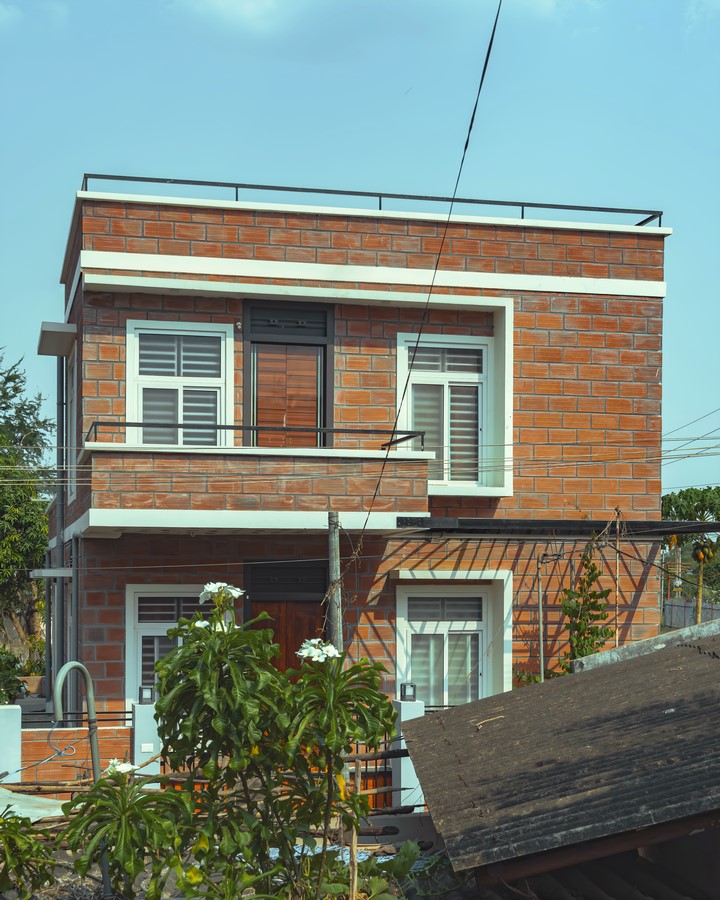
The architectural form of The Red House gracefully addresses the sweltering summers while adhering to Vastu Shastra principles, a traditional Indian system of architecture and design. Strategically positioned windows provide captivating views of the nearby pond, harnessing the tranquil surroundings to infuse serenity within the residence.
Functionality took precedence throughout the design process, ensuring that the layout caters to the client’s daily activities. Embracing innovation and pushing boundaries, sustainable materials and construction techniques were selected, offering an unconventional approach within the context. Extensive research led to the choice of Porotherm bricks as the primary construction material, imparting distinctive qualities to the project.
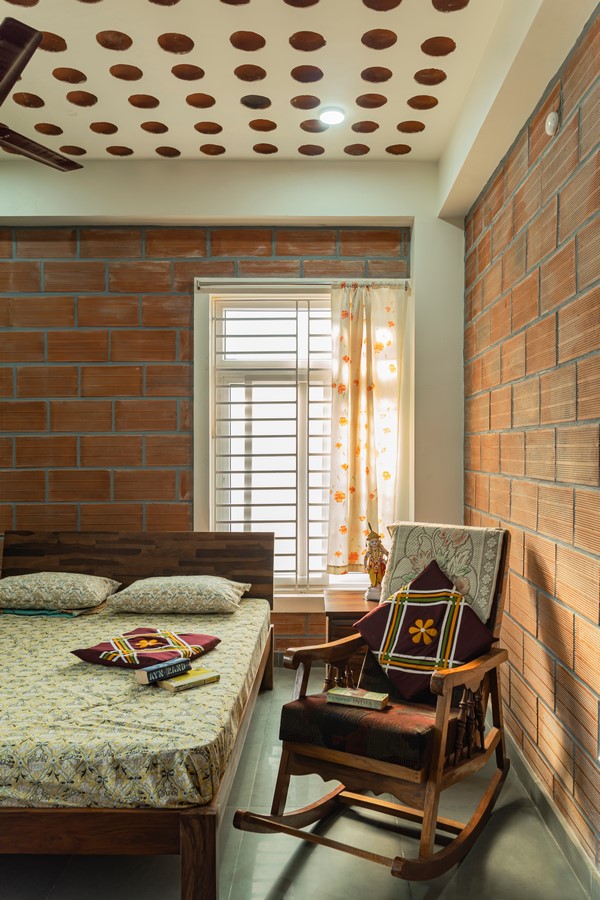
The Red House showcases the inherent advantages of Porotherm bricks, an innovative and
sustainable building material. These hollow bricks possess excellent insulation properties,
effectively regulating indoor temperatures and reducing the dependence on mechanical
cooling systems. The lightweight nature of Porotherm bricks simplifies construction
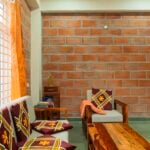
processes, resulting in shorter construction timelines and increased efficiency. By eschewing the need for plaster and paint, costs were minimized while allowing the structure to “breathe.”, promoting a healthier and more sustainable living environment.
At the core of The Red House’s sustainable design philosophy lies the ingenious filler slab
construction technique. Departing from traditional reinforced concrete slabs, this method
utilizes terracotta pot covers as fillers, significantly reducing the use of concrete and steel
reinforcements. By employing this technique, the structure achieves enhanced structural
efficiency and decreased material consumption, while also promoting better thermal
insulation and reducing the overall carbon footprint of the project.
This symbiosis between construction techniques and materials harmonizes the building with its garden, situated at the rear of the house.

The incorporation of terracotta jaalis within the design of The Red House serves both a
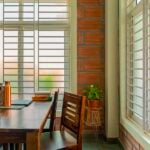
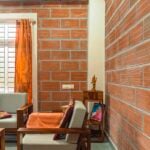
functional and decorative purpose. These intricately crafted latticed screens allow for natural ventilation while filtering sunlight, creating a pleasant interplay of light and shadow within the interior spaces. These jaalis not only enhance privacy but also infuse a touch of traditional craftsmanship, adding a sense of cultural richness to the architectural narrative.
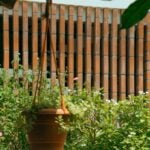
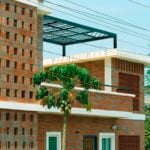
Metal pergolas grace the exterior of The Red House, offering a versatile and visually striking addition to the residence. These structures provide shade and protection from the elements, creating an inviting outdoor space where residents can relax, entertain guests, or indulge in tranquil contemplation. Metal pergolas also serve as a framework for climbing plants, allowing for natural shade and a seamless integration of greenery within the architectural composition.
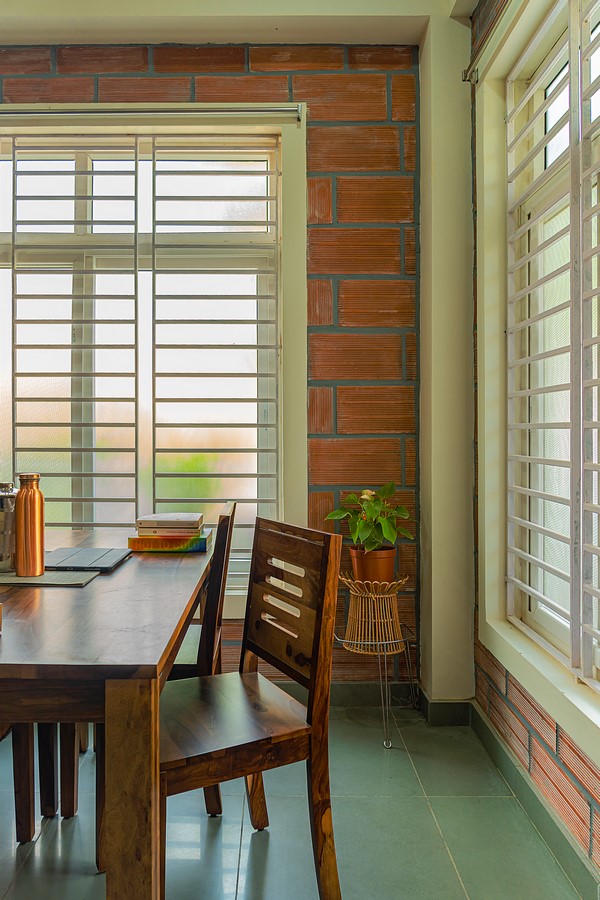
The design palette of The Red House incorporates the timeless beauty of Kota, Kadapa, and
Tandoor stones. Indoors, Kota stone flooring exudes a sense of understated luxury while
offering durability and easy maintenance. Outdoors, the combination of Kadapa and Tandoor stones creates a textured and earthy ambiance, blending harmoniously with the surrounding landscape. These natural stones not only enhance the visual appeal of the residence but also provide longevity and resistance to the elements. These choices evoke a tactile and organic ambiance, reinforcing the overall design philosophy.
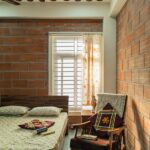
The interiors of The Red House exude a perfect balance between simplicity and sophistication. The exposed walls showcase the raw beauty of the construction, accentuated by the use of terracotta pot covers as fillers. These unique elements not only add visual interest but also serve as a reminder of the sustainable principles embraced by the design. The earthy tones of the terracotta complement the overall aesthetic, creating a warm and inviting atmosphere within the living spaces. The carefully selected materials, such as Kota stone for the flooring, lend a touch of understated elegance and durability to the interior spaces.
Beyond providing a comfortable and sustainable lifestyle for its inhabitants, The Red House
endeavours to inspire the surrounding community, showcasing that a harmonious and
aesthetically pleasing structure can be achieved without incurring excessive costs. By
seamlessly marrying sustainability and architectural excellence, this residence sets the stage for a future where mindful design takes centre stage, elevating the quality of life and
safeguarding our planet for generations to come.