Soak’s Setting
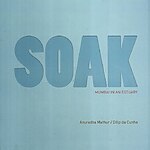
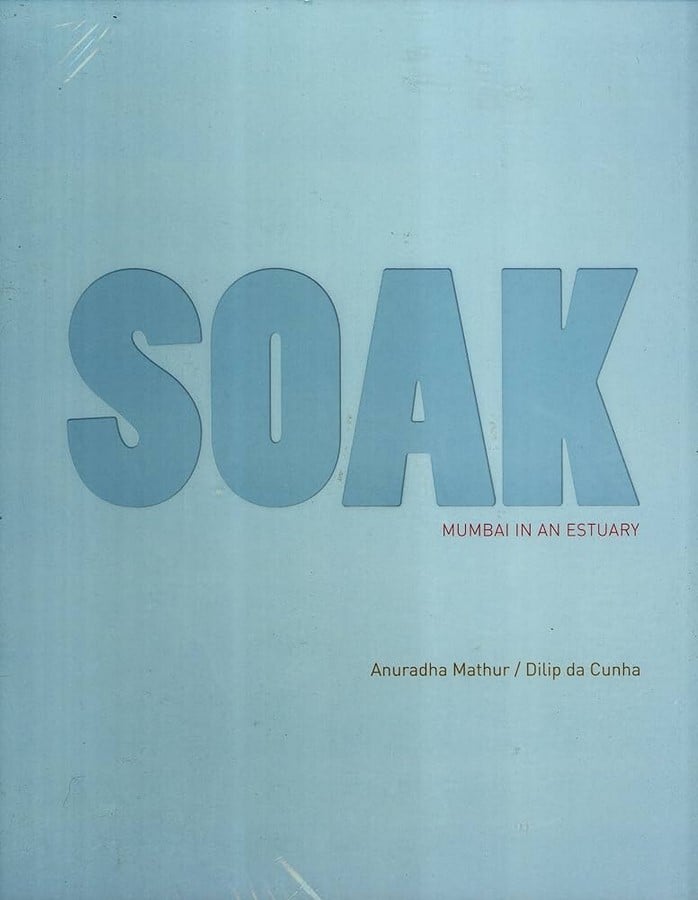
The vibrant metropolis of Mumbai, India, is brimming with energy, aspiration, and ambitions. It is a metropolis that is oddly at odds with its surroundings, though. In their book “SOAK: Mumbai in an Estuary,” Anuradha Mathur and Dilip da Cunha take readers on a comprehensive tour of the complex interaction that exists between Mumbai and its waterways. This book delves into the history, culture, and difficulties the city experiences in adjusting to its unusual status as an estuary metropolis. “SOAK” by Mathur and da Cunha is more than simply a book; it’s a poetic homage to a metropolis that captures the serenity of nature and the bright vitality of the city. Fundamentally, the book presents Mumbai’s history and development in an engaging story while delving into the notion that the city’s identity is intricately linked to its water. They start by exploring Mumbai’s estuary delta geological beginnings. They give a thorough explanation of the intricate interactions between geological forces and human activity that have shaped the city’s topography over the ages. Through their analysis of Mumbai’s rivers as a window into its past, they reveal an engrossing tale of development, adjustment, and hardship. Their skillful weaving of a diverse range of tales and anecdotes is one of the book’s strongest points. The book deftly weaves together disparate periods of Mumbai’s history, from the prehistoric Koli fishing villages to the colonial era and the modern, teeming metropolis. Readers are given insight into how the city’s water bodies—the Arabian Sea and the Mithi River, for example—have always influenced it through these anecdotes.
SOAK’s Content
Nonetheless, “SOAK” doesn’t hold back while discussing the modern issues Mumbai is facing. Mumbai’s relationship with water is not romanticized in the novel, given the city’s ongoing struggles with flooding, pollution, and encroachments on its water bodies. It closely examines the environmental and infrastructure problems that pose a danger to this equilibrium. The authors present an insightful and thought-provoking analysis of these issues. Mathur and da Cunha talk about problems including the destruction of mangroves, the encroachment on salt pans, and the careless urbanization that interferes with the city’s natural drainage systems. In addition to being environmental, these concerns are presented as social and political ones as well, highlighting the necessity of taking coordinated action to save Mumbai’s estuary ecology. “SOAK” has few issues, while being a superb examination of Mumbai’s water-centric character. The novel occasionally veers off course and gets a little disjointed, making it difficult to follow Mumbai’s historical period chronologically. Furthermore, a more thorough examination of the scientific facets of Mumbai’s estuary environment may have been welcomed by certain readers. It is a potent and topical work that serves as a reminder of the complex interaction between cities and the environment, despite these little flaws. While acknowledging Mumbai’s resiliency and cultural diversity, they deftly illustrate the pressing need to solve the city’s environmental problems.
SOAK’s Imagery
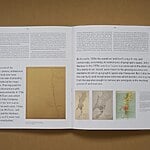
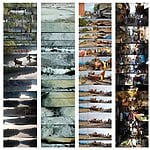
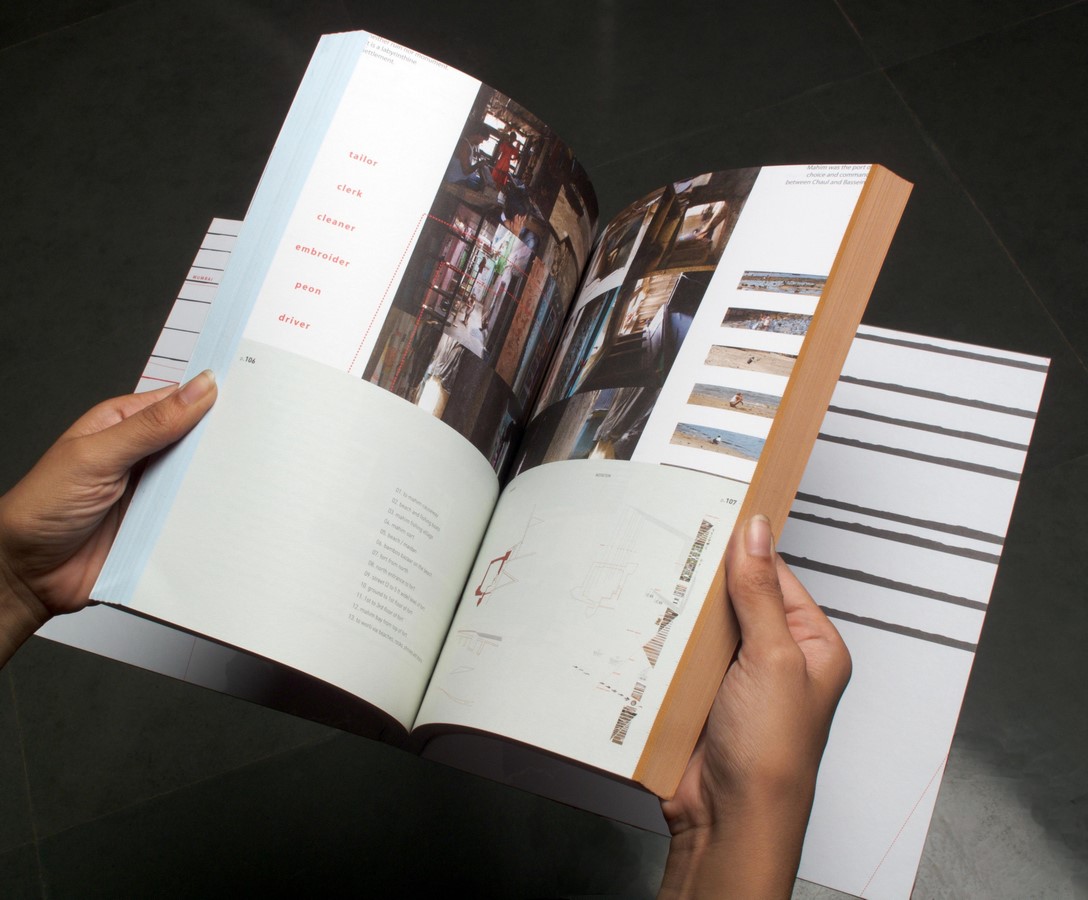
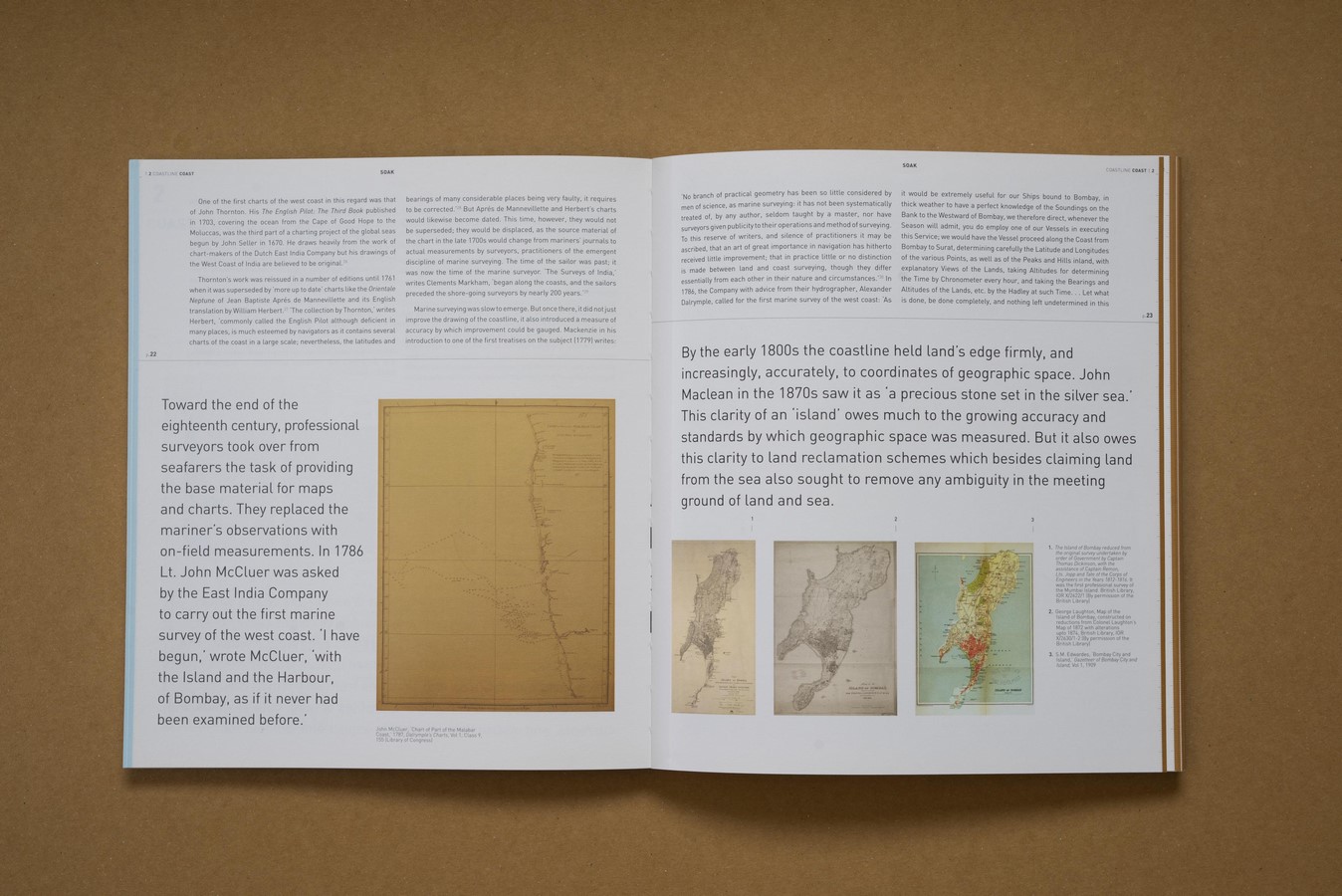
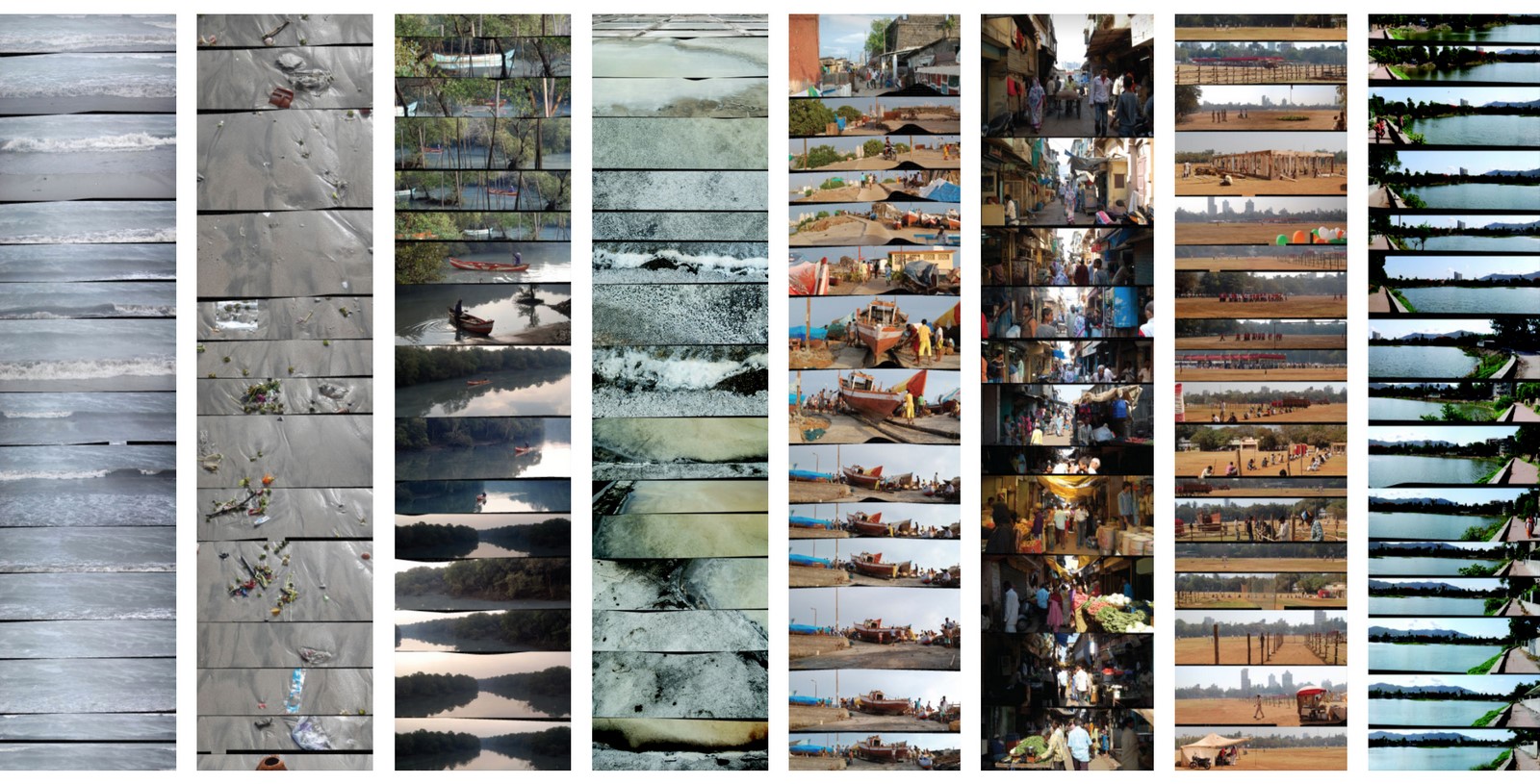
“SOAK” has visually stunning imageries. With startling clarity, they encapsulate the spirit of Mumbai’s aquatic character. Photographs depicting Mumbai’s interaction with water are varied and give a glimpse into many aspects of the city, from the tranquil beauty of the mangroves and the glittering shoreline to the busy maritime activity in the harbour. The pictures tell a tale visually about the history, culture, and difficulties of the city in addition to being illustrative. Another noteworthy aspect of the book is its maps. They provide readers with a sense of the location, which makes it easier for them to go around Mumbai’s complex network of canals. The maps are useful and aesthetically pleasing since they are not only artistically created but also informational.
Storytelling Through Graphics
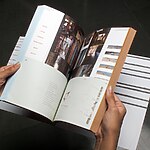
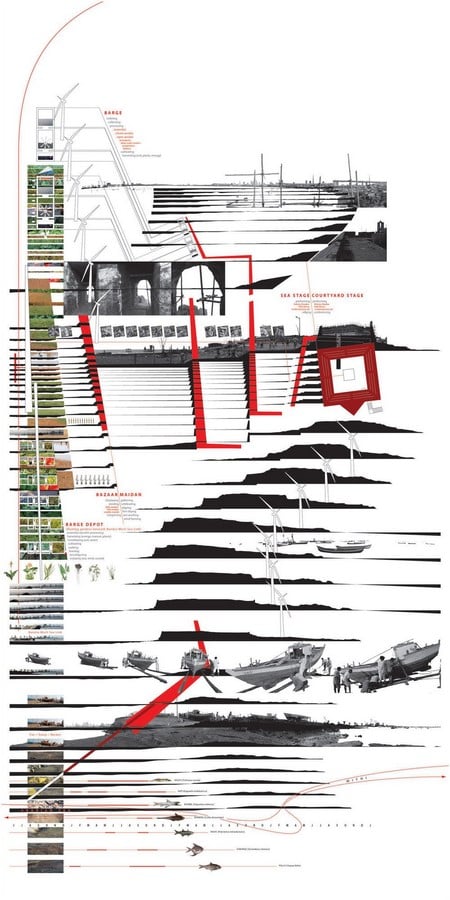
“SOAK” also has excellent graphics that go well with the narrative. The book’s narrative gains depth from these graphics, which show anything from sophisticated drainage systems in Mumbai to antiquated fishing methods. By acting as visual aids, they assist readers in comprehending the intricacies of Mumbai’s estuary ecology. The images in the book have an especially stunning use of color. The vividness of Mumbai’s scenery is shown, encompassing the deep blue of the Arabian Sea, the verdant greenery of the mangroves, and the rich tones of the city’s ancient buildings. The book’s sensory experience is enhanced by the colors, which provide the impression that the reader is traveling right through the center of Mumbai. “SOAK” has a tasteful and well-thought-out layout and design. A visually appealing reading experience is produced by the text’s seamless integration with the images. The reader may engage with the text at the perfect time thanks to the thoughtful positioning of the images and photos.
The images depicting Mumbai’s customs, such as the immersion of idols on Ganesh Chaturthi, are not only powerful visually but also emotionally. They portray how Mumbai’s rivers are essential to the city’s cultural fabric and the dedication and spirituality of its people.
Conclusion
In summary, “SOAK: Mumbai in an Estuary” is an insightful trip through the center of a city that is situated at the nexus of urbanity and nature, tradition, and modernity. An evocative ode to Mumbai and a forceful plea for the preservation of its fragile estuary ecology can be found in Anuradha Mathur and Dilip da Cunha’s impassioned investigation of the city’s watery essence. Anyone interested in the dynamic relationship between urban growth and the natural environment should read this book since it presents a gripping story that will stick with you. They provide the reader with a vivid and real link to Mumbai’s history, present, and future by taking them to the city’s seas. With its eye-catching photos, educational maps, and skillfully drawn graphics, “SOAK” is a visual masterpiece that deepens the reader’s comprehension of Mumbai’s distinctive estuary setting. These pictures aren’t just decorations; they’re an essential component of the story that makes the message of the book hit home for the reader.
References:
Mathur, A. and Cunha, D. da (2009) Soak: Mumbai in an Estuary. New Delhi, Delhi: Rupa & Co.
Soak (2019) Mathur / Da Cunha. Available at: https://www.mathurdacunha.com/soak (Accessed: 29 October 2023).
Watai, W. (no date) Soak : Mumbai in an estuary – wari watai studio, SOAK : Mumbai in an Estuary – Wari Watai Studio. Available at: https://wariwatai.in/SOAK-Mumbai-in-an-Estuary (Accessed: 29 October 2023).