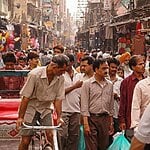
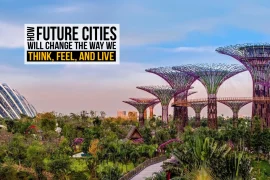
More than half of the world’s population currently lives in cities, many of which are becoming increasingly crowded. Urban environments, on the other hand, are a relatively new phenomenon in human history. This shift has altered the way we live, work, travel, and network.
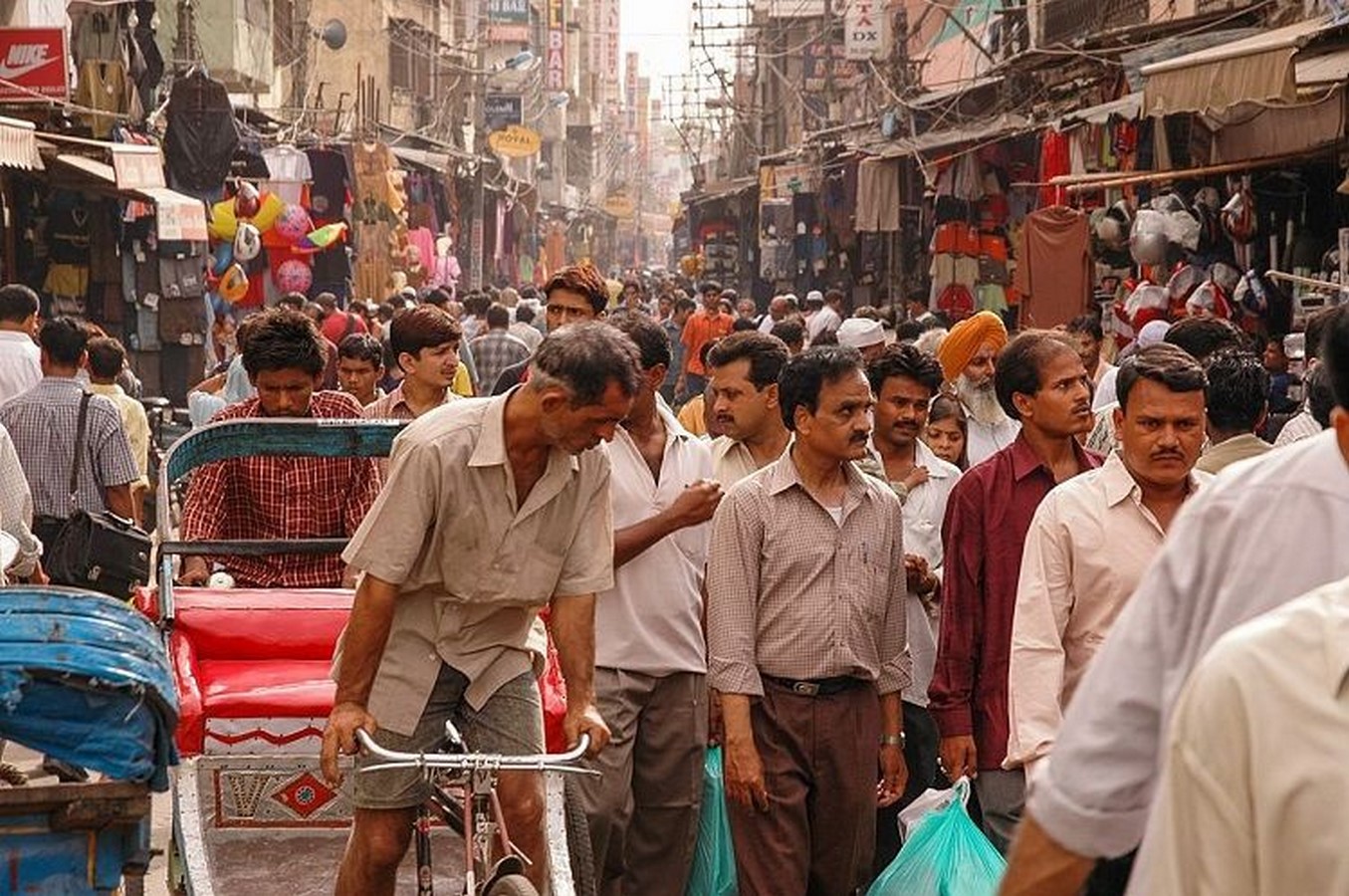
However, in India, according to the most recent census, 80% of people still live in villages because agriculture is the country’s primary occupation. For a country like India, focusing on both urban and rural growth is critical; ignoring one might lead to the detriment of the others.
Following the declaration that India’s future resides in its villages, the Indian government has created various programs for rural and urban development, such as smart villages and smart cities, keeping in mind that urban and rural designs have different goals to focus on.
Rural Designs of India
Vernacular architecture, local building materials, and traditional construction techniques are still used in rural India. In rural India, vernacular designs represent generations’ expertise, adjusting to the local climate, cultural practices, and available resources. They are a tribute to these cultures’ tenacity and ingenuity in developing sustainable and culturally appropriate structures.
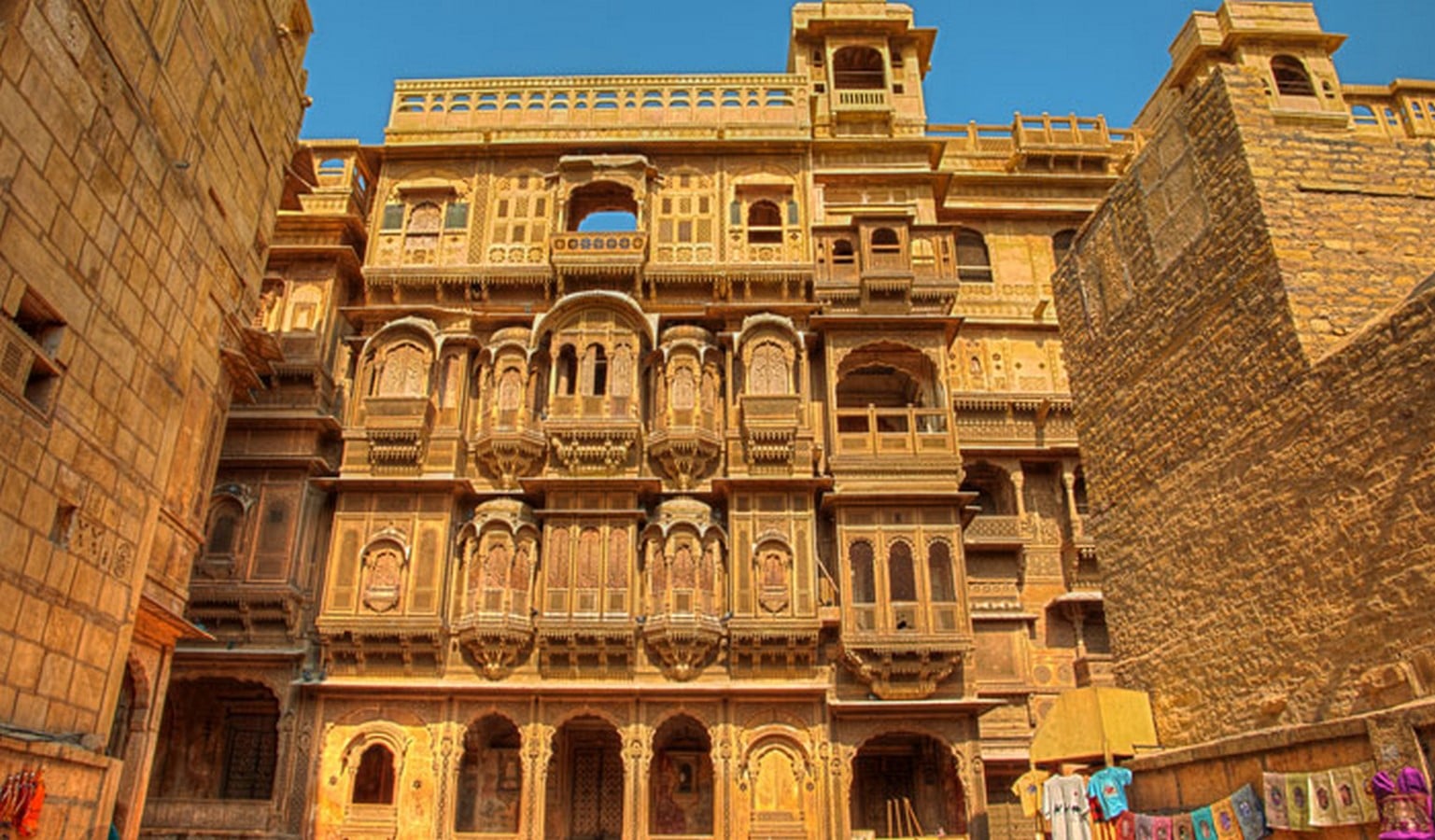
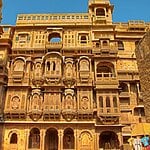
In rural India, vernacular designs prioritize sustainability and resource efficiency. These designs make the best use of locally available materials, eliminating the need for shipping and the carbon footprint of construction. Traditional mansions, such as Havelis, can be seen in northern and western India, particularly in the state of Rajasthan. To provide insulation against the hot desert heat, they are often designed with thick walls and limited windows. They are frequently embellished with beautiful carvings and frescoes. In contrast, on the country’s east coast, bamboo buildings are frequently erected on stilts to provide ventilation and protection from flooding. Similarly, several parts of the country have their unique vernacular architecture style as a result of their climate and geography.
The Responsibility of Architects
Villages are the heart of the Indian country, however it is a rising fact that the rural population suffers greater implications for livelihood than the metropolitan population. The difficulties of subsistence, a lack of resources, adequate infrastructure, and sanitation are causing rural populations to relocate to cities. The emphasis on the rural can alleviate many problems in both the city and the rural settlement. The city gets a break, and the countryside receives a boost.
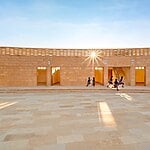
The architecture community bears the task of providing improved living conditions with the essential necessities, taking into account climatic conditions and locally available materials. Many architects across the country are working in rural settings to improve living conditions. Architects can collaborate with local craftspeople to make the greatest use of locally accessible materials while adding a unique touch that provides a new perspective to rural designs. The Rajkumari Ratnavati Girl’s School is an architectural marvel created by Diana Kellogg of Diana Kellogg Architects, proving the statement.
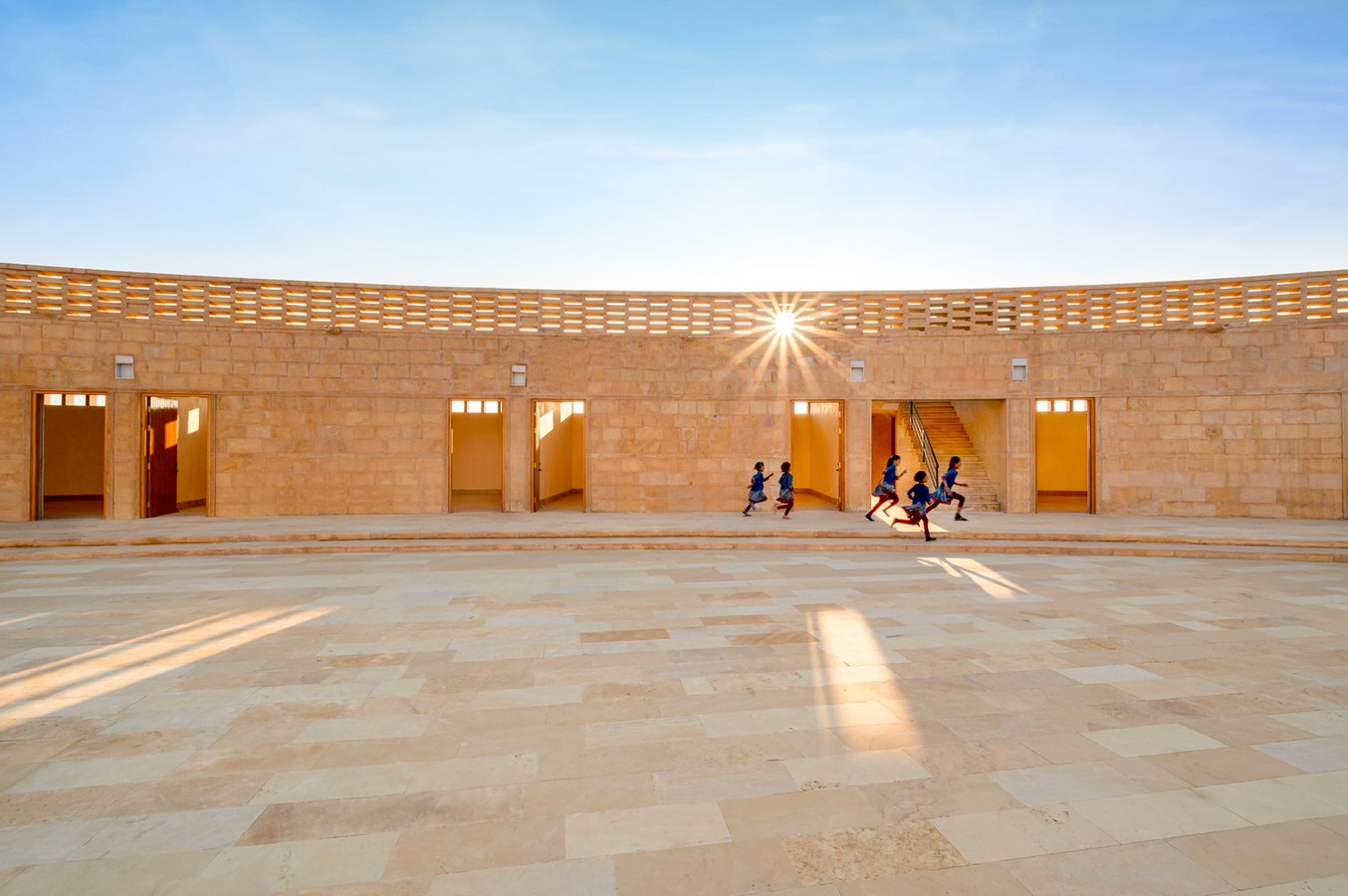
The Rajkumari Ratnavati Girl’s School is entirely constructed of hand-carved Jaisalmer sandstone by local artisans. It was critical for Kellogg to involve the community in a structure designed for the community. Using local materials to build infrastructure reduced carbon emissions, and Kellogg chose to install a solar panel canopy on the roof as a cooling system in an area where temperatures can reach 120 degrees. The canopy and jalis both keep the heat out, and the structure’s elliptical shape also contributes to sustainability by creating a cooling panel for airflow.
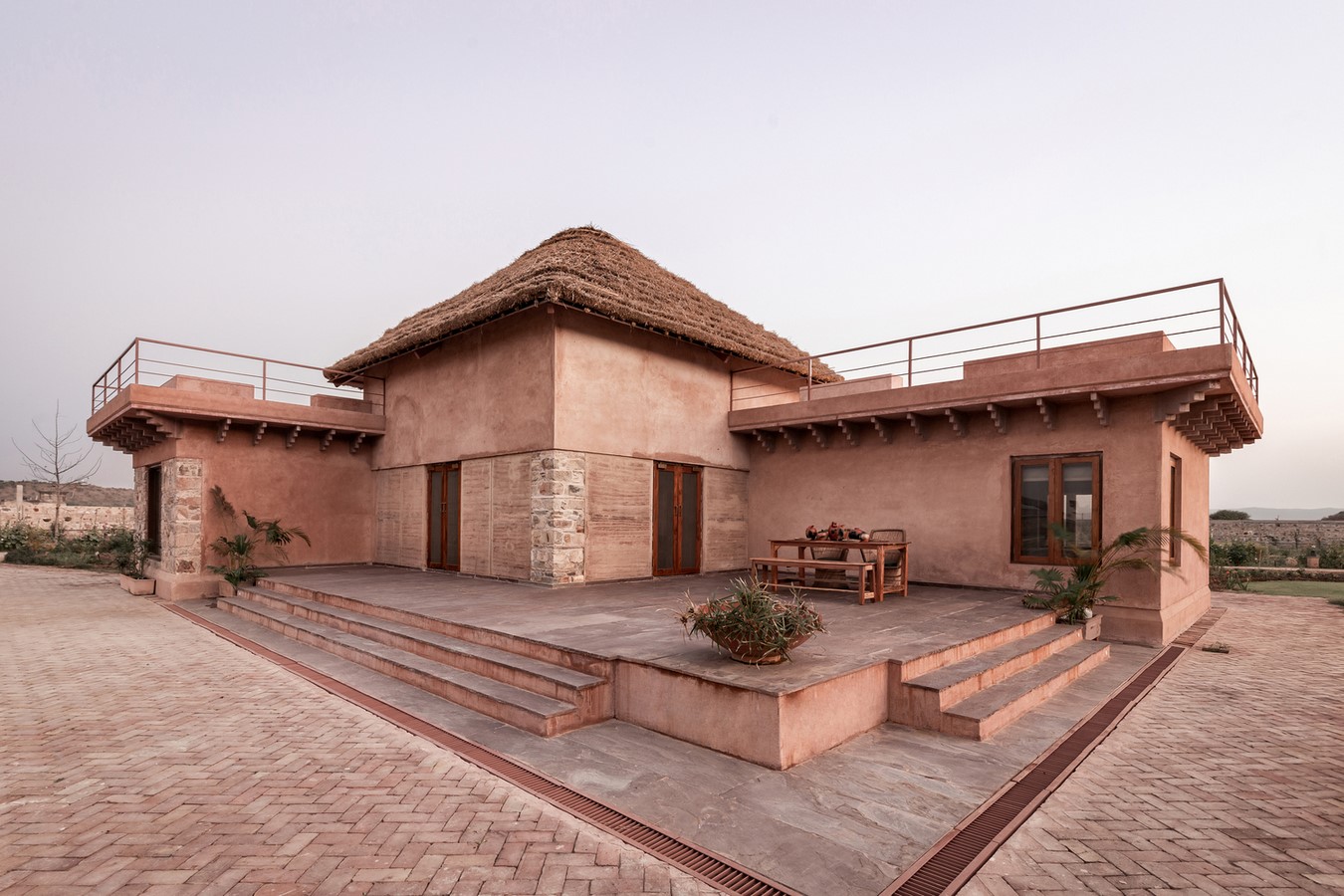
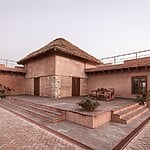
The Mud House by Sketch Design Studio is a dwelling that sits in the middle of a 4-acre permaculture-inspired farm. Mud and recycled stone were utilised to build the walls and foundations. To lessen the carbon footprint of construction, we did not utilise cement to build this structure. Bagra mortar was used for stone masonry. Bagra is waste that is left over from the processing of limestone in lime kilns. For centuries, adjacent villages have adopted the ecological practise of building with lime waste.
The rethinking of rural planning has resulted in a complex and often overlapping mix of commodity and non-commodity uses of the rural landscape: conventional production of various kinds, including industrial primary production, along with consumption, using the landscape without using it up, such as in tourism and recreation, and protection, maintenance, conservation, and restoration of the landscape.
Trends in Urban Design
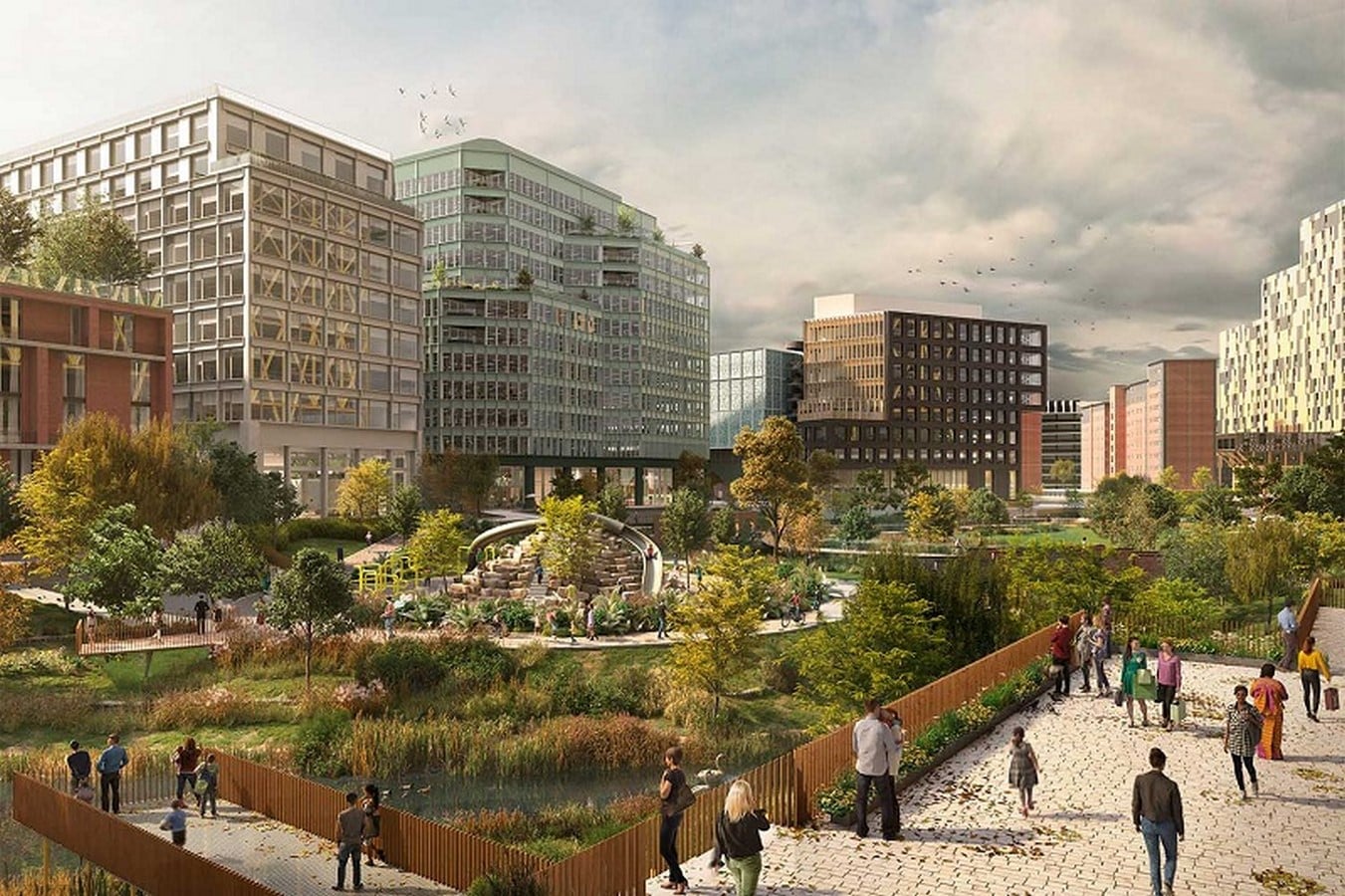
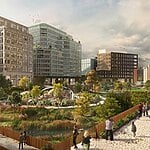
The field of urban design is always evolving with the purpose of building and improving the built environments of our cities. Historically, urban design was typically focused on the city’s physical aspects, such as architecture and infrastructure. However, as our cities grow and change, the difficulties that urban planners face become more complex. Discussing about the trends in Urban design, the most important one is the focus on mixed-use developments. The goal of these projects is to create livable, vibrant, and diverse neighborhoods and communities. Residential, commercial, and public spaces are usually combined in mixed-use complexes, which can promote a feeling of community and reduce reliance on cars. Cities may become more sustainable and habitable with the use of this urban design technique.
As cities grow, the cost of living in metropolitan areas rises, making it more difficult for many people to afford to live there. The challenge for urban designers is to create cheaply affordable, high-quality housing and public spaces in urban areas. By creating more affordable housing, urban planners can help guarantee that cities continue to be accessible and inclusive. Communities will become more diverse and inclusive as more people from a range of socioeconomic backgrounds are able to live in the same area thanks to affordable housing. This has the potential to improve mental health and wellness by promoting social connection and lowering social isolation.
Citations-
Yakubu, P. (2023) Building for a growing population: Shifting the focus to rural India, ArchDaily. Available at: https://www.archdaily.com/1003533/building-for-billions-shifting-the-focus-to-rural-india (Accessed: 01 December 2023).
Gallery of Mud House / Sketch Design studio – 1 (no date) ArchDaily. Available at: https://www.archdaily.com/989711/mud-house-sketch-design-studio/63344dc34dba6e02cc399a69-mud-house-sketch-design-studio-photo?next_project=no (Accessed: 01 December 2023).
Abdel, H. (2021) The rajkumari ratnavati girl’s School / Diana Kellogg Architects, ArchDaily. Available at: https://www.archdaily.com/960824/the-rajkumari-ratnavati-girls-school-diana-kellogg-architects?ad_medium=gallery (Accessed: 01 December 2023).
Upadhyaya, Y. (2020) Does India still lives in villages?, Medium. Available at: https://yogesh-upadhyaya.medium.com/does-india-still-lives-in-villages-2f11a216d698 (Accessed: 01 December 2023).