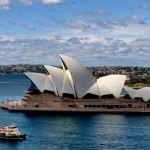
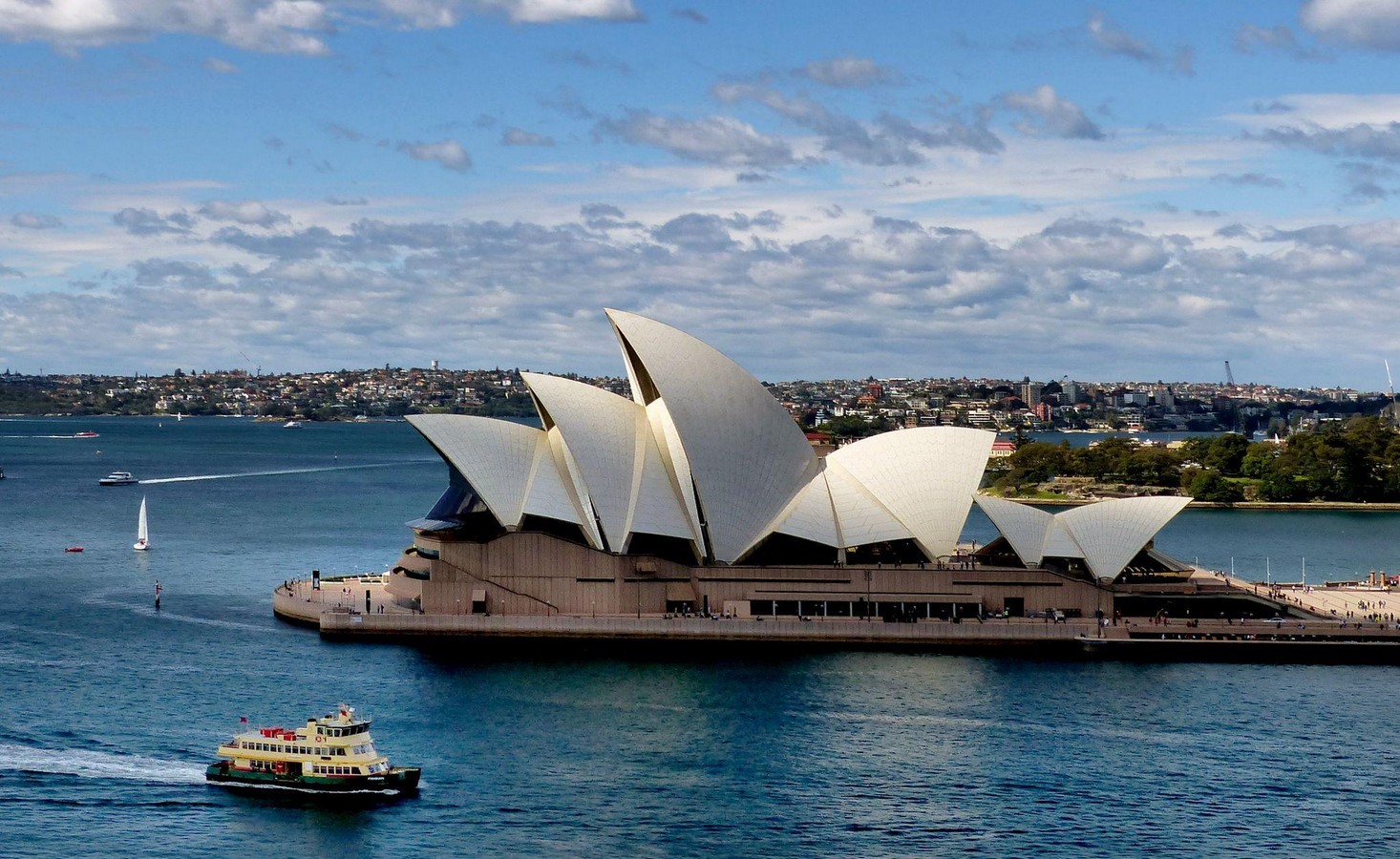
Any iconic built form, be it the Taj Mahal, the great pyramids of Giza or the Taj Mahal has a fantastic story to convey. A story enriched with histories of the kings and queens, the commoners, and the stories of people who took decades to build them. A story that is not so very enigmatic as the final built form. But that’s why the structure has become iconic. The Sydney Opera House in Australia which now seems to float on the shore of the Sydney harbor has a fantastic story behind it. A story that started with an extraordinary conceptual idea and a decade of thought processes leading to its realization. It is a reality that changed the life of the architect as well as the continent. An engineering marvel listed by UNESCO as a World Heritage site. The building underwent many controversies and political agendas. Yet destined to be iconic and continue to mesmerize the thousands who visit it.
The Inception
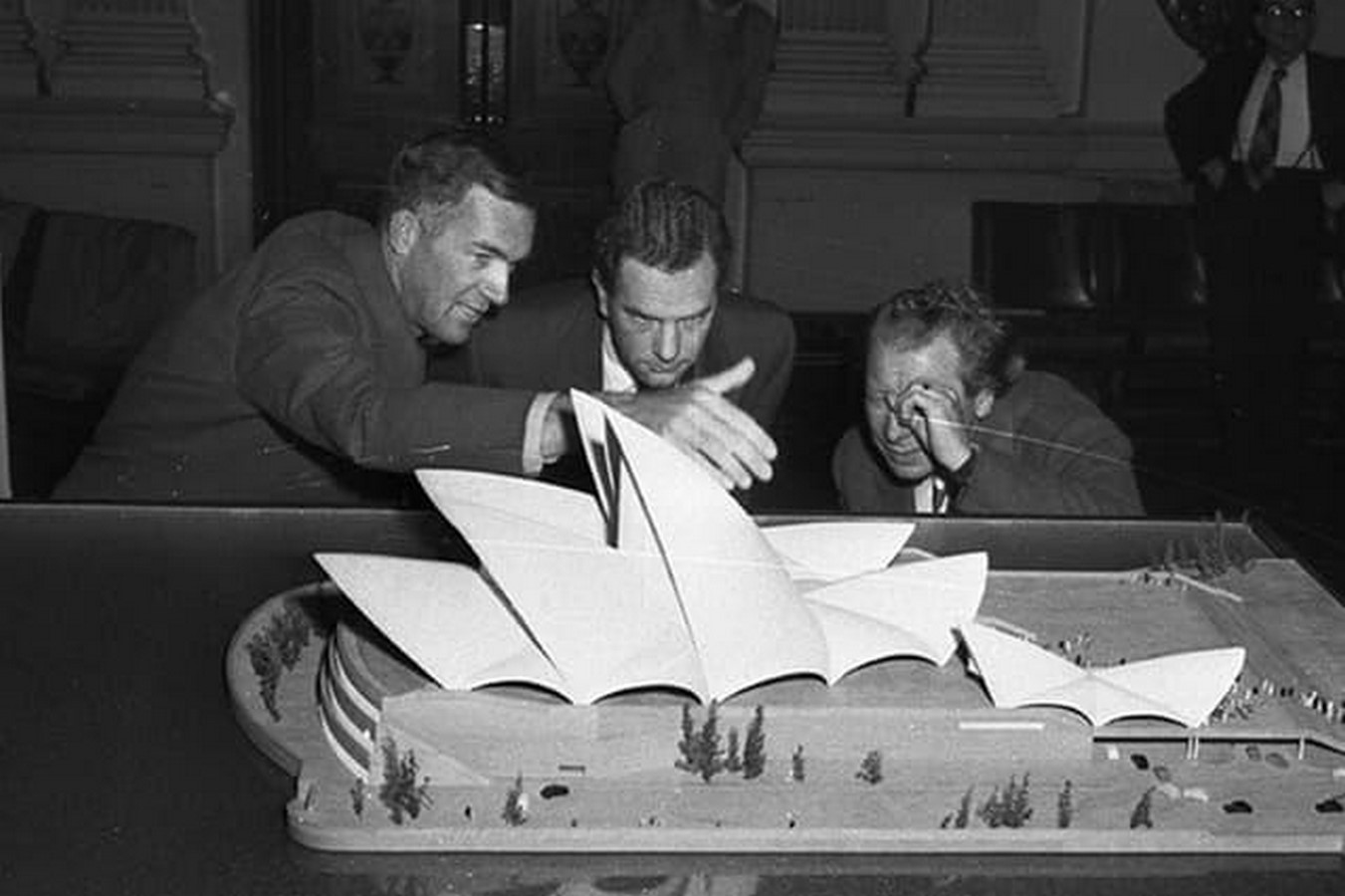
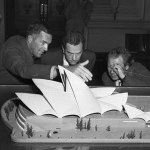
In 1955, Premier Joseph Cahill called for an international design competition for a dedicated opera house. The existing New South Wales Conservatorium of Music needed a much more dedicated space. The Sydney Town Hall did not seem fit for this purpose anymore. The design competition received 233 entries from all over the world. In 1957, the judging panel which included famous architect Earo Saarinen declared Jorn Utzon as the winner. Utzon’s entry was conceptual and included only simple diagrams and sketches. But the judges chose those sketches that changed the history of the Australian continent forever.
Jorn Utzon started to refine his plans for the starting of the construction. Lack of funding and public support led the New South Wales government to hasten the construction. Jorn Utson still had to finish his schematic plans. The crucial design challenges were yet unsolved. The work commenced with a budget of 7 million Australian dollars and a time schedule of 6 years. But, due to the hastened construction and unresolved issues, the budget went overboard 14 times and 10 years ahead of the scheduled date. The early start of the project led to bigger problems in the later stage of the project.
Construction Phase I

Conceptualization of the iconic structure took place in three stages. The first stage from 1959 to 1963 saw the construction of the upper podium. The second stage from 1963 to 1967 saw the construction of the outer shell or the roof of the structure. The third and final stage was from 1967 to 1973. Here, the focus was on the design and construction of the interiors of the concert halls and other adjoining spaces. When the construction began in 1959, 588 concrete piers supported the upper podium of the 1.8-hectare building. In 1961, the structure was already 47 weeks behind schedule. The blame was sometimes on the weather or due to lack of completed proposals. Besides the existing issues, the concrete piers of the building did not support the upper podium. So they needed replacement.
Construction Phase II


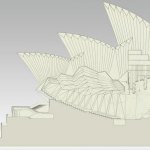
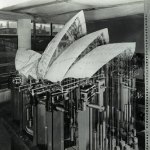
The construction of the outer shell constituted the second stage. As per the architect’s initial idea, the outer shell was a series of random large forms. They were a series of parabolas supported by precast concrete ribs. However, the engineers were unable to devise any cost-effective solution for its construction. After twelve mathematical iterations, the design team came up with a solution. They derived the forms from the portions of a sphere. The team utilized computers for the analysis of the structures. Studies on the forces acting on the structure led to the solution. This event marked the earliest use of computers. It is still unclear about who came up with the solution. But, Utzon himself might have come up with the solution while peeling an orange. By looking at each shell as a part of the sphere, arches of varying lengths were cast from the same mold.
Construction Phase III
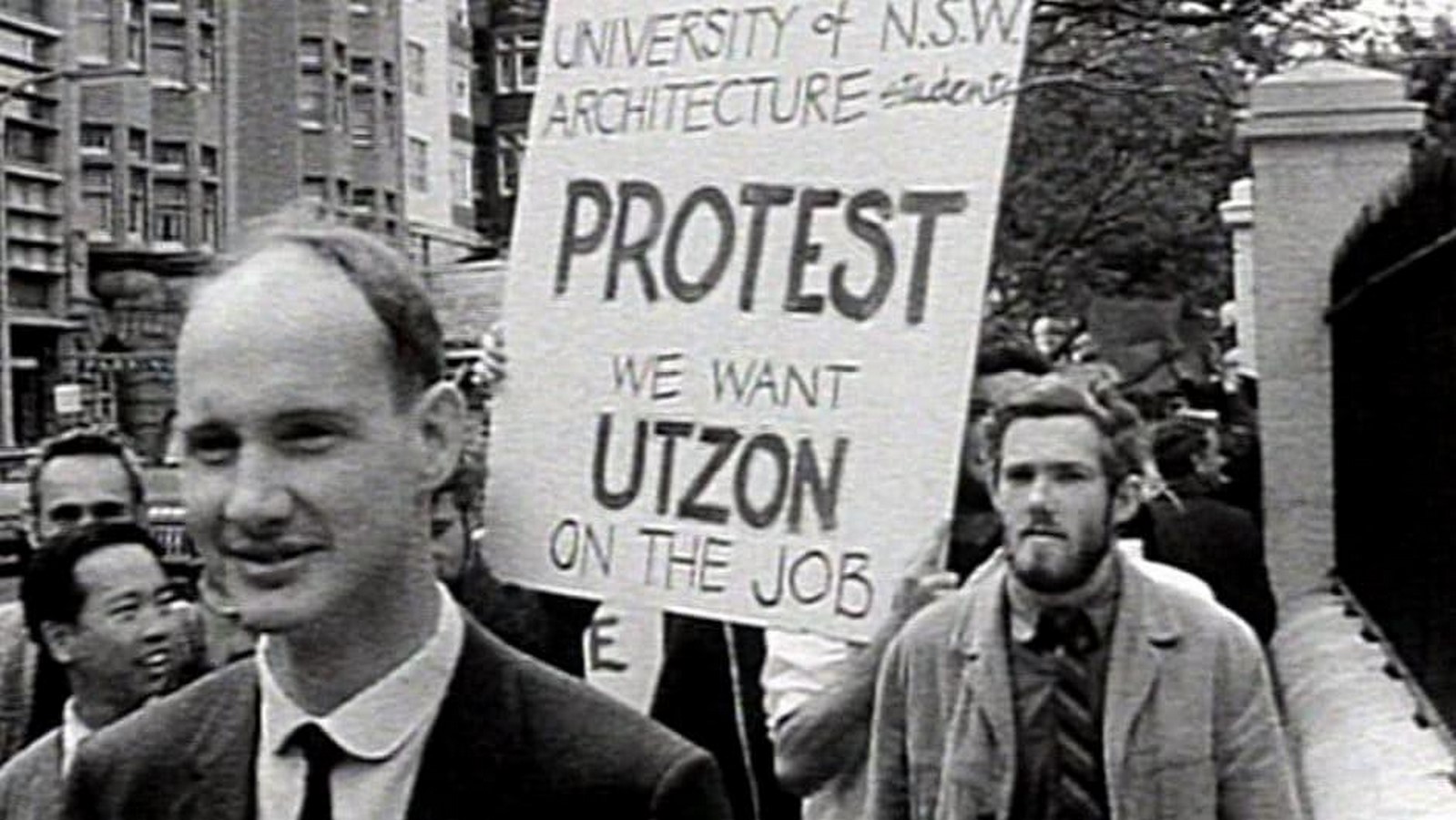
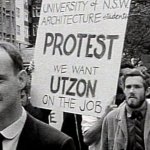
Utzon shifted his office to Sydney in 1963. During the last phase of the construction, the new government started to criticize the project. The project came under the control of the Ministry of Public Works. The political tensions around the project grew. The public showed their displeasure with the government’s decision through protests and public outrages. Finally, in the year 1966, Utzon left the project and the city forever never to see his iconic built form completed.
The new construction team revised Utzon’s designs for the interiors. The multipurpose major hall which hosts concerts and opera changed into a concert hall. The minor hall designed to suit the opera and ballet productions became the opera theater. Despite the design iterations for the betterment of the major hall, there were many acoustical pitfalls. Also lack of backstage facilities added to the share of pitfalls.
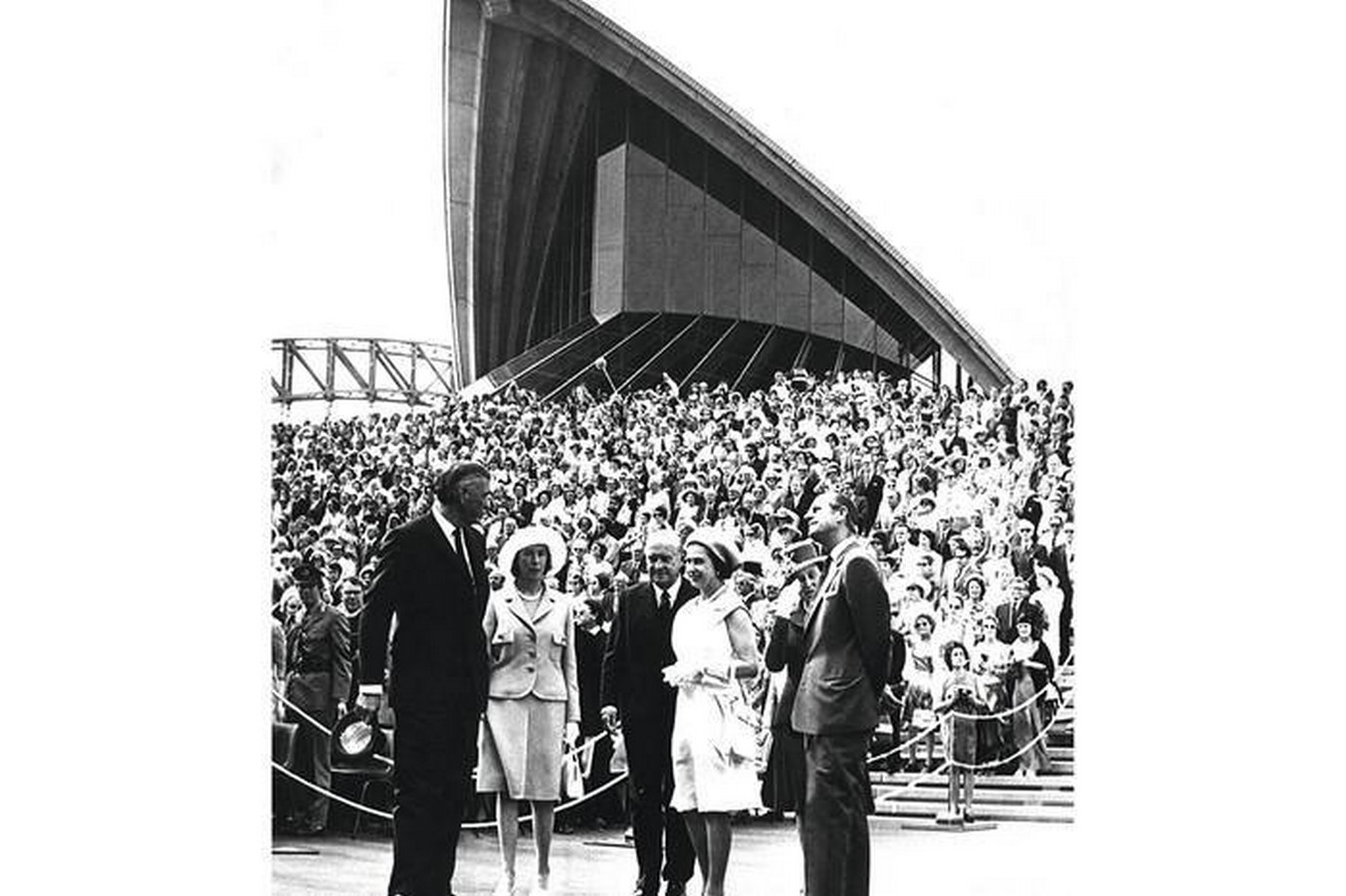
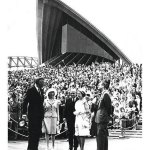
Queen Elizabeth II on 20th October 1973 inaugurated the building after 14 years of its construction. Beethoven’s Symphony Number 9 overflowed the concert hall marking its official opening. It was then that an icon was born. The Pritzker prize laureate who spent countless years on the building was neither present nor mentioned during the inaugural ceremony.
After several years, in the 1990s, the Sydney Opera House needed major renovations. The Trust went and met Utzon. They decided that the architect who envisioned the building should be the design consultant for future works as well. Utzon agreed to this proposal. The architect shared in an interview that he has no regrets looking back now and readily agreed to the proposal. The building which started off as a concept still continues to mesmerize thousands of visitors by instilling a spirit in them that makes it immortal.
Reference
- The B1M. (2018). Sydney Opera House: Building an Icon. [YouTube video]. Available at: https://www.youtube.com/watch?v=51m-YvjmijI. [Accessed: 26 November 2023].
- 60 Minutes Australia. (2023). The urgent repairs needed for Australia’s national icon | 60 Minutes Australia. [YouTube video]. Available at: https://www.youtube.com/watch?v=mWVQ7HxlAow. [Accessed: 26 November 2023].
- Mark 1333. (2018). The Sydney Opera House (construction story) 1958 – 1973 (Australia) – BBC News – 14th July 2018. [YouTube video]. Available at: https://www.youtube.com/watch?v=81-EDxHdmlI. [Accessed: 26 November 2023].
- Dan Cortese (2018). Sydney Opera House: Building an Icon. [online]. Available at: https://www.theb1m.com/video/sydney-opera-house-building-an-icon [Accessed date: 26 November 2023].