Cultural heritage is the work of value that was followed throughout generations. These beliefs are the most significant contribution from the past to future generations. Every civilization has left behind its beliefs and ethics that allow future generations to follow and live with a set of values. This has either been well-preserved or destroyed by people due to a lack of social awareness, inadequate education, and other reasons. The media and films have played a significant role in making people aware of their cultural assets and preserving their legacy.
Bollywood movies and media are giving immense significance in cultural aspects and have become a cultural phenomenon in itself. They are also highly influenced by Indian society and reflect the vibrant and unique culture of the country. They have always portrayed the evolving morals and values of Indian society for people to look upon. Moreover, these movies and media seamlessly combine different elements of Indian culture bringing out true representation of the country’s moral values and heritage.
Cultural representation
The films and media provide a platform for depicting and portraying other cultures including their myths, practices, and beliefs. By presenting various aspects on the big screen, film and media promote cultural diversity and understanding. These beliefs have helped in increasing knowledge and admiration for other practices. The spirituality and faith associated with themselves have played a significant role in society. At the time when Hinduism was prominent religion in India the majority of movies that came out started representing mythical stories and tales based on Hindu holy books like the Ramayana and Mahabharata. Bollywood movies are also a reflection of Indian cultural practices. They often feature weddings where performers sing and wear heavy traditional clothing. Festivals and rituals play an important role in Bollywood films as they show a rich cultural practice in the country. Movies not only showcase festivals like Holi, Diwali, and Navratri but also add to the plot. The emotions, colors, and rituals of traditional festivals are brought to life, making it an integral part of the film. Many of the storylines revolve around Indian traditions and rituals. Therefore these films are typically released during major Indian festivals such as Diwali, Holi, Ramadan, or Eid, making them an essential part of holiday celebrations.
India gained its independence and separated from the United Kingdom in 1947. During the era of the Indian revolt against the British, Bollywood films depicted stories of the struggle and portrayed patriotic sentiments. “Mother India” was the most loved movie of that era which gave importance to faith and strength portrayed by Indian ladies. After gaining independence, a sense of pride and nationalism grew among the people which was also reflected in the films of that time. This gave a set of patterns for movies for more than 60 years that followed.
Cultural exchange
Film and media have the power to transcend cultural barriers by representing various tales and viewpoints from around the world. It showcases diverse cultural experiences, fostering empathy, comprehension, and appreciation for different customs, beliefs, and myths. This helps promote intercultural communication. It impacts their beliefs, aspirations, opinions, ideas, thinking, and loyalty. Cinema is an essential element of culture, as it can alter one’s way of life or help maintain one’s standard of existence. Understanding and appreciating movies is crucial for comprehending the norms of one’s existence.
During the 1970s, Indian films predominantly showcased Western aesthetics and elements of European culture. This was due to British colonial rule for several decades and resulted in the influence of Western culture. The impact of European colonialism on Indian culture was significant, and it was reflected in the films and media produced during that time.
As many Indians were relocating to Western countries in the 2000s, the movies were focusing on Indians living abroad.
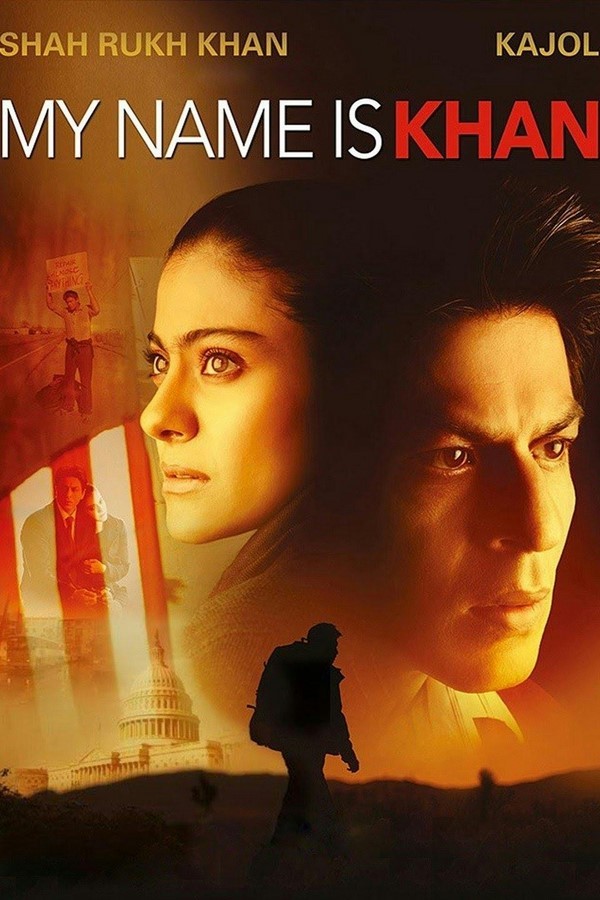
Many Bollywood movies were set in Western countries, which made them relatable for Indian immigrants. However, even Indians residing in India found these movies appealing because they were fascinated by the West and dreamed of traveling abroad. Notable locations such as New York, London, and Paris were selected for the filming. Because they offered audiences a taste of Western culture and these films became more popular. The famous movie My Name is Khan received acclaim for its authentic portrayal of immigration, touching on issues such as racism and Islamophobia faced abroad.
Tourism and cultural preservation
India’s rich cultural heritage and innovative entertainment industry have helped in promoting previously undiscovered regions of the country. This has attracted visitors from domestic as well as foreign travel markets. The films made in India have greatly helped in promoting the areas where they were shot, making India a top film tourist destination. The media has provided us with some of the most amazing and unusual shooting locations ranging from settings in a vacant village to a landscape surrounded by majestic mountains.
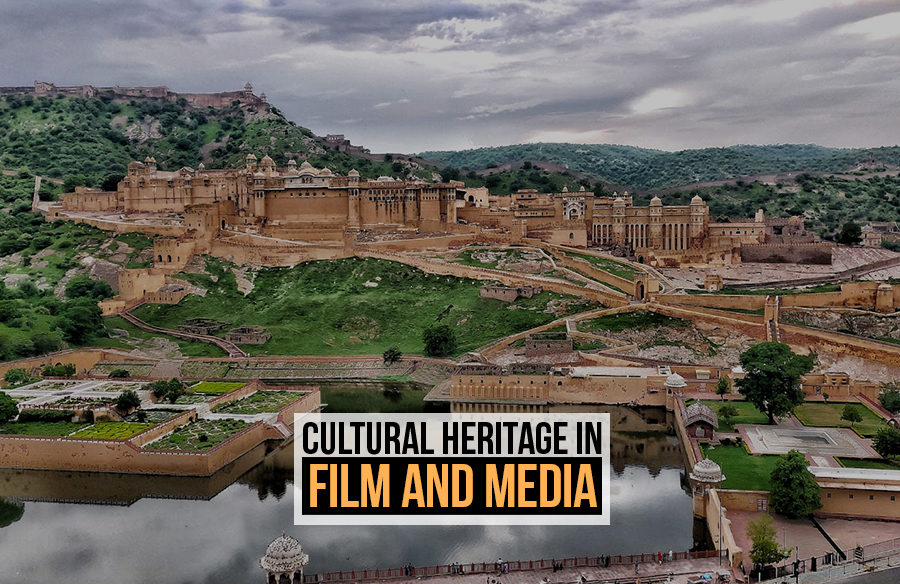
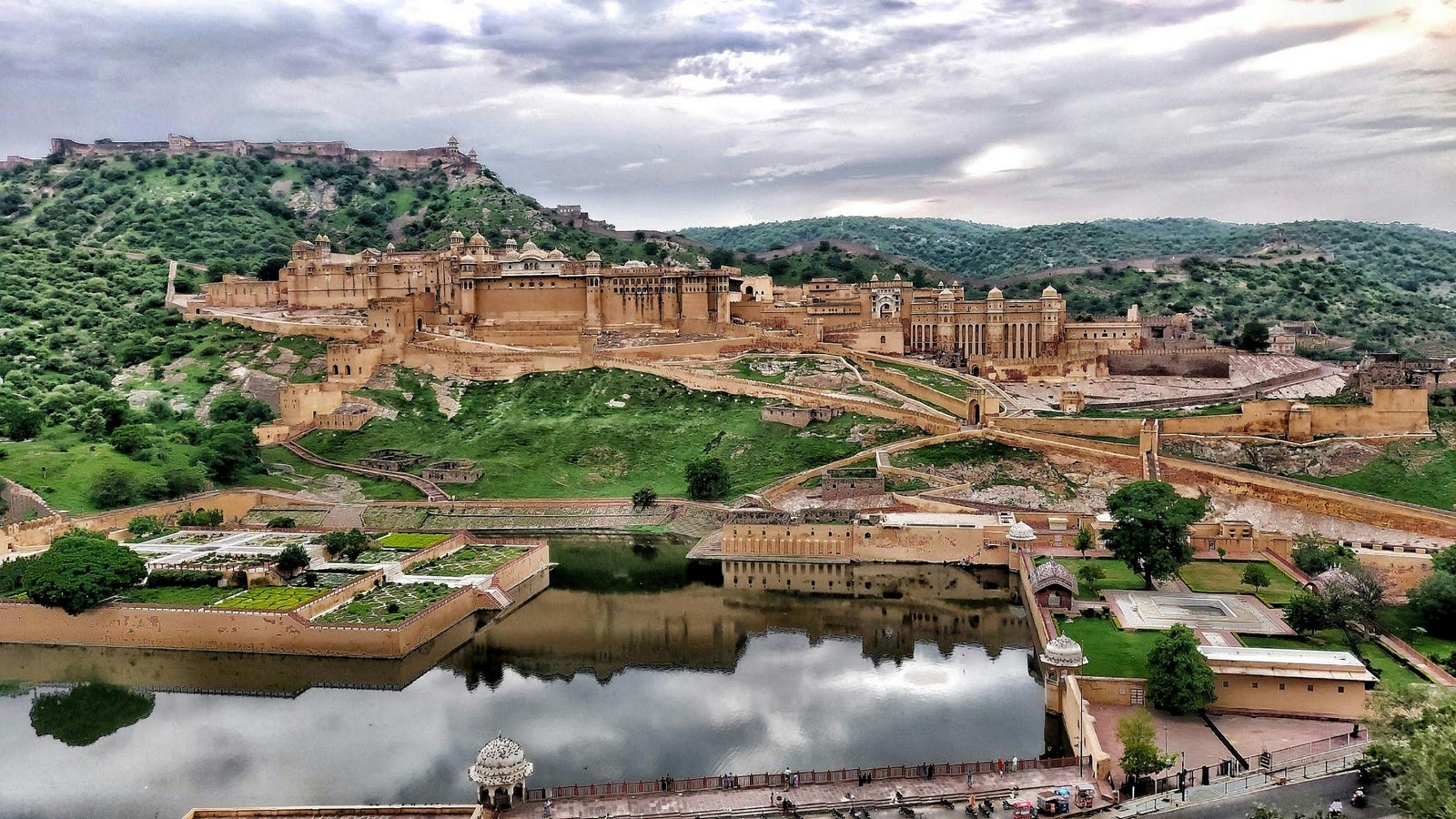
For many years Rajasthan has been a favored location for Indian filmmakers due to its spectacular palaces and forts. A number of well-known movies like “Jodha Akbar” and “Bajirao Mastani” have been shot here. The magnificent and diverse landscapes of India have also attracted foreign filmmakers resulting in many critically acclaimed Hollywood productions. Critically acclaimed films like ‘Life of Pi’ and ‘Slumdog Millionaire’ were also shot in India.
The tourism industry has greatly benefited rural employment, thanks to the surge in movie-related tourism. By giving visitors a distinctive and genuine experience, it also helps to preserve and promote India’s historical sites and cultural heritage. Additionally, it may foster understanding and interaction across cultural boundaries between various countries and cultures. By showcasing Indian culture and heritage in films, investors can attract tourists from all over the world who are eager to experience it firsthand.
Media and film have a big part to play in maintaining cultural traditions and making sure they are essential for coming generations. These ancient tales are brought to life for contemporary audiences through cinematic adaptations offering them a fresh perspective and ensuring their relevance. In this way, cinema serves as a contemporary platform for keeping cultural traditions alive.
References:
- Sharma, B. (n.d.). Sutori. [online] www.sutori.com. Available at: https://www.sutori.com/en/story/analysis-of-bollywood-films-as-a-cultural–LFLfUiPe9vAGcaDypxgsp9eF.
- Tiwari, D.J.K. (2022). Indian Classical Movies: A Cultural Heritage. Central Asian Journal of Literature, Philosophy and Culture, [online] 3(8), pp.87–95. Available at: https://cajlpc.centralasianstudies.org/index.php/CAJLPC/article/view/497/484 [Accessed 12 Nov. 2023].