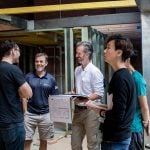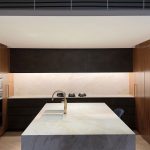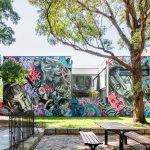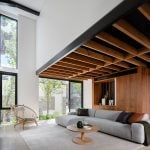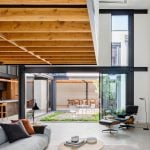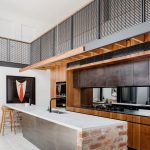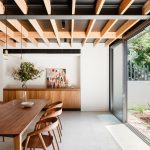
Ladies and gentlemen, prepare to embark on an inspiring journey through the world of design and architecture as we introduce our next distinguished guest for the Future Talks by RTF. Luke Durack, a registered architect and the visionary director of Durack Architects, is set to share his remarkable insights and experiences in the realm of design. Based in the picturesque Bondi Beach of Sydney, Luke’s unique path into architecture, which started with a background in interior design and even meandered through the captivating world of film and television, has not only shaped his unconventional approach to design but has also cultivated his ability to infuse spaces with storytelling and emotions.
Before founding Durack Architects in 2016, Luke Durack honed his craft by collaborating with renowned, award-winning firms, gaining invaluable exposure to a diverse range of projects and design methodologies. This journey has allowed him to refine his distinct and captivating style, resulting in architectural projects that go beyond mere functionality, striving to establish a profound connection with the essence of creating a true home.
In this upcoming conversation, we will delve into the mind of an architect who takes a holistic approach to design, understanding the unique needs and desires of each client. Join us as we uncover the secrets behind Luke Durack’s design philosophy, his passion for storytelling through architecture, and the profound impact of his unconventional background on his architectural practice. Get ready to be inspired and enlightened as we explore the world of design through the eyes of this innovative pioneer, Luke Durack.
RTF: Hi Luke, We are glad to have you as a guest on Future Talks by RTF. Thanks for joining us. What is your process of developing the initial thoughts about a project? How do you start?
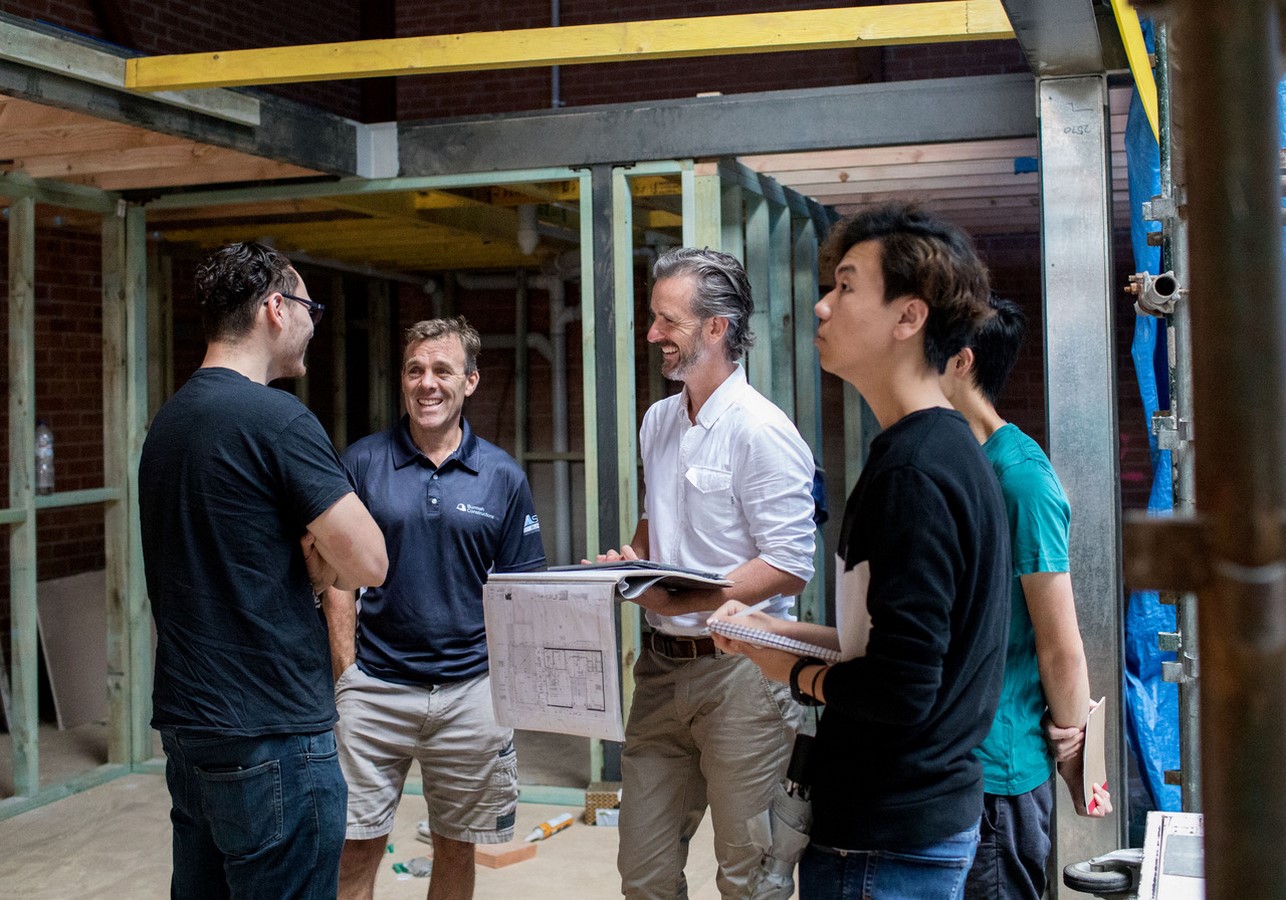
Luke: It is the constraints of any new project that drive our initial thoughts. So the commencement of any project we do starts not with form and space but with a deep understanding of the clients brief through questionnaires, meetings and discussions on site. Really listening to the pain points of any client is the key. That then informs how we approach the design process and will vary from client to client. We don’t have a standard approach beyond that as each client is different and each client requires a tailored response. We are not dogmatic in our approach.
RTF: Who has been your inspiration throughout your architectural journey?
Luke: There is a lot of amazing residential work being done in Australia at the moment. Both in the cities and regionally. I used to spend a lot of time looking at the work from other countries and now I find I’m spending more time looking at the work of local colleagues. This is mostly through books and magazines (which is obviously not the best way to experience the built environment) but also visiting projects locally and overseas.
Film and art continue to be sources of inspiration that provide ideas that are a refreshing break from the built environment. I think its really important to have well rounded approach to what you bring to the design of any building. Film and art help bring a unique way of looking at things.
When that doesnt help I go mountain biking : )
RTF: Where do you find global architecture a decade from now?
Luke: A.I seems to me to be the thing that will have the most impact at the nuts and bolts level of practice over the foreseeable future. Architecture is a slow moving beast in terms of innovation particularly at the single residential level but A.I is already having an impact on the way we practice and will continue to evolve at a rapid rate.
While the design of single residential developments is a highly bespoke process I think the iterative processes that will open up through A.I on even these bespoke projects will change the way we practice. Hopefully for the better but who knows.
RTF: How important do you think an architectural identity is for a firm? What does that ‘architectural signature’ mean to you?
Luke: When I first started out I did not have a clear picture of what sort of practice I wanted to have or what I was actually trying to achieve beyond providing a source of income. In a profession that seems to be becoming more generalist in nature I think its very important that a practice has a clear identity and signature style. We predominantly work on new single residential houses and renovations to houses and apartments. Almost all sole practitioners do the same so its very important to stand for something and to have a niche that defines who you are so that you appeal to a particular market who want ‘you’ not just another architect.
RTF: What are the things to be wary of when building one’s own design firm?
Luke: When you first start out you tend to have only one or two projects. It is easy to spend all your available waking hours on those two projects rather than allocating them the time they deserve and spend the rest of the time on arguably the more important role of finding more work, building relationships and developing the back end of the business. Whether that is marketing, putting administrative systems in place, developing templates etc. Because one day in the not too distant future you will hopefully have the work and you will be very thankful you have done that legwork up front working on the business rather than solely in the business.
RTF: How do you look at the responsibility of architecture firms being far more than just ‘designing’?
Luke: Given that the built environment is responsible for about 42% of annual CO2 emissions clearly it is incumbent on all architects to be designing in a sustainable manner. While the reality of practice is that is not always possible we strive to do what we can. Beyond that I don’t believe my role as an architect is to change the world. We design beautiful homes for families to grow in. We believe our homes are a reflection of who we are. As spaces that we spend a lot of our time in we strongly believe that making those places wonderful and imbued with moments of joy is a noble cause.
RTF: How do you look at the work beyond designing for young architects, such as the likes of involvement in publishing, handling media and building an online presence?
Luke: We are certainly practising in a world that is very different from the one I started in. When I first started in architecture the only people who would experience the homes I worked on were the owners, their friends and family and perhaps a passer by. Architecture is now consumed via a screen perhaps as much as it is in reality. There are pros and cons to this. The reality is that if you are running your own practice and you want to build a profile then publishing and having an online presence is necessary. One of the benefits to having an online presence is that architecture moves slowly. So if you can have a system for documenting your process and projects as they evolve rather than just at the end then you are more likely to be seen. We have also found that clients dont just want to see the product. They want to know who we are, who will be designing their home. I.e Are we a practice they would like to work with. Despite that I still think real world relationship building trumps an online presence. At least that is the way it is for us…for now.
RTF: Can you share any challenges you’ve encountered in the process of getting your work published and how you overcame them? Are there any lessons you’ve learned over the years that have significantly improved your success in this area?
Luke: As I have said Architecture is a slow moving animal. It takes an incredibly long period of time and effort by a lot of people to get a project to the finish line without stumbling. I think its a dangerous and stressful pursuit to have ‘publishing’ as a goal. If you can have a project published in some form consider it a bonus.
At a practical level its really important to ensure clients are aware of your intent to market the project at its completion. This should be clear in any fee proposal at the start of the job. Most clients are not aware that you may wish to photograph the project so it’s important this is clear from the start. This is their home afterall and they may not want it splashed about on every website and magazine.
Investing in a good photographer and a stylist is money well spent. Factor those costs in to your yearly marketing budget so that it doesnt sting too much when it comes to outlying the funds.
Our projects are heavily dependant on referrals. The publishing of our projects and website photos are important but function more as proof of our capability rather than as methods for obtaining new projects.
RTF: How has the presentation of projects changed with time?
Luke: The days of presenting projects as 2D sketch plans is well and truly over. We rely heavily on 3D modelling and visualisations to both design the project as well as presenting to the client.
I think its important the visualisations are a progression that start quite basic and become quite polished. There is a danger in going too polished too quickly. Most residential clients want to have some involvement in the design process and understandably often have some strong ideas about how they want things. In a staged process there is the opportunity for clients to work towards what they want rather than being provided with a single finished solution.
Virtual reality is also an important part of our toolbox these days. There is nothing like standing in the space in real world scale to understand where the design is working and where it is not.
There is also no hiding from the design issues when working in VR. A 3D visualisation on paper can be highly choreographed and styled to elicit certain emotions and create a certain aesthetic style. This is not the case in VR where a client can walk into any corner in the design. Architecture and interior design can only be experienced in 3D. It cannot be truly understood by looking at it on a screen and we don’t believe it can be designed that way either.
We still use models from time to time. Clients love them but in order to really understand the buildings we are designing it is hard to go past the fully immersive experience of virtual reality.
RTF: Which has been the most rewarding project for you until today? And, what factors made it so?
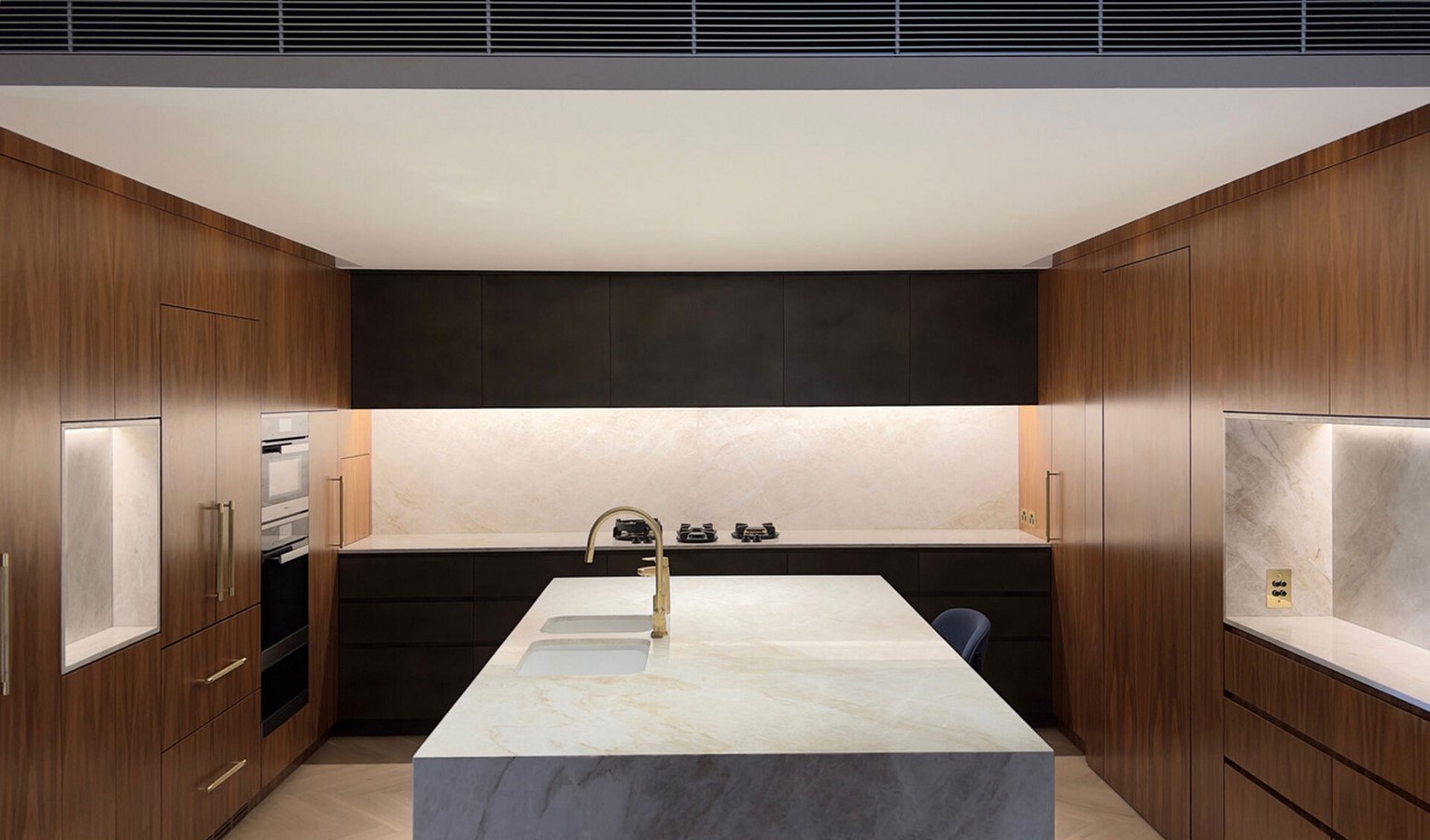
Luke: While each project is rewarding it is probably our smallest project to date that has been the most rewarding. It was the renovation of a single room for my parents who live in a house with a lot of stairs and who have had to move to the ground floor. On an almost weekly basis I have been able to see how this space has improved their day to day lives.
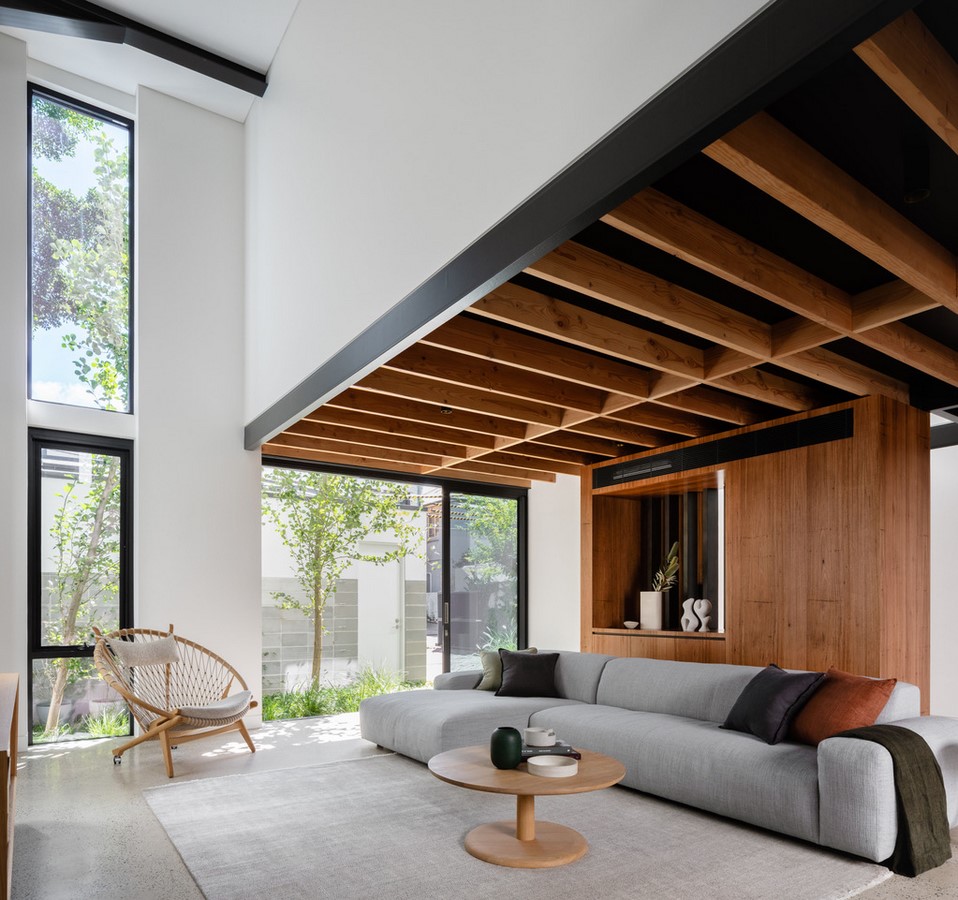
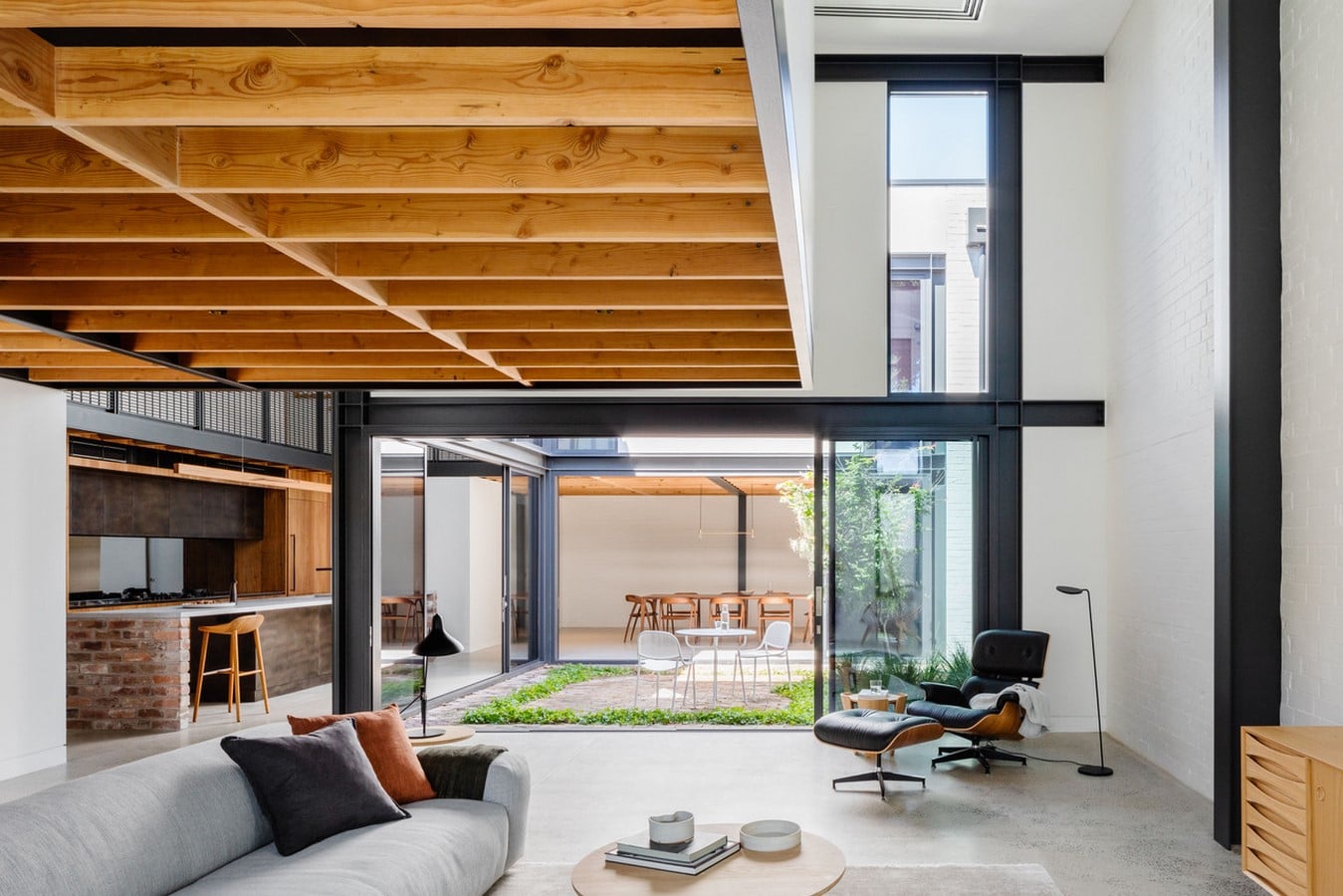
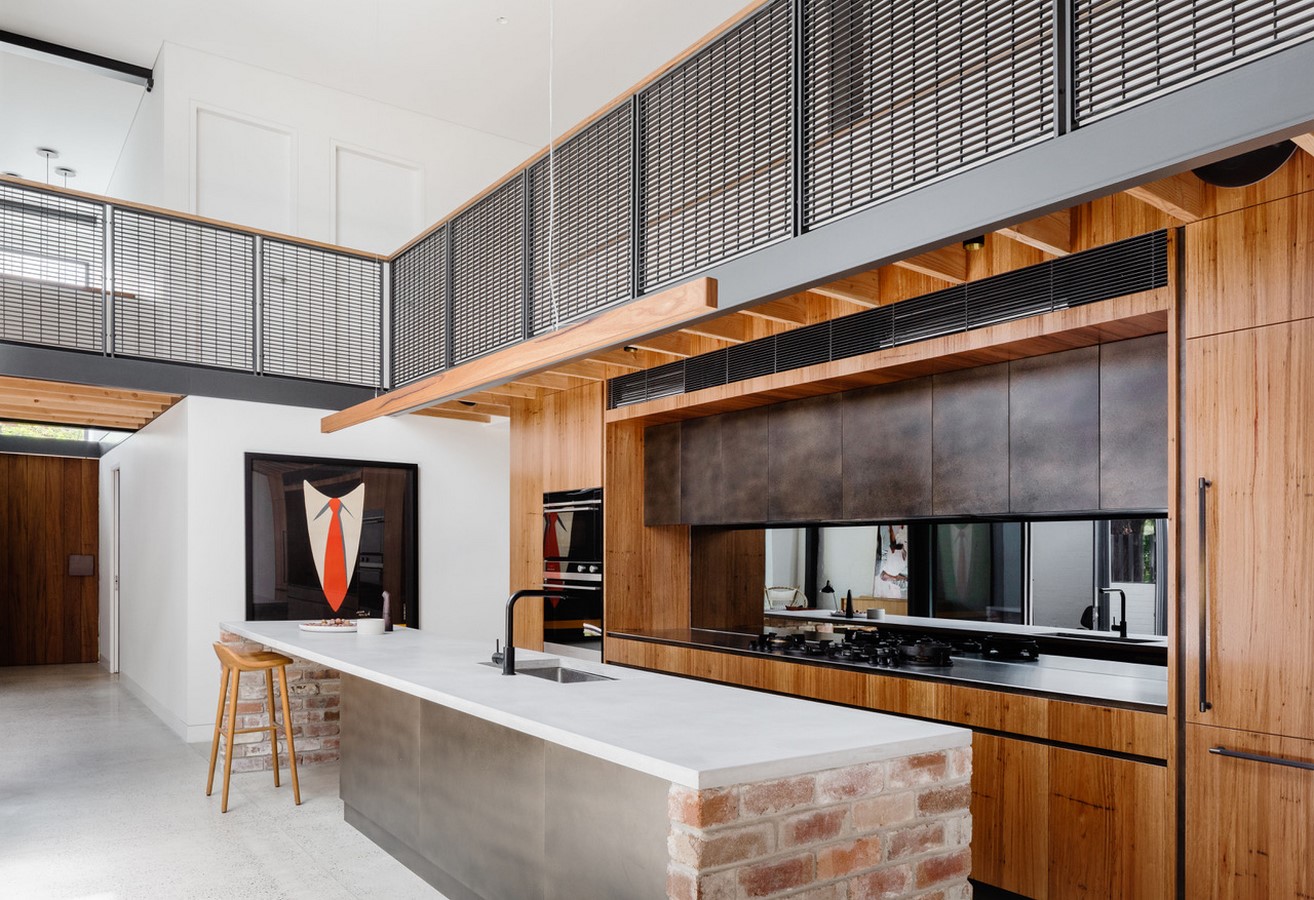
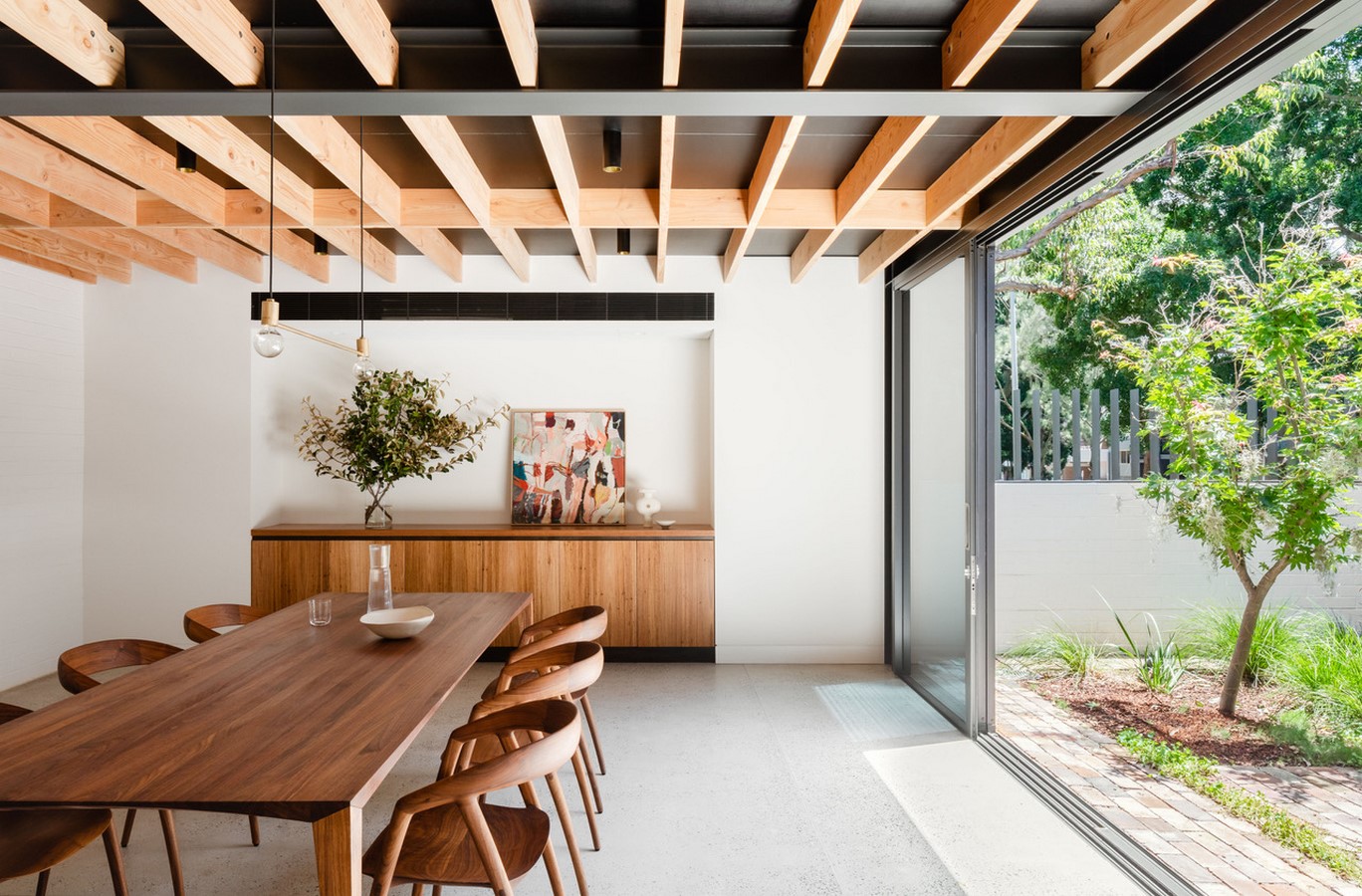
RTF: Can you reflect on your journey of 30 years as an architect and give young students and architects some wisdom to excel in this field?
Luke: One of the hardest things about growing up is working out who you really are and what makes you tick. Not just working it out but being honest about it with yourself can be really difficult and often confronting. Practicing as an architect or interior designer is a hard slog not just when studying but once you start practice. First and foremost I think being sure it is the right thing for you because it is what makes you excited is really important.
I think its important to have a long term goal. There are many ways to practice architecture and increasingly I think this will evolve. Being deliberate about your career choices and not just stumbling along is worth taking seriously.
I spend quite a long time working for other people before realising that I was not very good at working for others. It wasn’t until I started my own practice that I realised how much satisfaction I got out of being in control of the direction of my life and of the parts of practice that I had not been heavily involved with until then. Namely the face to face engagement with clients and building those relationships. Afterall as much as architecture is a wonderful pursuit buildings dont love you back. People do.
Lastly, one piece of job hunting advice I could give to any young architect would be to sell prospective employers on what you can bring to a position in their practice. I receive a lot of resumes from young architects telling me how they want to expand their experiences and their skills as an architect. I receive none that tell me what benefit they could bring me if they were to come and work for me. I would hire that person.