Ladies and gentlemen, welcome to another captivating edition of Future Talks by RTF, where we have the privilege of conversing with visionaries who bring design stories to life. Today, we are delighted to introduce you to the exceptional talent Richard Cole.
Based in the breathtaking landscape of the Northern Beaches of Sydney, Richard Cole and his team have carved a niche for themselves in the world of architecture. Their mission is clear: to design site-responsive, sustainable, and exquisitely crafted buildings that seamlessly blend with their surroundings. In an age where sustainable architecture is of paramount importance, Richard Cole Architecture stands out as a beacon of innovation and creativity.
Richard Cole, the mastermind behind this remarkable practice, is no stranger to excellence. He graduated with First Class Honors in both Bachelor of Science (Architecture) and Bachelor of Architecture from the University of Sydney in 1990. His journey has seen him collaborate with distinguished architects and firms, such as Peter Stutchbury, Paul Berkemeier, Hassell, and MFA, before embarking on his own architectural odyssey with the establishment of Richard Cole Architecture in 1998. Not only has the practice garnered numerous awards for its exceptional work, but it has also gained international recognition, gracing the pages of publications across the globe.
Beyond his architectural prowess, Richard Cole’s life is a tapestry of diverse interests. From his passion for woodworking and fine furniture craftsmanship to the thrill of sailing and the intriguing world of IRB Racing, he is a man of many dimensions. Moreover, his commitment to the community as a Life Member, Vice President, and former President of Avalon Beach Surf Life Saving Club highlights his dedication to both design and the welfare of his fellow humans.
In this exclusive conversation, we will delve into the extraordinary mind of Richard Cole, exploring the inspirations, motivations, and philosophies that drive Richard Cole Architecture’s unique approach to design.
Join us as we unravel the secrets behind their commitment to sustainability, craftsmanship, and the poetic integration of architecture with the natural world. It’s an opportunity to gain insights into the world of design from a true luminary and learn how this exceptional practice continues to redefine the boundaries of architecture.
RTF: Hi Richard, We are glad to have you as a guest on Future Talks by RTF. Thanks for joining us. How rewarding have the last 26 years been for you working at your own architecture firm?
Richard: Building and evolving my own architecture firm has been very rewarding. We are a deliberately small firm, which has allowed us to be flexible and selective in the work we take on. Having my own firm has allowed me to work from a home studio for many years and now a local office in the beautiful Northern Beaches area of Sydney where I live. My architectural colleagues Karla and Penny have been part of the firm for 16 and 18 years respectively, and my wife Cilla is also integral, so we are a close team who are friends as much as colleagues. We work hard and have a large output for such a small office, but we also have a great life/work balance. I am proud of not only the buildings we have produced over the years, but also the life we have crafted, of which work is only a part.
RTF: How important do you think an architectural identity is for a firm? What does that ‘architectural signature’ mean to you?
Richard: I don’t think an architectural identity or signature is very important, I think the quality and integrity of your work is. Some architectural firms promote and develop themselves as a brand, but that is not something that we have focussed on. Our projects try to respond to the particular landscape and client brief and this results in a broad range of building forms that I believe elude a particular signature. Our work will exist long after our firm has been and gone, so it is the work that is important as well as the lives we enhance. We shouldn’t be designing to win awards or to build a brand, we should be designing for the future occupants of our buildings in one or two or even three generations time. That is sustainable architecture. The best buildings are preserved and adapted. Ordinary, low quality or poorly built buildings are replaced regularly. Good buildings should outlast brands.
RTF: What are the changes in the Australian Architectural landscape that also mirror Global changes or vice-versa and how do you look at it?
Richard: There are the global movements towards sustainability, towards social and societal accountability, towards acknowledgement of indigenous cultures and towards building affordability. All of these things are important, but our focus has always been on creating authentic buildings that are beautiful, crafted to endure and which fulfil our client’s brief. In my time practising as an architect the focus has changed from the completely site focussed, landscape generated and essential work of Glenn Murcutt in the 1980’s to so many other things. However, I think it is important not to get too caught up in the focus of the moment, but to maintain your values. Despite our best endeavours, architecture will not solve the world’s problems. Most of our work is embedded in extraordinary landscapes and for us, the response to these landscapes is always the starting point and the most important generative idea. Every project answers the question of how we choose to dwell in a place. Glenn Murcutt’s work has such integrity and consistency it will endure.
RTF: How do you look at the responsibility of informing others and inculcating architectural and design wisdom in people through lectures and workshops?
Richard: I think it is very important to pass on knowledge and experience. Because we are such a small office who is based out of the city, we have limited capability to teach at Sydney’s universities, although both myself and Karla did for many years. Unfortunately, in my experience the local universities have become more focussed on making money and less on inviting experienced practitioners to share their knowledge. When I was at university there were many architects such as Glenn Murcutt, Rick Leplastrier, Paul Pholeros, Peter Stutchbury and many others who were so liberal with both their time and sharing of knowledge and wisdom. I have always tried to emulate their generosity. These experiences are the ones which are the most memorable from that time, and the lessons learned were invaluable. It is vital for universities to get practitioners into the lecture theatres and tutorials as there is no substitute for real life experience. Most architects are very willing to contribute, they just need to be asked.
RTF: How do you look at the work beyond designing for young architects, such as the likes of involvement in publishing, handling media and building an online presence? How important is it and what does it demand from the architects?
Richard: Having a media presence is part of practice these days, but it is not something which I am focussed on or particularly good at. We have plenty of work and don’t need to attract new clients. Social media can be a good resource, but it is also a massive distraction. I think it is much more important to dedicate your resources and time to focusing on the quality and integrity of your work. Having not grown up in the era of social media I am not particularly comfortable with the idea of self-promotion. Some of the best architects I know have almost no media presence whatsoever.
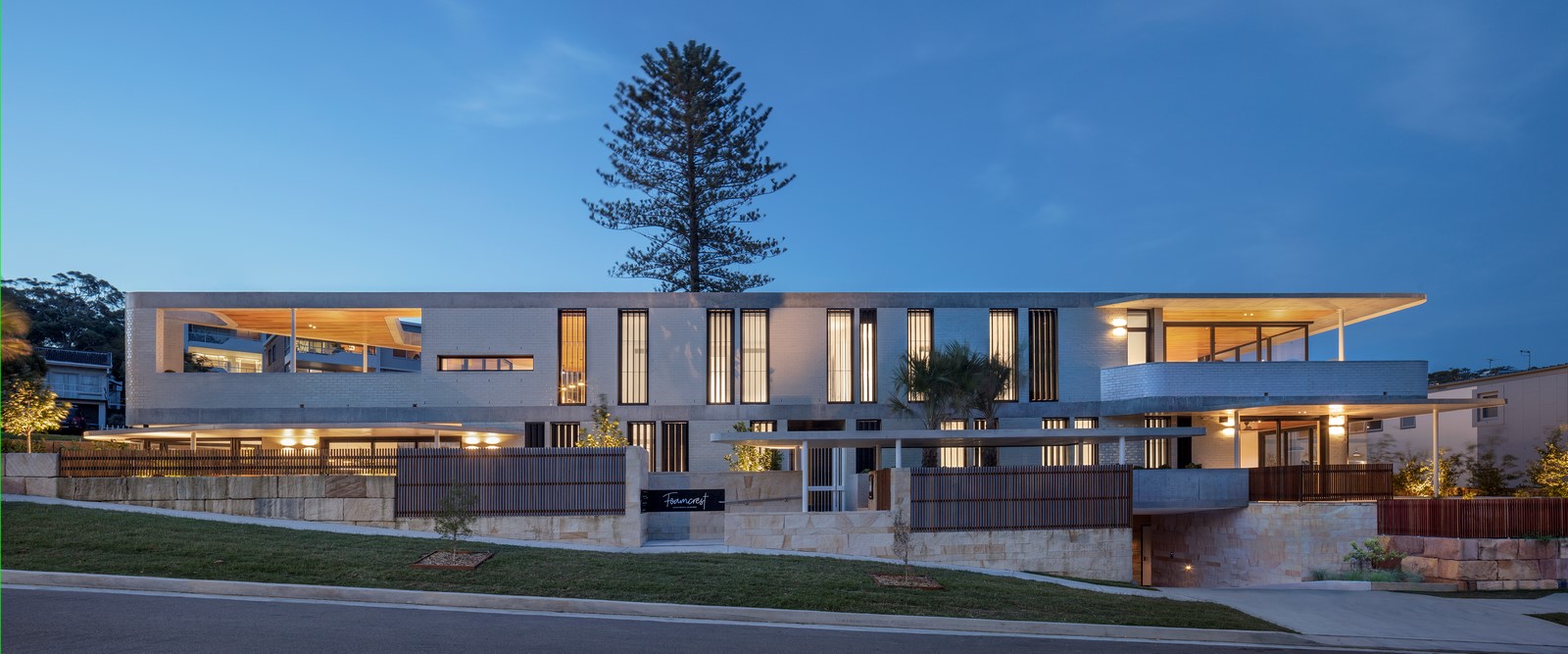
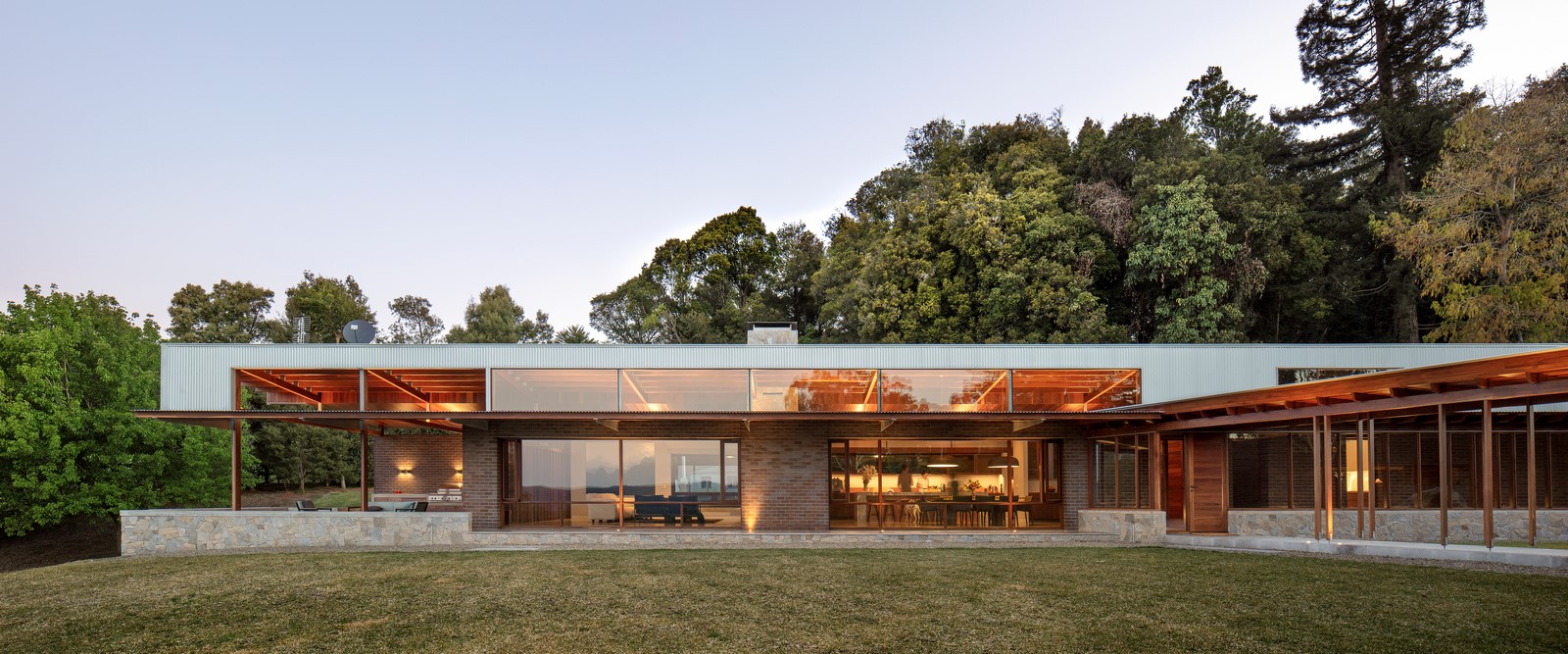
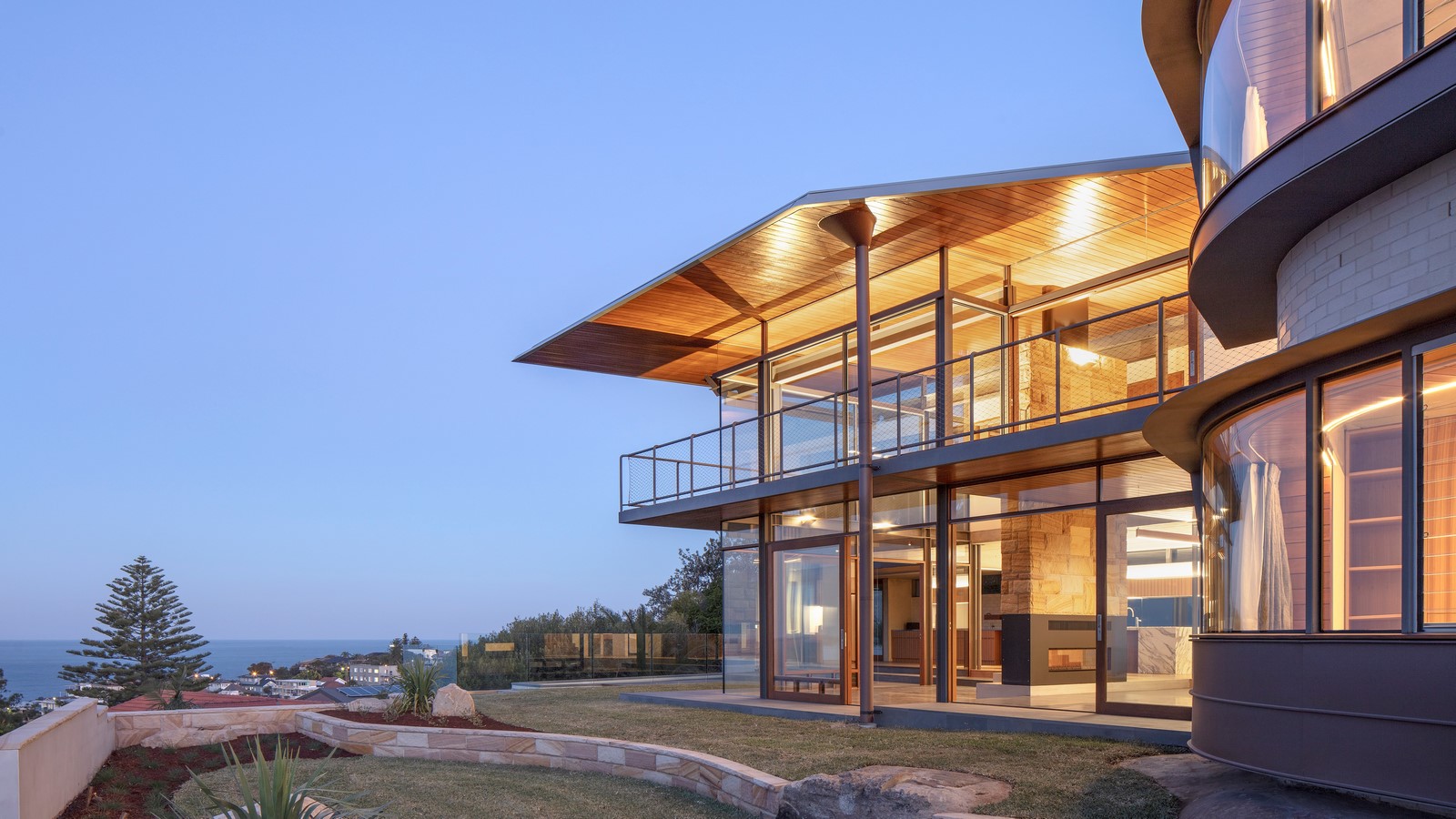
RTF: Can you share any challenges you’ve encountered in the process of getting your work to the people at large via publications or other media and how you overcame them? Are there any lessons you’ve learned over the years that have significantly improved your success in this area?
Richard: I don’t actively try to get our work to numerous publications, so I am probably the wrong person to ask. We generally only respond to media enquiries, although I do have some ongoing relationships with journalists in the architectural media which have been valuable. High quality photos are essential. We have used the same photographer since the beginning and we have both benefitted and enjoyed the relationship and resulting work. It can be easy to get caught up in the day to day business of producing architecture and let the opportunity slip to get projects properly photographed. We have a number of great projects completed in the last few years which are yet to be photographed (thank you Covid). It is a difficult process, but very important to capture your body of work.
RTF: Which project of yours has been the most rewarding for you in terms of learning? Which is your favourite project and why?
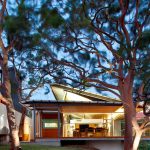
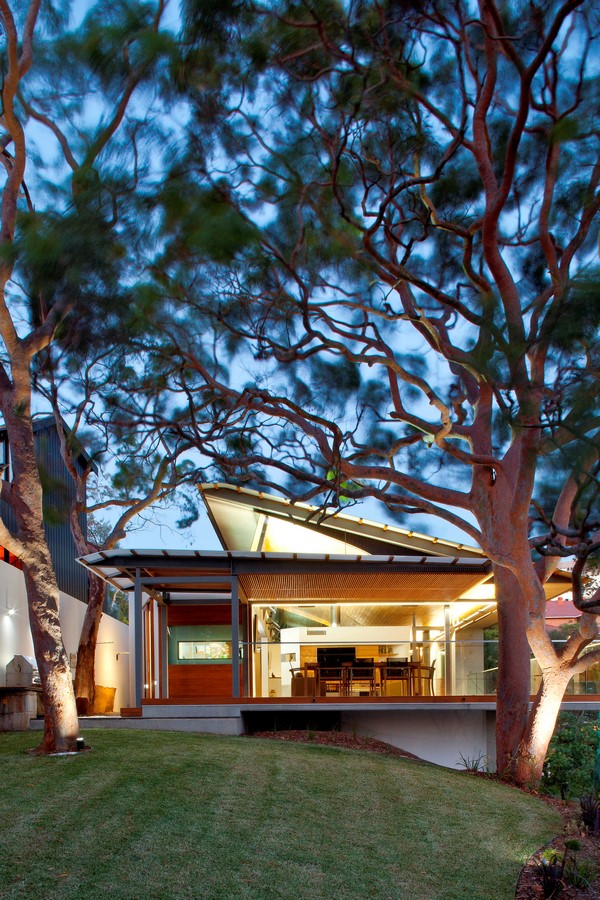
Richard: You learn in many ways, through both opportunities and mistakes. I was fortunate enough to design a house for my parents (the Angophora House) which was a real privilege. They took a leap of faith with me and despite being inherently conservative were open to bold design ideas. They have loved living in this house for the past decade. I believe it has enhanced their lives and that knowledge is certainly the greatest reward. Knowing that the house would be their last place of residence meant that I invested all my effort and skill into the project, and think that commitment pays dividends.
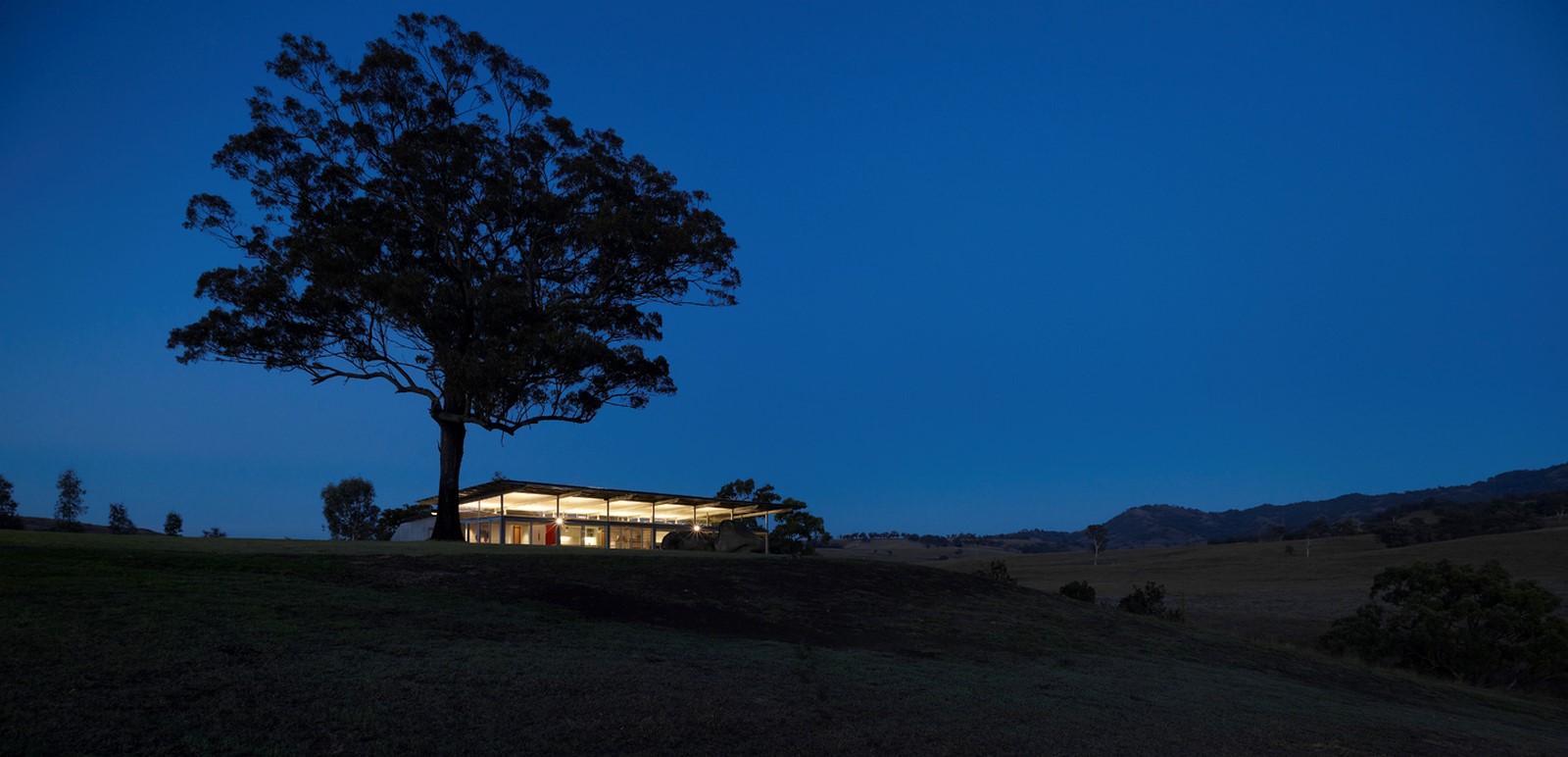
We are also working on a couple of extraordinary projects at present. While they have beautiful sites, substantial budgets and incredible opportunities in their own ways, it is the generosity, faith, open mindedness and unwavering support of our clients that really distinguish a rewarding project. I have always found that the best clients result in the best projects.
RTF: How would you highlight the importance of constantly evolving in architecture? How do you look at it in your work since you began?
Richard: I don’t think it is important to evolve for the sake of evolution, but I do think developing in terms of building upon what you have learnt is important. We are always seeking to improve. I always try to actively ignore the current fashion, which is difficult. Blocking out the noise and listening to what the landscape is calling for, returning to the fundamentals and implementing the lessons from your previous work is what I regard as important.
RTF: How does your off-the-table life shape your professional life?
Richard: Architecture isn’t everything. I am heavily involved in our local surf lifesaving club in a volunteer role which takes up much of my time and is just as rewarding as my professional career. I think becoming embedded in your community is essential to understanding the role that buildings play and what is genuinely important. I am also married with four children and they always bring you back down to earth.
RTF: What advice would you give to youngsters who’ve just embarked on their journey of becoming great architects?
Richard: Don’t try and become a great architect, just try and become a great person.