The city of Cartagena, which is on Columbia‘s coast, successfully combines today’s development with its rich historical past. One has a better understanding of the social, political, and cultural dynamics when one strolls through streets that convey stories of the city’s rich culture and architecture. The essay exhorts more on the diversity of the city’s architectural styles and delves deeper into how modernization and demographic changes combine to create the atmosphere of the context.
The Historical Tapestry
The architecture of Cartagena is mostly a reminder of its colonial heritage. Spanish conquistadors established the city in 1533, and it swiftly developed into a key node of the Spanish Empire in the New World. Its walled Old Town, or “Ciudad Amurallada,” is both a living example of Spanish colonial architecture and a UNESCO World Heritage site.
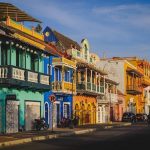
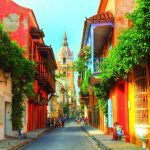
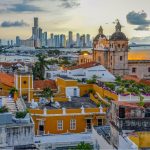
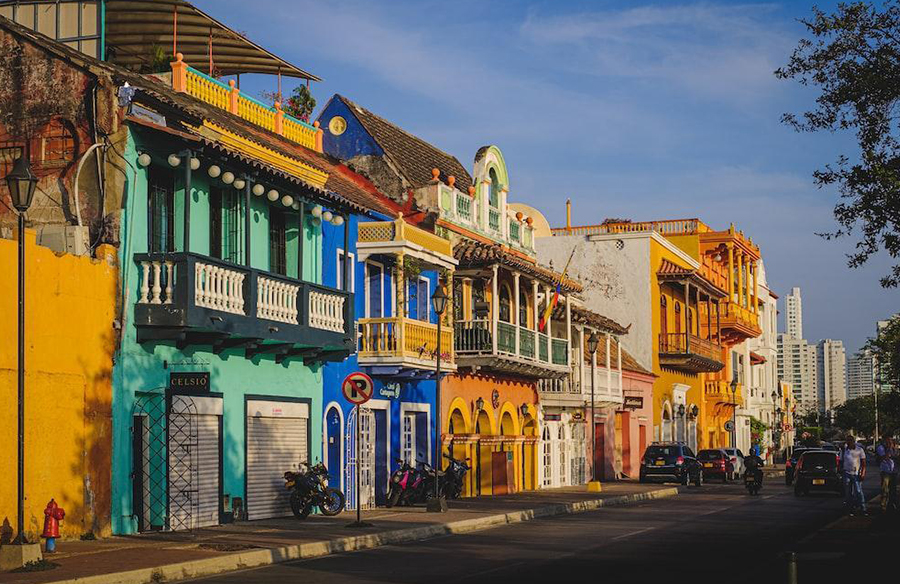
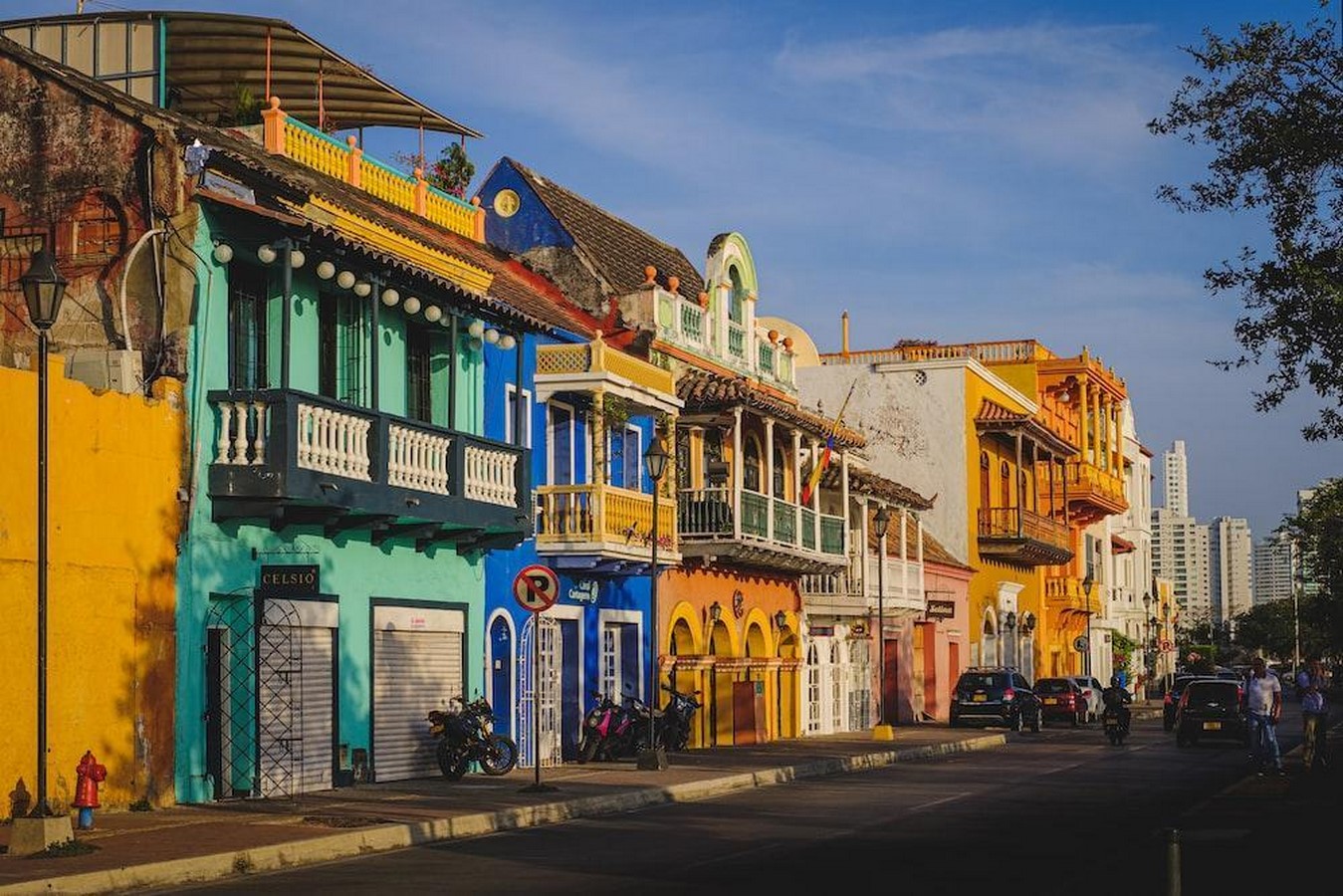
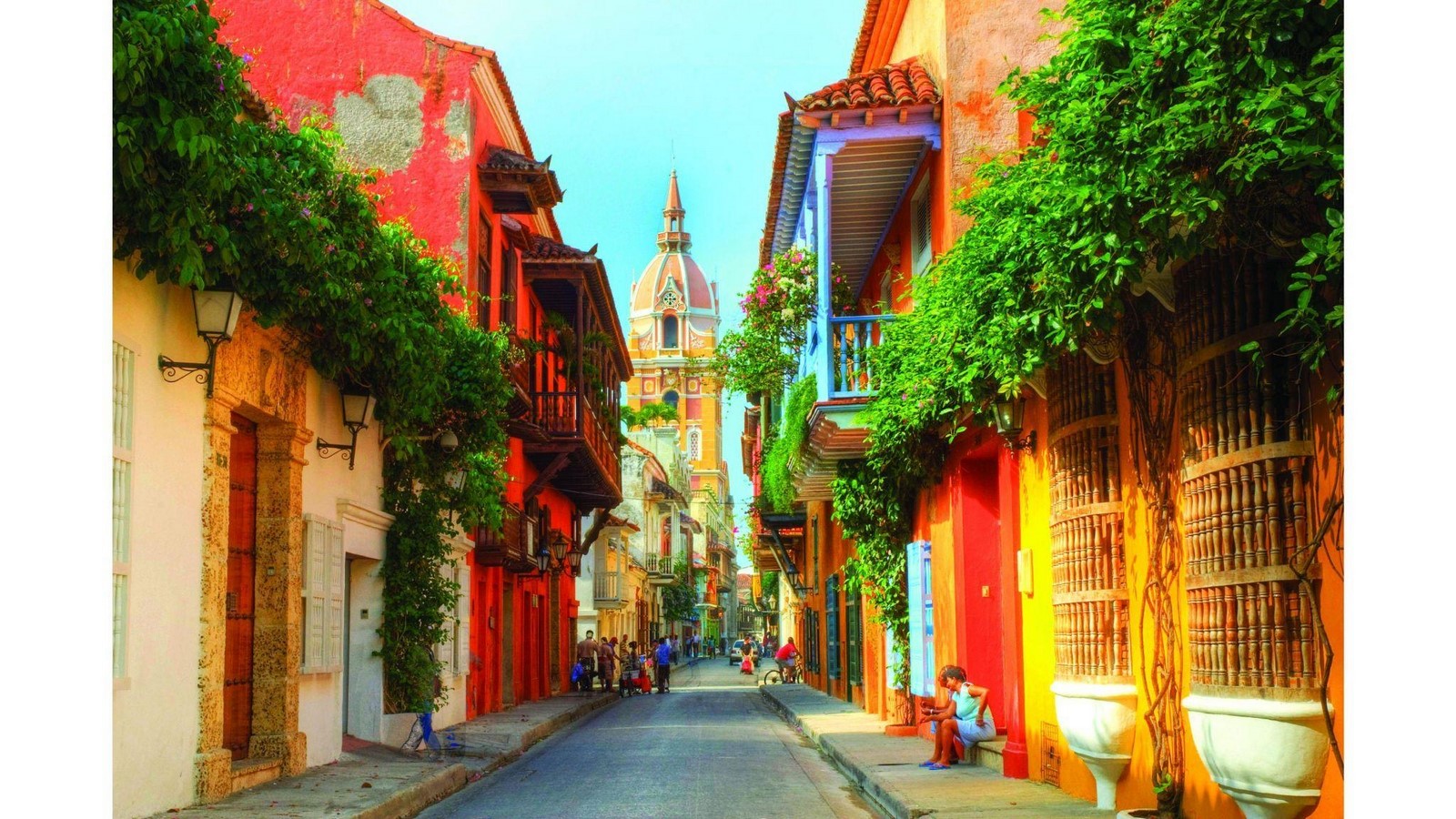
The Old Town’s streets are a maze of winding cobblestone lanes surrounded by vibrantly coloured facades and exquisite wrought-iron balconies. Thick walls, arched doors, and courtyards brimming with rich vegetation are characteristics of the colonial architecture here. The structures, with their whitewashed exteriors and red-tiled roofs, evoke a bygone age and provide visitors with a look into the city’s colonial past.
Cultural Influences
Beyond its Spanish colonial heritage, Cartagena’s architecture reflects a tapestry of cultural influences. The city was a melting pot of indigenous, African, and European cultures, which is vividly evident in its architectural diversity.
One striking example is the presence of Palenqueras, the iconic fruit vendors dressed in vibrant, traditional African attire. Their colourful clothing and lively presence contribute to the city’s visual richness, acting as living landmarks that complement the architectural charm of Cartagena. Additionally, the city’s churches showcase the fusion of European Baroque and indigenous elements. The Basilica of San Pedro Claver, for instance, exhibits a stunning combination of Spanish and indigenous architectural styles, featuring intricate stonework and ornate altars.
Social Dynamics
Cartagena’s architecture also speaks volumes about its social dynamics. While the Old Town embodies the city’s historic charm and has been meticulously preserved, the surrounding neighbourhoods have evolved to accommodate the city’s growing population.
The neighbourhoods outside the walls are marked by colourful, yet more utilitarian, buildings. These structures often feature simple designs and are constructed to withstand the tropical climate. The contrast between the Old Town’s opulence and the functional architecture of the newer areas reflects the socioeconomic disparities that exist within the city.
Political Evolution
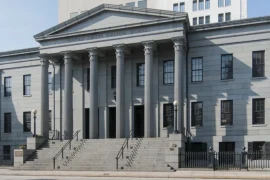
Cartagena’s architecture reflects its political history, especially its part in Colombia’s independence movement. In the struggle against Spanish colonial control, the city was crucial. An impressive colonial structure called the Palace of the Inquisition serves as a chilling reminder of the city’s darker past. Many people were tried and executed in this location during the Spanish Inquisition.
Modernization and Demographics
Cartagena is a city in movement, moulded by modernity and shifting demographics; it is not a place frozen in time. Architects must strike a balance between development and preservation as the city’s population rises and urbanisation quickens.
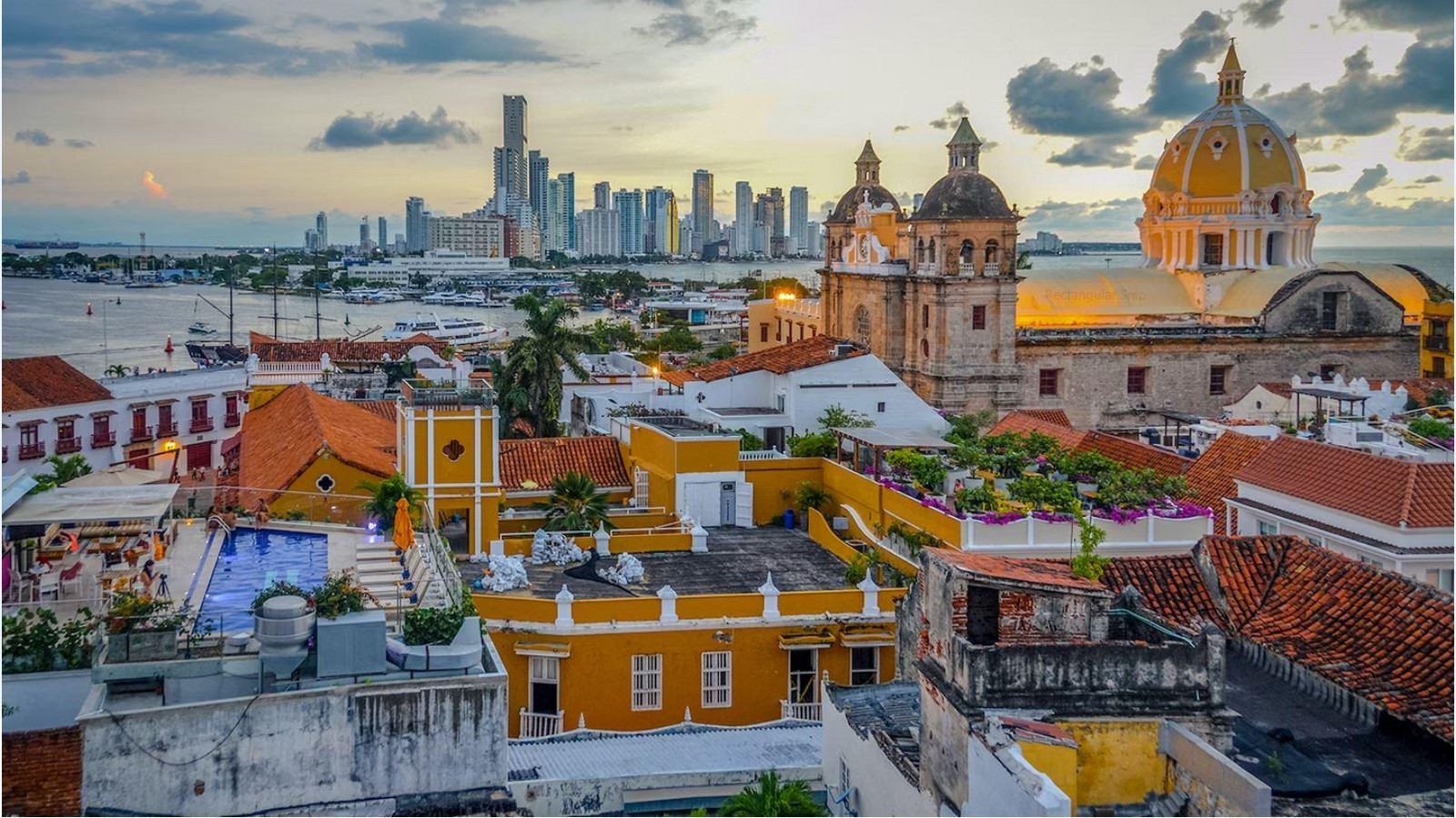
Modern architecture has grown significantly recently, especially in the Bocagrande neighbourhood. Skyscrapers and opulent hotels have sprouted up here to accommodate the inflow of tourists. These contemporary buildings are evidence of Cartagena’s economic development, but they also raise concerns about the preservation of the city’s distinctive architectural history.
The Architecture of Cartagena:
The architectural splendour that may be weaved from centuries of history, culture, and various influences is best exemplified by Cartagena, Colombia. The Old Town, a site where the history is felt in every cobblestone street and elaborate façade, is at the centre of this seaside beauty. A stunning combination of Spanish colonial, native, African, and European Baroque influences can be seen in the city’s architecture. It feels like time has stood still as you stroll around the Old Town. Colonial structures with whitewashed walls and red-tiled roofs lure visitors with their enduring charm in this area. A symphony of wrought-iron balconies, wooden shutters, and secret courtyards filled with tropical foliage make up the architectural elements. Each structure appears to be telling a historical tale of conquest and cultural influence.
Perhaps the most beautiful examples of Cartagena’s architectural legacy are its churches. For instance, the Basilica of San Pedro Claver displays beautiful brickwork and magnificent altars that demonstrate the confluence of European and indigenous styles. Such great structures that defy human scale and perception remind us such marvels are not just places of prayer but take one through concepts of space and time.
Walking through the streets one comprehends the spirit of the city in the vibrant hues of yellow pink and blue. Every architectural feature, from the cobblestone pathways to the elaborate door knockers, adds to the city’s distinctive visual tapestry. Even the most basic buildings exude charm. The historic district of Cartagena is not the only place with attractive architecture. Outside the walls, tradition and modernity live together. A striking contrast is made between skyscrapers and modern architecture and colonial façade. Even in this contemporary setting, architects work to preserve the city’s history and maintain Cartagena’s distinctive architectural style.
Cartagena’s architecture is a wonderful synthesis of art, culture, and history. It is a place where several periods mix, where even the streets are pieces of architecture, and where the past still has an impact on the present. One understanding of the architecturally rich city of Cartagena is that the city extends beyond the facade of such intricate structures to where the spirit of the context continues to live – the heritage of a community that values its part but also respects the need for modernization in certain cases. The city is a testament to this showcasing heritage through the colonial buildings of the old town to the contemporary yet heterogeneous skyline of the Bocagrande. The physical manifestation of such social, political and cultural factors that have shaped it through the years is what forms the built environment of today.
The architectural identity of the city is in flux as a result of its struggles to maintain its roots amid modernity and constantly shifting demographics. The city of Cartagena will continue to expand, a testament to the architecture for years to come, as long as the necessity for advancement and the requirement to preserve a city’s historical and cultural heritage are balanced. And a city that has managed to endure while maintaining its historical integrity will be equipped to resist future change.