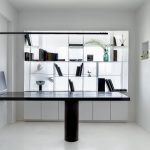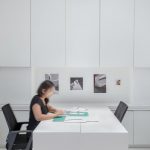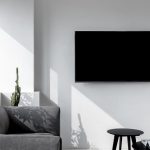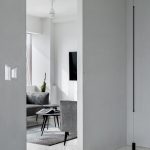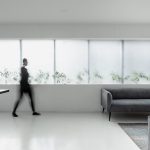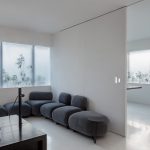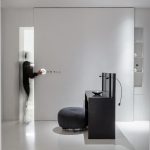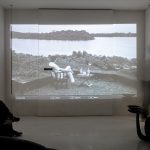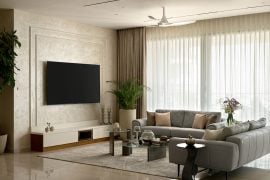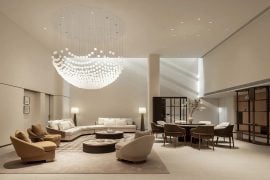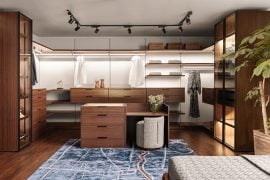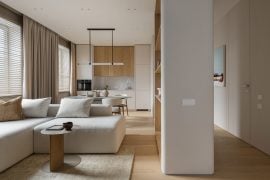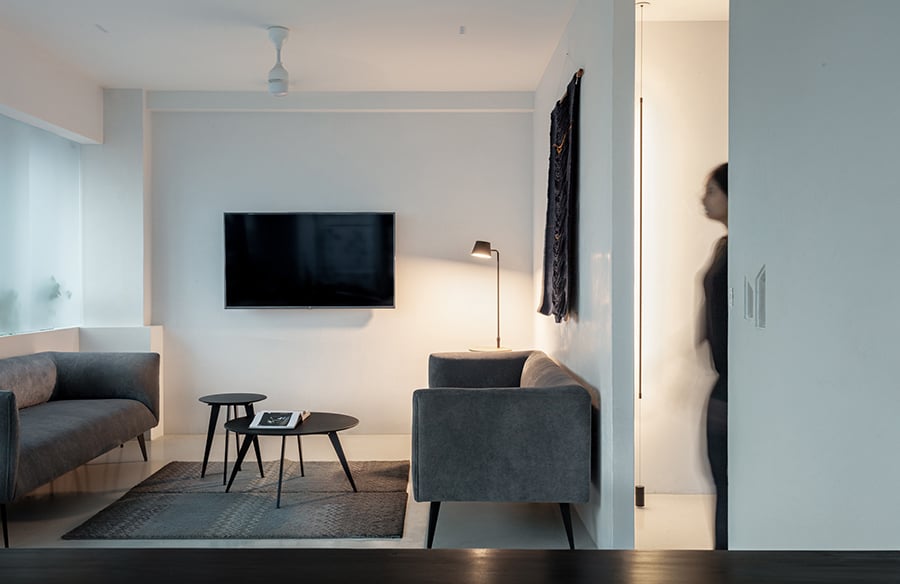
They have their own architecture firm, D’WELL, in the 750 square foot office space known as The White Cave. It is situated in a Surat business office complex. Regardless of where it is, the white cave is imagined as a serene and private workspace that injects peace into the hectic pace of daily life. It is accomplished by using a clear, minimalistic, and deliberate approach to spatial design. Here, the minimalist philosophy goes beyond the physical appearance of the place and controls the users’ and visitors’ emotions.
Project Name: The White Cave
Studio Name: D’WELL
Photographs : Dhrupad Shukla
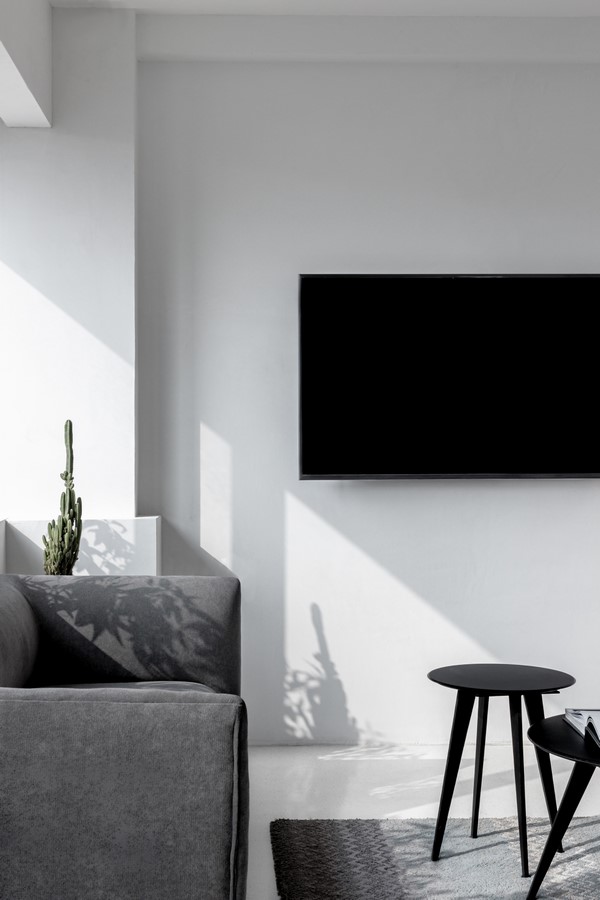
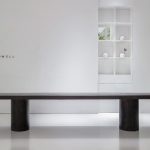
A waiting foyer that connects to the reception room serves as the entrance to the cave. The white walls, floor and black furnishings remove your mind from frantic thoughts as soon as you enter, allowing the tranquillity of a “Cave” to envelop you.
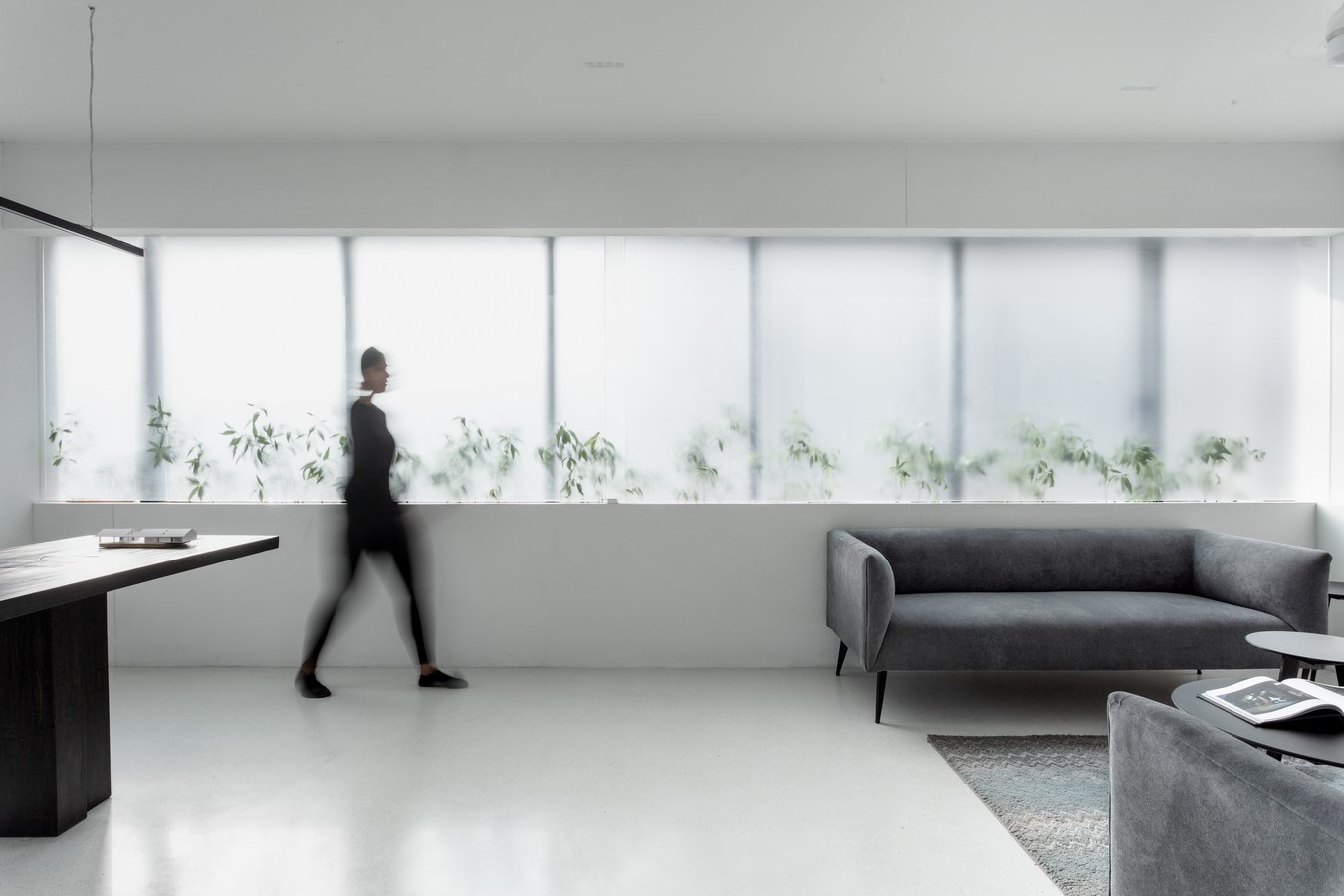
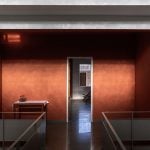
Since doorways visually provide a feeling of direction, the reception area is conceptualized as the ‘lost’ space without doors. They have been replaced with sliding walls that perfectly blend in with the surroundings and serve the same role as the lost room. With the use of modular furniture and a continuous backdrop of white walls, the space provides a room for a range of activities, such as waiting areas, dining areas, art galleries, or entertainment rooms beyond office hours. It also has three other openings: to the pantry, the staff cabin, and the main cabin. The areas are connected by the seamless micro terrazzo flooring and the connecting plant fringe that can be seen through the clear glass curtain.
Meetings with clients and group discussions are hosted in the main cabin, which is located to the west of the lost room. The heavy translucent glass curtain softens the strong western sunlight and fills the room with diffused light. Thus, the layout makes it easier to use the right quantity of illumination for a relaxing working atmosphere.
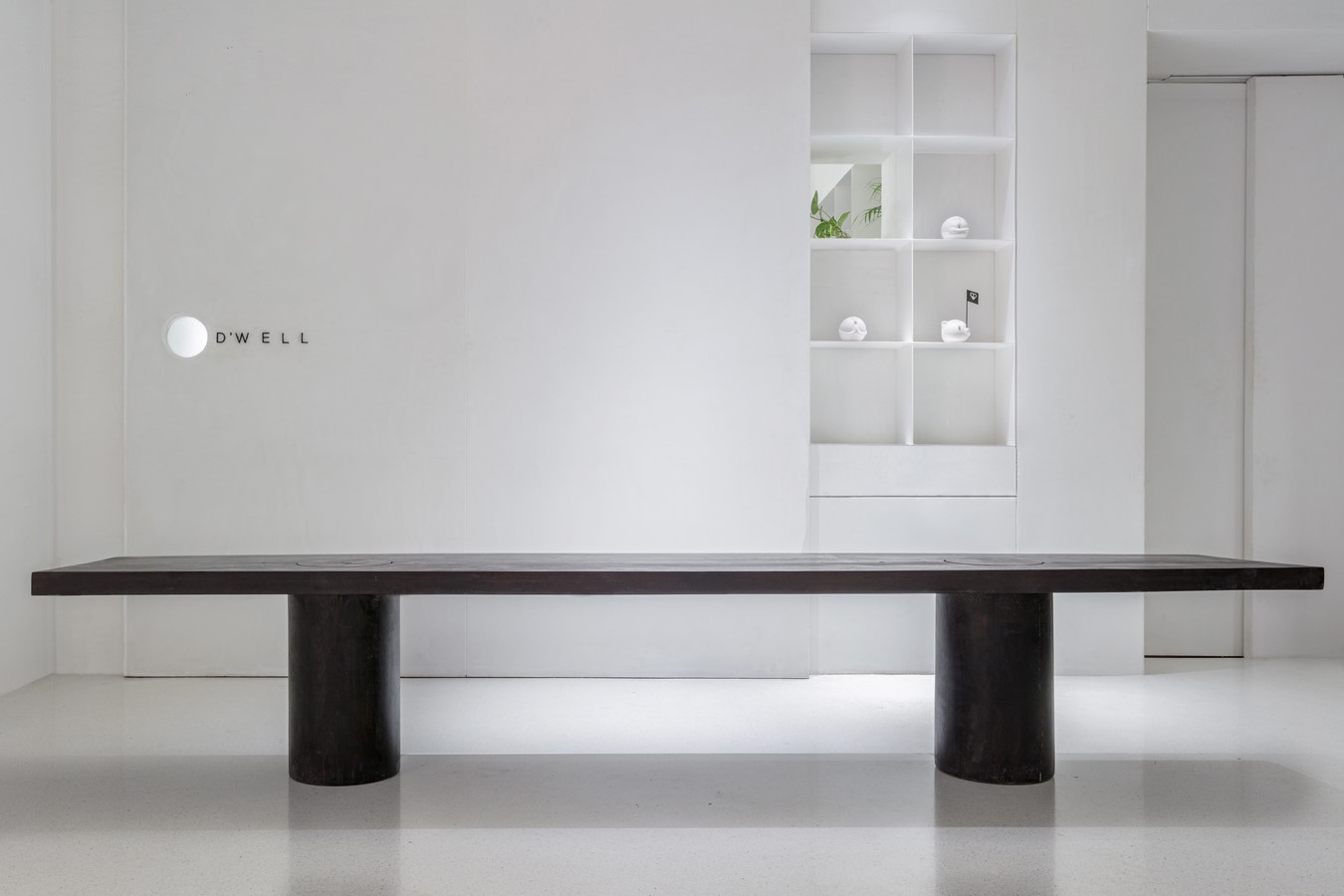
The staff cabin can be accessed from the other side of the lost chamber. The cabin receives natural light from the entrance foyer behind the book rack because it is attached to the side edge. By removing superfluous design components, this space is intended to function as a working cave with the fewest possible distractions. Two movable stone tables are created that may be used alone or in a group at the centre for activities like building models and having talks. These custom elements which serve numerous purposes are authentic to the designs and aid in conveying the spatial vision of the designer to the users.