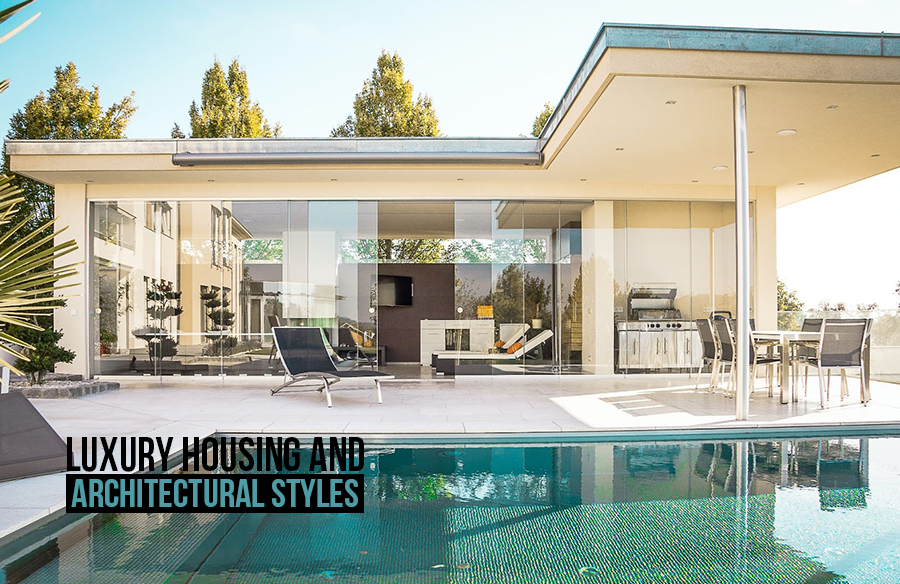
Architectural design helps in the establishment of the aesthetic appeal and the wealthy feeling in luxury houses. The owners’ preferences, social status, and living standards reflect their housing preferences in most cases. In this article, different architectural styles like modern, Mediterranean, Georgian, and Victorian styles will be examined in relation to luxury and aesthetics.
In general luxury houses hold some common traits like large spaces, efficient location, in some cases sea facing, large garden spaces etc. Apart from these common traits we have different styles with different specific characteristics. Starting with the most talked about and the most common one, the contemporary style.
Contemporary Style
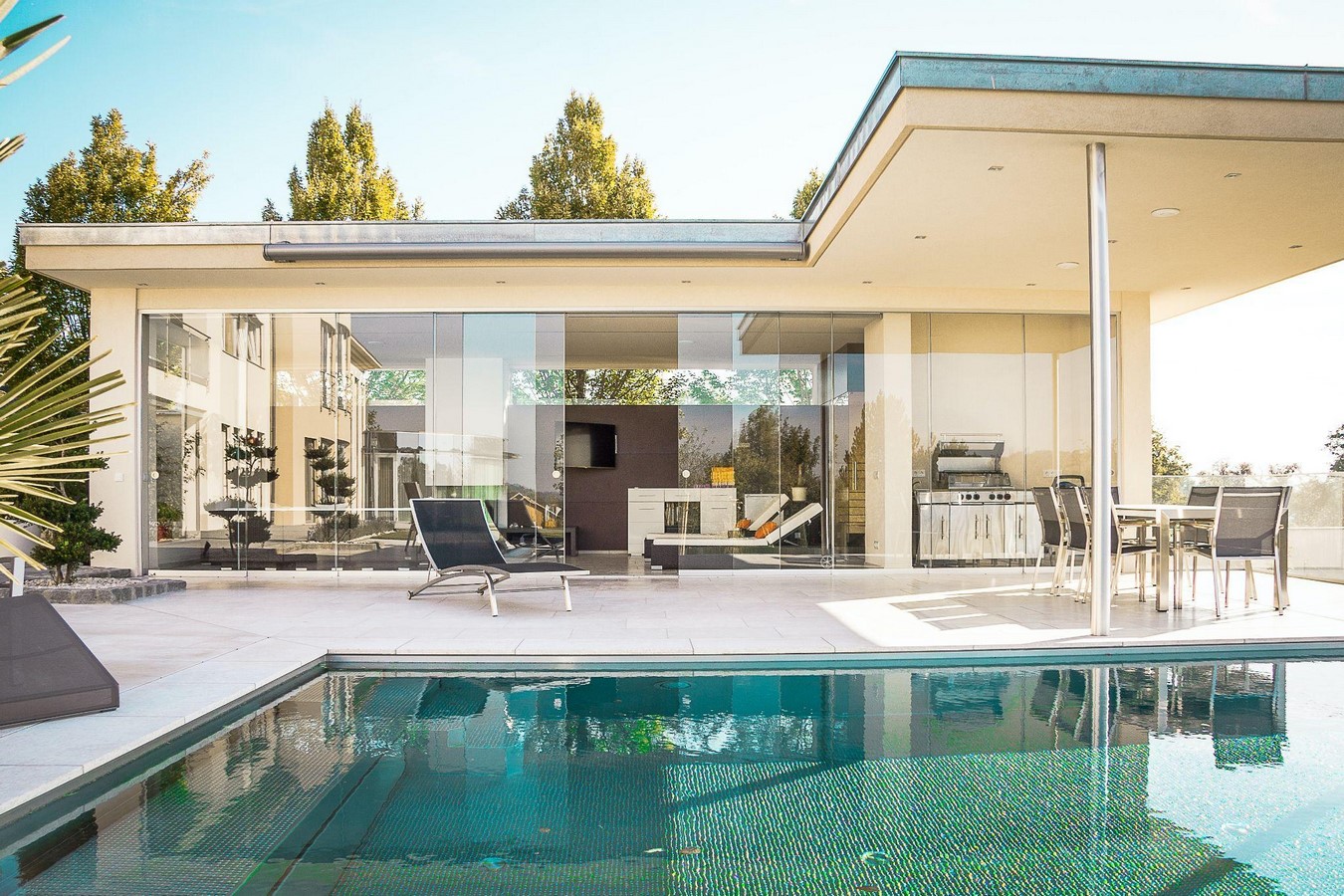
Modernism’s guiding principles are embraced by contemporary architecture, which also reflects the era’s most popular design trends. It is distinguished by clear lines, a minimalist style, and an emphasis on usefulness and effectiveness. Contemporary architecture provides a singular fusion of beauty, refinement, and seamless integration of indoor and outdoor living areas when it comes to luxury dwellings. The emphasis on open floor designs found in modern luxury residences is one of its distinguishing characteristics. Walls are frequently decreased or removed, giving the home a feeling of openness and flow between various rooms. Because of the open design, natural light can flow freely throughout the area, boosting the ambiance and generating a light and airy feeling. While we are talking about the recent trend, technology is a must. Technological innovations improve people’s lives, which is why a prestigious house must have air conditioning systems, security, lighting, intelligent household appliances, etc (Gonzalez).
Integrating outdoor living areas is another priority in modern luxury houses. The lines between inside and outdoors are blurred by the extensive terraces, patios, and planted gardens that are perfectly integrated into the interiors. Modern luxury houses frequently have outside facilities like swimming pools, fire pits, and outdoor kitchens.
Mediterranean Architecture

The pleasant, luxurious, and unhurried atmosphere of a Mediterranean villa was intended to be captured in the homes and structures that we now know as the Mediterranean, widely known as Mediterranean Revival. (“What Is Mediterranean Architecture?”).
Particularly in the 16th and 17th centuries, Mediterranean architecture was influenced by the coastal regions of Spain, Italy, and Greece. Roman, Renaissance, and Moorish architectural elements are harmoniously incorporated into its design. The unusual external design of Mediterranean architecture is one of its primary characteristics. Luxury Mediterranean villas frequently have plaster or stucco facades in earthy tones that mix well with the landscape. The exteriors are given depth and visual appeal by the use of textured walls and arches. The neutral-colored walls stand out sharply against the roofs’ often red clay tiles. The origin of Mediterranean architecture was around the coastal regions of Italy, Greece, Morocco, and Spain which are characterized by the strong influence of the sun throughout the year hence the inhabitants seek to enjoy outdoor spaces, but sheltered from the sun. That is why these outdoor spaces, whether patios, terraces, or solariums, are characterized by being covered, either by metal structures or wooden beams that support cane awnings (Orman).
Georgian Architecture
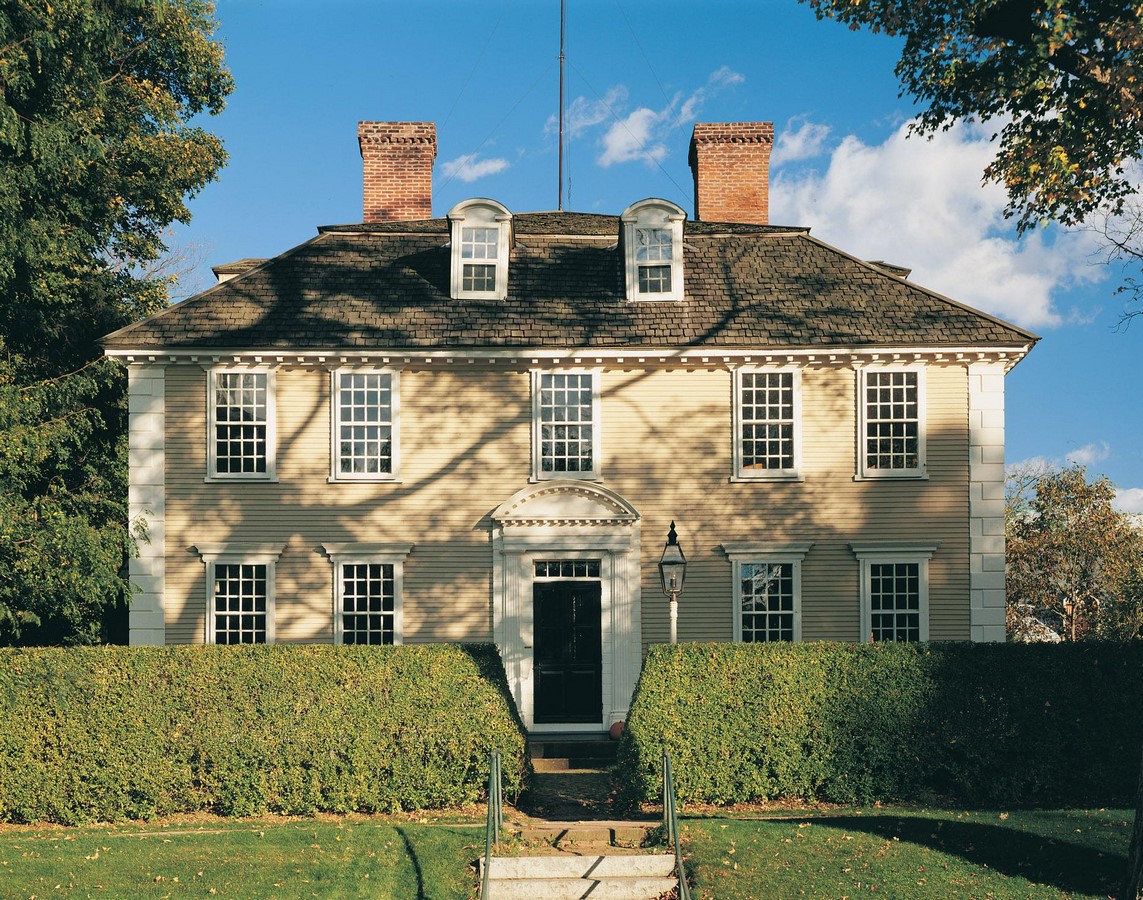
The classic and polished elegance of Georgian architecture, which originated in 18th-century England, continues to captivate admirers today. This style utilized many of the hallmarks of Renaissance design, only losing popularity as architectural tastes began to change with the establishment of the United States and the emergence of the American Federal style (“What Is a Georgian-Style House? | DC, MD & VA Architecture”). The symmetrical façade, properly spaced windows, and elaborate craftsmanship define luxury Georgian architecture. These houses offer both comfort and elegance inside, balancing formal and welcoming areas. Georgian architecture gives a warm and welcoming environment that inspires a feeling of ageless elegance and subtle richness with its towering ceilings, elegant moldings, and opulent finishes.
Luxury Georgian mansions include impressive interiors. High ceilings provide a feeling of grandeur and space and are frequently decorated with ornate moldings and exquisite plasterwork. The rooms are generously sized and frequently include magnificent fireplaces, elaborate chandeliers, and large windows that let in a lot of natural light. The formal living areas, such as the drawing and dining rooms, radiate sophistication and are made to allow opulent entertainment.
Victorian Architecture

Victorian architecture is the term used to describe the architectural movement that was popular in the United Kingdom from 1837 to 1901, under the rule of Queen Victoria. It stands out for its diverse blend of architectural elements, fine craftsmanship, and opulent atmosphere. England’s cities and towns continue to be predominantly characterized by the Victorian architecture that was born there. However, a number of architectural designs from the Victorian era also traveled outside to areas like North America, Australia, and New Zealand, where different nations and regions modified them to match their own preferences, lifestyles, and construction materials (Hohenadel).
The intricate and ornamental detailing of Victorian architecture is one of its distinguishing characteristics. Ornate trim, elaborate moldings, and ornamental accents like corbels, brackets, and finials are used to embellish the exteriors of buildings. In order to enhance aesthetic complexity and appeal, the facades frequently include a range of textures, including textured brickwork or ornamental shingles.
In conclusion, the visual appeal and overall sense of richness in residences are strongly influenced by the architectural styles used in luxury housing. In this article, we looked at a variety of architectural styles, including modern, Mediterranean, Georgian, and Victorian, emphasizing each one’s distinctive qualities in terms of luxury and aesthetics. Modern and opulent living is provided by contemporary architecture, while the tranquility of the seaside is captured by Mediterranean architecture. Victorian architecture impresses with intricate details, while Georgian architecture emits a timeless beauty. Each style accommodates a variety of tastes, offering many options for stunning and individualized living environments. Through design features and attention to detail, architectural styles define the overall attractiveness and add to the sumptuous experience. Architectural styles are used to create customized living spaces that surpass the status of simple residences and represent the pinnacle of elegant and timeless luxurious living in the world of luxury housing.
References:
Gonzalez, Alejandro. “Discover the characteristics of a luxury home. Village Verde.” Village Verde Sotogrande, 21 January 2022, https://villageverdesotogrande.com/characteristics-luxury-home/. Accessed 9 July 2023.
Hohenadel, Kristin. “What Is Victorian Architecture?” The Spruce, 24 February 2022, https://www.thespruce.com/victorian-architecture-4769162. Accessed 9 July 2023.
Orman, Suze. “Mediterranean architecture: Characteristics and advantages – RO-SPAIN.” RO-Spain, 1 April 2022, https://www.ro-spain.com/en/mediterranean-architecture-characteristics-and-advantages/. Accessed 9 July 2023.
“What Is a Georgian-Style House? | DC, MD & VA Architecture.” Wentworth Studio, 25 May 2022, https://www.wentworthstudio.com/blog/what-is-a-georgian-house. Accessed 9 July 2023.
“What Is Mediterranean Architecture?” The Spruce, 17 September 2021, https://www.thespruce.com/what-is-mediterranean-architecture-5072822. Accessed 9 July 2023.