The 21st century has witnessed a profound transformation in the design industry, driven by a significant shift toward promoting health and well-being through space design. This change has been largely influenced by the COVID-19 pandemic, which has spurred the emergence of wellness homes in the luxury and super luxury segments. In parallel, the premium housing category has experienced a reimagining of spaces to strike a balance between work areas and private retreats within the home.
Simultaneously, the latest research on affordable housing has emphasized the importance of thermal comfort for its residents. This growing trend toward sustainability has placed natural lighting and ventilation at the forefront of design considerations. Overall, the pandemic has acted as a catalyst, prompting the design industry to prioritize the health and well-being of individuals by creating spaces that promote wellness, flexibility, and sustainability across various housing segments. Some of the key ways in which this trend has influenced the industry are discussed below.
Increased Focus on User-Centric Design, Adaptable and Flexible Spaces
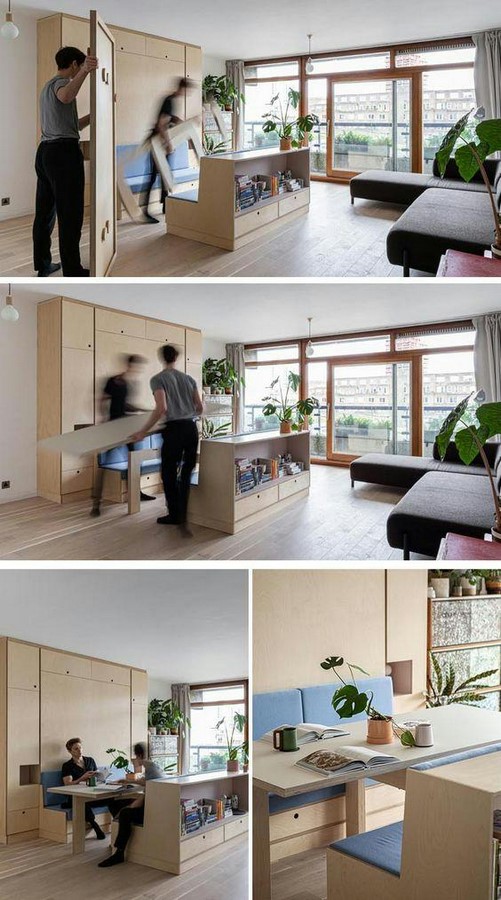
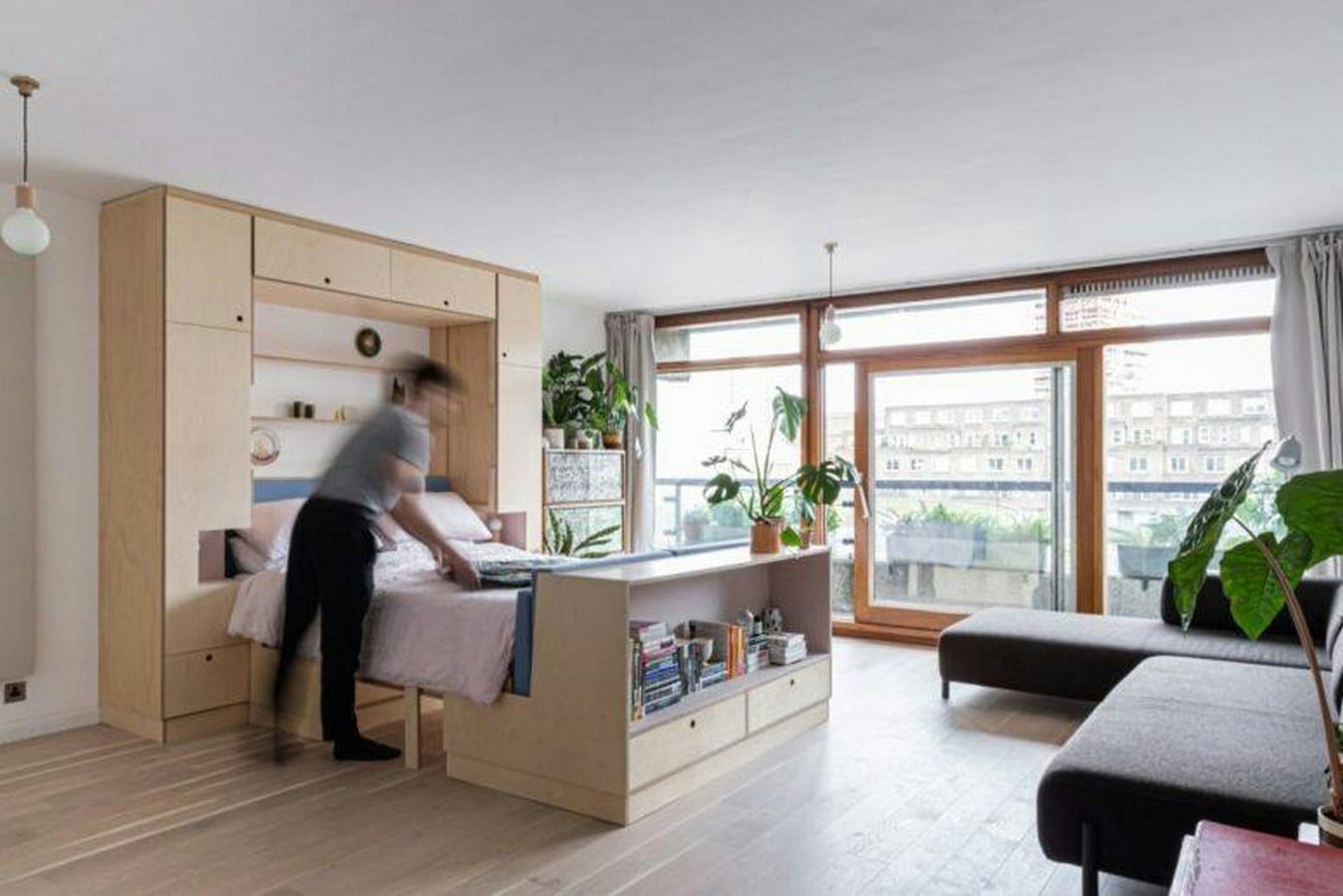
Designers are now placing a stronger emphasis on understanding and meeting the needs of users in terms of health and well-being. They consider factors such as accessibility, comfort, safety, and ergonomics to create spaces that support physical and mental wellness. User research and feedback are integrated into the design process to ensure that spaces are optimized for the well-being of the people using them.
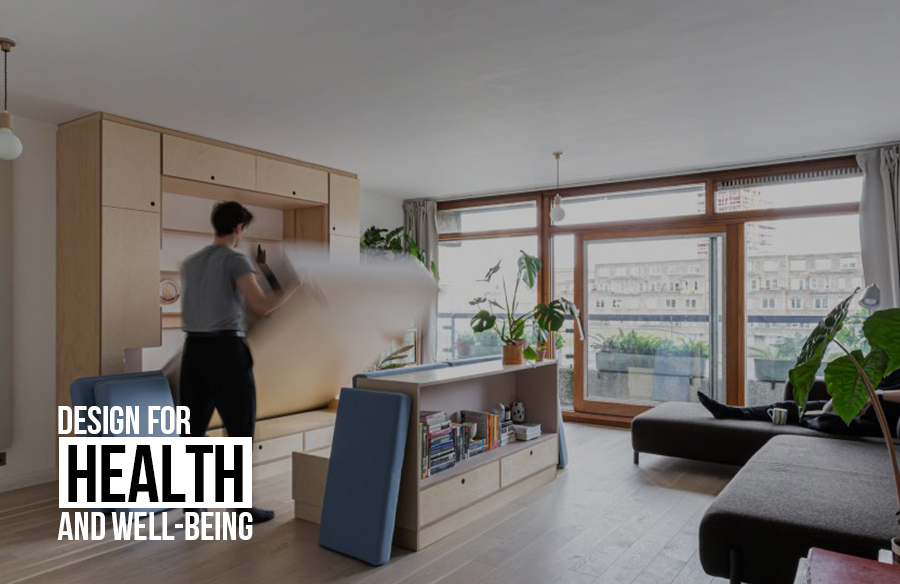
Also, the design industry has witnessed a move towards creating adaptable and flexible spaces that can be easily modified to support changing needs and promote well-being. This has arisen from the new need to include work-from-home home spaces as well as quiet corners in addition to the usual functions of a home. This includes designing spaces that can be easily reconfigured, allowing for different activities and functions. Such spaces promote physical activity, collaboration, and customization to suit individual preferences, leading to enhanced well-being.
Emergence of Wellness Focussed Design Disciplines and Certifications
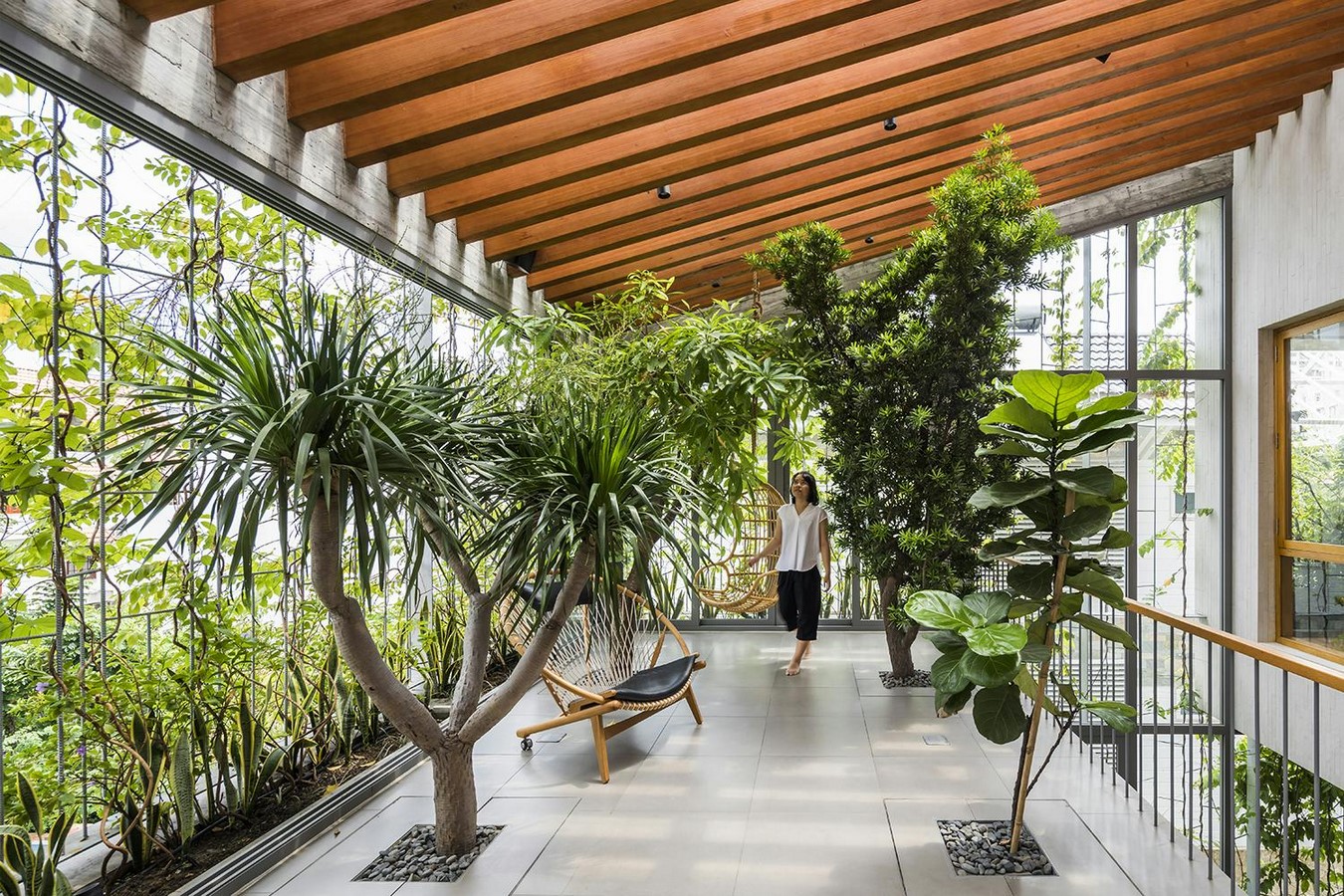
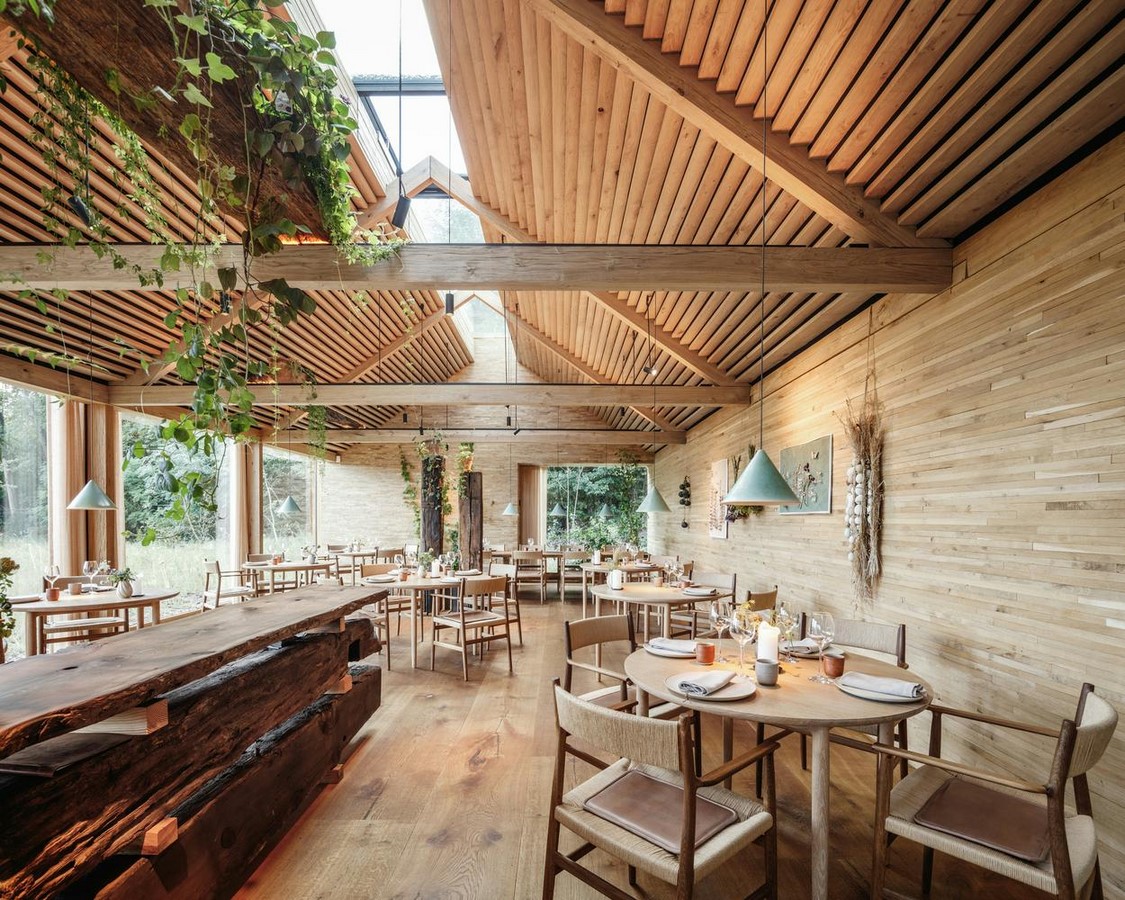
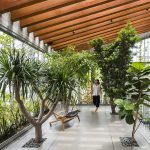
The demand for health-promoting spaces has led to the emergence of specialized design disciplines. For example, evidence-based design (EBD) focuses on creating environments that are informed by research and proven to positively impact health outcomes. Biophilic design incorporates natural elements to enhance well-being. Green spaces and open floor plans which enhance natural lighting and ventilation also aid in creating serene spaces. Sustainable design principles are increasingly intertwined with wellness-focused design, recognizing the interconnectedness between human and environmental health.
Various certifications and standards have been developed to guide and recognize wellness-focused design practices. For example, the WELL Building Standard, Fitwel, and LEED (Leadership in Energy and Environmental Design) have gained prominence, encouraging designers to incorporate health and well-being considerations into their projects. GRIHA and SVA-GRIHA also add to the rating systems in the Indian context. These certifications provide guidelines and benchmarks to ensure that spaces meet specific wellness criteria.
Integration of Technology and Data & Collaboration Between Design and Health Professionals

Advancements in technology have enabled designers to incorporate innovative solutions that enhance health and well-being. From smart homes and wearable devices to sensor-based systems, technology is being utilized to monitor and improve various aspects of wellness within designed spaces. Data analysis and monitoring help designers make informed decisions and optimize spaces to meet specific health goals.The growing interest in designing for health and well-being has fostered collaborations between design professionals and health experts. Architects, interior designers, and urban planners are working closely with healthcare providers, psychologists, and public health officials to develop spaces that have a positive impact on mental and physical health. This interdisciplinary approach ensures that design solutions are grounded in scientific research and evidence.
Sensor-based facade systems, powered by sustainable energy sources, offer a dynamic approach to optimizing natural lighting and ventilation in indoor spaces. These systems use sensors to detect environmental conditions such as sunlight intensity and air quality, allowing for real-time adjustments of the building envelope. By harnessing renewable energy, such as solar power, these facade systems reduce energy consumption and reliance on fossil fuels. This integration of technology not only enhances the comfort and well-being of occupants but also promotes energy efficiency and reduces the overall environmental footprint of buildings. Ultimately, these sustainable solutions contribute to a more harmonious and eco-friendly built environment.
Conclusion
The COVID-19 pandemic has brought about significant changes not only in the residential sector but also in healthcare facilities and hospitals. The outbreak of the virus has necessitated swift and extensive adaptations to ensure the safety and well-being of both healthcare professionals and patients. Hospitals and healthcare facilities have implemented rigorous infection control measures, such as enhanced cleaning protocols, mandatory use of personal protective equipment (PPE), and the establishment of dedicated COVID-19 units and testing centers. Telemedicine and virtual consultations have also become more prevalent, allowing patients to receive medical advice and treatment remotely like Reside Health, reducing the risk of exposure to the virus.
The pandemic has highlighted the importance of agility and innovation in healthcare settings, leading to lasting changes that aim to improve patient care and safety in the face of future health crises. Overall, the growing interest in designing for health and well-being has transformed the design industry in the 21st century. It has spurred innovation, increased collaboration, and elevated the importance of human-centric design, resulting in spaces that promote mental and physical wellness for their occupants.
Reference
- Eric Baldwin. Designing Wellness: What is the Future of Home in a Post-Pandemic World? Building healthy homes that promote physical and mental wellbeing.[online]. Available at:https://architizer.com/blog/inspiration/industry/designing-wellness-post-covid/ [Accessed date: 13 June 2023].