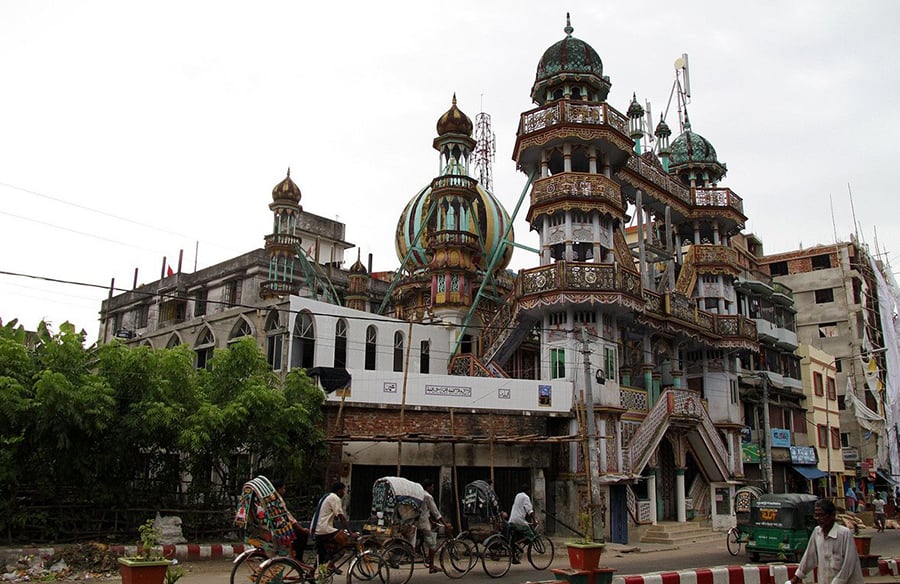
Chittagong is an important city located in Bangladesh. It is one of the major commercial and administrative hubs of the country and the second-largest city after the capital. Chittagong is distinctive geographically since it is located on the banks of the Karnaphuli River and is flanked by magnificent hills and the Bay of Bengal. It has been an important trading centre for ages, dating back to the 4th century BCE. Many empires and civilisations, including the Maurya Empire, the Gupta Empire, the Sultanate of Bengal, the Mughal Empire, and the British Raj have influenced it.
In this article, we shall delve into the city’s architectural heritage and explore more about the history and cultural heritage of the place. Chittagong’s architectural environment includes a mix of historical architecture, colonial-era structures, and new developments. The city’s rich architectural legacy reflects the influences of numerous times and civilisations that have moulded its identity over time. Chittagong has several well-known architectural marvels that reflect the city’s rich history and cultural heritage. Here are a few noteworthy examples:
Anderkilla Mosque
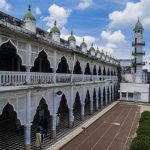
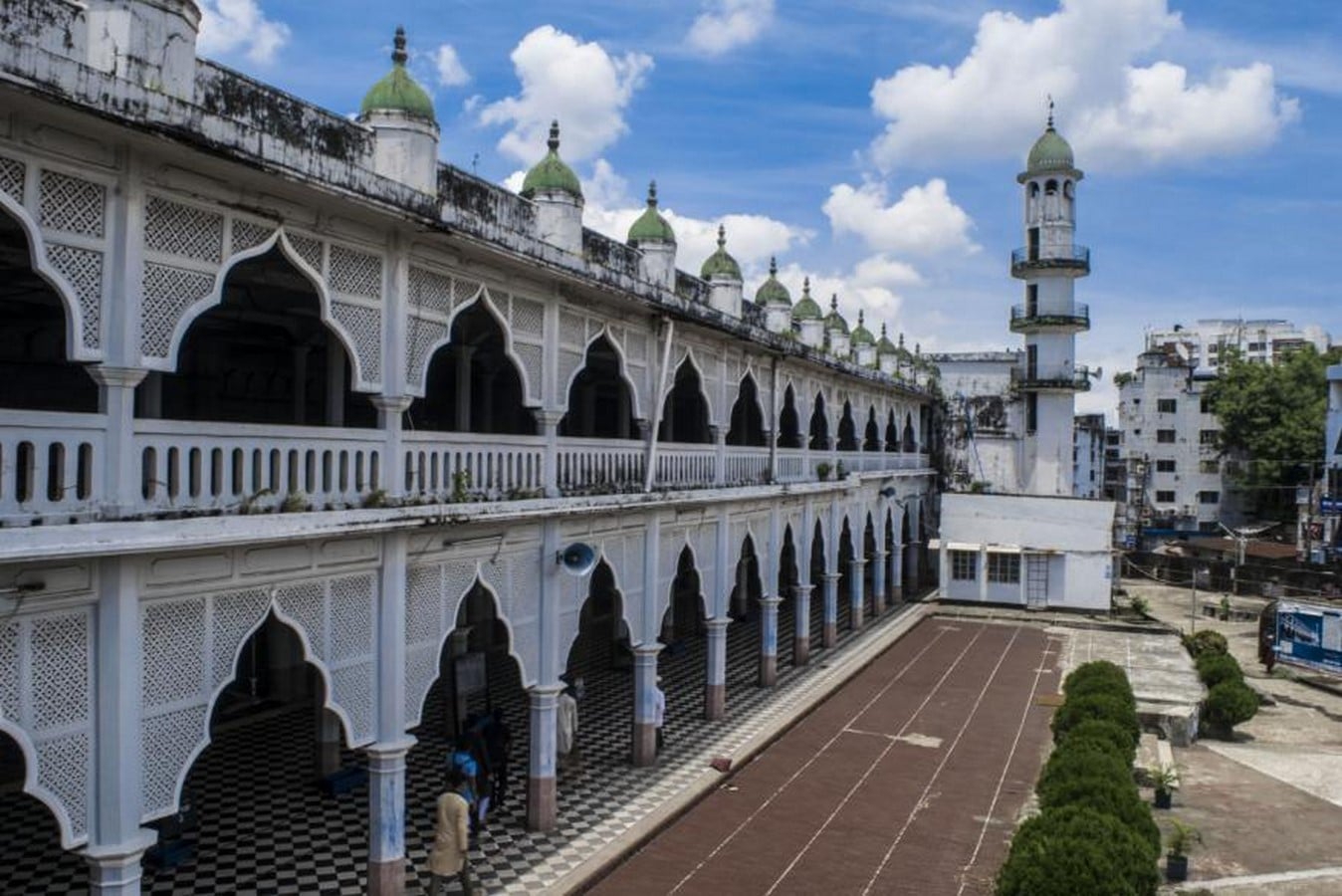
This mosque, also known as Chhota Masjid or Kadam Mubarak Mosque, is one of Chittagong’s oldest surviving constructions. It was one of the earliest buildings to be built during the Mughal period and boasted stunning Mughal architectural elements such as delicate terracotta decorations and ornate domes. “Anderkilla” literally translates to “Inner fort” and is built on top of a hill.
The Persian inscriptions on the mosque indicate that it was erected in 1667 by the Subahdar of Bengal, Shaista Khan. The mosque is thought to have been built by Shaista Khan’s eldest son, Buzurg Umed Khan. He had also conquered Chittagong. However, his name is not included on the inscription. This mosque was empty long before British officials utilised it to store weaponry and ammunition in 1761. The Muslim aristocracy of Chittagong, led by Hamidullah, reached out to the British Government in 1853 and successfully obtained permission to use the mosque for religious purposes in 1855.
The Mughal-era mosque’s structural design is comparable to that of Delhi’s Jama Masjid. Every mosque wall is 2.50 yards thick and 30 feet above the ground on a hilltop. The mosque’s western wall was constructed out of terracotta, while the other three walls were stone. The beautiful mosque’s roof is adorned with three domes.
Chatteshwari Temple
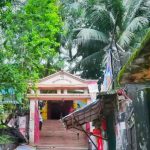
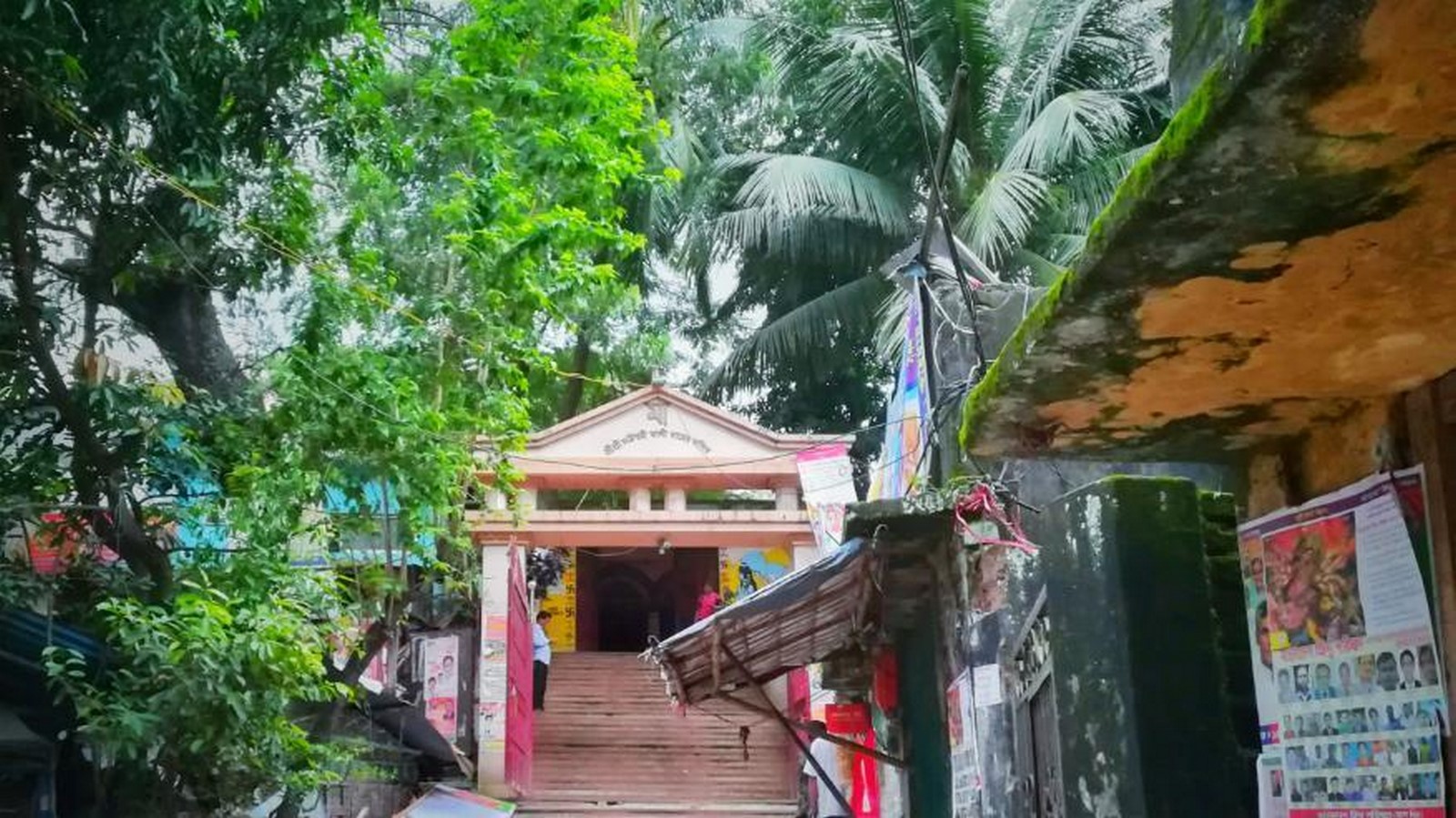
Sree Sree Chatteshwari Kali Temple is a Hindu temple dedicated to the Goddess Kali in the heart of Chittagong, Bangladesh. It is regarded as one of the Shakti Peethas. Chattogram is claimed to be derived from the word Chatteshwari devi of Chatteshwari Temple. The story of Daksha Yaga and Sati Devi’s self-immolation, and Shiva carrying her corpse, resulting in the falling of body parts as he travelled, is the source of the Shakti Peethas. Shakti Peethas are shrines where Sati Devi’s bodily remains were found.
During the Bangladesh liberation struggle, the Pakistani army damaged this temple. The Chakraborty family restored the temple. The former idol was fashioned of neem wood and was almost destroyed during the battle. After the war, a member of the Chakraborty family saved only the upper section of the idol. The half-neem wood idol remains in the temple. After the war, the family repaired the temple and erected a new statue, which was created in Benaras and flown to the temple from India by a Chakraborty family member named Tarapada Adhikary, also known as Tarapada Chakraborty. Tarun Kanti Ghosh and his family, an ex-West Bengal politician, sponsored the statue.
Chandanpura Mosque
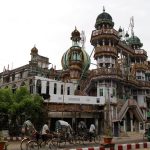
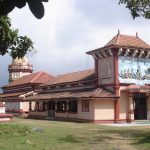
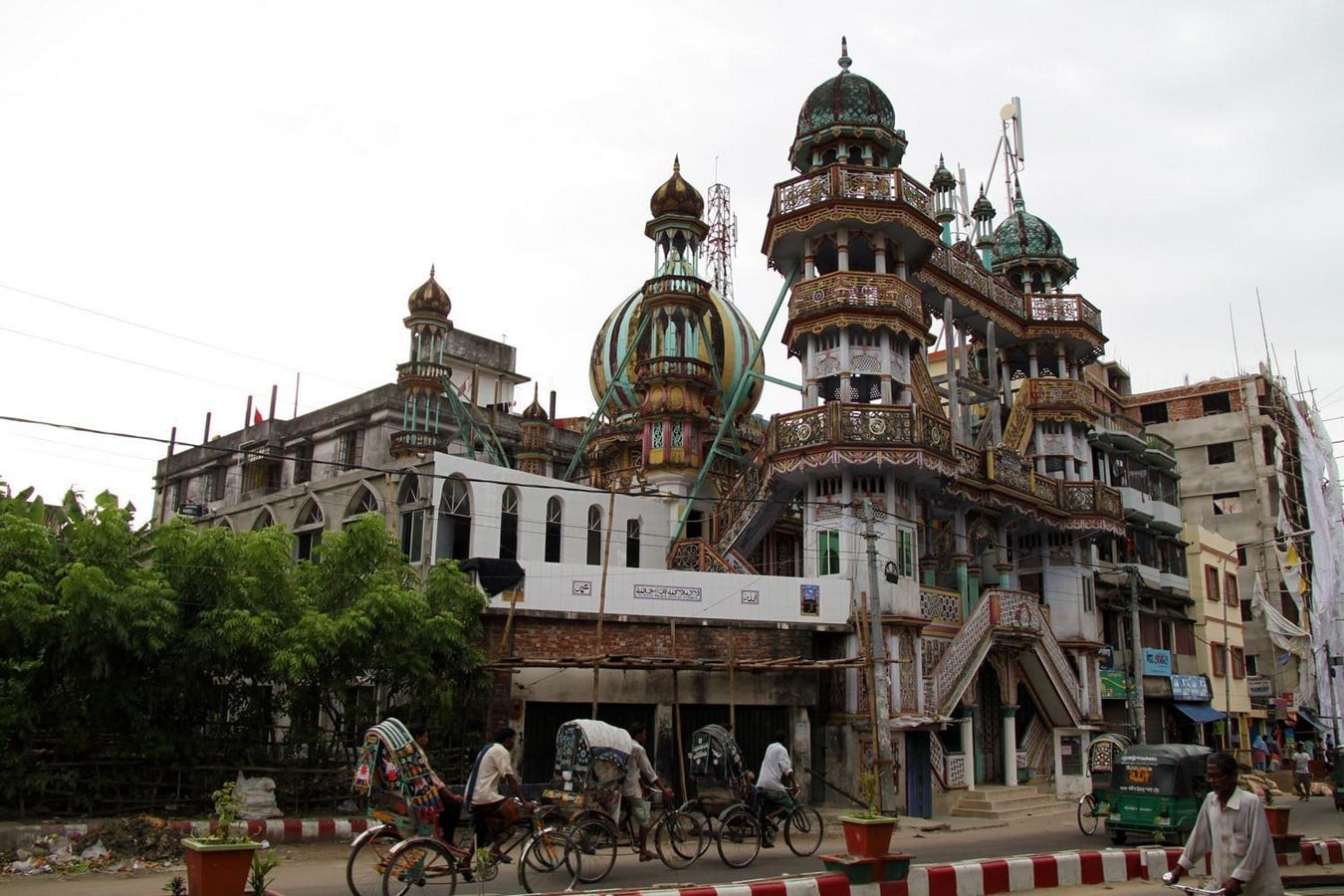
The Chandanpura Masjid is a mosque in Chittagong’s old quarter (north) on Bangladesh’s Nabab Siraj ud-Daulah road. It is a renowned tourist destination in Chittagong because of its spectacular architecture, which includes several domes and minarets painted in various colours. Despite being refurbished in 1952, the mosque has deteriorated over time due to environmental issues such as air pollution. Little is known about the mosque’s origins and history except for local historians. Historians believe it was built in 1870 by a contractor named Master Abdul Hamid. The mosque was originally named as Hamidia-Taj-Masjid after its construction. The work was done by builders and architects from Lucknow and Mumbai (India). Two staircases zigzagging to the tops of two minarets on both sides of the two-story tower with an entrance in the middle. The stairwell railings are ornamented with multicoloured floral motifs. Both minarets are approximately seven stories tall. There are five domes in total, with a big onion dome in the centre surrounded by structures carefully made to look like petals.
Chandranath Temple
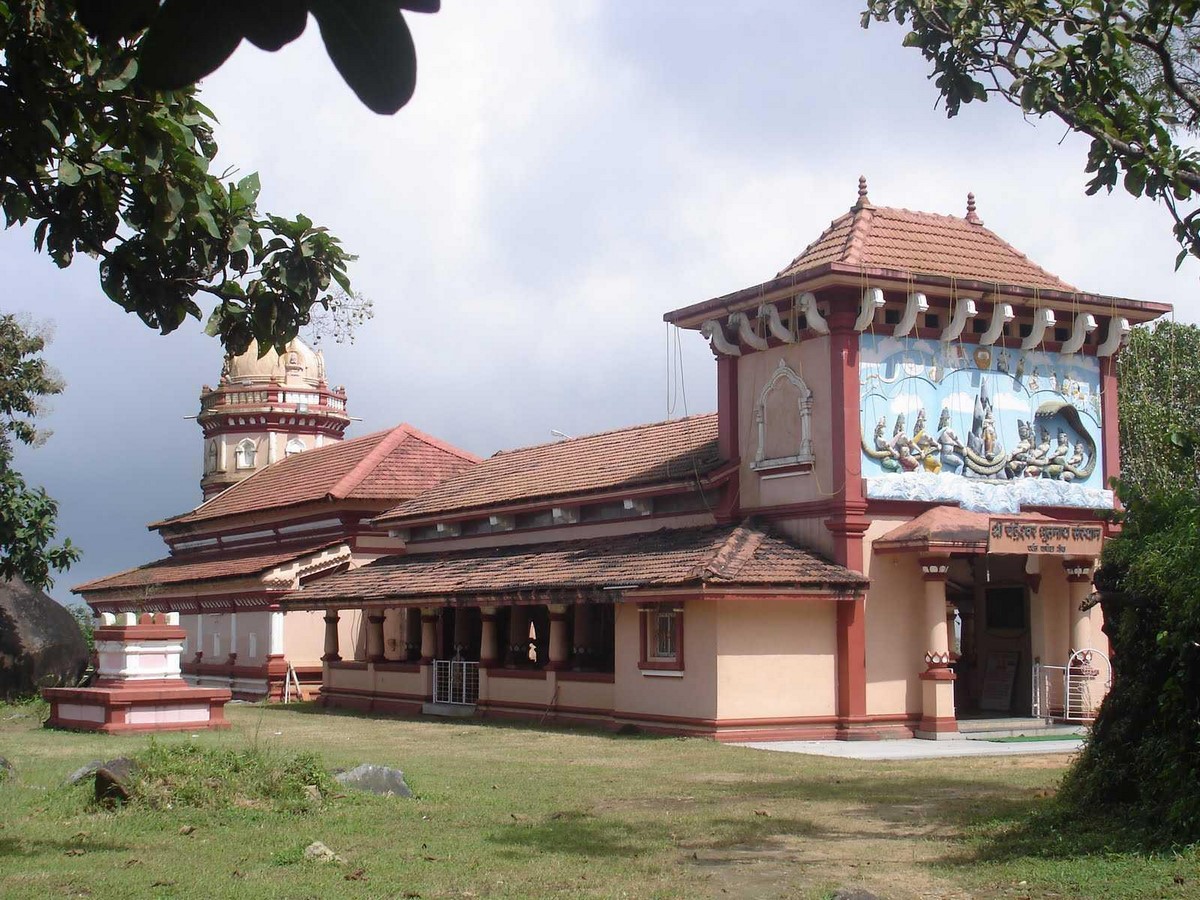
The Chandranath Temple (Chandronath mondir) is a prominent Shakti Peeth located near Sitakunda in Bangladesh where, according to Hindu sacred writings, Goddess Sati’s right arm fell. Hindus visit Chandranath Temple as a pilgrimage place. It stands approximately 1,020 feet (310 meters) above sea level. According to the Rajmala, around 800 years ago, Raja Biswambhar Sur, a descendant of the renowned Adisur of Gaur, attempted to reach Chandranath by water. The Nigamkalpataru relates to the poet Jayadev, who lived in Chandranath for a period. Chandranath had acquired various endowments by the time of Tripura’s ruler, Dhanya Manikya. Dhanya Manikya attempted but failed to remove the Shiva deity from the temple to his realm.
The Chandranath Temple is a Shakti Peetha, one of Shaktism’s most respected temples. The founding mythology of Shakti Peethas is the legend of Daksha yaga and Sati’s self-immolation. Shakti Peethas are celestial Shakti temples formed by the falling of body parts of Sati Devi’s corpse while Lord Shiva carried it and walked around Aryavartha in sadness. There are 51 Shakti Peeth, which correspond to the 51 alphabets of Sanskrit. Shakti and Kalabhairava have shrines in each temple. Sati Devi’s corpse’s right arm is thought to have fallen here. Bhavani is the name given to Shakti.
Zia Memorial Museum
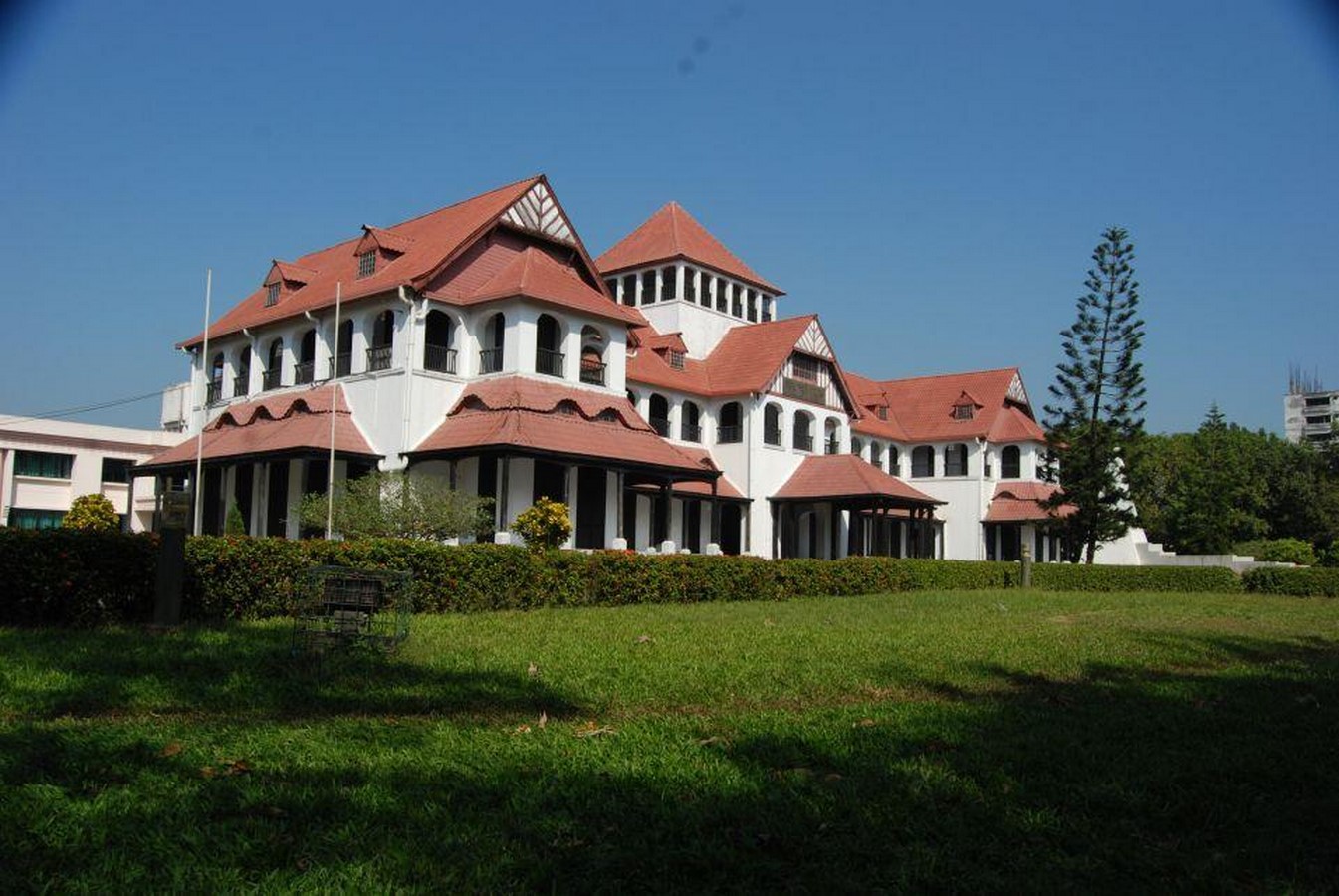
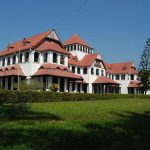
The Zia Memorial Museum, commonly known as the Old Circuit House, was a circuit house. In 1981, Ziaur Rahman, Bangladesh’s seventh president, was assassinated at the building. It is now a museum. It is located in Chittagong, Bangladesh.
The British Raj authorities erected the circuit house in Chittagong City in 1913, which served as a residence for government officers. On 5 June 1954, seven years after the foundation of the state of Pakistan, the newly constructed transmitting centre of Radio Pakistan in the city began its voyage from this edifice. The Pakistan Army chose Chittagong Circuit House as their military base during the 1971 freedom struggle. They turned numerous rooms in the building into torture chambers. In these rooms, Bengalis were tortured.
Ziaur Rahman’s life is displayed in 17 galleries, with at least 150 visitors daily. The museum preserves the location of Ziaur Rahman’s death and the wall where the bullet struck when the Colonel shot Zia. A copy of his mausoleum, his items, and the stretcher that carried Zia’s body are all on display. This museum houses the microphone used by M. A. Hannan and Zia to broadcast the Proclamation of Bangladeshi Independence from the Kalurghat Radio Centre.