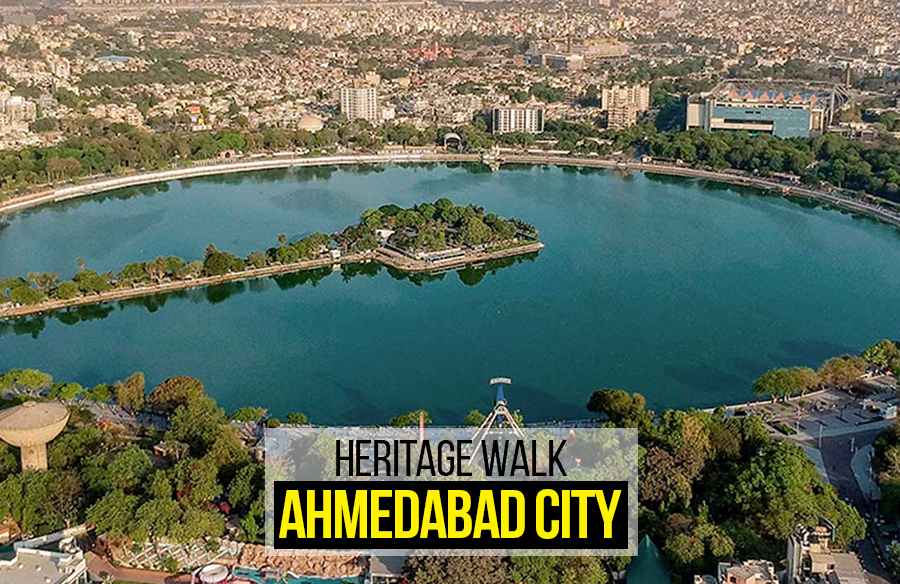
A heritage walk is a guided tour that takes you through a historical or cultural area, highlighting its architectural, artistic, and cultural landmarks. The walk is usually led by a guide knowledgeable about the area’s history, providing insights and interesting anecdotes about the various landmarks you pass.
The purpose of a heritage walk is to help you gain a deeper understanding of the area’s past and its cultural significance. These walks are often organised in areas with rich history and cultural heritage, such as old cities, historical monuments, and ancient temples.
Heritage walks can be a fun and educational way to explore a city or town. They provide an opportunity to learn about the area’s history and culture while enjoying the sights and sounds of the place. They can be customised to suit different interests, such as architecture, art, or food, and can be done alone or with a group.
Some tips for enjoying a heritage walk include wearing comfortable shoes and clothing, carrying a water bottle and a camera, and being prepared for the weather. It’s also a good idea to do some research beforehand to learn about the area’s history and cultural significance, so you can appreciate the landmarks you see on the walk.
Heritage Walk: Ahmedabad City
Ahmedabad is a vibrant city with a rich cultural and historical heritage. A heritage walk in Ahmedabad allows one to explore the city’s fascinating past, architecture, and vibrant present. This article will take you on a virtual heritage walk through Ahmedabad and highlight some must-see sights.

We will start our walk at the Sabarmati Ashram, located on the banks of the Sabarmati River. This ashram was home to Mahatma Gandhi during the Indian freedom struggle, and it was from here that he launched the famous Dandi March in 1930. The ashram has been preserved as a museum and is a testament to Gandhi’s life and teachings.

From Sabarmati Ashram, we will make our way to the Sidi Saiyyed Mosque, located in the heart of the city. This mosque was built in the 16th century and is famous for its intricate stone carvings, especially the Tree of Life motif on its western wall. The mosque is an excellent example of the fusion of Hindu and Islamic architectural styles.
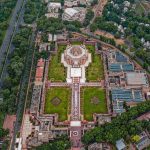
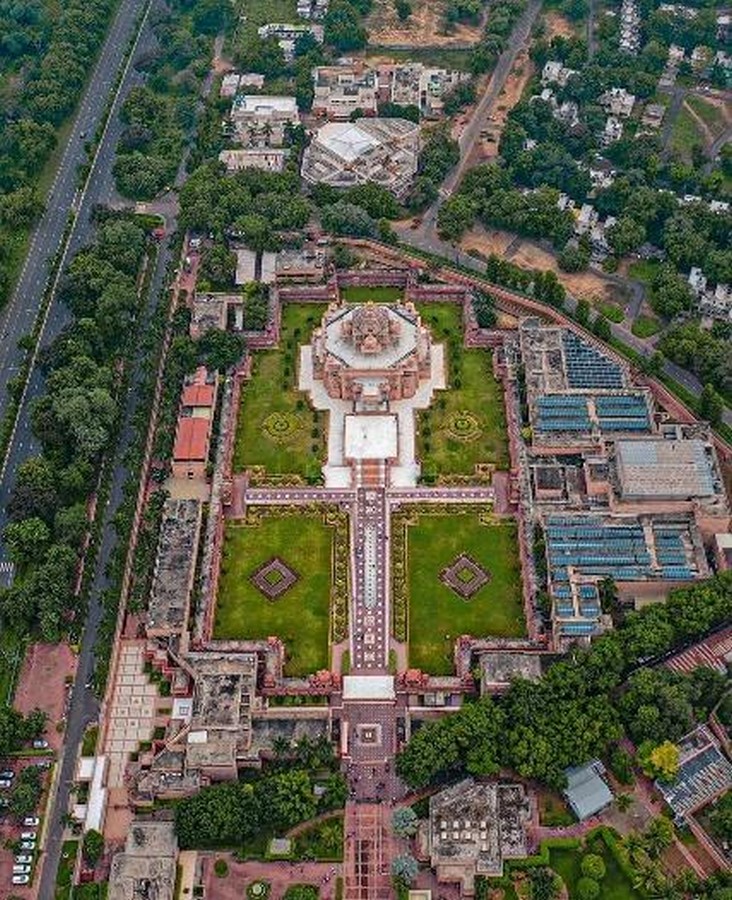
Our next stop is the Swaminarayan Akshardham, a magnificent temple dedicated to Lord Swaminarayan. The temple’s architecture blends traditional Gujarati and modern styles, and it is known for its intricate carvings and sculptures. The temple also features a multimedia exhibition on Indian culture and history.
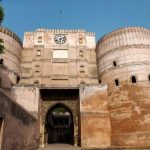
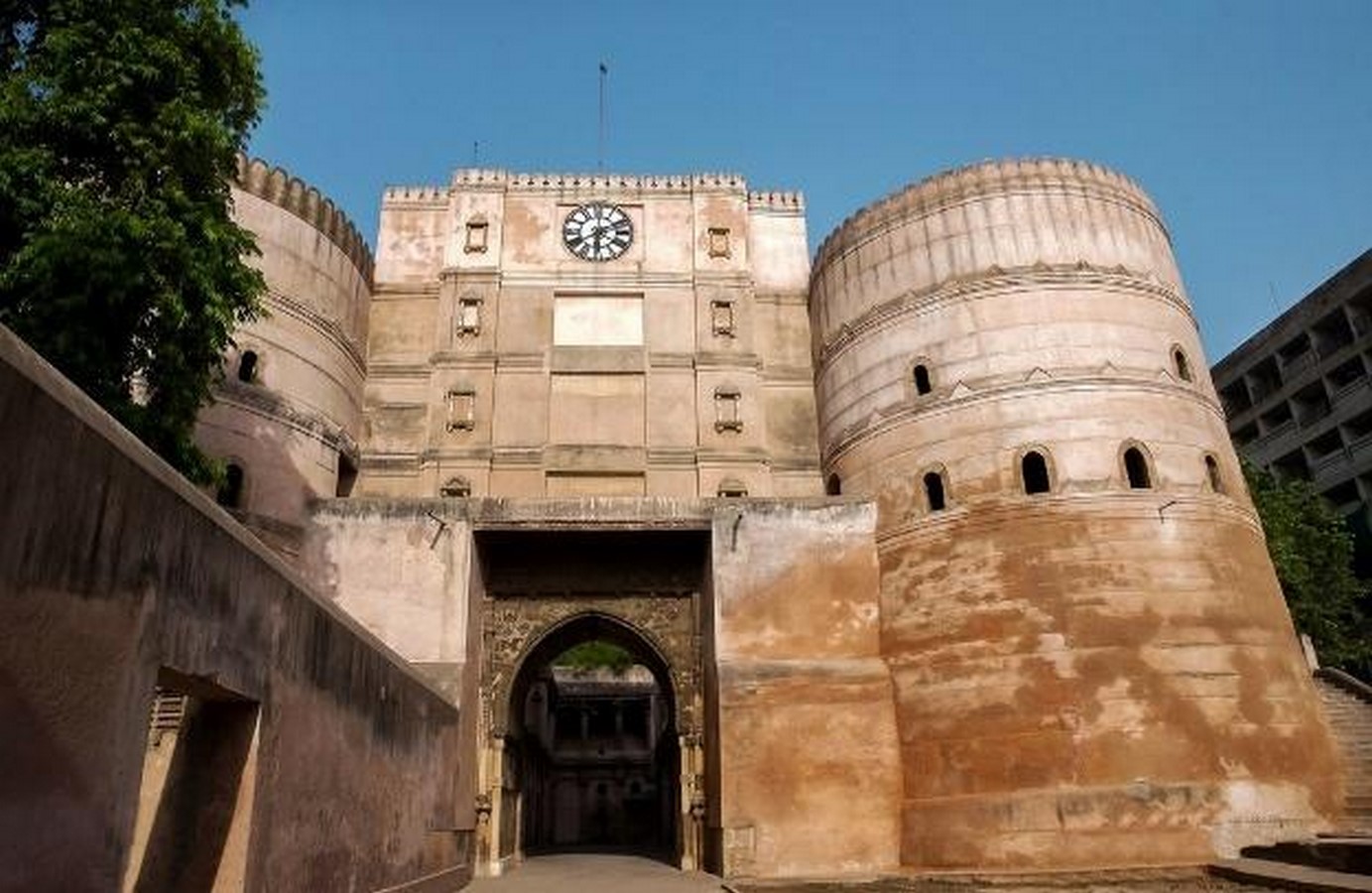
From Swaminarayan Akshardham, we will head to the Bhadra Fort, a historic fort and palace Sultan Ahmad Shah built in the 15th century. The fort served as the city’s centre of governance and is now home to government offices and a museum. The fort’s architecture is a mix of Hindu and Islamic styles, and it is a must-visit for history buffs.
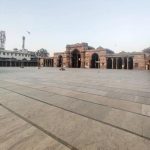
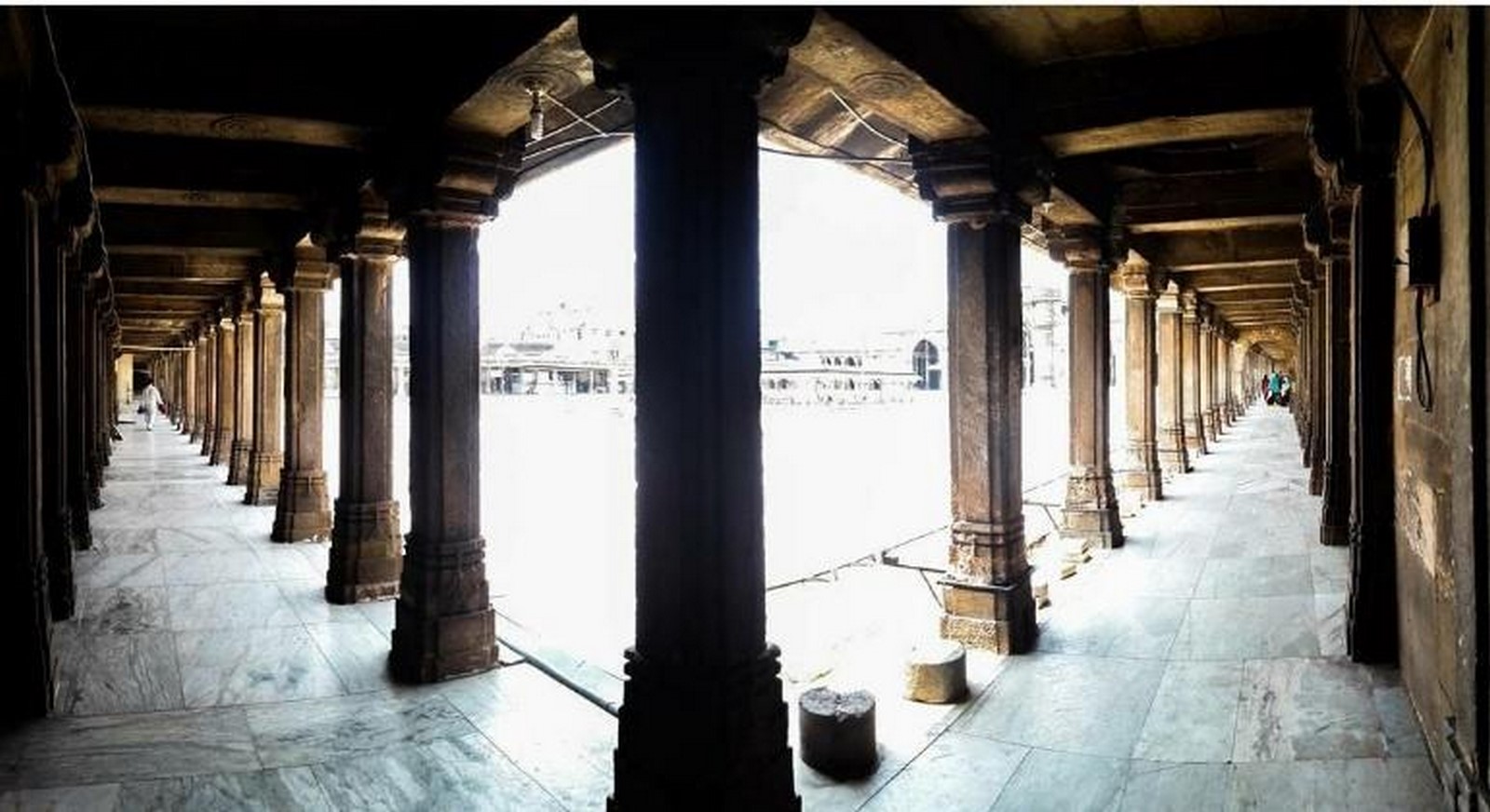
Our next stop is the Jami Masjid, a grand mosque Sultan Ahmad Shah built in the 15th century. The mosque’s architecture is a stunning example of Indo-Islamic architecture, with its impressive domes, minarets, and stone carvings. The mosque’s courtyard can hold up to 25,000 people, making it one of the largest mosques in India.
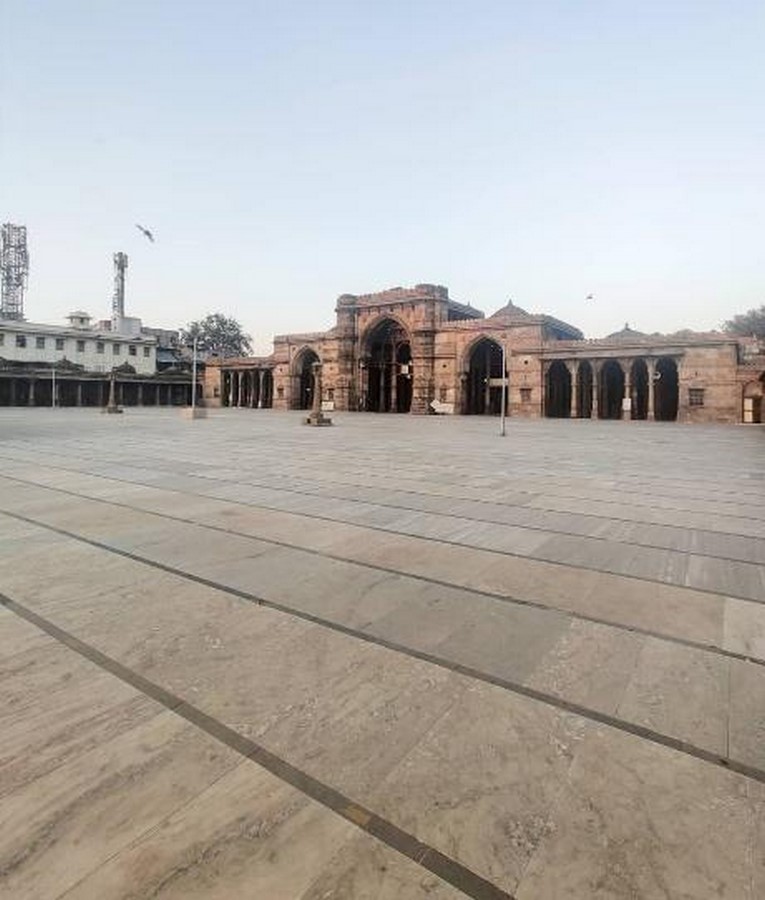
Next, we will head to the Kankaria Lake, a man-made lake built in the 15th century by Sultan Qutubuddin. The lake is popular for picnics, boating, and other recreational activities. It also houses a zoo, a water park, and a garden.

From Kankaria Lake, we will make our way to the Calico Museum of Textiles, which is one of the world’s finest textile museums. The museum’s collection includes rare and exquisite textiles from all over India, ranging from ancient artefacts to contemporary designs.
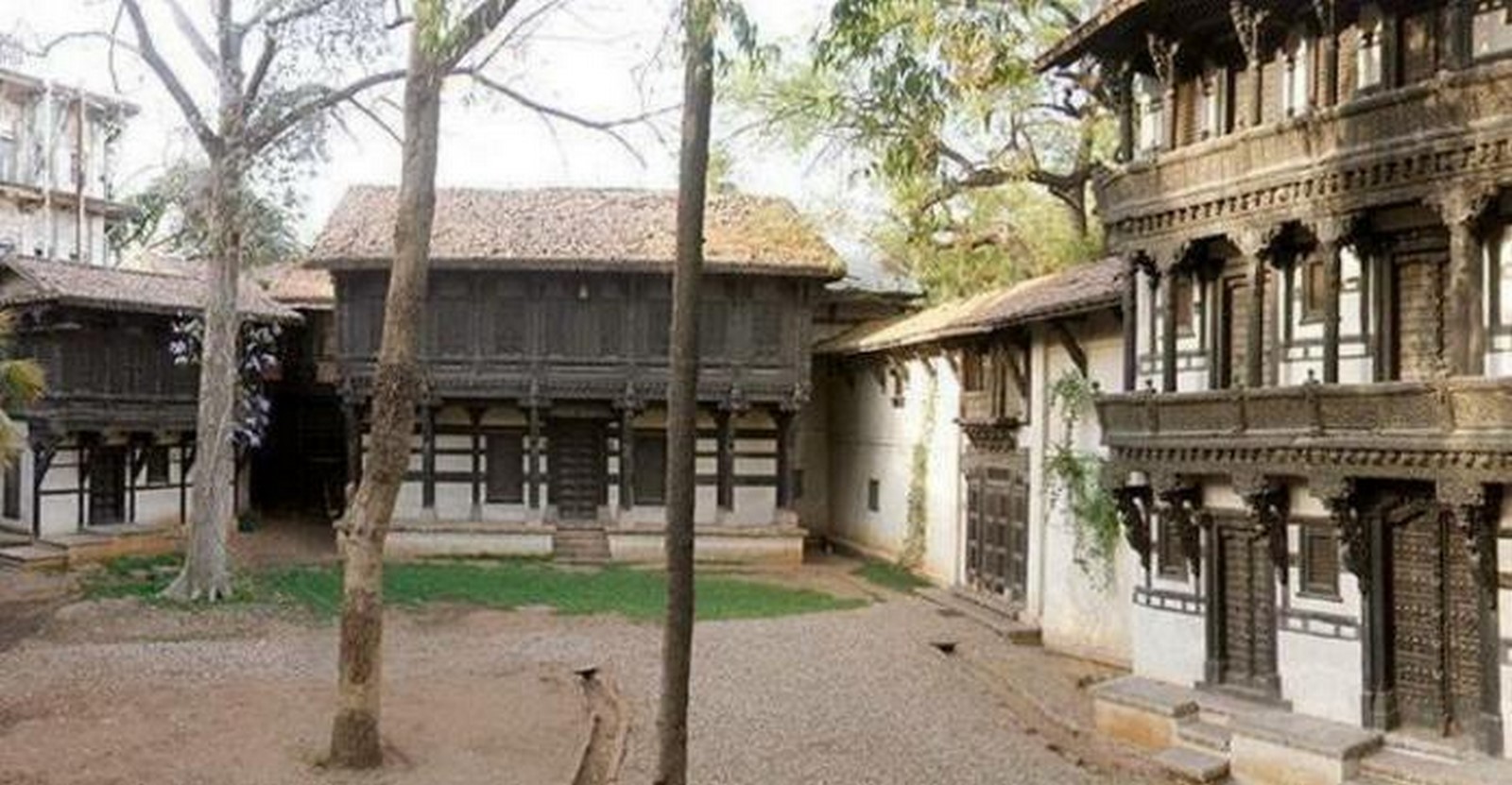
Our final stop on this heritage walk is the Sarkhej Roza, a complex of monuments and tombs built in the 15th century. The complex is an excellent example of Islamic architecture and features a blend of Hindu and Islamic styles. The tombs are the final resting place of several Sufi saints, and the complex is a popular spot for both locals and tourists.
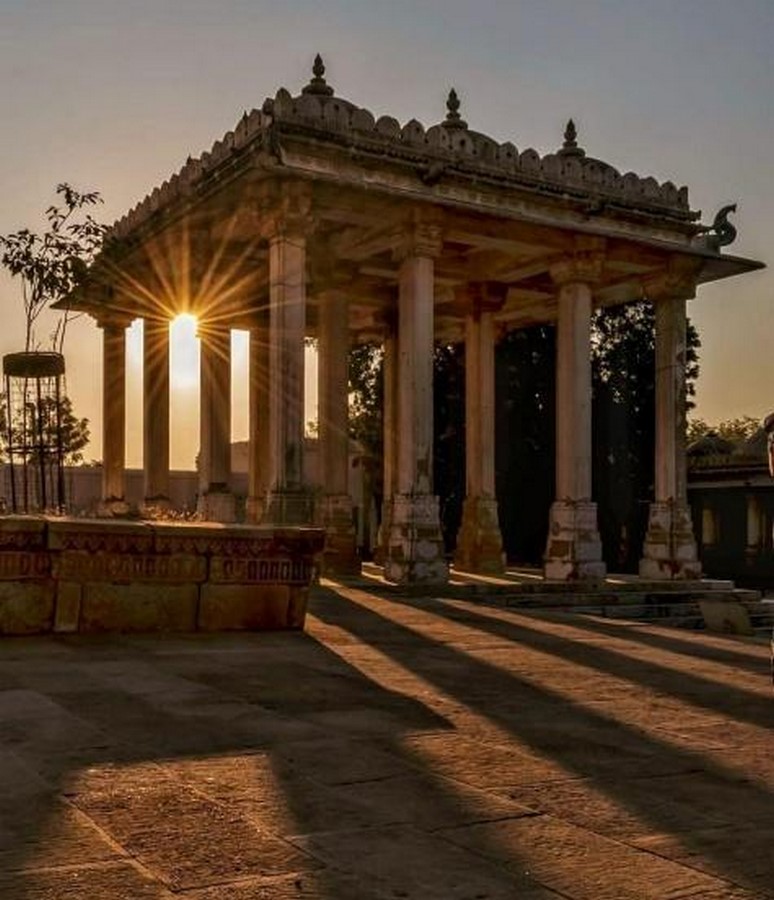
In conclusion, Ahmedabad is a city with a rich and diverse cultural heritage, and a heritage walk is an excellent way to explore and experience the city’s history and architecture. From the Sabarmati Ashram to the Sarkhej Roza, there is something for everyone on this walk, and we hope that this article has inspired you to visit Ahmedabad and discover its many treasures for yourself.
References:
Author.