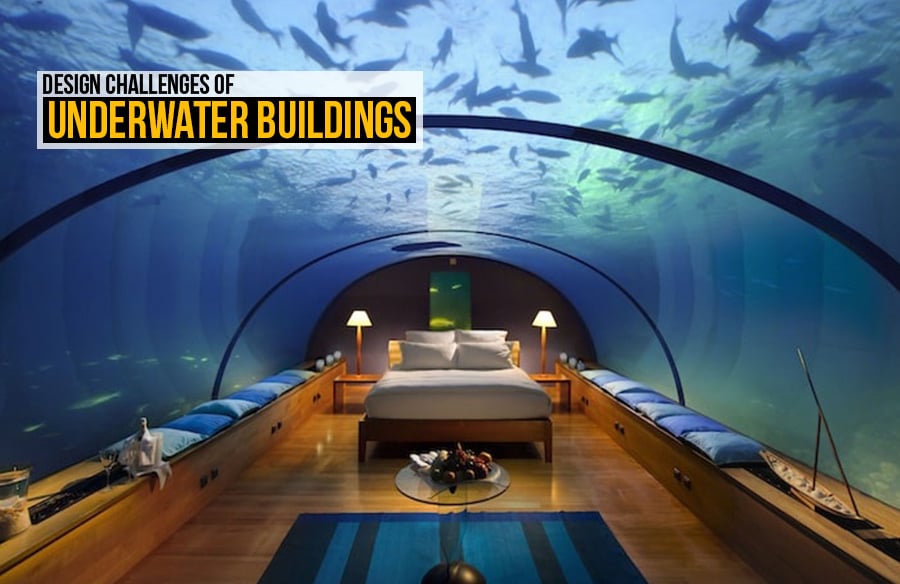
Earth’s surface is covered with 71% of water. With the increasing earth’s population, buildings have grown higher and higher. Cities are speckled with cranes constructing new and magnificent skyscrapers. With the growing urbanization patterns within the city and diminishing spaces in the town, people are looking forward to building cities under the water.
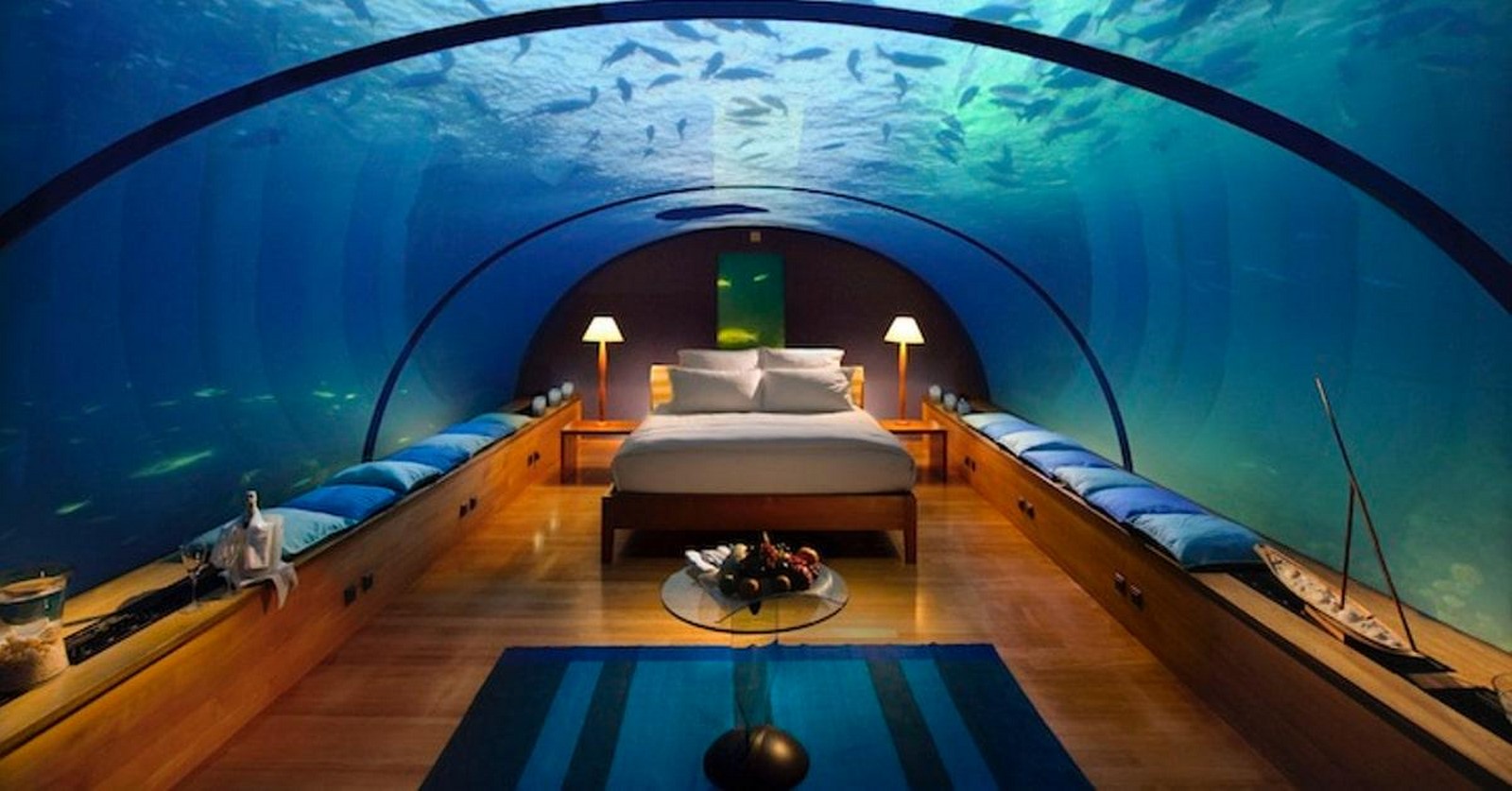
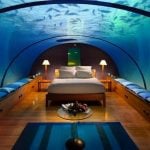
Humans have already explored underwater construction for a long time. Many construction techniques already exist, and people also look forward to living underwater. With the awareness and environmental concern mounting over the impact of human activity, many of these structures are designed to help people appreciate the importance of marine ecologies. Many structures like resorts and holiday homes have already been constructed underwater for people to get a taste of marine life.
Building underwater requires a lot of considerations due to the challenging environment. Structures must withstand corrosion, water pressure, and water currents to sustain underwater. It is also essential to consider the environmental impacts that may affect marine ecology before, after, and during construction.
Challenges Faced
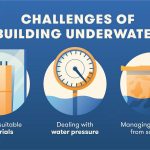
Underwater construction requires materials that can easily face water pressure and withstand corrosion. It is essential to select anti-corrosive materials with protective coatings that require regular maintenance to degrade. It is essential to consider the diver’s safety as they perform tasks like inspection, welding, and construction. Underwater visibility is another challenge due to factors like water turbidity and darkness. This makes it challenging for the divers to perform tasks accurately. Underwater lighting systems are considered to improve visibility.
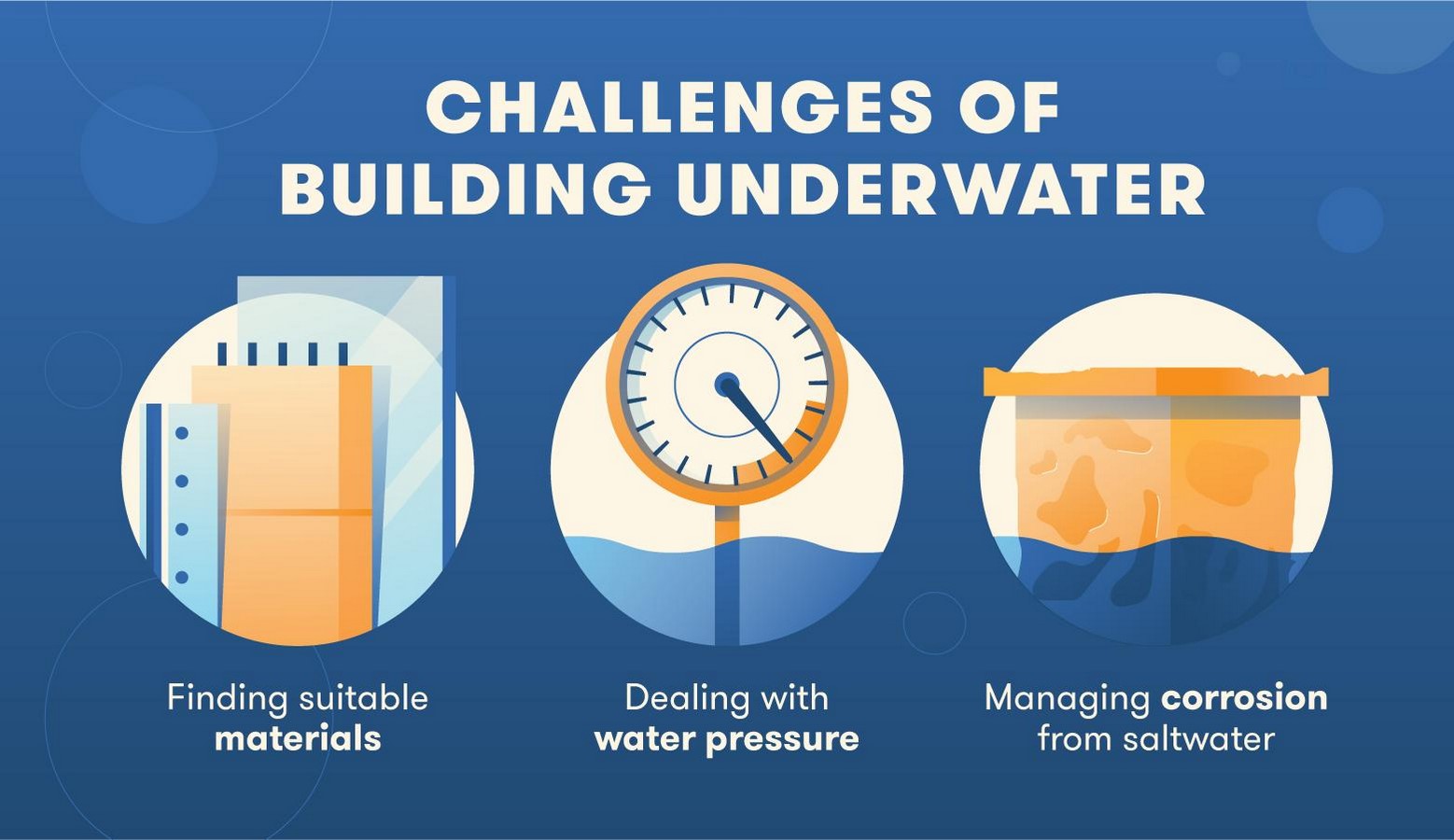
Accessing and transporting materials can be challenging logistically as specialised vehicles and equipment are required for transportation. Underwater construction requires specialised techniques such as modular construction or prefabrication. Communication lies an important challenge in underwater construction. Divers and construction teams must rely on hand signals, visual cues, and other equipment like underwater radios and dive helmets. All these lead to an increase in construction costs. Underwater structures require regular maintenance and repairs, which can be expensive. Specialised techniques and equipment are required to address such issues.
Despite these challenges, underwater construction continues to advance with the unique challenges of marine ecology.
Construction Material
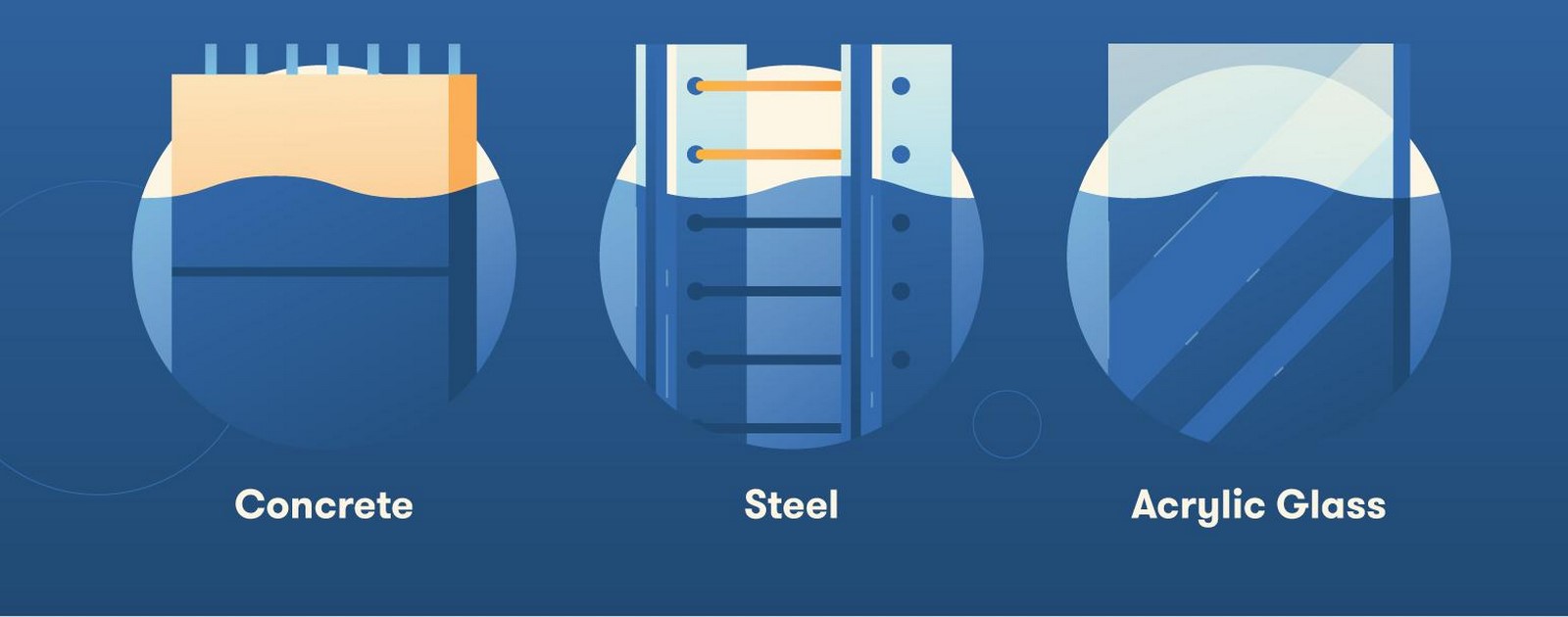
Underwater construction requires materials with high structural integrity that can sustain technical complexities and withstand the effects of waves.
Concrete: This is widely used underwater as it is durable and can withstand water pressure. It can create foundations, columns, and other structural elements. Special marine-grade concrete can also be used as it has better resistance qualities.
Steel: Steel is used underwater as it can withstand water pressure. Steel pilings and sheet piles are often used with special coatings and cathodic protection systems.
Fiberglass Reinforced Plastic (FRP) combines fibreglass reinforcement and a plastic resin matrix. It has excellent corrosion resistance and is used to make pipes, tanks, and panels.
High-Density Polyethylene (HDPE): This material is lightweight and flexible, making it suitable for underwater cables and floating structures.
Aluminium: It has good corrosion resistance making it suitable for underwater construction. This is often used to make pontoons, floating structures, and submerged components. Proper coatings can be provided to extend its longevity.
Epoxy Resin: This versatile material is used for coatings, adhesives, and sealants. It helps in the bonding of materials and strengthens concrete.
Polymer Concrete: A composite material that combines aggregates and a polymer resin binder. It improves resistance to chemical corrosion and is used for sewage pipes, manholes, etc.
Titanium: As it has exceptional corrosion resistance, it is used in deep-sea research vessels and where high strength and resistance are required.
The selection of materials usually depends upon the project’s requirements. These may include water depth, water chemistry, and the expected service life of the structure.
Underwater Construction
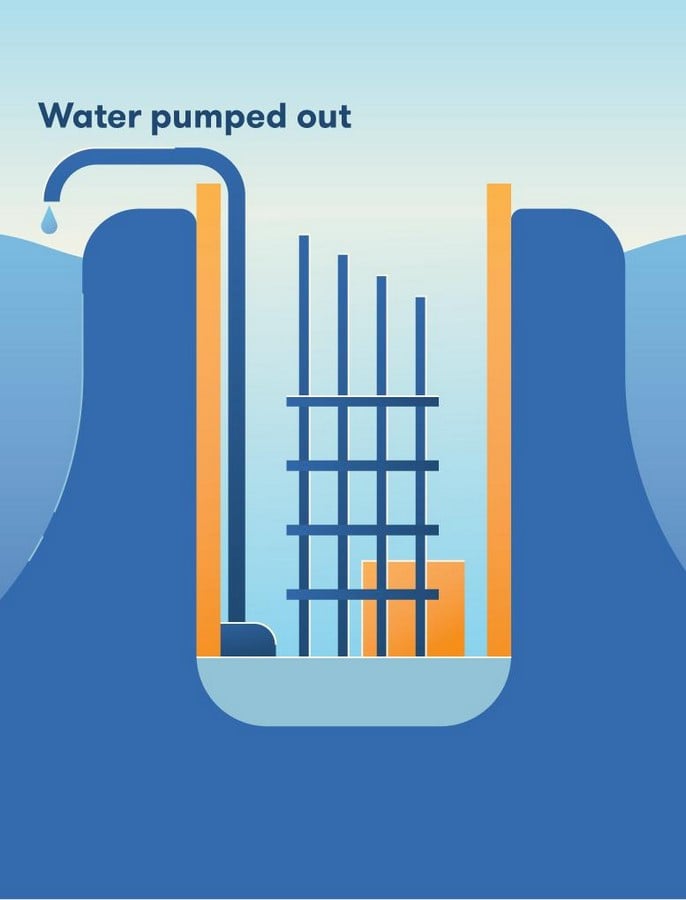
Underwater construction requires specialised methods and equipment to overcome the challenges faced underwater. While constructing underwater, water is usually diverted in various ways as it is impossible to clear all the water.
Caissons are water-tight structures that float to the desired location and then sink to the seabed. They are commonly used for constructing underwater foundations or creating dry workspaces for construction activities.
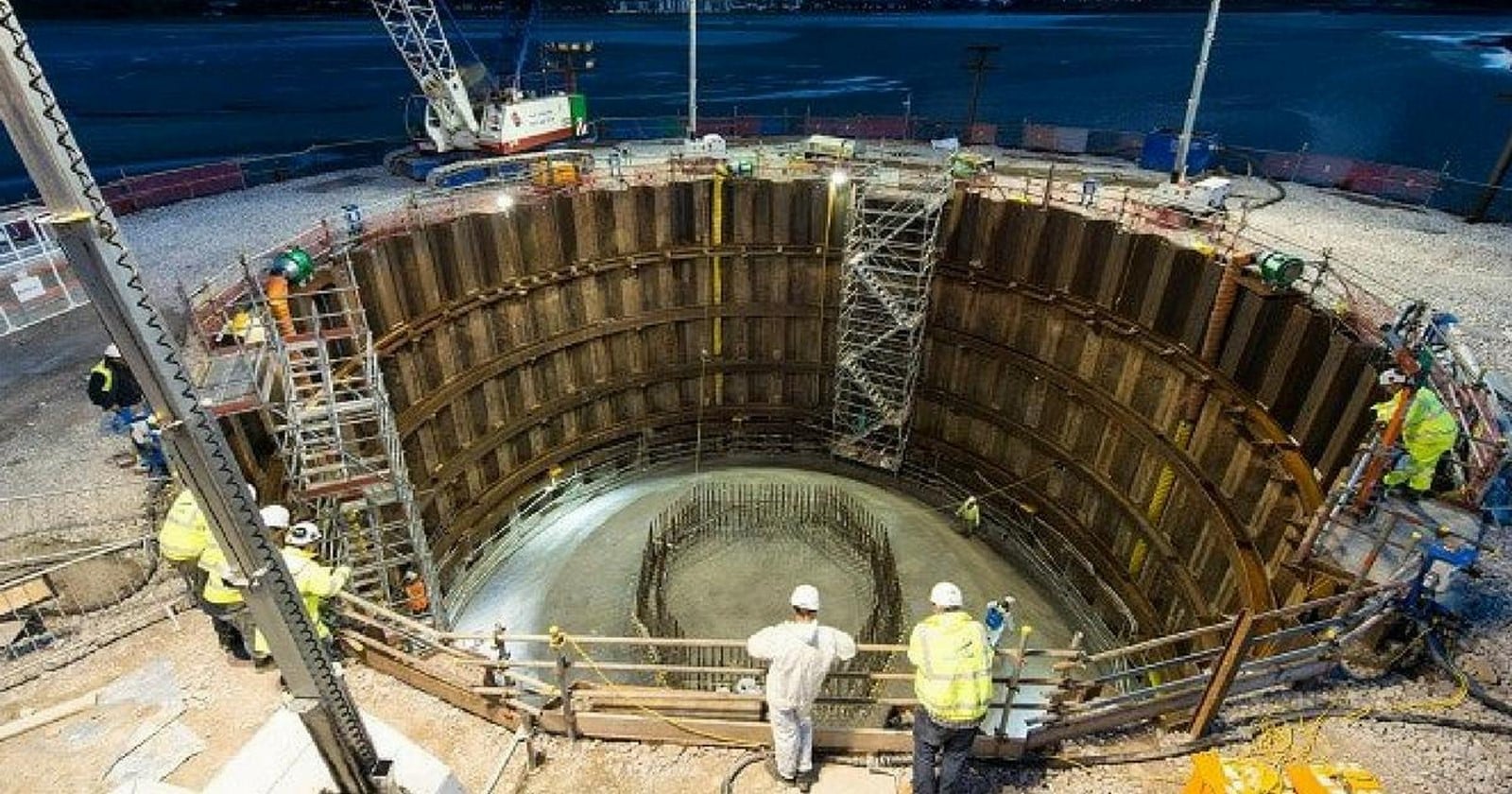
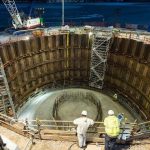
Cofferdams: Cofferdams are watertight enclosures that make the water inside of them a dry working environment. They are frequently made of steel plates or sheet piles and are used to speed up construction tasks like laying foundations or fixing underwater construction.
Underwater Welding: It is usually used to join metal components by specialised welding techniques.
Jack-up Barges: These are floating platforms equipped with extendable legs that can be lowered to the seabed, raising the platform above the water’s surface. They provide a stable working platform for various construction activities.
Driven Piles: These piles create sturdy structures without removing any water. These vertical steel columns were hammered into the soil by massive machines.
Each of these methods has advantages and disadvantages, and their selection depends upon the nature of the project.
Architects Perspective
Typically, underwater construction projects do not directly involve architects. Marine engineers, marine contractors, and other experts in the underwater building are necessary due to the difficulties and specialised knowledge needed for operating underwater. The technical aspects of designing and building submerged or fully underwater structures are typically outside the scope of traditional architectural practice, even though architects may contribute to the design and aesthetic aspects of above-water components of structures, such as coastal buildings or underwater viewing areas.
References:
Finney, A., 2022. Dezeen. [Online]
Available at: https://www.dezeen.com/2022/06/17/underwater-architecture-submerged-hotel-museum-restaurant/
McLaughlin, K., 2022. Architectural Digest. [Online]
Available at: https://www.architecturaldigest.com/gallery/incredible-underwater-architecture-projects-around-the-world
Stannard, L., 2021. BIG RENTZ. [Online]
Available at: https://www.bigrentz.com/blog/underwater-construction