Architecture, the art and science of designing and constructing buildings, has a profound impact on the way we experience and perceive the world around us. Architecture plays a critical role in helping us experience real-time circumstances with various design interventions, aiding in our ability to survive the turmoil of daily life. Through the use of materials, geometry, light, and space, architecture may affect our perceptions and mood. Different material evokes different emotions in people, affecting their behaviour, and influencing their actions as well. As an individual, I have personally witnessed how architecture has the ability to shape and transform our perspectives. This essay delves into my personal journey and explores how encounters with different architectural styles, spaces, and structures have influenced and changed my perspective on various aspects of life.
Appreciation for Aesthetics
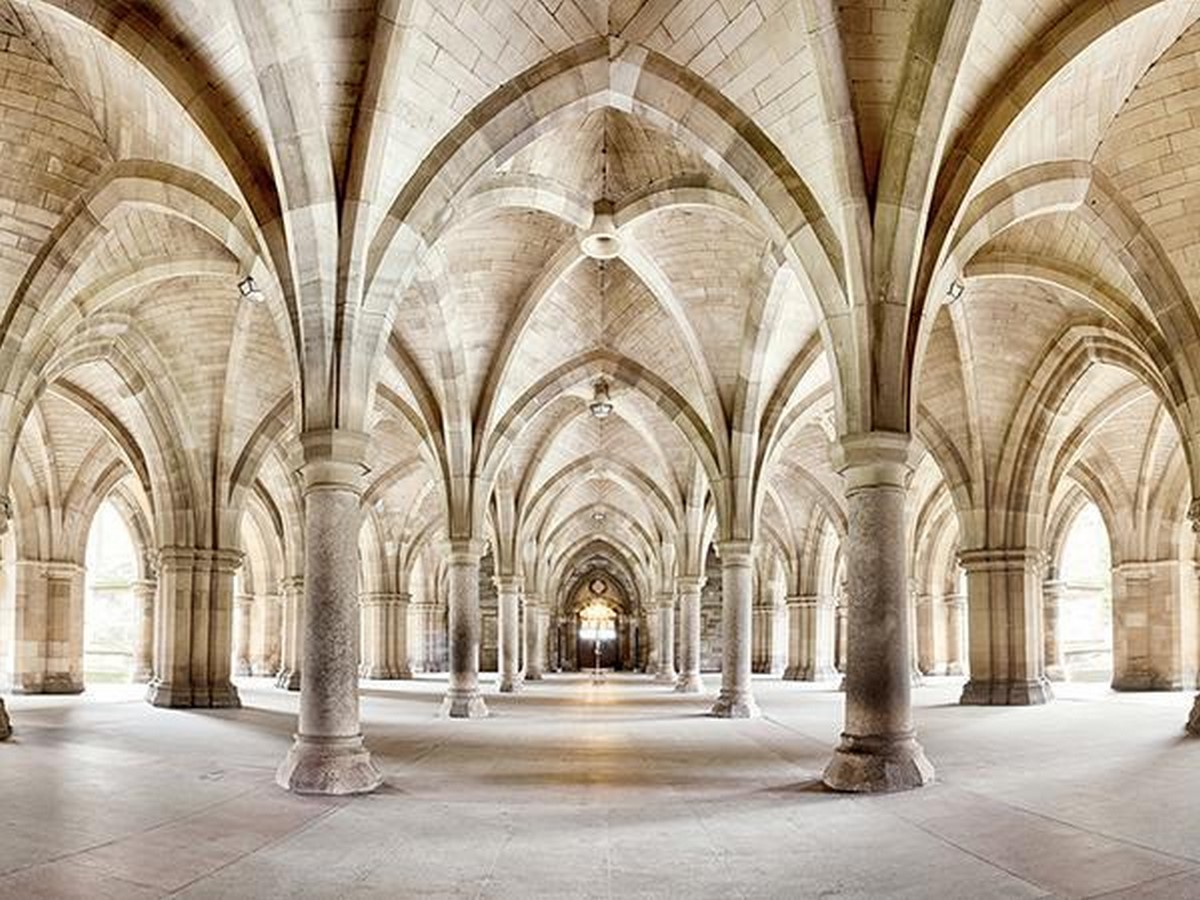
Encountering diverse architectural styles, from classical to contemporary, has expanded my appreciation for aesthetics. The intricate details of historical buildings, the clean lines of modern designs, and the harmonious integration of form and function have sparked a newfound admiration for the artistry and creativity behind architectural endeavours. I have learned to see beauty in the built environment, and this awareness has extended beyond architecture to influence my perception of art, design, and even the natural world.
Understanding Cultural Heritage
Architecture has played a vital role in deepening my understanding of cultural heritage. Exploring ancient structures, such as temples, castles, and palaces, has provided a tangible connection to history and a sense of awe for the achievements of past civilizations. By studying architectural styles specific to different regions and time periods, I have gained insights into the values, beliefs, and lifestyles of diverse cultures. This understanding has fostered a greater appreciation for cultural diversity and a desire to preserve and celebrate our shared heritage. For instance, Today Sanchi is one of the best-preserved sites in India, and its monuments, over fifty as numbered by Marshall, stand in two groups at the top of the hill and the bottom on the western slope. The most significant element of Buddhist architecture is the stupa, a reliquary derived from ancient funerary tumuli. There is a precise cosmic symbolism to this structure: the high circular plinth, called the Medhi, represents the earth; the domed body of the structure, the Anda, represents the sky, the square balustrade that rises over the construction, the harmika, refers to the mythical cosmic mountain at the centre of the universe; the dominion of the ultimate Truth, the ethereal world, is symbolized by the central pillar, the chattravali, around which the stupa winds, ‘compressing itself’ like a three-dimensional spiral. The chattravali is structured as three parasols, or chattra, typical elements of regal ceremonial which celebrate the three jewels of Buddhism: the Buddha himself, the Sangha, and the Dharma – the Enlightened One, the Community, and the Doctrine.

Sensory Experience and Emotional Impact
Architecture has heightened my awareness of the sensory experience and emotional impact of built spaces. The interplay of light and shadow, the manipulation of scale and proportion, and the use of materials and textures all contribute to the atmosphere and mood of a space. Walking through a soaring cathedral, a serene garden, or a bustling urban square evokes a range of emotions, from tranquillity to excitement. This realization has made me more attuned to the power of design to evoke specific feelings and shape our emotional well-being.
Environmental Consciousness
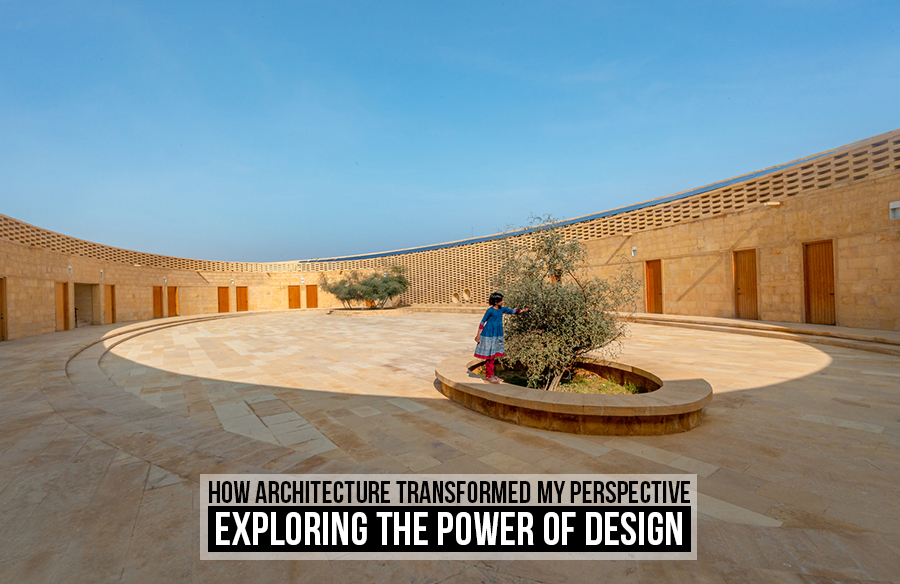
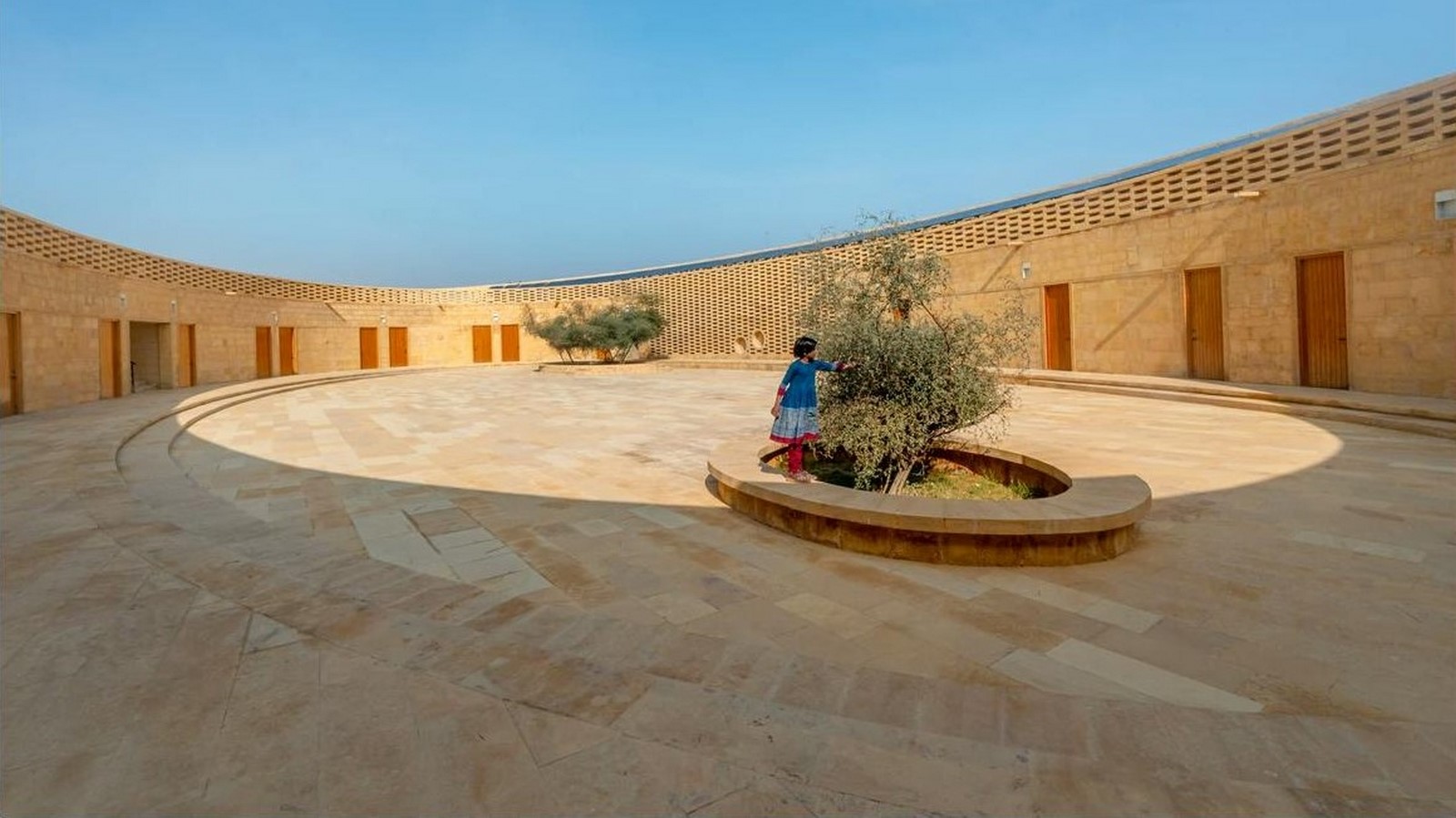
Encountering sustainable and environmentally conscious architecture has significantly influenced my perspective on ecological responsibility. Witnessing the integration of renewable energy systems, passive design strategies, and green technologies in buildings has underscored the importance of creating a built environment that harmonizes with nature. The realization that architecture can be a catalyst for positive change in addressing environmental challenges has inspired me to consider sustainability in all aspects of my life and future endeavours.
The Intersection of Function and Human Experience
Architecture has revealed to me the inherent connection between function and human experience. The design of spaces is not merely about aesthetics but also about how people interact, move, and feel within them. Considering factors such as accessibility, ergonomics, and social dynamics in architectural design has highlighted the impact that well-designed environments can have on our daily lives. This realization has made me more conscious of the importance of creating inclusive, user-cantered spaces that enhance the quality of life for individuals and communities.
Architecture has transformed my perspective by opening my eyes to the power of design, the richness of cultural heritage, the sensory and emotional impact of spaces, the urgency of environmental consciousness, and the significance of the intersection between function and human experience. Through encounters with various architectural styles and spaces, I have developed a deeper appreciation for the built environment and a greater understanding of its influence on our lives. As I continue to explore and engage with architecture, I am inspired to contribute positively to the field and promote the creation of spaces that enrich the human experience and foster a more sustainable and inclusive world.
Citation
Albanese, M. (1999). Architecture in India. 2nd Edition. New Delhi: Om book service.
Images
01_Aesthetics in Arches_©Jamileh Jahangiri
02_Buddhist history in the stupa architecture_© 2014-2023 RitiRiwaz.com.
03_passive cooling design techniques promoting sustainability_©vinay_panjwani