The beginning of the past
The basic needs of humans were food, clothing, and shelter. In the Stone Age period, when there were less of commodities and more peace, the person who built the shelter was the architect himself. He served as the engineer, sculptor, and architect for those created forms. However, as the demands began to be met, a spark emerged to create needs for both personal and community welfare.
So what does Architecture mean? Architecture is an expression of art through the construction of various forms of enhanced human comfort. Buildings are only one aspect of architecture; another is how the user is made to feel in a space, which need not always have four walls and a roof over it. Architecture begins even when you join two sticks together but with a thought behind them. According to common perception, the Hindu mythological God Vishwakarma, often known as the “architect of the world” is credited with creating our solar system, which includes the planet earth and all life on it, as well as the entire galaxy in which it exists. It demonstrates that someone else also created the complete ecosystem in which people live. Consequently, architecture has always been a component of human life, but imagine human life without architecture!
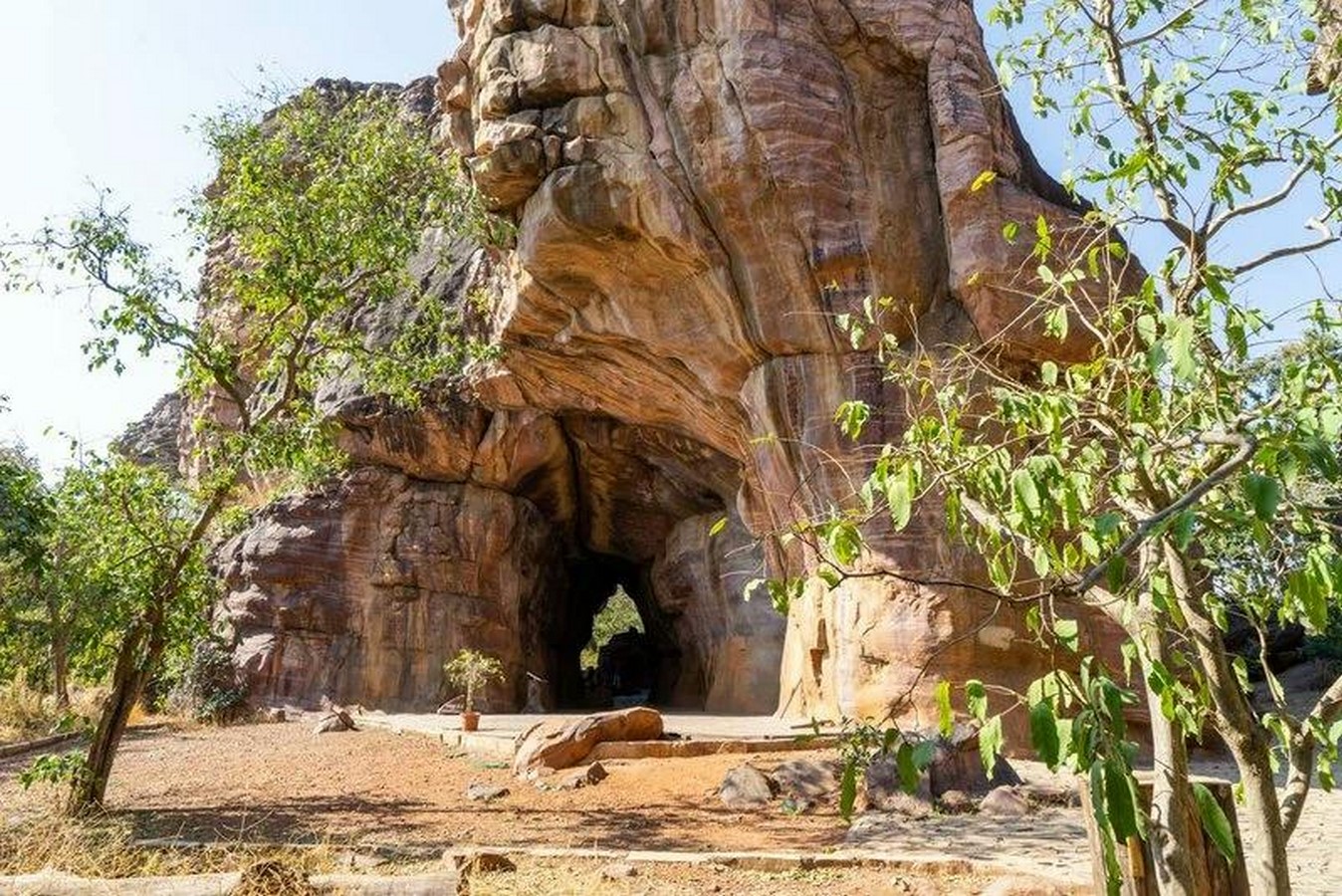
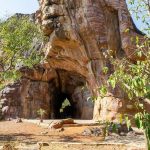
The Bhimbetka rock shelters is one of the most artistically-impressive rock shelters is the Zoo Rock Shelter, where the ceiling is covered in images of animals
The significance of the art | Human existence
When one hears the word “architecture,” a few essential words like “creativity,” “buildings,” “ambiance,” “technology,” and many more instantly spring to mind. Since the beginning of time, architecture has played a significant role in shaping the human lifestyle. Our emotions and actions are influenced by the surroundings in which we live. Consider two situations when a person is living in two distinct surroundings, for instance.
1) When that individual resides in a highly crowded apartment with a view of unsightly towering buildings around, vs 2) If it means residing in a forest or tree house made of oak wood with a view of a water body and plenty of trees in the vicinity. Naturally, a person who lives surrounded by nature will be happier and more productive. Here is where architecture has a significant influence on how people think. Since the dawn of time, architecture has played a crucial role in society. It has been changing and evolving, whether in a good or bad way, depending on what is needed in the present world. But how would human existence have been if there had been no architecture? No creativity would have existed, or else we could still be living in caves now. No spirituality, no feeling of emotion, no place to dwell, no ambiance, no elegance, no holy, and many other things.
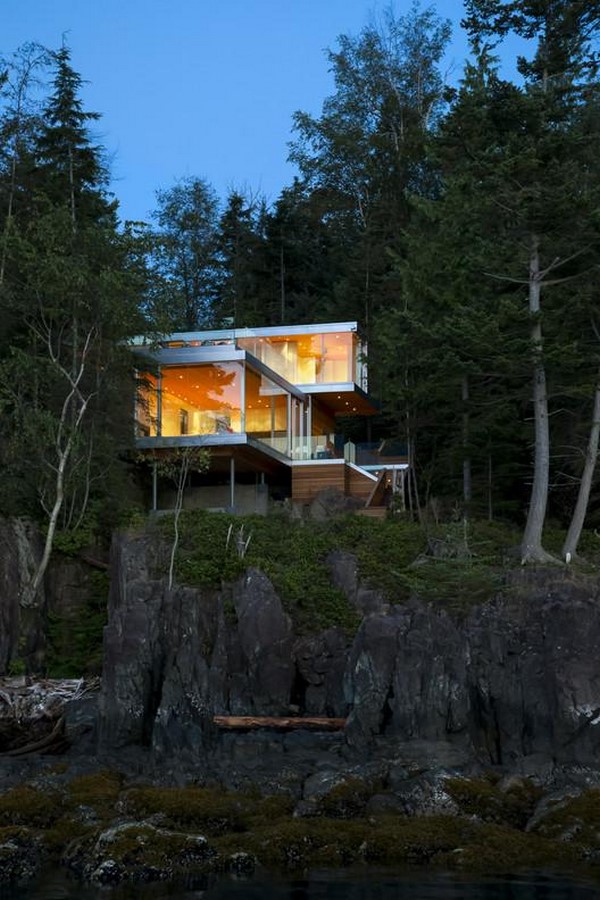
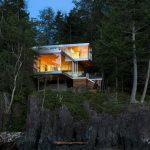
The Gambier Island House with overlooking the wooded waterfront of Howe Sound and adjacent to a protected, forested watershed and private cove, the secluded home is only accessible via the water.
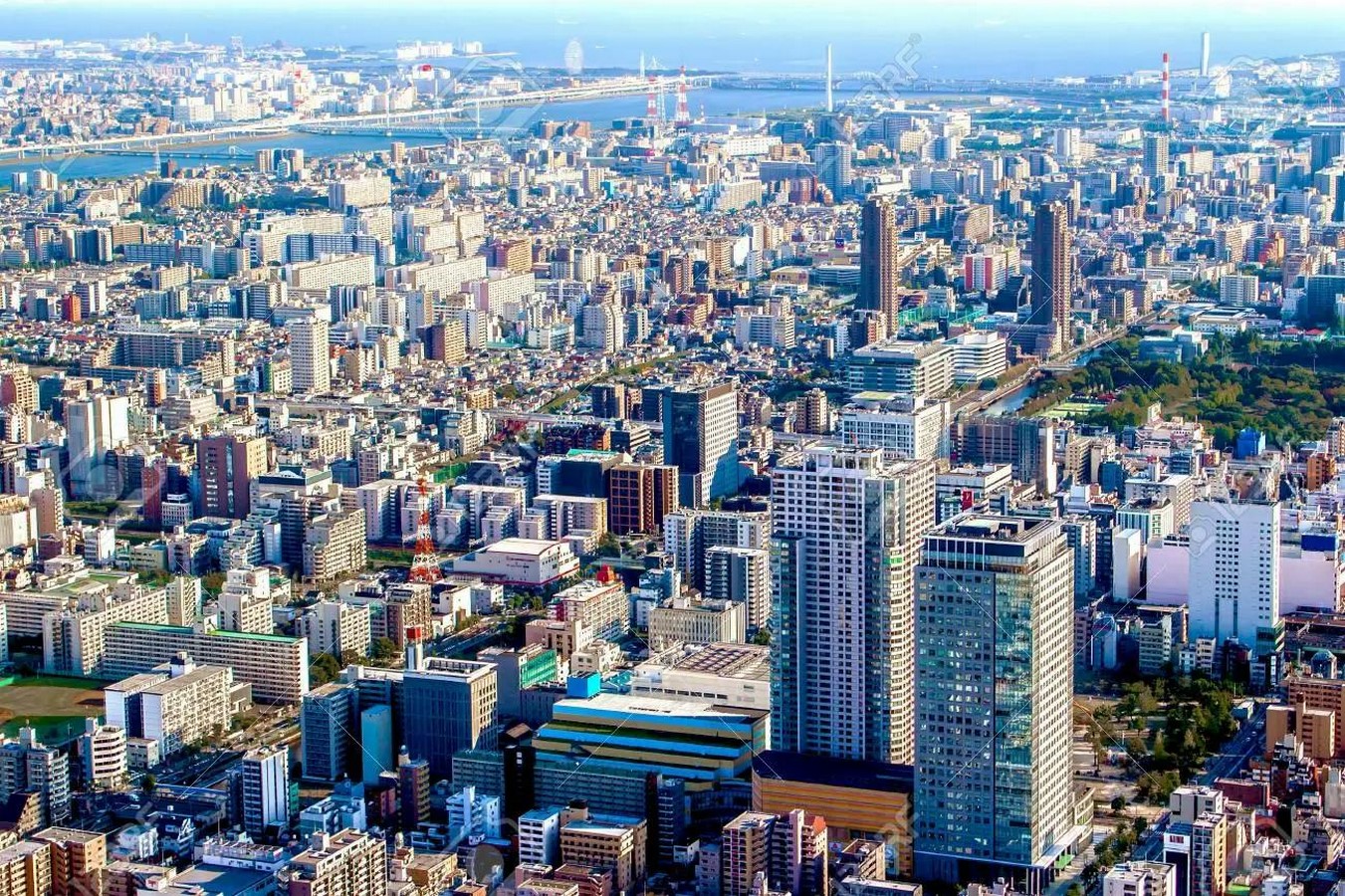
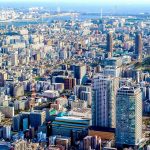
Aerial Cityscape of Tokyo, the Capital of Japan Showing the Overcrowded Buildings and No Scope of View for the Greenery and Breathing Space.
The rebirth
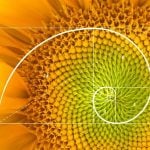
From ancient times up until the present, architecture has been planning a significant amount of assistance in terms of the ambiance it offers to the users. In the past, the majority of people had a limited understanding of what architecture was. However, an architect does more than just give plans and details—instead, they influence the end user’s quality of life and well-being. Because of the careful consideration put into the design of every nook and cranny, he is accountable for every action and psychological well-being of the user. This is the rationale behind why employing an architect is now essential. The discipline of architecture is being shaped and its value is being pursued by these parts of the profession. The Golden ratio, also known as the divine proportions, was invented by the famous Italian polymath Leonardo Da Vinci, and it is considered to be one of nature’s most perfect ratios. The clearest illustration of this is the modular man of Ar. Le Corbusier, designed spaces with the human scale in mind and so provided the divineness necessary for the architectural form.
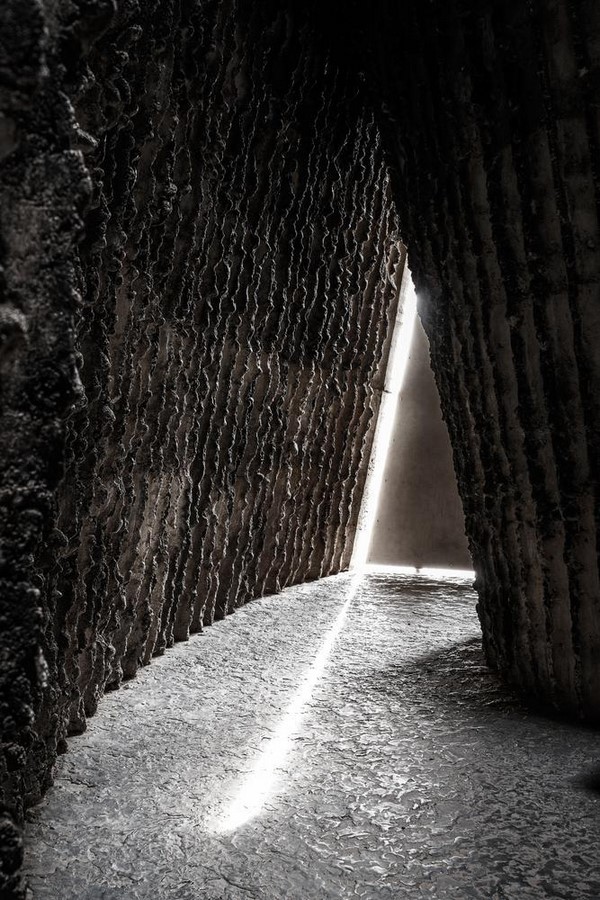
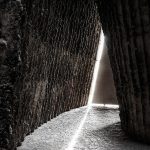
The Bruder Claus Chapel with a Sacred and Revealing Entrance Threshold and the Charred Walls Stimulating the Sense of touch.
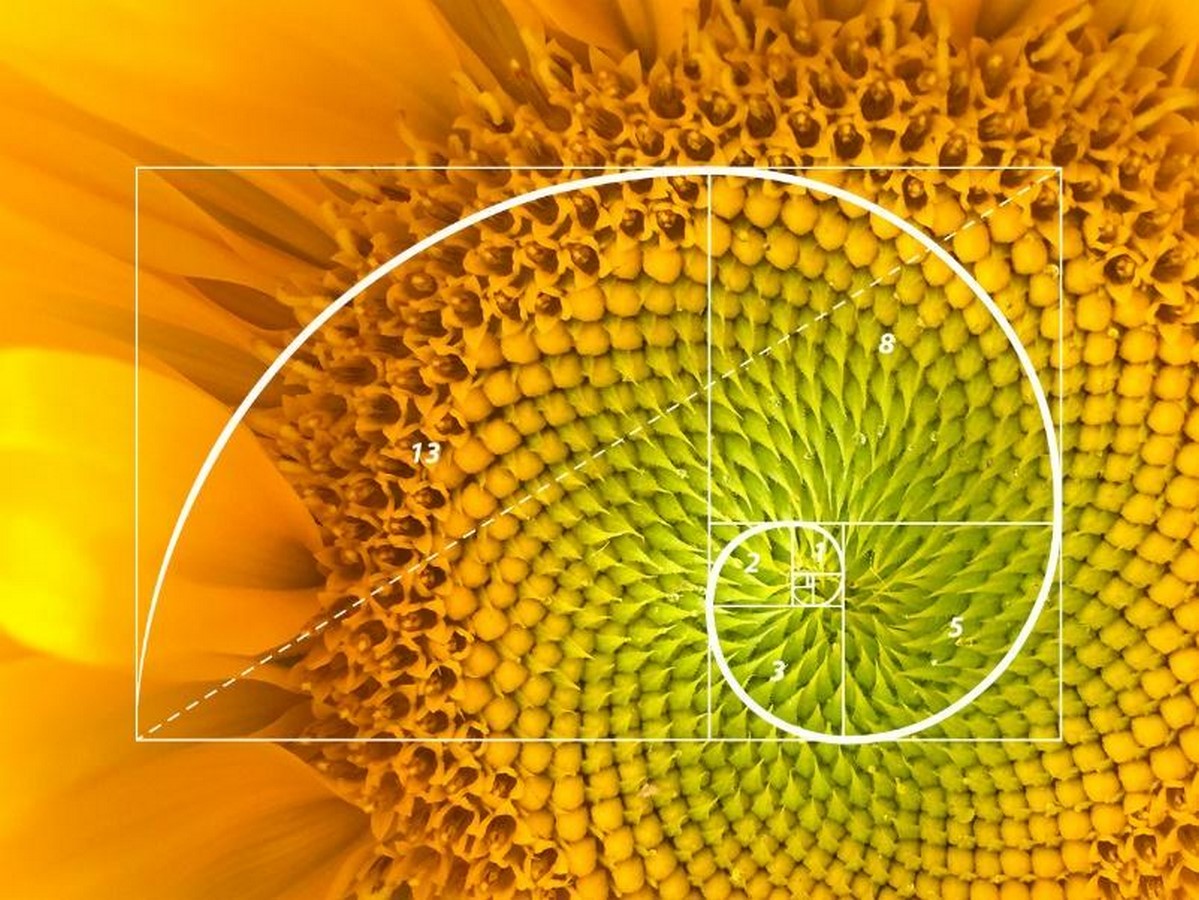
The Fibonacci Series Portrays a Methodology to Be Used in Deciding the Proportions of Any Form in Nature.
Without architecture | Human existence
People today are accustomed to technology and the convenience it offers. This technical development has observed the expansion of the entire architecture sector.
There wouldn’t have been any public spaces intended for the general public, no visual or emotional gratification, and most crucially, no roof over one’s head. Where would people have planned the city/roads if there were no obvious routes to get there? Although it is claimed that nature finds a way around obstacles, it seems that humans would have done the same and discovered a means to survive without the divine (architecture). The benefit we currently enjoy as a result of the remarkable advancements made in the architecture industry would be less understood by those who haven’t witnessed architecture in its natural setting. Without architecture, despite physical development, humans would still be living in caves today. Therefore, since architecture serves as both the beginning and the conclusion of life, human existence without it is certainly difficult!
Citations:
1) Turtle, M. (2020). The Bhimbetka rock shelters is one of the most artistically-impressive rock shelters is the Zoo Rock Shelter, where the ceiling is covered in images of animals. [Photograph] Available at: https://www.timetravelturtle.com/bhimbetka-rock-shelters-india/ [Accessed Oct. 8AD].
2) Archdaily (2014). The Gambier Island House with overlooking the wooded waterfront of Howe Sound and adjacent to a protected, forested watershed and private cove, the secluded home is only accessible via the water. [Photograph] Available at: https://www.archdaily.com/514205/the-gambier-island-house-mcfarlane-green-biggar-architecture-design [Accessed 10 Oct. 2022].
3) Narel, M. (2018). Aerial Cityscape of Tokyo, the Capital of Japan Showing the Overcrowded Buildings and No Scope of View for the Greenery and Breathing Space. [Photograph] Available at: https://www.123rf.com/photo_73688929_aerial-cityscape-of-tokyo-the-capital-of-japan.html [Accessed 8 Oct. 2022].
4) Zilliacus, A. (2019). The Bruder Claus Chapel with a Sacred and Revealing Entrance Threshold and the Charred Walls Stimulating the Sense of touch. [Photograph] Available at: https://www.archdaily.com/798340/peter-zumthors-bruder-klaus-field-chapel-through-the-lens-of-aldo-amoretti?ad_medium=gallery [Accessed 8 Oct. 2022].
5) Cleveland, Jonathan. The Fibonacci Series Portrays a Methodology to Be Used in Deciding the Proportions of Any Form in Nature., Sept. 2020, clevelanddesign.com/insights/the-nature-of-design-the-fibonacci-sequence-and-the-golden-ratio/. Accessed 2 Oct. 2022.