Architecture has been said to have its existence to create a physical environment in which people have lived and have been continuing to live over the past 12000 years. It’s not only a part of our built environment but also our culture and stands as a representation of how we see ourselves and the world around us.
The living timeline began way before humans started locating themselves in caves and went under the evolution from semi-permanent villages to permanent villages and then evolving these spaces to towns, cities, and megacities. During the 1950s New York and Tokyo were only megacities and in 70 years now, 32 in total.
Urbanization initiated slowly and now is more rapid than at any time in human history leading to – shortage of spaces, contributing to more carbon emission from automobile, factories, building & construction industries. It is believed that building and construction industries contribute up to 40% of global carbon emissions.
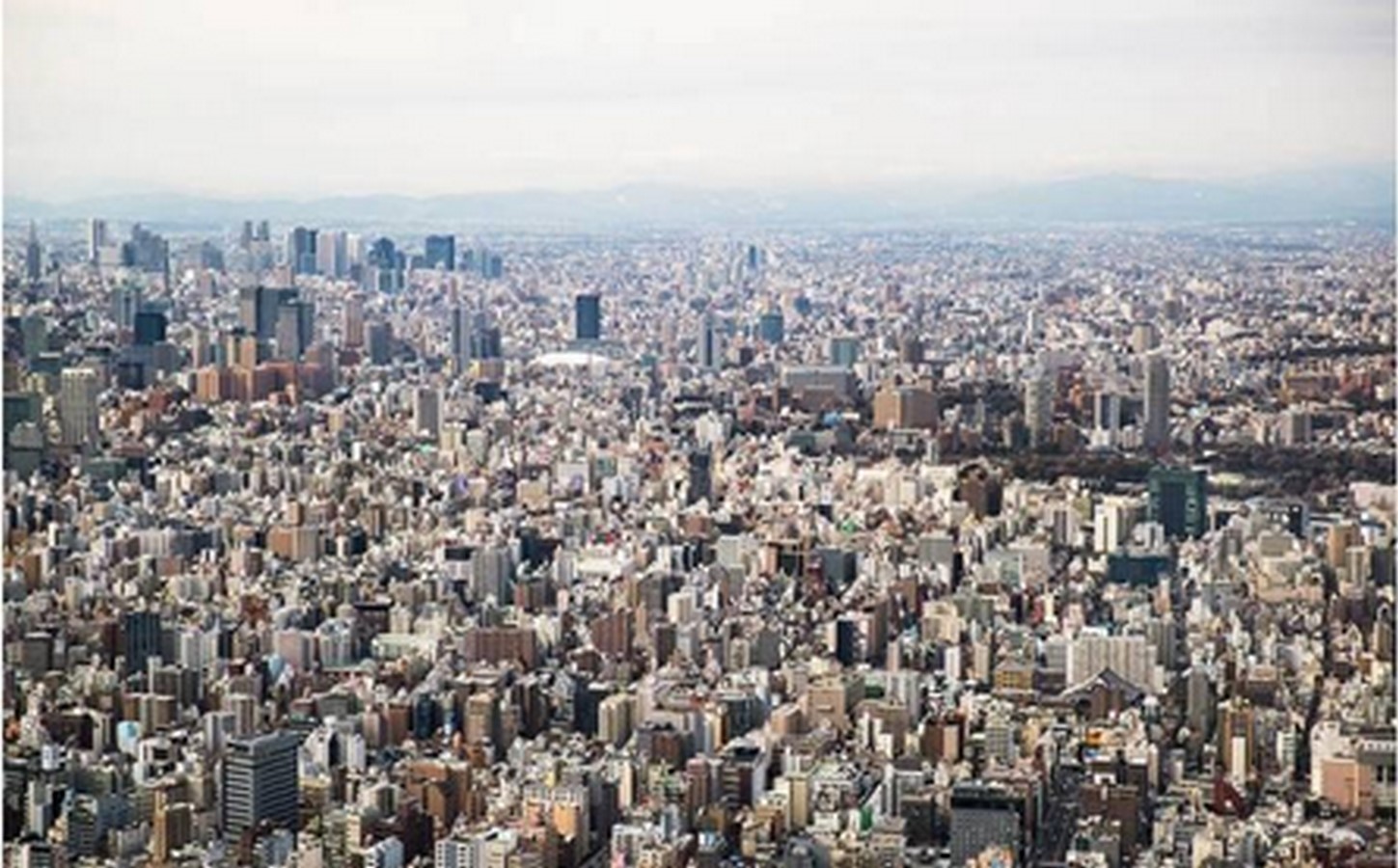
Today, 50% of the world’s population is estimated to be living in urban areas and by mid-century the figure is expected to rise by 20%, making a total of 70% in urban areas. Never before has the world been seen in such extremely rapid motion as in the current scenario where the global dream of prosperity and a better future seems so pervasive, never was so much need for just living spaces but also green and breathing pockets or spaces that helped humans to rejuvenate.
The pressing questions have arisen as to how citizens of our planet can live happily in the future together? How do architects and designers plan to reduce the percentage of global carbon emissions? Would we have good designs with the efficiency to cater to the needs of people, the place, and the climate?
Within the space of just a few decades’ architects and designers introduced the term sustainability, which has made an extraordinary rise to fame going from fringes to the mainstream. It has become one of the defining features of 21st-century reality in the designing, building & construction industries.
The term sustainability encompasses understanding a whole paradigm shift of the world and our place within it. This new paradigm shift to our understanding of the world and our place within is set to have a fundamental & pervasive effect on how we manage & design systems in today’s context keeping the future in vision.
Sustainability defines the ability of a system or process to endure over some time- how sustainable something is can be understood in terms of its overall efficiency in terms of how effectively the whole organization is at operating within itself and its environment when a system becomes inefficient at operating within its environment. It consumes more of the available resources & produces more entropy or waste rendering it unsustainable. Sustainability is more what we call an emergent feature of the whole system. It is not so much about parts but how the parts work together to enable efficiency in the overall outcome.
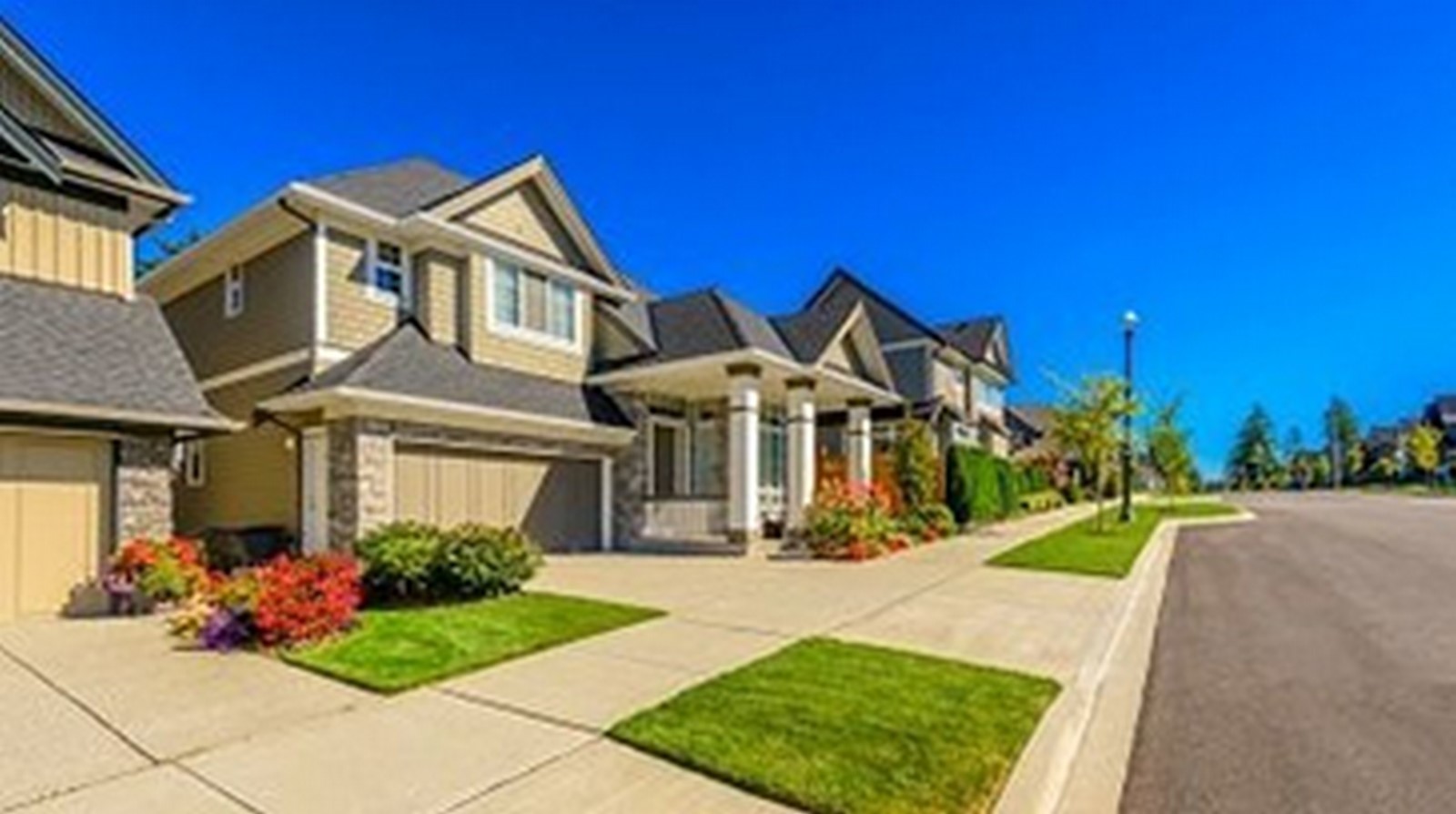
If we built an eco-home in the middle of suburbia- a country in southeast Europe, where inhabitants have to drive a long distance to shop or fulfill their daily needs. This will not achieve a sustainable outcome as it simply optimizes individual parts without optimizing the whole outcome. Sustainability is a relationship between a whole system & its environment and it cannot be achieved by optimizing individual parts.
Sustainability is being adapted to become the core part of architectural practices & values. Good designs that cater for the people, the place, the climate, the production method being utilized are being considered holistic, understanding of values that it brings to people, place, culture & designing for the future- climatically, socially, or economically seems intertwined and interlinked for the sustainable future to occur.
A few aspects that have been initiated for desired sustainability to occur are – using locally available materials, conserving water, usage of solar panels, and conserving various renewable sources of energy to be converted and used in different forms. Community-driven programs that include green spaces & incorporate to reduce the amount of building emissions going into the atmosphere have already started to be implemented.
Reducing the amount of building emission that is going into the atmosphere could be expected to lead us to the future of NetZero carbon emission. NetZero carbon emission meaning not emitting any more carbon dioxide and producing more energy than we consume by utilizing renewable sources of energy.
Sustainability, where innovation is focused on delivering greater functionality with more innovation, more services but fewer materials. A future that promises to deliver climate & people-oriented buildings considering all the services and amenities in the closest proximity to avoid carbon emission loaded with green spaces for recreational activities & social gathering seems like the future of architecture.
Images/visual mediums
Citations for YouTube videos:
How Sustainability Is Bringing Architecture Back Down to Earth. (2019). YouTube. Available at: https://www.youtube.com/watch?v=nHOG2gOtJZw
www.youtube.com. (n.d.). How architects will shape a sustainable future. [online] Available at: https://www.youtube.com/watch?v=avFCNWdT5ps.
www.youtube.com. (n.d.). Exploring Green Building and the Future of Construction. [online] Available at: https://www.youtube.com/watch?v=wmoy27EZ8y0.
www.youtube.com. (n.d.). Sustainable Architecture for tomorrow’s India- The Future We Want Series. [online] Available at: https://www.youtube.com/watch?v=9klc9BLqtGw&t=15s
www.youtube.com. (n.d.). Flexible Buildings: The Future of Architecture | Free Documentary. [online] Available at: https://www.youtube.com/watch?v=sw9zpH717ts&t=1402s
Sustainability – Full Documentary. (2019). YouTube. Available at: https://www.youtube.com/watch?v=bjrPiIem30g
PBS NewsHour (2010). Megacities Reflect Growing Urbanization Trend. YouTube. Available at: https://www.youtube.com/watch?v=eFboV2m1yuw
Urbanisation and the rise of the megacity | The Economist. (2017). YouTube. Available at: https://www.youtube.com/watch?v=JDS_BqDeZ4k.